
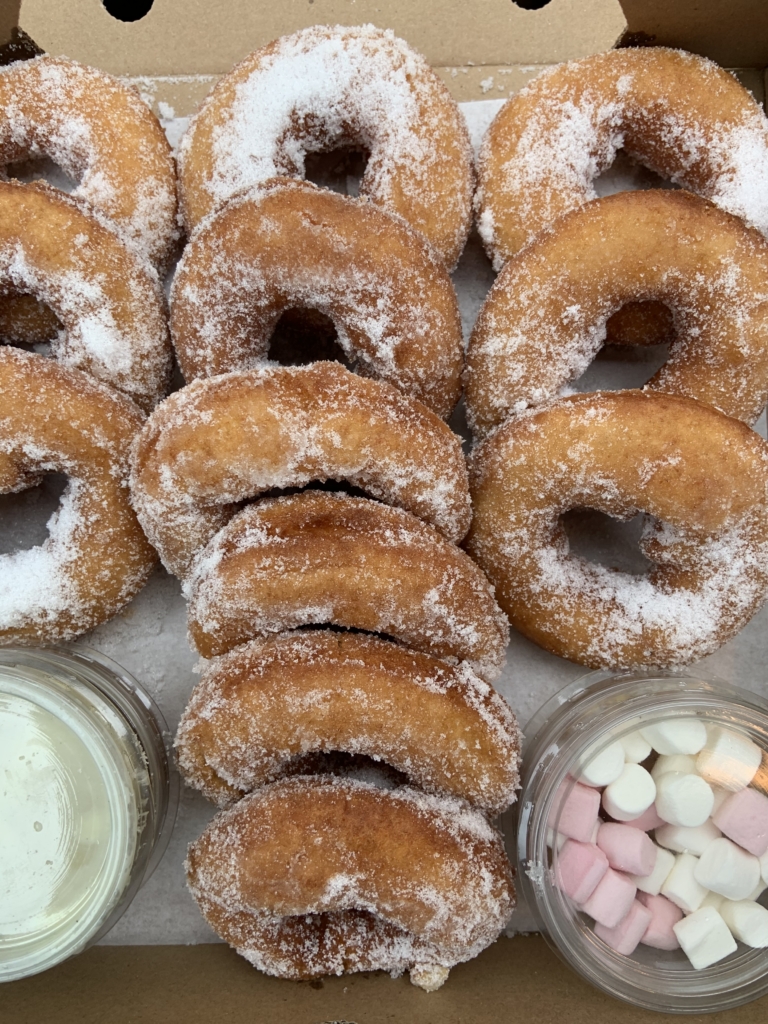
What can a restaurant menu show you about how to communicate as a fundraiser?
Restaurant menus use all sorts of nudges to encourage you to buy, eat and react in certain ways. What are they? Why do they work?
But most importantly how could these nudges be applied to fundraising, and other communications?
Starter – Emotional stories
At a birthday meal we were presented with this explanation of the course we were about to eat – a dish entitled Bread chicken butter.
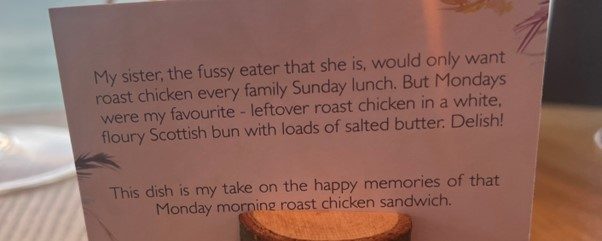
A simple story – but personal one with a universal appeal to Sunday roast nostalgia.
“The best stories lead from the heart, not the mind…” Peter Guber in Tell to Win
Frequently on Great British Menu or Masterchef aspiring chefs are urged to tap into their experiences and emotions as they create dishes – but also to share that emotional connection with the diner. One restaurant gives diners a letter with the story of each of the local ingredients.
We are hard wired to remember stories and using a story to explain a dish makes it more memorable. This example above evokes the memory but also the nostalgia of a meal (read this great blog by Dr Claire Routley on the positive power of nostalgia as a social emotion).
Jesus spoke in parables and however religious or not we are we can remember some parables even if we cannot remember the explanation.
As fundraisers we all know the importance of telling impactful stories that move people to action – that make our case memorable. Cheryl A Clarke quoted Joel Orosz saying
“When Charles Dickens wanted to talk about generosity, he wrote A Christmas Carol, not a grant proposal. Ultimately, the grantseeker has a story to tell in the proposal. Rather than disguise or hide it, why not just tell it?”
Joel Orosz shared by Cheryl A. Clarke.
Often these stories lean into the ‘identifiable victim heuristic’ and we can see the impact that a donation can make on one life.
So telling powerful, memorable and emotional stories comes naturally to fundraisers.
Main: Labour illusion
There is a decision science heuristic called the ‘labour illusion’ which means we value and trust something more if we can see that additional effort has been added for us. Even if a delay is fake we can see the resulting product as worth more.
On menus this might be that someone has taken the care to write out the menu by hand on a chalk board. Or that the chef’s special takes 45 minute preparation – knowing that it has been prepared just for us and takes additional time makes us value it more.
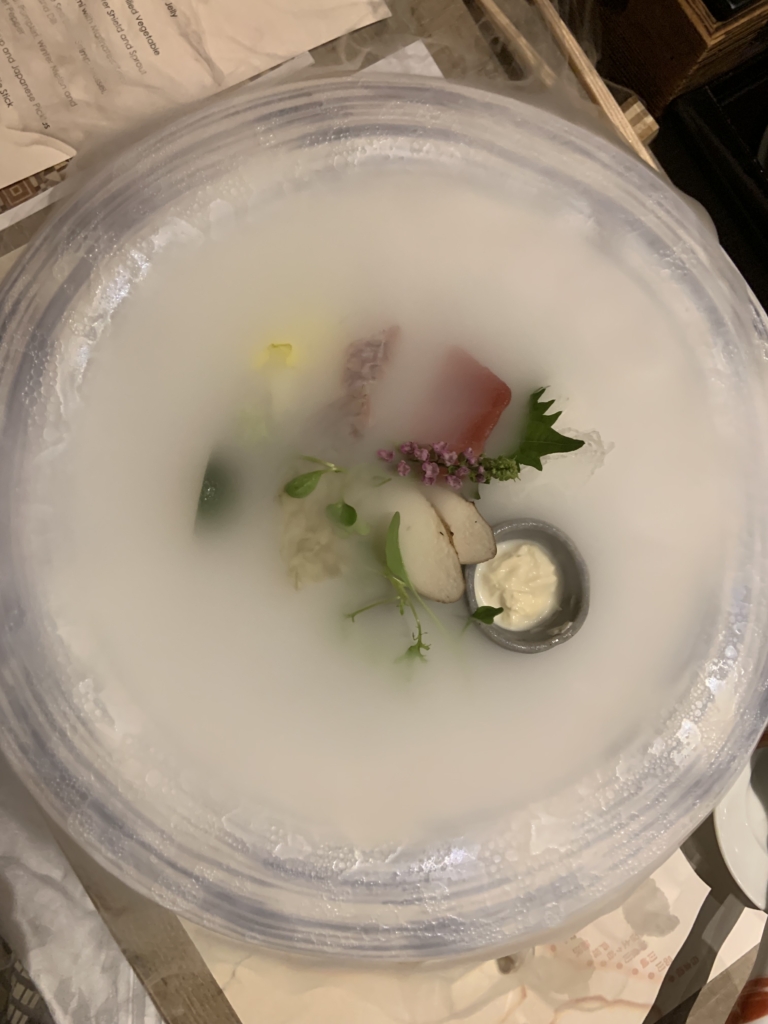
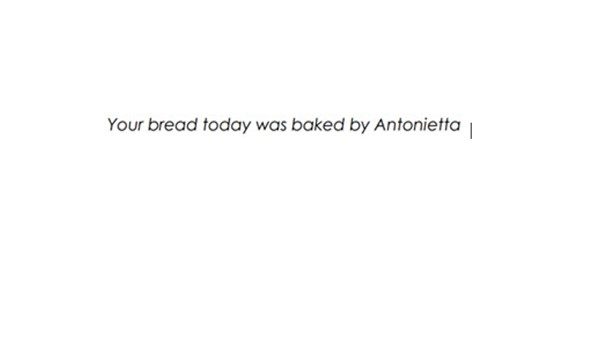
Or even knowing the names of those that have made a special effort on behalf – from the baker Antonietta who baked your bread today, to the names of the dogs who sourced the truffle.
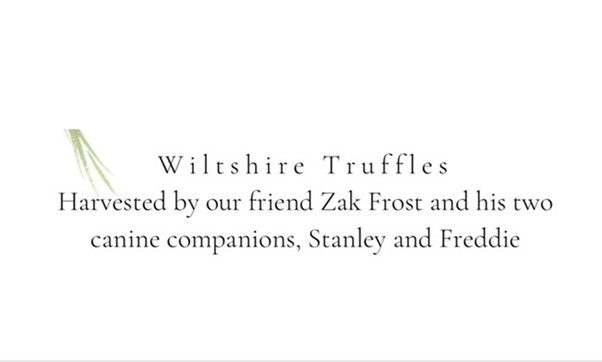
The labour illusion can also be used in fundraising – one of the most effective and common is the handwritten envelope which numerous studies (see a list here) have shown to increase open rate and response rates by up to 300%. The handwritten signals that someone has taken the time and effort to write to us specifically and that additional effort makes us want to reciprocate that effort. It makes us feel special and that increases the likelihood we will respond positively. The handwritten envelope also stands out as unusual and interesting in post that is printed and piques our interest and makes us want to open it.
So get your volunteers involved in handwriting envelopes for your appeals.
However, it is always worth testing how it works with your audiences and in what circumstances. Ogilvy ran a decision science experiment in the field with different interventions on Christian Aid collecting envelopes. They tested the labour illusion on one of the envelopes with a banner on the collecting envelope proclaiming ‘hand delivered by local volunteers’ – hypothesising that if someone has gone to the time and effort to hand deliver something then the response rate should increase however it was not the most effective decision science intervention undertaken in this extensive series of tests. Read more about it in Change for Better.
Desert: Costly signalling
The paper that you print the menu on can also give unconscious clues to the restaurant eater. When you choose to use the heavy paper weight you are giving your diner unconscious signals about the type of restaurant you are – the experience to expect, how much they might spend and what service you might expect. A 570 gsm menu was shown to make customers perceive the restaurant as more upscale and the service better – vs a menu printed on 210 gsm, (for reference for the non paper stock geek – photocopy paper is 80gsm) (Maginini & Kim, 2016) (the same is also true of weight of cutlery and choice of font – the more cursive the more expensive.)
This is known as ‘costly signal theory’ – demonstrating the value of the organisation and using one salient factor to make a judgement about the experience you can expect. It can show that you are credible, successful and can afford to invest in good stationary.
Often in charities with budgets tight one of the first costs you cut is the paper stock with a rationale that supporters know that you are saving every penny you can to support the cause. However, supporters and people are not rational, and subconscious clues given by a higher paper stock imbue our appeals with subconscious gravitas. The paper stock shows the value of the proposition, that the charity believes in it and is prepared to invest in it.
The Ogilvy decision science experiment with Christian Aid also included envelopes on a heavier paper stock (90 gsm to 150 gsm) and found that this change in paper stock produced a higher mean level of gift – read more about the different tests and surprising results in Change for Better.
Cheese: Choice architecture
Have you ever sat down in a restaurant and been handed a book for the menu with pages and pages of choices?
And then been overwhelmed by the choice – this is analysis paralysis and the more choice we have the harder we find it to make a decision.
An often quoted experiment talks about jam selections in a supermarket – when shoppers were offered the choice of found that consumers were 10 times more likely to purchase jam on display when the number of jams available was reduced from 24 to 6.
A shorter menu makes it easier for us to make a choice about what we want. It increases fluency – helping us process and retrieve the information we need.
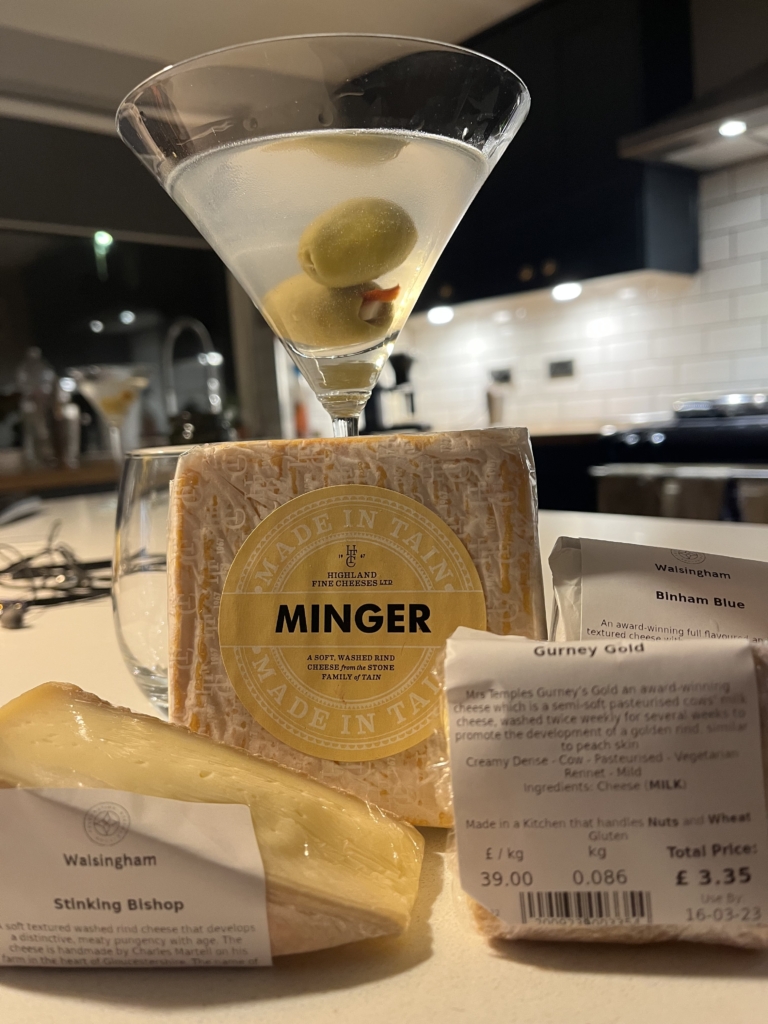
We are bombarded with millions of pieces of information every day but can only hold about 7 at one time. So, showing less items makes it easier for customers to process.
The same has been shown to be true in fundraising – if we offer supporters too many choices of what amount to give we activate their ‘system two’ brain and they slow down and stop to think about which option they want to donate at, or worse because of analysis paralysis they don’t take any action. Tests, replicating the jam one, have shown that too many choices of how to help reduce action. If we reduce the choices we offer supporters to three we increase results.
Coffee: end on a high or a free ice cream?
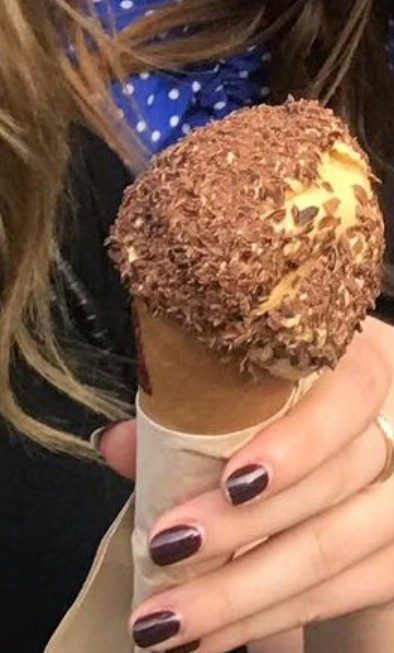
How an experience ends stays with you and despite what might have happened during it – the end has a lasting impact on you. It informs how you remember the event and is called the ‘peak end rule’ and is a powerful cognitive bias.
The Flat Iron (which I have never been to) utilises this power of peak end and the power of a ‘free offer’
At the Flat Iron you get a free ice cream as you leave – talk about leaving your audience with a great memory and who doesn’t love a free ice cream.
“Flat Iron is so successful as it concentrates on doing a few things really well. Just great steaks with a small but good choice of sauces and sides, a decent wine list plus cocktails. All at great prices given the location. …You get a yummy salted caramel ice cream cone rolled in grated chocolate when you leave too. Bliss.”
Tripadvior review
And how do we leave our supporters feeling that wow and magic of a free ice cream at the end of the meal?
Is it in the thank you and stewardship opportunities?
Too often it can be an auto generated receipt useful for tax purposes but not bringing the warm glow, the joy and the memory that a free ice cream would. The real impact of the work they have helped fund – whether that is a visit to see the wildlife saved, the children enjoying life changing experiences or a personal thank you from a frontline worker?
How can we make the end of each donation like a free ice cream?
And this is just the menu…
There are many other ways that restaurants can influence your behaviour – the sounds (soundtracks influence the choice of wine), the location (fish is perceived to taste better by the seaside), the authority of the chef’s special, smells and in the priming that the waiting staff might give you about the specials or watching the chef’s cook, or being taken behind the scenes to see the kitchen in action.
The tools that decision science from evolutionary psychology, neuroscience and behavioural economics are used in restaurants. Like many behavioural science interventions they can seem obvious when you look at them but understanding the processes (or shortcuts in our brains) that make them work helps us understand why they work – and applying that to our fundraising helps us communicate better with supporters and helps them choose to support our causes.
This is the info-lite version of some of the decision science hacks that are used – read on for some amuse bouche, sides and palate cleansers of the menu and other weird and wonderful ways that decision science impacts on menus and then on fundraising.



Leave a Reply
Want to join the discussion?Feel free to contribute!