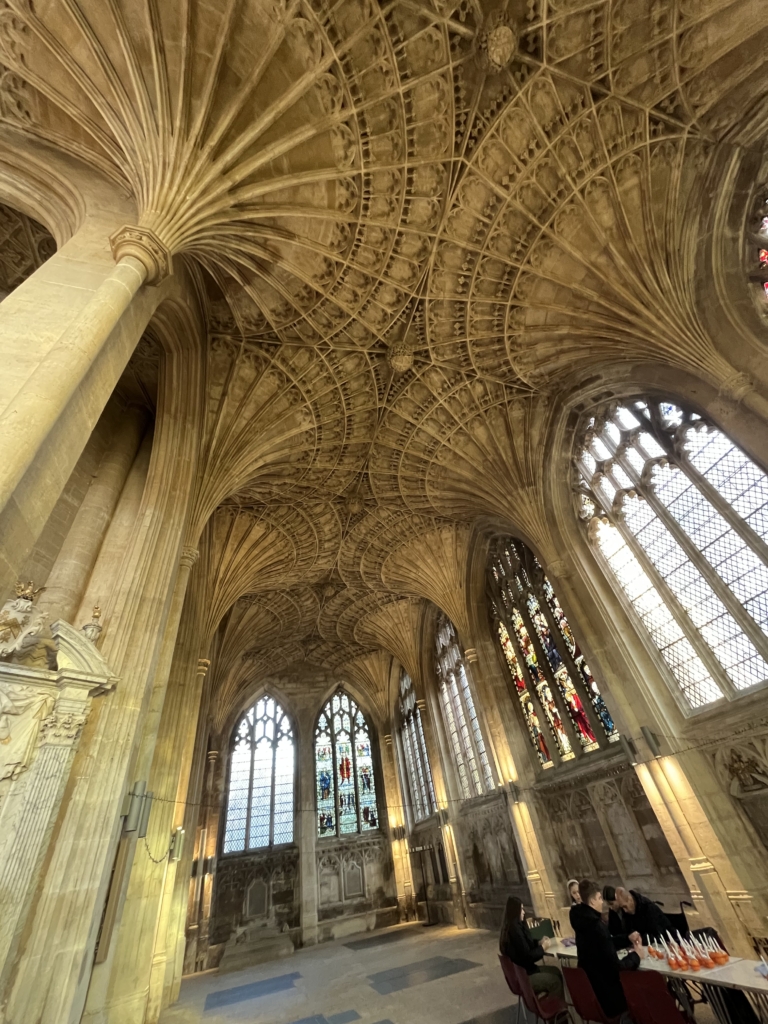
Donor journeys – medieval pilgrimage style
A donor journey is a map of how you reach donors and might in a simple form look like this:
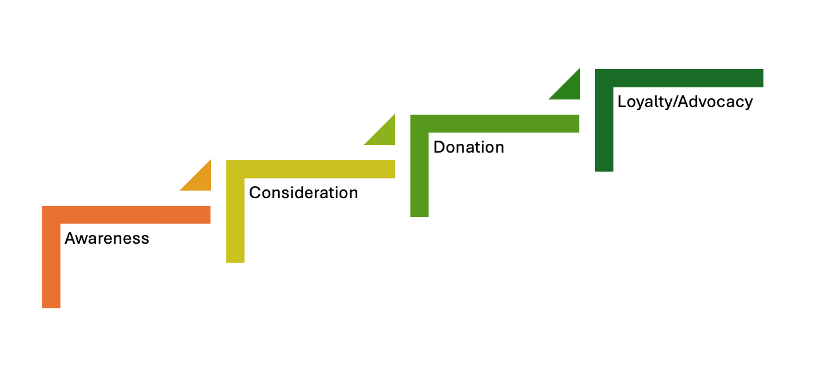
Each charity has their own version (although they might call it something different) and it may have more, or fewer steps in it.
And yes, it can be an oversimplified way to describe to a more complex and intricate process. But is a useful visual aid to think about the donor’s journey.
How does it stack up when we apply it to the medieval pilgrimage & how they raised money? And, how does thinking about medieval pilgrims help us fundraise today?
Let’s take it one step at a time
1. Awareness
How do people become aware of your charity? Your needs? And how you are trying to make the world a better place?
Most donations come because someone was asked.
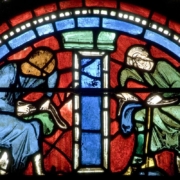
For medieval pilgrimages the pulpit was the place where awareness of pilgrimages was raised. Regular sermons would have told the people about the benefits, opportunities, and spiritual rewards of such a journey.
There is a useful lesson for fundraisers here about repetition. It may not be every sermon that pilgrimages were mentioned, but the benefits were often repeated, and so awareness was raised and reinforced.
Every second our brains are receiving millions of messages, but they can only hold a small number of facts at any one time. When something is repeated, we get better and quicker at processing it – our neurons rewire to process it faster as we become more familiar with it. This is called repetition priming, and it helps us process ideas better and more fluently.
Why else is repetition important?
Although you may very carefully craft your fundraising copy, or in the case of the pilgrimage – the sermon – people don’t read every word (sorry), or listen to every word you say. Repeating the message often makes sure that one of the repetitions get through. It should not be an exact word for word repetition, but a variation on the theme – as a different nuance, metaphor or example might be the thing that catches the eye, or ear, of heart of your potential donor.
So, keep repeating your messages and your asks for support in your communications to make people aware of the need. The repeated exposure to your message will make it easier for your supporter to process what you need and what you are asking of them.
Repeat the message
(did I say that already?)
2. Consideration
After a donor is aware that you exist, they start considering and researching more about you – and to understand why they should give you their time and treasure.
For a pilgrim this might be talking to other pilgrims about the experience, a donor nowadays probably uses your website, the news, your social media feed.
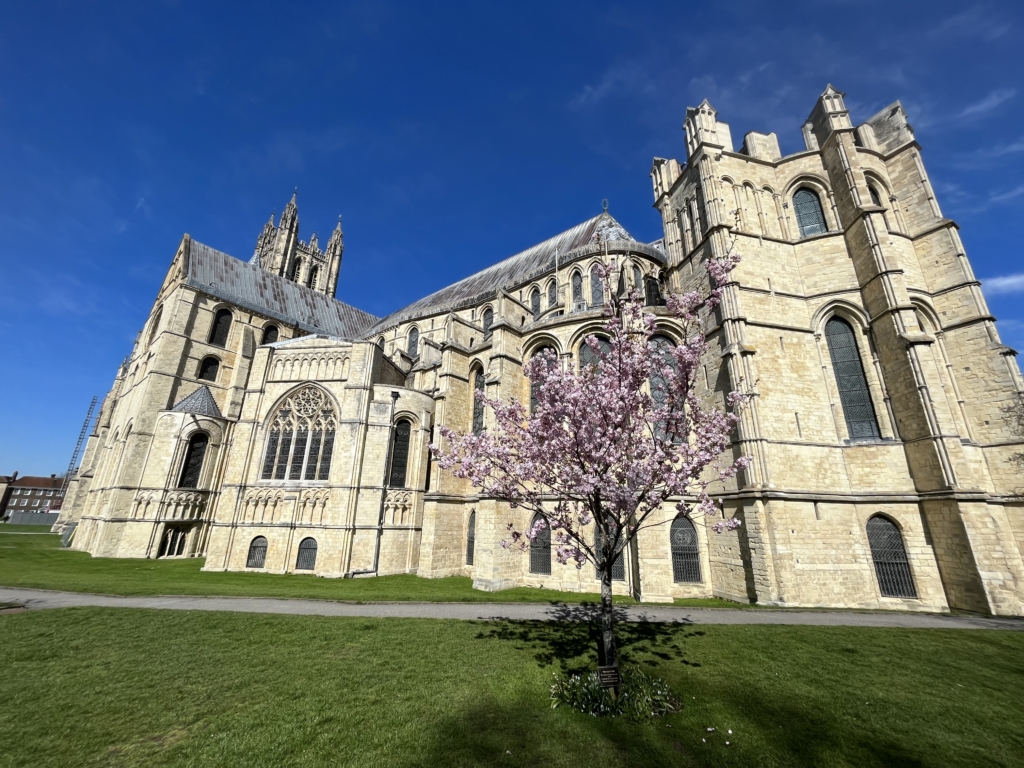
Now embarking on a pilgrimage was an expensive undertaking it might take days (4 days walk from London to Canterbury where St Thomas A Beckett was murdered and buried), but pilgrimages to the Holy Land could take up to a year. So, you needed to be able to afford to get there (and back) and it would involve sacrifice, planning and thought.
Donor segmentation
Certain pilgrimages routes attracted certain types of pilgrims.
In fundraising it is important to segment your donors and appeal to what appeals to them, to know your target market. The medieval church did the same and certain pilgrim sites were favoured by a subset of pilgrims – the shrine of St Foy was known for giving protection to French crusaders heading out to Spain, Walsingham in Norfolk for its royal visits with Henry III visiting twelve times (& every subsequent king of England visited including Henry VIII), whereas the Holy Rood of Bromham attracted more ordinary pilgrims.
Like deciding on the right pilgrimage and how long or expensive it might be, the donor needs to consider what is the right donation for them. In order to make a donation, your donor might need time to think about it and if it is a significant commitment then find, or save the resources necessary.
- How can you segment your donors, and your asks to suit their capacity and interests?
3. Donation
By going on pilgrimage, you were committing to donate, and not just once but many times – on the journey as well as at the pilgrimage site.
The pilgrimage routes took you to, and through other churches and shrines, for example, Toulouse Cathedral made use of its location on the popular St James of Compostela pilgrimage route to maximise its donation opportunities and income.
Once you reached the pilgrimage site there were plenty of opportunities and expectations to give. The East End of Canterbury cathedral had five donation boxes on the pilgrimage route around the cathedral (Again we see the importance of repetitions and mere exposure effect – we need to be reminded, repeatedly asked and exposed to the behaviours we want donors to adopt).
But also it is important to be asked for gifts and not just assume that the mere exposure effect will work – in Basel Cathedral a lay petitor would say in a loud voice when the cathedral opened ‘Donate to the construction of Our Lady and earn the great indulgence and great pardon’
- How is your user journey or website reminding and giving repeated opportunities to give?
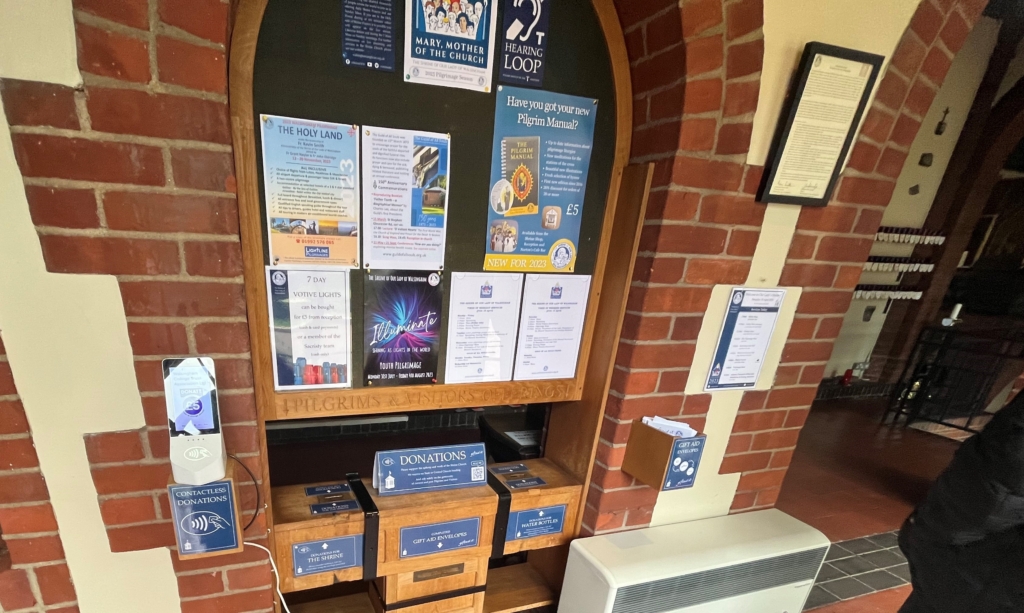
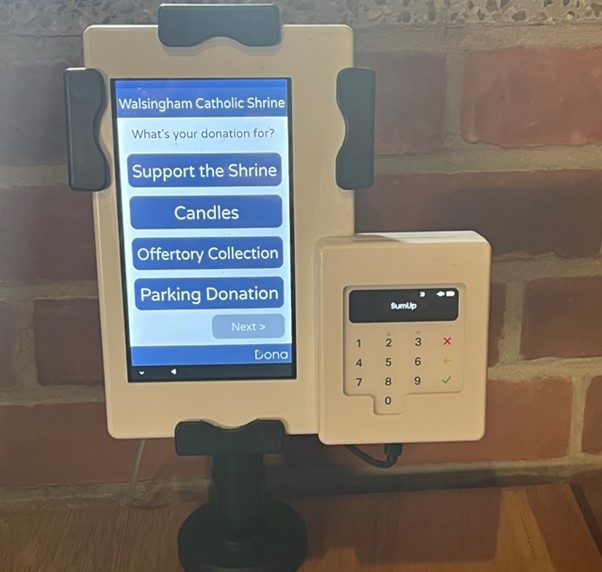
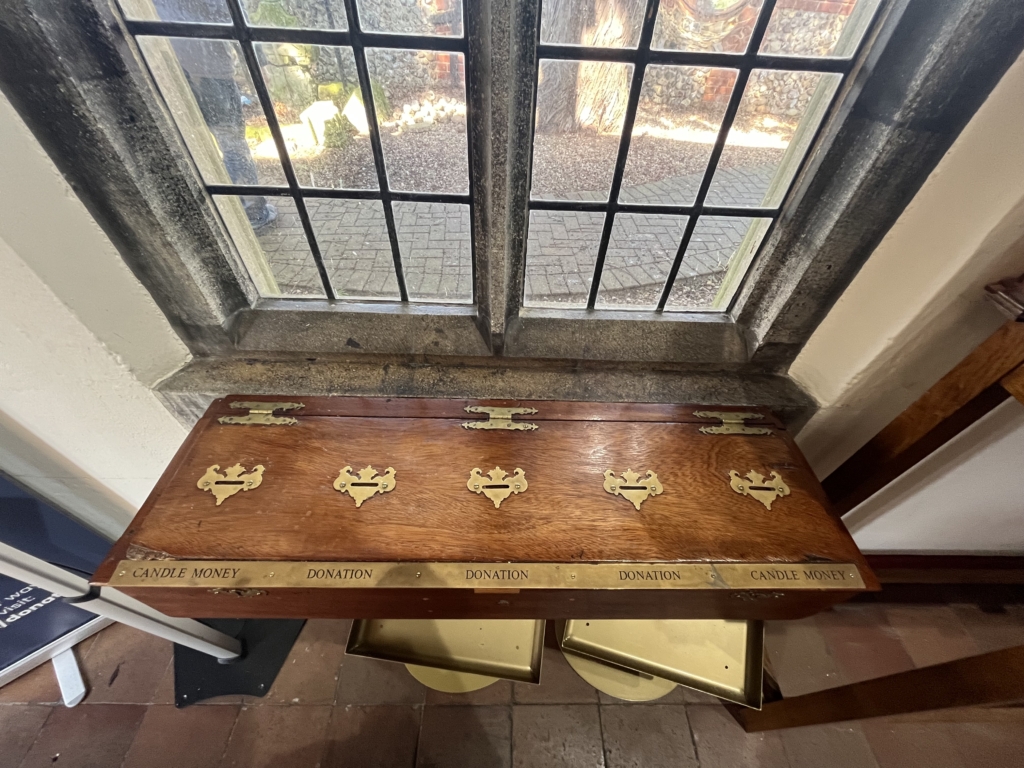
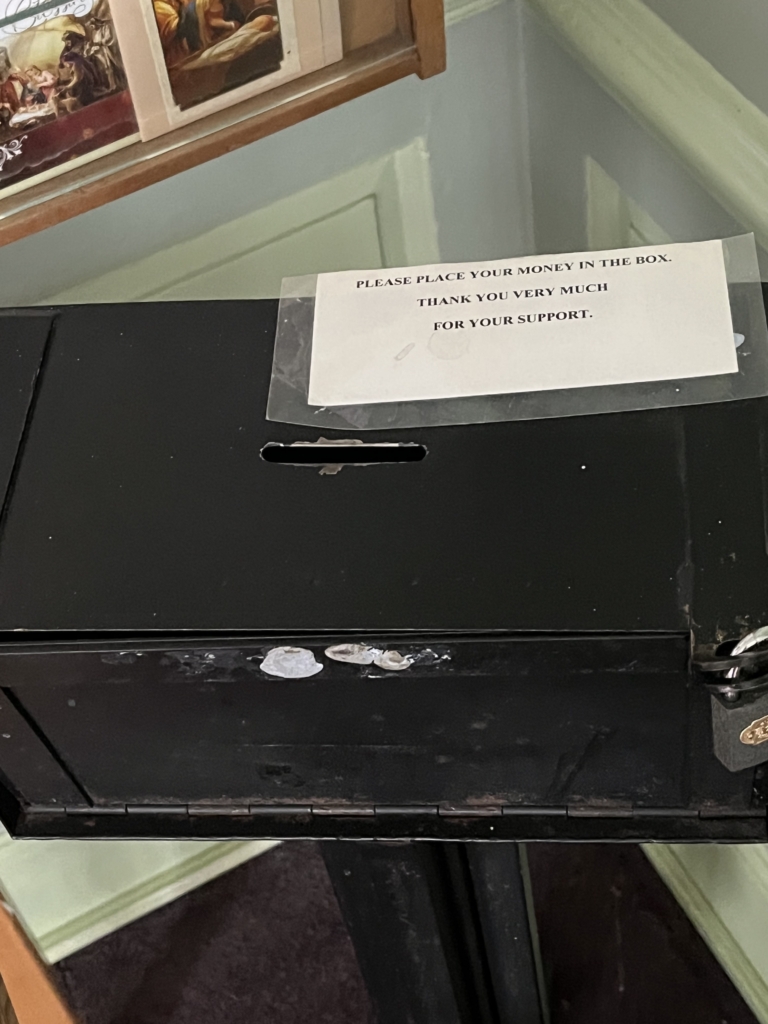
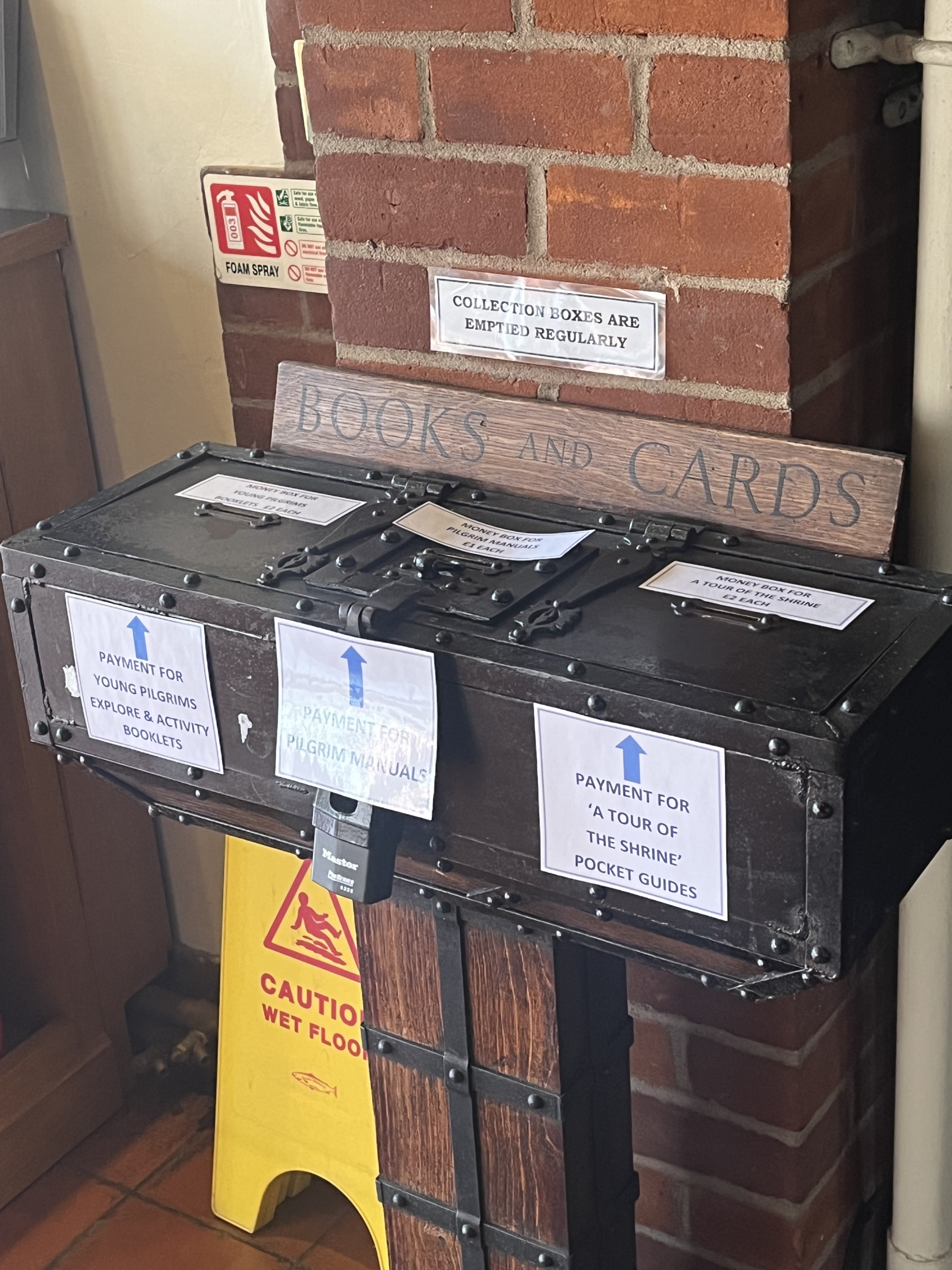
And how do you encourage more donations at the site?
How we think about money – Mental accounting
One way to get your pilgrim to spend more money (on top of the donation) was through fairs where pilgrims could spend time, buy food and enjoy themselves. Events fundraising and paying a premium to be eating, drinking and supporting a good cause has been around for thousands of years. In 1248 there was a 15 day fair to accompany the moving of Edward the Confessor’s body to Westminster Abbey – to maximise the opportunity all other local fairs were banned (the importance of that exclusivity clause in your donor agreement!)
We use mental accounting to allocate our money – our charitable gifts, our religious duty, our food expenditure or leisure and pleasure budgets. Whilst donations on the pilgrimage route, or in the church, may have come out of the religious duty or charity mental account – additional money spent at the fair would come out of leisure and pleasure account. So you get two bites of the cherry.
- How can you provide different ways for donors to give that come from different mental accounts?
Social proof by testimony
As part of the journey around the pilgrimage route around the shrine there were often individuals testifying to the power that the saints have made in their lives through cures or prayers answered. The person who delivers the story (fundraising or miraculous cure) has a huge power and influence – if we see someone like us – the same gender, from the same place, with the same accent, the same age, the same profession or identity doing something – and they are a likeable and credible person – that encourages us to believe what they say, and do what they ask. This offers a strong social norm for us to follow and be shown to work effectively in fundraising. This example comes from academic research and shows the real power of social norms when ‘people like me’ are used
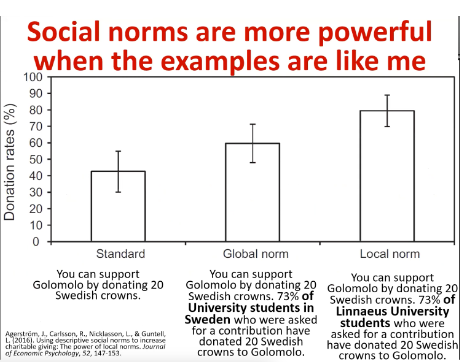
If we match the messenger to the donor we will increase the success rate.
- How can you tell the stories of the impact of donations to encourage more gifts?
- How can we demonstrate that donors like them give?
4. Loyalty/Advocacy
Donors can be your best and most powerful advocates.
One way to help them demonstrate their loyalty and live out their identity as part of your tribe is through merchandise – and the medieval pilgrim market had this covered with pilgrim badges. These could be bought as souvenirs to demonstrate your identity as a pilgrim, to show you had been on pilgrimage and helped also raise additional funds (and come from a different mental account!) You wore them on your cloak or hat, put them in your prayer book or could nail them up at home. They showed to the world that they had been on pilgrimage and what tribe they belonged to. Each shrine had its own badges so you could collect them from various shrines demonstrating your piety and connection.
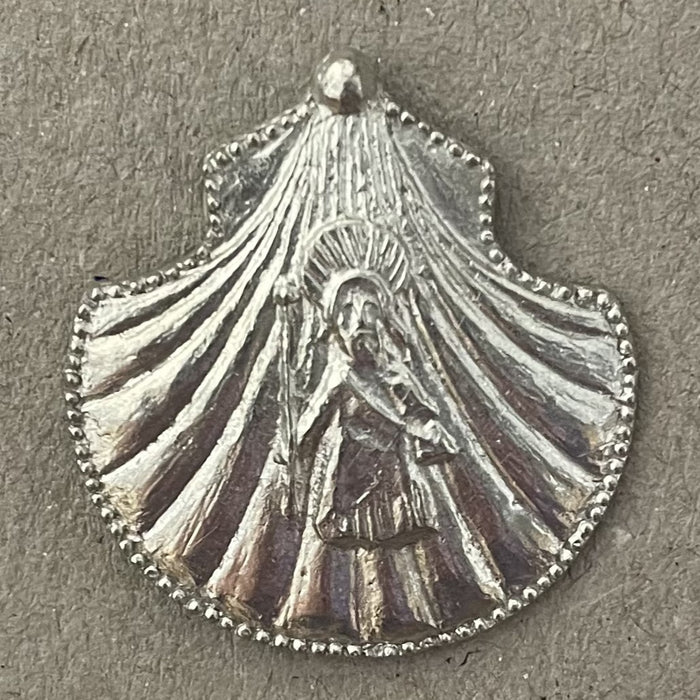
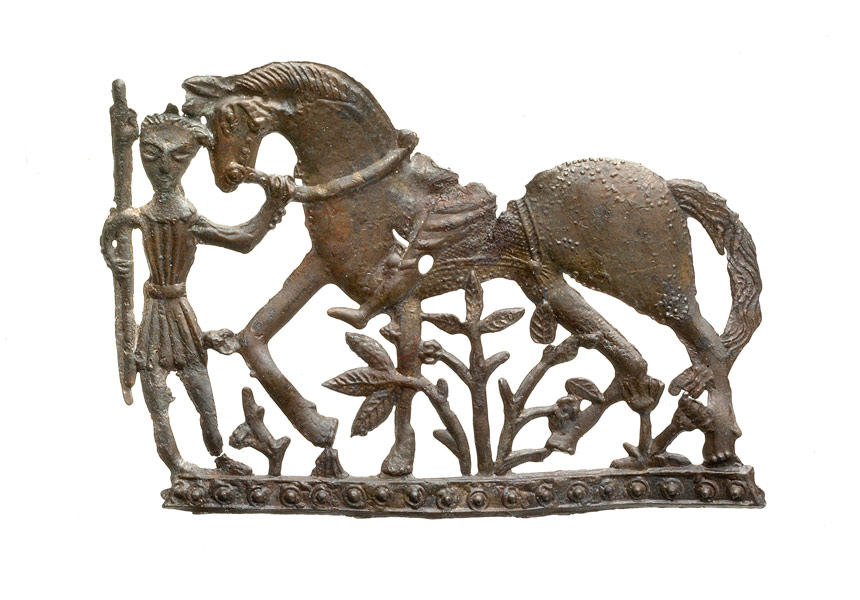
- How can you find ways for your donor tribe to demonstrate their loyalty?
By looking at medieval pilgrimages and how they raised funds, we can see some applications that can be used in our fundraising today. So
Repeat the message.
- Segment your donors.
- Target them with special offers.
- Use powerful testimony of messengers like them.
- Show the impact of gifts.
- Provide opportunities for them to spend from different mental accounts.
- Find ways for them to demonstrate their loyalty.
- Repeat the message.