
Cash or card?
New research shows how people choose to pay strategically with cash or card. And that people use cash to forget ‘guilty’ purchases. How could this research apply to giving to charity?
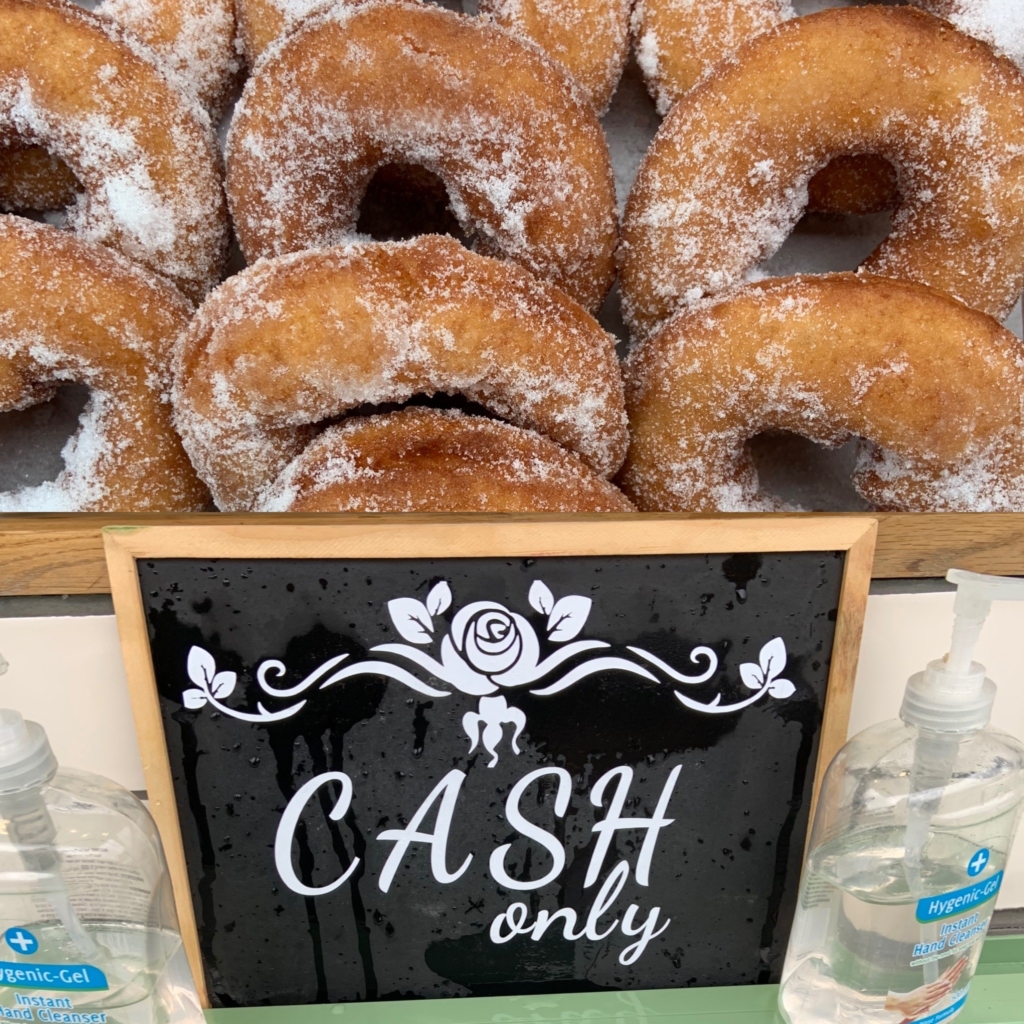
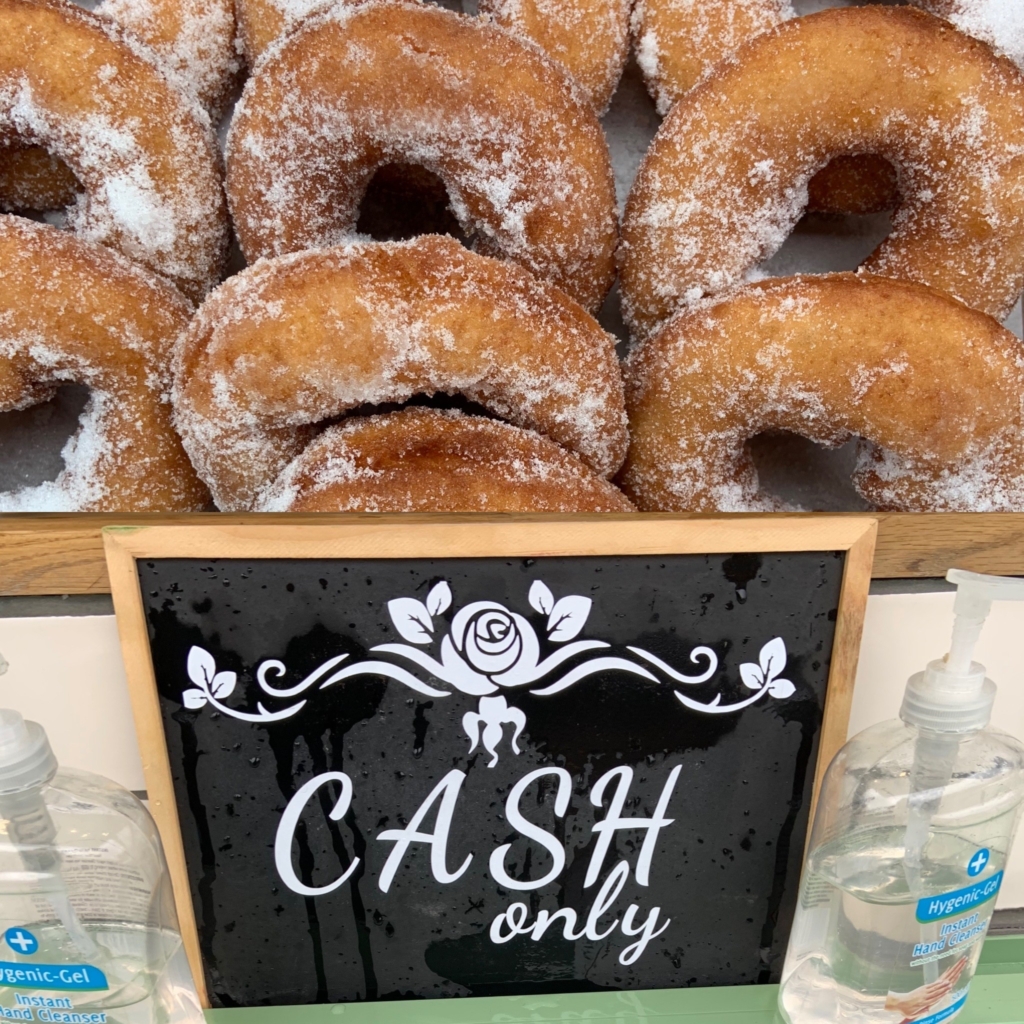
The research from the Notre Dame found that when people were paying for things that they found difficult to justify (a donut, an expensive bottle of water) or felt a bit guilty about they preferred to pay cash – this was less traceable, and they could forget the indulgent purchase. When there was no need to justify the purchase, they were happy to pay on a more traceable method (card/cheque).
This research was used data from over 100,000 transactions and then was verified in laboratory experiments.
Mental accounting
Richard Thaler, one of the founding behavioural scientists developed the concept of ‘mental accounting’ – that individuals classify pots of money differently according to their own systems and therefore are prone to irrational decision-making about money. Essentially all money is money and could be treated the same, but we create mental pots to spend on certain things and in certain ways. Thaler gives the example of how we think about a tax rebate as a windfall – as extra ‘found money’ that can be used for treats. We do not allocate it to tax refund for taxes we have already paid.
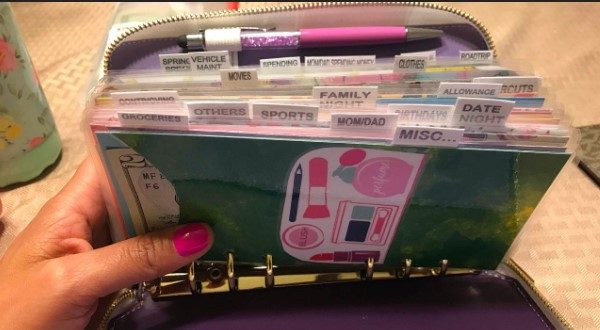
A recent TikTok sensation known as ‘cash stuffing’ saw people take the mental accounting literally – and take their salary out and put amounts in different envelopes for different reasons (rent, treats, food etc.,)
This research suggests that the classification system seems to extend into the form the money takes – ‘real/cash’ or ‘plastic/digital’. We think about it differently. We use it differently.
It suggests that vendors who are in the ‘guilty treat’ category could benefit from being cash only (or cash dominant.)
With the pandemic and advances in technology use of contactless payment methods increased. Jenny Roper, Head of Insight at Kinetic said at Nudegstock that for a behavioural change to become normal the disruption has to be significant and long lasting. When major terrorist incidents disrupted the public transport network the changes in transport uses were short-lived. It seems that the pandemic was a not a significant enough disruptor to totally change our attitude to and use of cash.
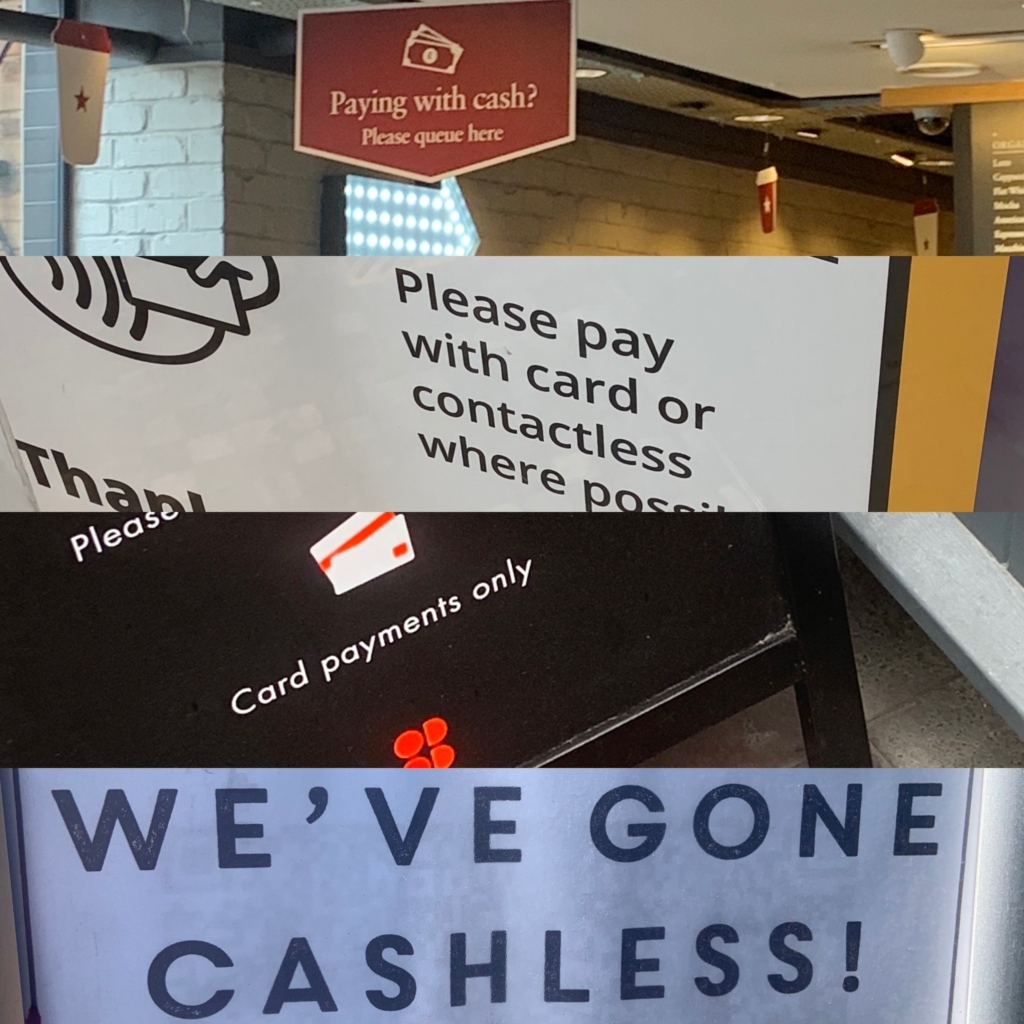
Many places are resolutely cashless.
But is that helping or hindering us as charities?
And how people can choose to make donations.
How is cash or card working for charities – a real world example
We recently did a post-show collection at the theatre. Participants from our award-winning ENO Breathe programme which uses opera singing techniques to help people recover from long Covid were performing lullabies that they had written on stage before a performance. Afterwards two participants spoke about the personal impact of the programme on their lives and journey towards recovery. Audience members were invited to support the programme with a donation – there were flyers on all seats, with a QR code, a vanity/slug URL to donate and cheerful staff inviting them to tap to donate on the way out.

But people still wanted to give cash (and we are fundraisers so of course we took it!)
About a tenth of the financial value of the donations that night was in cash. We had made it as easy and as friction free as possible to donate digitally – but people still wanted to give cash. To give cash was harder, they had to ask ‘do you take cash?’ and become involved in a more substantive interaction than simply tapping a contactless box. Those wanting and donating cash were generally older than those who tapped to donate.
How does the strategic choice of payment work when donating to charities?
It would be interesting to see this University of Notre Dame research could be extended and how strategy about payment method (cash/contactless) applies when people think about donating to charity? And how it plays into our mental accounting of our spending?
Are cash donations to charity the impulse guilty ‘treats’ that we don’t want traced? Like the ‘reward’ of a donut are they giving us that dopamine hit? This could imply a more instinctive ‘system one’ approach to the gift – and maybe for smaller amounts. Is cash more like Thaler’s ‘found money’ and able to be used on a whim? Or is cash in our mental accounting already a sunk cost that we have somehow mentally spent it as soon as we have taken it out of the ATM?
The need for it to be a traceable and receipt transaction perhaps implies it is a more effortful and thought through decision (a more system two reaction?) and might apply for more to more significant financial gifts.
Risks of annonymous giving
Of course, one side of cash giving is anonymity – the risk of money laundering, the foreign billionaire with a suitcase full of cash seeking to curry favour, or the risk of anonymous cryptocurrency. Fundraisers need to know the source of the funds for due diligence and acceptance of gifts. With both cash or a tap-to-give way we are not building a relationship with our donors. Building that relationship is so important for fundraisers as we want to thank our supporters, thank them, tell them about the impact of their gift, stay in touch and build a relationship with them, and ask them to continue supporting.
There is much more than can be explored, tested and learnt about the strategies people use to pay or donate.
When you donate – do you donate cash or contactless?
See previous blog on reactions to cash during the pandemic.






Leave a Reply
Want to join the discussion?Feel free to contribute!