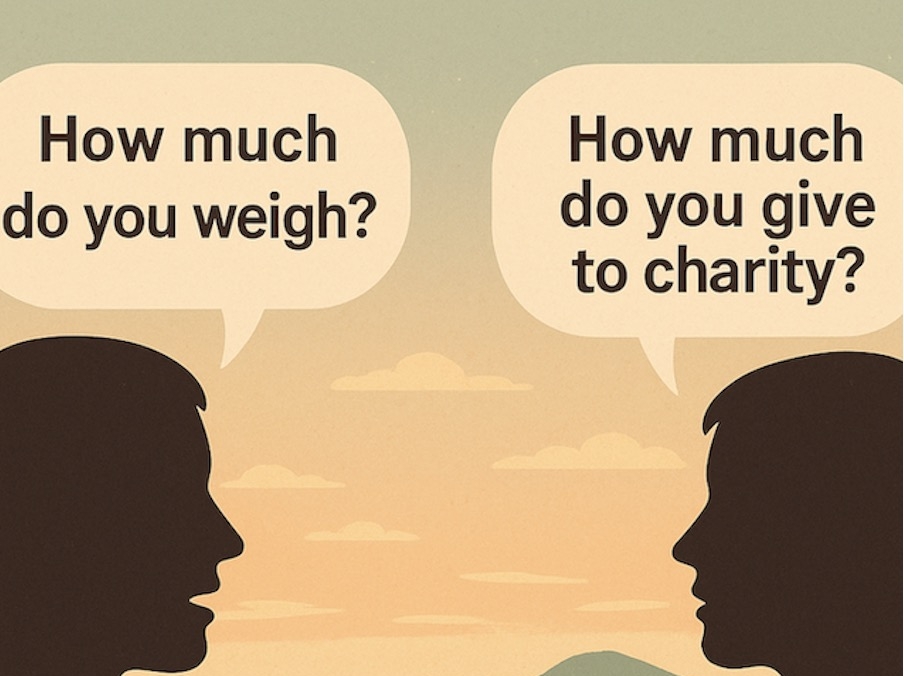
How much do you weigh? How much do you give to charity?
Rather personal questions.
What about a more socially acceptable one….
What are you doing for your birthday this year?
And what if we combine them?
Are you going to be publicly weighed and then donate the equivalent of your weight in grain or gold to charity?
What?
There is an ancient Hindu ritual from the first century where individuals were weighed and made a charitable donation equivalent to their weight in grain or gold – this is known as tulabhara and often people did it on their birthdays.
There was a custom to weigh the king on his solar and lunar birthdays in precious stones (and in diamonds for a diamond jubilee) and the jewels sold and monies given to charity.
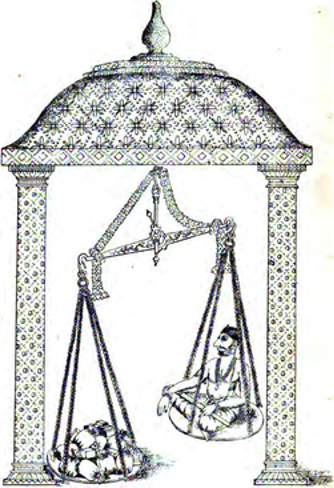
You can see the ceremony from 1946 on this newsreel https://www.youtube.com/watch?v=IEkdZlWCd4I&t=116s
We see it in sixth century in Europe in the writings of Gregory of Tours which also records the tradition of weighing a donor for gifts (known as ponderito). This is also done as a thank offering for recovering from being sick.
A few historic birthday fundraisers
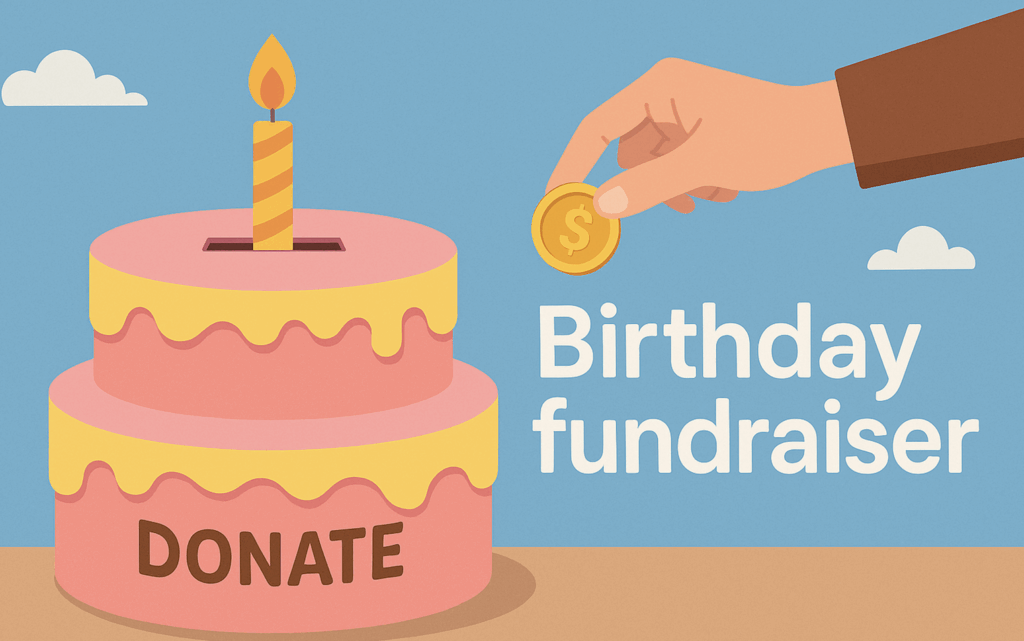
Since Facebook introduced the birthday fundraiser in 2017 other social media platforms have followed suit, but here are a few other historical birthday fundraisers.
Charities tend to focus on their birthday and anniversary campaigns rather than the birthday of the donor, or anniversary of their giving.
Some historic birthday fundraising examples include:
- Edward I on his son’s fourteenth birthday fed fourteen hundred paupers, and when his son was seventeen, gave alms to seventeen hundred people
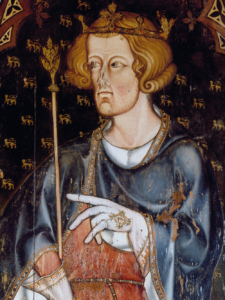
- Edward III on his 50th birthday fifty poor men get shoes to celebrate
- It was not just in life that birthdays were celebrated, you could specify an act of charity to occur annually on your birthday like a dole of bread to the poor, which is what Elizabeth Nickus did in her will in nineteenth century Bristol.
The Happy Birthday League
Celebrating your birthday with a philanthropic gift was a Children’s Union giving circle called the Happy Birthday League. It was raising funds for the rebuilding of St Nicholas’ Home begun in 1904.
The League involved signing a form (to show your commitment) and donating 1 shilling on your birthday “as a thank-offering for your preservation during the year that has past.”
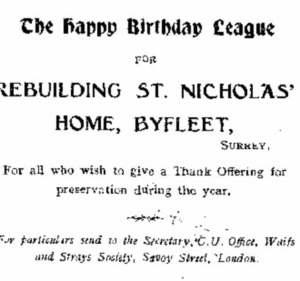
Each issue of the monthly magazine ‘Brothers and Sisters’ listed new members and the total members to date – demonstrating both the momentum of the campaign, and that it was as social norm for your peers to join. Listing celebrity patrons such as Dowager Countess and other titled people gives status to the membership as well.
You are never too young to start giving – the campaign encouraged you to sign up a baby before their first birthday.
You were also encouraged to those that were dead – “People are and also sending offerings with tender thoughts of those who are at rest.“
With birthday cards you send to friends you were encouraged to send a leaflet inviting them to join as well – a strong peer to peer ask!
Within six months they had over 7,000 members.
What might be going on in a donor’s brain here?
Part of this is because there are just numbers that mean something to us, and our identity – and our birthday is one key personal date, and our weight another personal part of our identity.
How can donors help construct personal stories about the gifts they give?
Sometimes as charities by not giving donor’s choice we can cause reactance – when we react against being told what to do.
So when we are talking about us, and our charity, and our anniversary we disengage our donor, and they start to ask ‘so what?’ Sometimes the list of giving options does not give us the option we want – the options are too small and not meaningful enough, or too big and beyond our capacity.
When we give our donor autonomy and empower them to make a choice they can make gifts that are more personally meaningful to them.
However, how this choice is presented is important. We need to provide a structure. If it is too open an offer – such as ‘pay what you feel‘ we might nudge the brain into a system two space and ask ‘how do I feel about this? and what value does that mean I should give? And by pausing to ask these questions we have no frame of reference, and increased cognitive load can stop us making any gift.
The frame of the question is important here.
- How could you give your donor’s more autonomy and choice about how they make a gift and how much?
- How can you invite them to make gifts that mean more to them? How can you provide a useful frame?
- How can you use important dates to your supporters to become giving opportunities?
- How can you make it about them, not you the charity.
- How can you get your supporters to be ambassadors for you? they are already super fans, and can act as great ambassadors with their networks to find others to support you.