
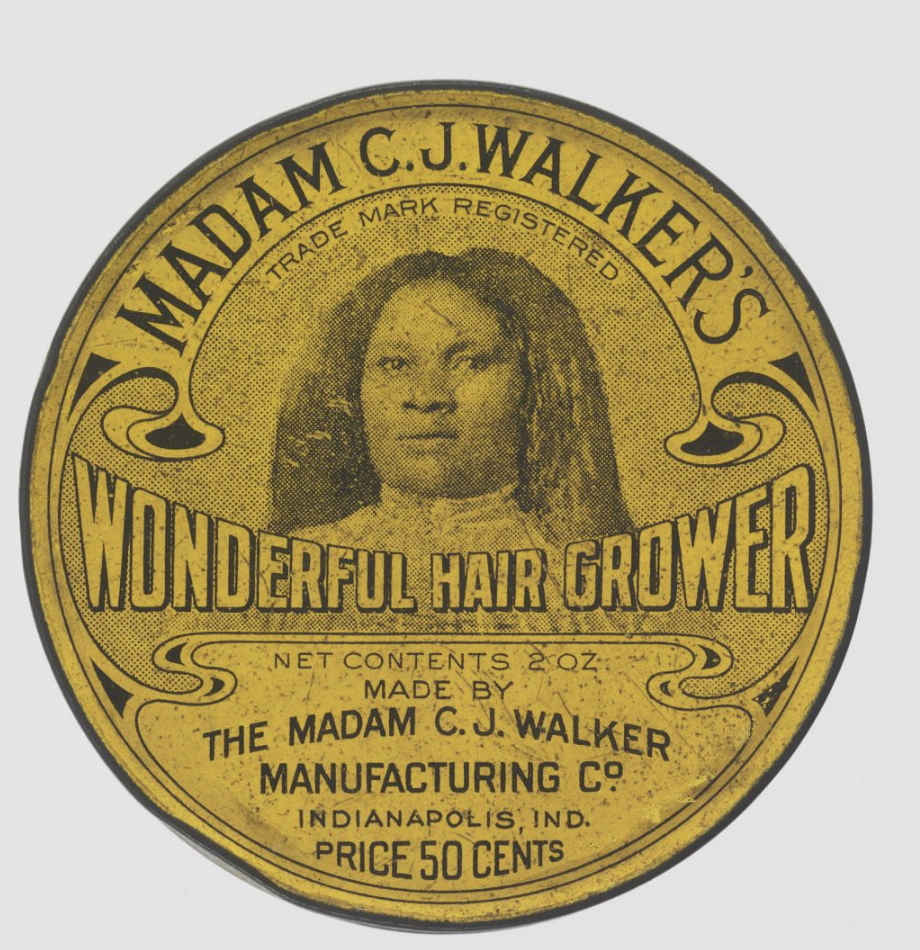
10 things legacy and in memory fundraisers can learn from Madam C J Walker
“wills are not only legal documents but also personal stories and lasting legacies. They are personal narratives and direct instructions.”
Tyrone McKinley Freeman
Madam C J Walker was a noted philanthropist, activist and business entrepreneur becoming American’s first self-made female millionaire. Her will has often been used to discuss her attitude and approach to philanthropy, but the will only records the monetary gifts and her philanthropic approach was much broader than just giving donations – you can read more about her philanthropy here as “her life was her treatise on philanthropy”.
Looking through her will, here are ten things to think about in your legacy and in memory fundraising.
1. Giving as identity and looking back
When making a legacy gift to a charity, donors are often looking back over a lifetime and selecting the causes or charities that have been important, that have helped them and that they want to say thank you to and pay back in some way. The importance of family, faith and the causes Madam Walker supported in her life are well represented in the 19 charities that received charitable bequests in her will.
Supporting a charity in life is a strong indicator of where legacy supporters might choose to give gifts, but it is the ones that link with their personal story and life events that might be the stickiest. Madam C J Walker had been an orphan, widow and a poor washerwoman, supported fed and educated by a range of female led African American clubs and her in life and in death giving reflect these causes.
- How do you connect with your donor’s life story? How can you empower to tell that story and connect their giving to you as part of their identity?
2. Looking forward – an extension of self
Legacy gifts are also about how someone wants to be remembered and the gifts in wills can be seen as “a desire to invest one’s substance in forms of life and work that will outlive the self” (Kotre, 1996) and extend the self forwards in the gifts being made. With the choice of charities to receive bequests Madam Walker was extending herself and her values forward.
- What is your legacy vision? How are you helping a donor to extend themselves forward through the vision of your charity?

3. Wills – as public or private documents
In the UK we tend to think of wills as personal and private documents and do not ask legacy pledgers to disclose the details of what is in a will.
But a will tells a life story, and although a private document in life, on death it becomes more public and the contents known by the beneficiaries – family or charities.
Madam C J Walker knew that her will would be a public document and the distributions and gifts she chose to make public.
“women have historically used their wills to portray their respectability, honor and social status to society as well as to generate their public image”
Tyrone McKinley Freeman
There were deliberate choices about the charities and the bequests made that aligned with her approach to philanthropy and the causes that were important to her.
4. The power of codicil
When Madam Walker knew she was unwell in 1919, she amended her 1917 will with a codicil. She used this to add in additional pecuniary gifts to charities already supported but also to add in financial gifts to more charities especially those run by other African American women and less supported by other philanthropists.
- Adding a codicil is a way to formally and legally add additional bequests to a will that reflect changes. It is useful for gifting money but not residual gifts (it messes up the maths!) As we can see from Madam Walker they reflect additional gifts to charities that she cared about in her life and how these evolved over her lifetime. Donors can also add a letter of wishes is a more informal way to capture the changes that they might wish to make. With either a codicil or a letter of wishes it might be a great way for a donor to add in a financial gift in their will.
5. Too much money can be an issue
Booker T Washington’s Tuskegee Institute received a legacy pledge but in her codicil she notes that because it is “so bountifully provided for” she will not add in another gift. At the time it had an endowment of $2million.
- How can you show you need the money and will spend it wisely if you already have large endowments and funds?
6. You can’t always get what you want…
In her will, all of Madam Walker’s unallocated stocks and shares were gifted to create a Tuskegee Institute in Africa and if no such Institute existed at the time of her death then $100,000 was pledged to establish it. No such Institute did exist when she died and during probate this clause was deemed null and void because of it.
7. Ambition vs reality
Madam Walker wanted one third of her estate to go to charity but debts and Walker Company expenses meant that in the end only 10% went to the causes in the will.
- Remember – you cannot count on the bequest gift until other items in the will have been given. With a residual gift this could work in your favour.
8. But if you try sometimes, you get what you need …
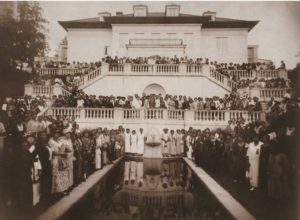
In her will she wanted to endow Villa Lewaro – her mansion – to be a “a monument to success” and give it to the NCAAP (National Association of the Advancement of Coloured People) as a memorial. Her will states she never wanted it to become an orphanage, old people’s home or school. The Villa was sold during the Depression due to rising costs and was actually used as an old people’s home. However, in 2018 Richelieu Dennis bought the villa and established an African American think tank there – Richelieu Dennis’s company Sundial had bought up the Walker Company.
- Donors can sometimes suggest legacy gifts that cannot be honoured – if you can encourage discussions as they make your will you can discuss what might be possible and get them to work with legal representatives to look at how this is wording. Or you can work with executors after the will is enacted to find ways to honour the wishes and intentions and in keeping with the spirit of the gift.
9. Unknown futures
‘Mme Walker lives on in the organizations whose progress she forwarded’
Willard Ransom, Manager, Walker Comopany, 1952
When someone makes a legacy gift in their will they do not know what their gift will achieve or what will happen to the charity they support. At the time of her gifts her manager had concerns about her supporting the NAACP but she was believed in it. The Secretary of the NAACP Walter White said in the 1950s that ‘Madam Walker’s generosity virtually saved the NAACP in the dark days of depression.’
- Sharing and celebrating what other legacy gifts have helped your charity to achieve can normalise legacy gifts and make people realise that it is usual to leave gifts to your charity. They can also demonstrate the impact that gifts like these can have way into the future.
10. In memory fundraising & donor recognition
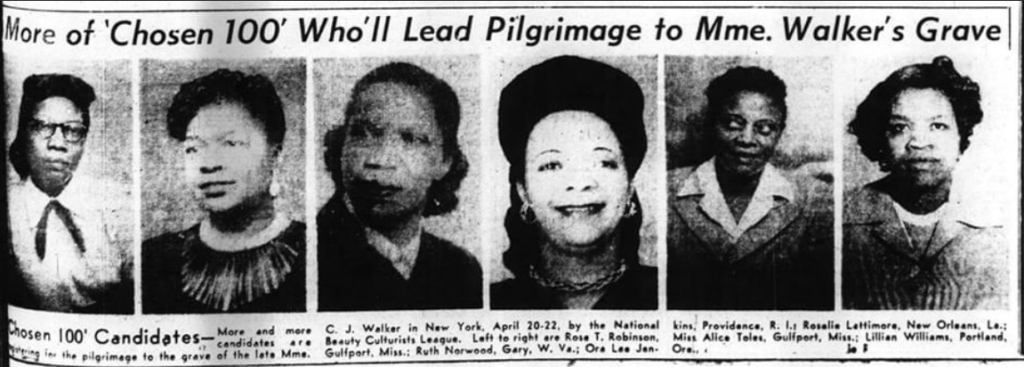
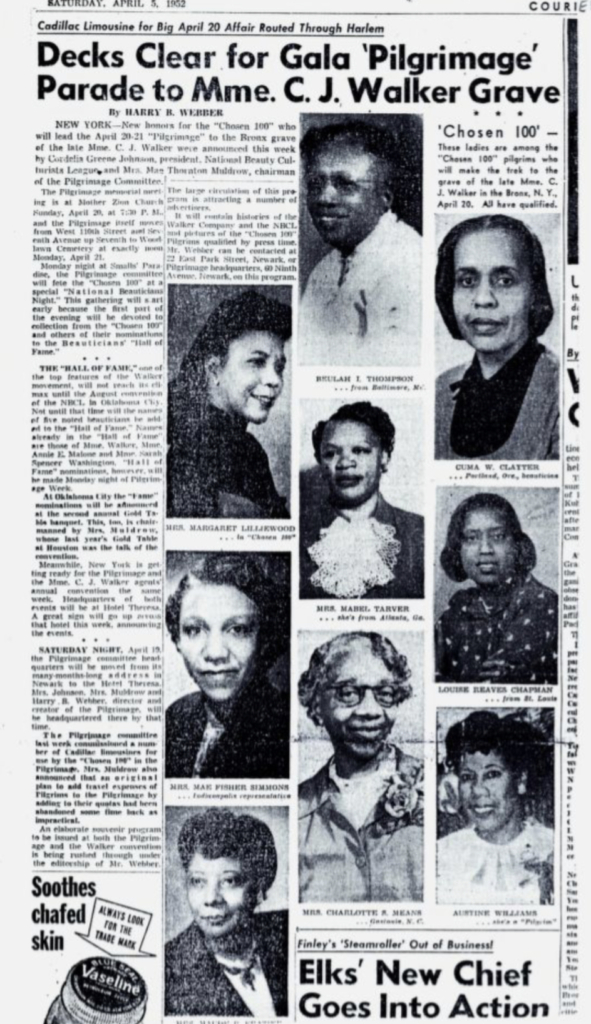
In 1952, 33 years after Madam C J Walker had died a 4 day celebration of her life and work took place with a pilgrimage to her grave. This memorial was in itself a fundraiser, and it had the aspiration to pay off the mortgage of the National Beauticians Home in Washington. At the front of the procession to the tomb were the ‘Chosen 100’. One hundred women who had raised at least $100 to support the event. They wore insignia and sashes – the more stars they had on the sashes the quicker they had raised the money. Following the Chosen 100 were the Platinum, Pearl, Diamond, Gold, Silver, Copper, Red and Blue divisions – all categorised by how much they had made.
Raising funds to complete a legacy associated project of a loved one can be a powerful inspiration.
- 33 years after Madam Walker’s death was not using the hook of an anniversary ending in a 0 or a 5 – but an opportunity to fulfil an ambition
- How can you ignite the passion they have to do more and get involved?
- How can you give you donors status and recognition?
- How can you group them together as like-minded people? Is a legacy club a good idea?
- Those that give in memory gifts for loved ones are more likely to make a gift in their own will how can you help donors celebrate memories of loved ones and bring them closer to what you do?








Leave a Reply
Want to join the discussion?Feel free to contribute!