
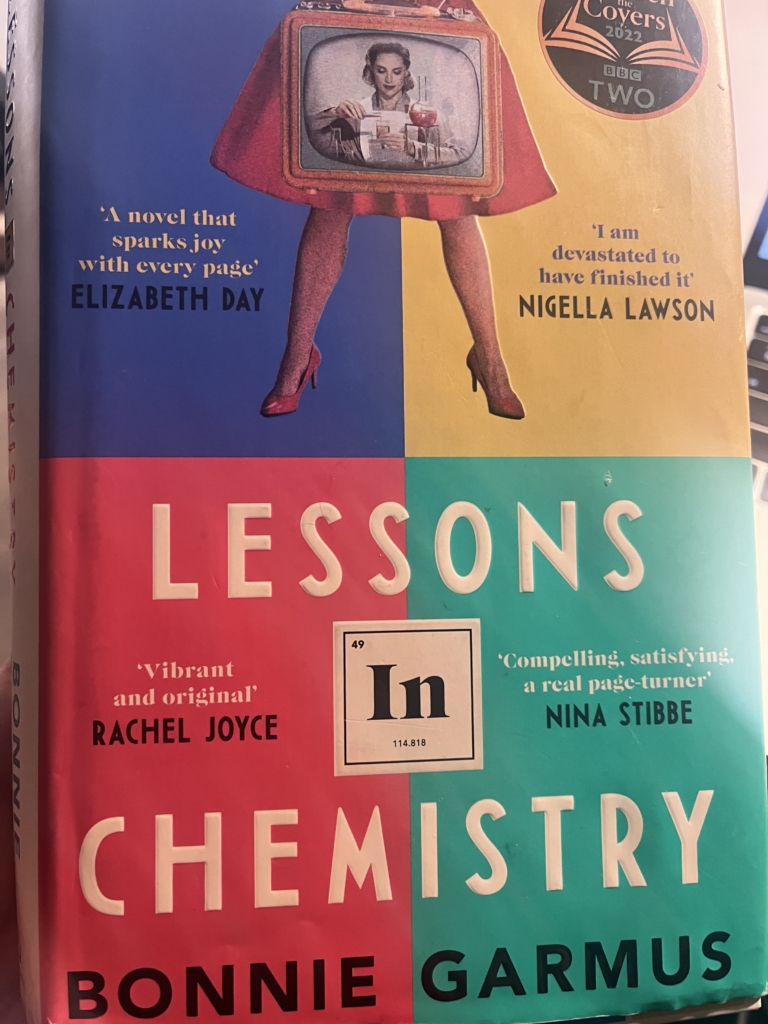
Lessons in Chemistry – Fundraising & Decision Science
Watching Lessons in Chemistry on TV after reading the Bonnie Garmus’ brilliant book last year, made me reflect on the importance of the scientific method and rigour in our fundraising when testing and exploring the behavioural science, heuristics and nudges that we use.
Elizabeth Zott demonstrates in her research the need to be constantly testing, learning, and refining what we do in order to strive to get better results. For Zott cooking is chemistry and on her TV programme Supper At Six she urges tells viewers ‘Don’t be afraid to experiment’ and ‘Take risks’
So what applying a scientific method that look like in fundraising using a decision science approach.
This is the traditional scientific enquiry method:
- Ask a Question
- Hypothesis – predict what the answer to the problem is and what your difference your intervention will make
- Test with an experiment– design a test to confirm or disprove a hypothesis
- Analyse your results – record what happened during the experiment
- Conclusion – was my hypothesis correct? What have you learned?
- Change a variable
- Test again
- Analyse again etc.,
So how might that work for a campaign?
- Ask a Question – How can I encourage more supporters to leave a legacy?
- Hypothesis – if I use a messenger with authority with the charity this will drive legacy pledgers and enquiries
- Test with an experiment– design an appeal letter from this authority figure and test with a segment of your database
- Analyse your results – look at the response rate, click through, open rate, enquiries
- Conclusion – was my hypothesis correct? What have you learned
- Change a variable and create a new hypothesis – if I use a messenger who is a peer like them will this drive legacy pledges
- Test again & anaylse again & test again
Think about all the questions and tests that you can do
- If I use messenger who is a peer and evoke a social norm and and add an incentive is that more or less effective?
- If I use an authority messenger and the scarcity principles is that more or less effective?
- If I use a beneficiary as a messenger to talk about legacies is that more or less effective?
- If I use the reciprocity principle and give a gift to potential legacy supporters, is that more or less effective?
Remember to test one thing at a time, or with each segment of data so you can see which intervention is having an impact.
As well as invoking the scientific method, Elizabeth Zott’s other advice is:
- Don’t be afraid to experiment
- Take risks
Sometimes because our organisations are so reliant on fundraised income we can be afraid to try something different or take risks in our fundraising. Fundraisers cannot just rely on what has worked (or not) in the past, or what is perceived to work in their sector. Many of these tiny changes are small and easy (or free) to apply and test. And tests don’t have to be big – or don’t have to be with the whole appeal – they can just be with a small segment to give you some real world data of what works with your audiences.
So lessons from Elizabeth Zott for fundraising
- Fundraising is chemistry
- Take risks
- Don’t be afraid to experiment








Leave a Reply
Want to join the discussion?Feel free to contribute!