

Philanthropy in fiction
Yawning and laughter are contagious because of ‘mirror neurons’ – basically when we see an action like yawning it fires neurons in our brains that make us yawn. Do we mirror kindness we see in novels? We rarely see charitable giving… … if we saw more charitable giving and philanthropy in novels, would we be more generous?
“Novelists generally make their philanthropists fools”
F B Morey-Coutts in The Times 1884
What are we invertedly learning about philanthropy and fundraising through fiction?
Stories are memorable. People pay attention to stories and learn through stories. When engaged in a story mirror neuron ensure you feel and experience the emotions of protagonist- and add to knowledge of how you would react in real life. They are a space where we imagine, we learn how to behave, how to react, how to explore and what social norms are.
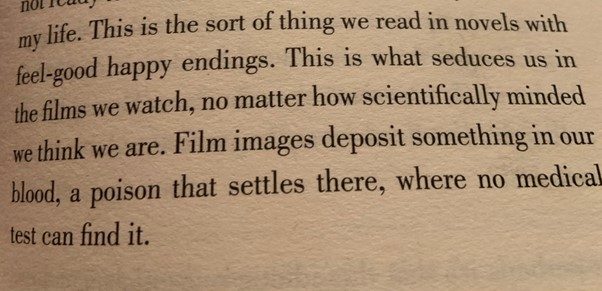
In ‘Hooked’ stories are compared to a Trojan horse – we accept the free gift of an entertaining story but also unknowingly absorb the message.
“opposable thumbs let us hang on; stories told us what to hang on to”
Wired for Story
When philanthropists and fundraising appear in novels what are we then absorbing?
Often philanthropists are fundamentally bad and there is the oft repeated trope of the villain who gives philanthropically to mask their corporate and capitalist crimes. Reputational laundering in both fiction, and the popular press, seems to be a dominating motivation for any charitable donation.
When I started this project at the start of lockdown in March 2020 it was to capture and collate some examples of philanthropy and fundraising in fiction. It has never been a systematic undertaking but rather an odd assortment of half remembered moments from stories, books I have read, poetry and reading with the children, films, tv shows, plays and operas watched (and I am not sure why the Philanthropy in Fiction Twitter @Philanthropyin3 account started anonymously) All of them tell us something about what we think about philanthropy – about people giving time, talent or treasure voluntarily for their own version of public good.
Philanthropy in novels and tv shows tells us about how we want to the world to be, about cultural and societal expectations and understandings of charity – from Jane Austen’s Emma going on a charitable visit to the poor sick families, to Scarlett O’Hara and Melly Wilkes giving up their wedding ring at the charity fundraiser for the Cause, to Biff and Chip raising money for Comic Relief in the Oxford Reading Tree books for primary schools – we are learning about philanthropy in time, in place and aspiration.
Beth Breeze in her ‘In Defence of Philanthropy’ talks about how we don’t like those that give too much or too little (we prefer the Goldilocks effect – not too much, not too little – just right – the middle option). Breeze talks about do-gooder derogation where those that stand up publicly for their values and do them publicly and actively are derided and dismissed as having false motives. Philanthropists, like vegans are dismissed as seeking praise or doing it for the wrong motives.
There are good and selfless and well-motivated, pious, thoughtful philanthropists and acts of philanthropy in novels but they are in the minority. I want to find more.
And continue to share those that I find along the way.






Leave a Reply
Want to join the discussion?Feel free to contribute!