• Link to X
  • Link to Instagram
  • Link to LinkedIn
Marina Jones
  • My Thoughts
  • What I’m Reading
  • About Me
  • Contact Me
  • Home Page
  • Click to open the search input field Click to open the search input field Search
  • Menu Menu

Tag Archive for: novels

What should a fundraiser dress up for on World Book Day?

March 2, 2026/in What I'm Reading/by admin

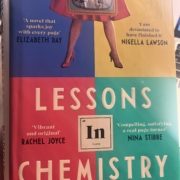
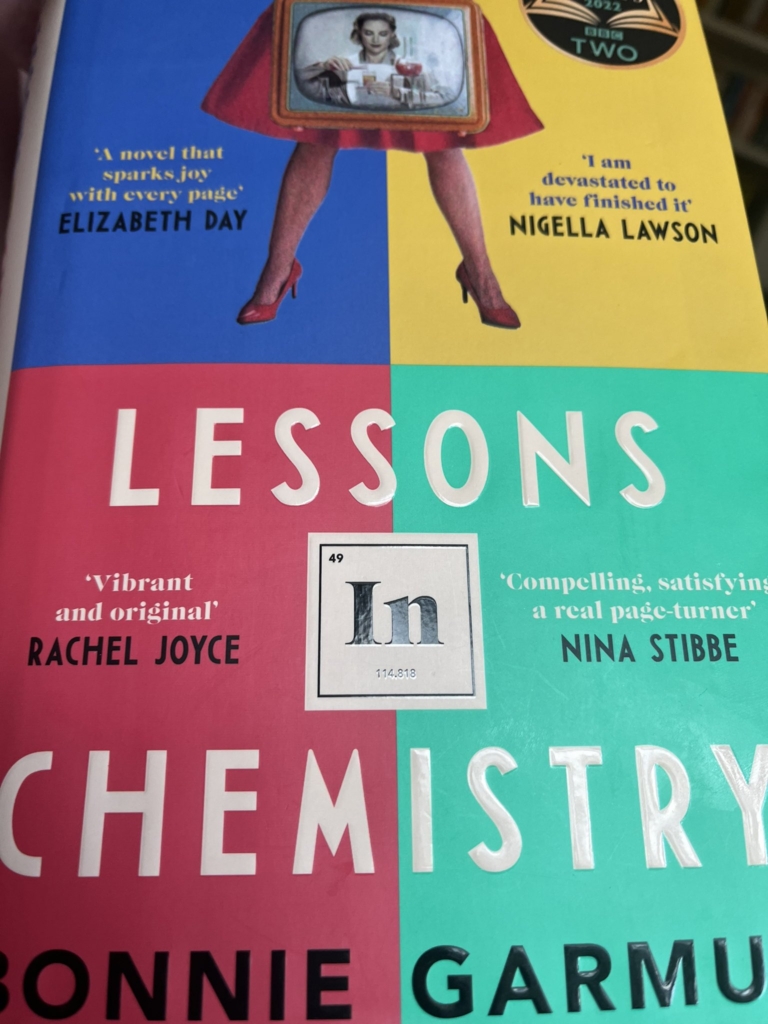
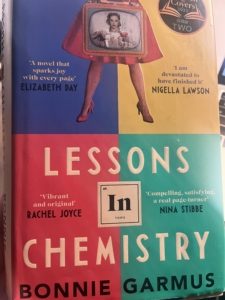
Here is an AI version of me dressed as Elizabeth Zott from Lessons in Chemistry 

The challenge for World Book Day is often finding a character from a book, not a TV programme or film (although this version of looks rather more like Brie Larson in the tv show, that how I pictured her in the book.)

Elizabeth Zott in the book is a scientist who has to battle to get, and keep, academic grants, and fit into the priorities of funders. All the time being undermined by her boss who misleads the philanthropist supporting her work that she is a man and diverting funds from their proper use.  

‘A fairy godmother is just another word for a philanthropist. A rich person who gives money to causes’

Harriet tells Zott’s daughter Mad

Zott’s struggles remind me of a real life scientist, Professor Sarah Gilbert, who devised the Oxford Astra Zeneca Covid19 vaccination who said:

“Actually, raising funds had been my main activity for years… I trained for years to become really good at ‘doing science! .. but… what I actually spend my time doing these days is, mostly, bringing in the money. This [system] can be counterproductive for the cause of scientific research itself… ” 

‘Vaxxers’ by Prof Sarah Gilbert and Dr Cath Green

The other reason I choose Elizabeth Zott is because of her scientific approach – when applying the principles of decision science to fundraising is important to be rigour and scientific – see here for more https://marinajones.uk/chemistry/

So in what other stories do we see fundraisers that we could dress up as – or be inspired by?

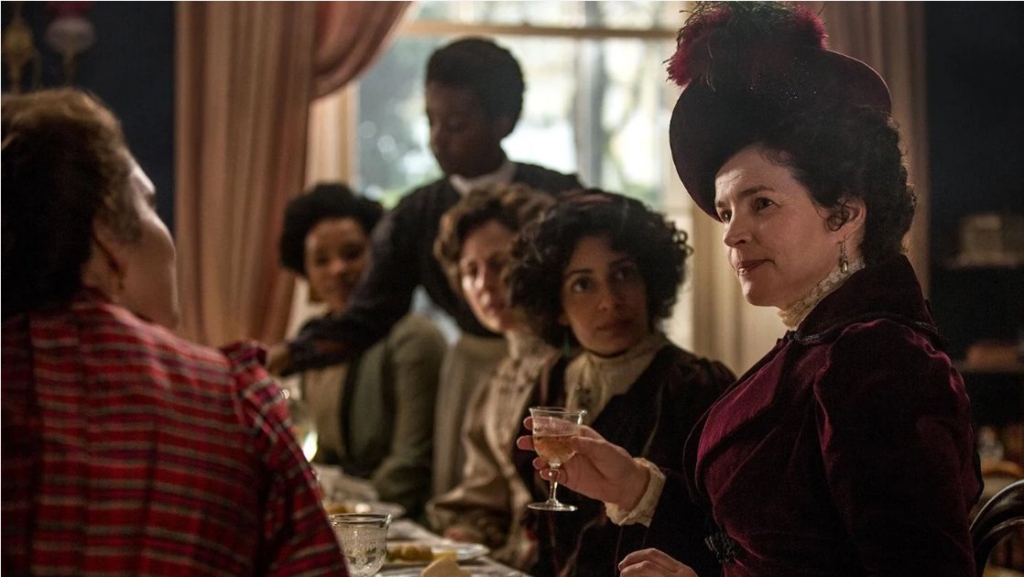
  • So in the words of Tom Lehrer ‘drag out the Dickens’, Charles Dickens novels in Victorian London often feature fundraising activities.
    • A Christmas Carol starts with fundraisers collecting for the poor who are dismissed by Scrooge (and told the poor should die and decrease the surplus population 
    • Mrs Jellaby in Bleak House so concerned for the far away Borrioboola-Gha and assuming raising funds that she cannot look after her own family or needs

For either of these a Victorian bonnet outfit could work for World Book Day.

  • An easy possibly generic costume would be a Girl Scout and girl scouts raising funds via cookie sales could be used.

  • For parents, or those that remember learning to read with them, the Biff and Chip Oxford Reading Tree books could offer the answer – raising funds features in several books
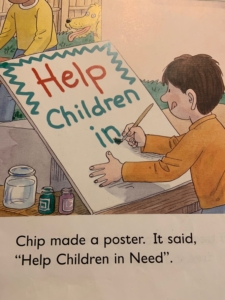
Or do we go with a smart business look and go as Sarah Jane in Janice Hallet’s The Appeal mystery where she uses her professional fundraising skills to coordinate an Appeal for Poppy?

You are what you consume  

Cultivation theory tells us our perception of the world around us is learnt from the culture we consume which we unconsciously mimic and how tropes and exposure to these story impacts how we may think about fundraising. The challenge when exploring fundraising and fundraisers through fiction is sometimes our experience of positive role models can be limiting, sometimes the reputational laundering, nefarious billionaire hiding a dirty secret through philanthropic acts dominates the literary tropes. Although, sometimes perhaps deeper truths are revealed about our attitudes to raising money or money itself. 

So we may quickly run out of positive and easily recognisable or achievable costumes. And move to some more real world types that expose different facets of fundraising and insights into the profession but not always in the best light. 

Some less salubrious fundraisers in fiction

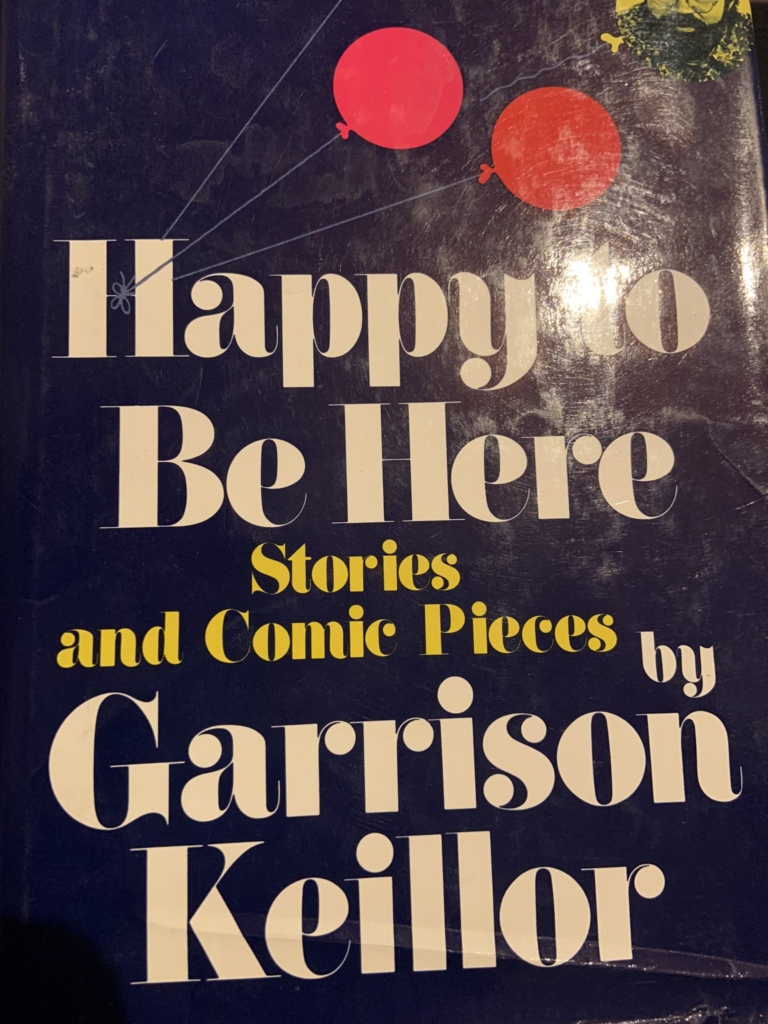
Jack Schmidt, Arts Administrator– Jack turns into an Arts Administrator (fundraising consultant) when private detective work dries up because ‘What your arts organizations need is a guy who can ask people for large amounts without blushing and twisting his hankies’.

The short story begins with this line  

‘It was one of those sweltering days toward the end of the fiscal year when Minneapolis smells of melting asphalt and foundation money is as tight as a rusted nut’  

and includes lines like 

‘Now anyone who can spell ‘innovative’ can apply for a grant … but that doesn’t mean that the bozo who reads the application is necessarily going to burst into tears and run right down to Western Union’ 

and goes on to extol the added value of the consultant writing the application (he is a consultant after all) and

‘Your fat cats will millions to build an arts center, but nobody wants to donate to pay the light bill because you can’t put a plaque on it. They’ll pay for Chippewa junk sculpture but who wants to endow janitors’

In The Ask by Sam Lypsite a major gifts fundraiser at “Mediocre University” gets fired, but is reinstated in the role to make an ask from a rich friend from college. (‘Our job was to grovel for more money’ offering a rather cynical and depressing outlook on fundraising from protagonist Milo on naming rights, fundraising practice and ‘asks’)

In Jacqueline Wilson’s Hetty Feather series of books set in the Foundling Hospital the reliance on fundraised income is apparent – using the foundlings to demonstrate impact, having visitors watch them at Sunday church services and dinners and various fundraising events including charity concerts, fairs and events – living our the show don’t tell approach.

It is frequently through events that we see more glimpses of fundraisers and fundraising in stories. 

  • In Emily Henry’s Book Lovers a community comes together and donating time and talents to fundraiser together and save the store (this is a familiar trope for the Hallmark type stories)
  • Margaret Mitchell’s Gone With the Wind includes the Charity Bazaar dance where they are raising funds and Rhett bids to dance with widow Scarlett and Mellie and Scarlett donate their wedding rings to raise funds. 
  • In Jenny Jackson – Pineapple Street at fundraising gala we see ‘The hope, of course, was that he would be so moved by the evening’s proceedings that he would leave a pledge in a small envelope set under his dinner plate’

The psychology of when to making the ask can be seen A Changed Man by Francine Prose –  when the key moment is described as 

“monitoring his tiny tics has turned out to be excellent training, useful now in her work as she watched a donor’s face for the perfect moment to raise the subject of giving.”

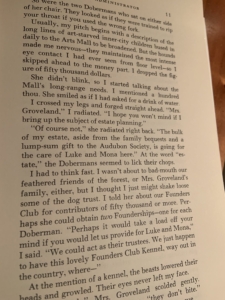
Although a book that describes fundraising as ‘physic blackmail’ and working a room at a gala dinner as balancing

‘nerdy sincerity…reassuring to potential big ticket donors’ and knowing everyone ‘kiss kiss, chat chat, say a few words, spin off … it’s her job’ 

might not be the best way to inspire us to take pride in the profession! 

So lets return to a more positive example in Elizabeth Zott blending expertise in your field with navigating the world of securing the grants to make your work happen.
https://marinajones.uk/wp-content/uploads/2022/12/f2b903e010104f5aa61ea1821a685913.png 0 0 admin https://marinajones.uk/wp-content/uploads/2022/12/f2b903e010104f5aa61ea1821a685913.png admin2026-03-02 13:04:442026-03-02 13:04:51What should a fundraiser dress up for on World Book Day?

Reading list 2025

January 4, 2025/0 Comments/in What I'm Reading/by admin

So 89 books (2023) and 67 (2024) including a mix of fiction, non-fiction, business, plays, new reads and re-reads. And 2025 so far

‘London Rules’ by Mick Herron

‘The Great Gatsby’ by F Scott Fitzgerald

‘When. The scientific secrets of perfect timing’ by Daniel H Pink

‘The Heart of the Matter’ by Graham Greene

‘London’s Burning’ by Anthony Quinn

‘Precipice’ by Robert Harris

‘Joe Country’ by Mick Herron

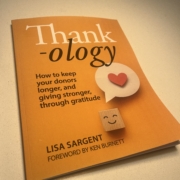
‘Thankology’ by Lisa Sargeant

‘Blue Sisters’ by Coco Mellors

‘The Housemaid’ by Freida McFadden

‘The Snobs’ by Muriel Spark

‘Glorious Exploits’ by Ferdia Lennon

‘Show Don’t Tell’ by Curtis Sittenfeld

“Our secret society’ by Tanisha C Ford

‘The Bee Sting’ by Paul Murray

‘Fundamentally’ by Nussaibah Younis

‘Until August’ by Gabriel Garcia Marquez

‘Great Fundraising Organizations’ by Alan Clayton

‘Shades of Grey’ Jasper Fforde

‘Slough House’ by Mick Herron

‘Bad Actors’ by Mick Herron

‘How Much of These Hills is Gold’ by C Pam Zhang

‘Gabriel’s Moon’ by

‘Mania’ by Lionel Shriver

‘The Ministry of Time’ by Kaliane Bradley

‘Bad Eminence’ by James Greer

‘Great Big Beautiful Life’ by Emily Henry

‘The Dinner Guest’ by B P Walter

‘Great Big Beautiful Life’ by Emily Henry

‘Atmosphere’ by Taylor Jenkins Reid

‘Neurogiving’ by Cherian Kosher (advance copy)

‘The Art of Thinking Clearly’ by Rolf Dobelli

‘The Other Passenger’ by Louise Candlish

‘Creative Deviations’ by John Lepp

‘A Gentleman in Moscow’ by Amor Towles

‘Butter’ by Asako Suzuki

‘Charity, mutuality and philanthropy; voluntary provision in Bristol 1800-70’ by Martin Gorky (phd thesis)

‘Financial Cathedral Building in the Middle Ages The Generosity of the Faithful’ by Wim Vroom

‘The Cathedral of Milan and its Fabulous Donor’ by Martina Saltamacchia (phd thesis)

‘The Library Book’ by Susan Orlean

‘The Angels of Venice’ by Philip Gwynn Jones

‘Like Happiness’ bu Ursula Villarreal-Moira

‘The Other Valley’ by Scott Alexander Howard

‘Ripple’ by Jen Groom and April Vellacott

‘Fahrenheit 451’ by Ray Bradbury

‘Midnight Feast’ by Lucy Foley

‘Rules of Civility’ by Amor Towles

‘Brooklyn’ by Colm Toibin

‘Long Island’ by Colm Toibin

‘Someone’s Gotta Give’ by Alisha Fernadez Miranda

‘Crooked Cross’ by Sally Carson

‘Maybe in another life’ by Taylor Jenkins Read

‘The Paris Apartment’ by Lucy Foley

‘Three Eight One’ by Aliya Wheatley

‘Jane and Dan at the end of the world’ by Colleen Oakley

‘Make Me Famous’ by Maud Ventura

‘Drayton and Mackenzie’ by Alexander Starritt

‘Moon Gate’ by Amanda Geard

‘Early Morning Riser’ by Katherine Heinz

‘Our Evenings’ by Alan Hollingshurst

‘Itch’ by Simon Mayo

‘Itch Rocks’ by Simon Mayo

‘Murder at the Black Cat Cafe’ by Seishi Yokomizo

‘Itch Craft’ by Simon Mayo

‘100 Things Every Designer needs to know about people’ by Susan M Weinschenk, phD

‘Clown Town’ by Mick Herron

‘The Bride of Lammermoor’ by Walter Scott

‘The Third Man’ by Graham Greene

‘Diva’ by Daisy Goodwin

‘Ordinary Saints’ by Niamh Ni Mhaoilcoin

‘My Husband’ by Maud Ventura

‘Richer Expectations: Why rich people give’ by Beth Breeze, Rhodri Davies and Theresa Lloyd

‘The Translator’ by Harriet Crawley

‘You think it, I’ll say it’ by Curtis Sittenfield

‘Wuthering Heights’ by Emily Bronte

‘Fundraising Strategy’ by Claire Routley and Richard Sved

‘The Need to Give The Patron and the Arts’ by Andrew Sinclair

‘The Ballad of Songbirds and Snakes’ by Suzanne Collins

https://marinajones.uk/wp-content/uploads/2025/01/IMG_3637-scaled.jpeg 2560 1920 admin https://marinajones.uk/wp-content/uploads/2022/12/f2b903e010104f5aa61ea1821a685913.png admin2025-01-04 10:06:322026-01-03 12:31:49Reading list 2025

Christmas money is different to other money…?

December 24, 2024/in Thoughts/by admin

Money is money, right?

Except when it’s not

When we get Christmas money, or birthday money, that’s different money, right?

We set that money aside physically or mentally – it is not something we would spend on buying the milk, or the everyday. We frame it differently.

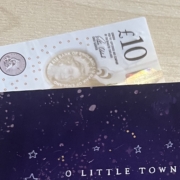
£20 Christmas money can still buy the loaf of bread, but we have reserved it our minds for a treat.

We constantly assign the money we have in our bank accounts to different pots – based on its origin, or intended use.

This is called ‘mental accounting’ and first described by economist Richard Thaler. 

Technically money is fungible – that means it is interchangeable – any £10 note is the same as any other £10 notes but we don’t treat it as such.

Here are a few examples of it in literature to show how we think about money in different ways and how the source of money taints the gift. 

In the Bible Judas receives thirty silver coins for the betrayal of Jesus in the Garden of Gethsemane. After his crucifixion he returns the money to the chief priests but they do not want it because 

“The chief priests picked up the coins and said, “It is against the law to put this into the treasury, since it is blood money.” 7 So they decided to use the money to buy the potter’s field as a burial place for foreigners. 8 That is why it has been called the Field of Blood to this day. 

Matthew 27 

In Margaret Mitchell’s Gone With the Wind – Belle Watling the brothel owner wants to make her contribution towards the war effort but it is has been refused because of her profession and how she earned it. She goes to Melly Hamilton at night and in secret to hand the money over secretly saying  ‘It’s good money even if it’s mine.’ 

In East Lynne by Ellen Wood, Mr Carlyle receives damages in his divorce from the man who runs off with his wife. He does not keep the money and it goes straight to the county hospital.

The source of those gifts makes the money unacceptable or problematic to accept. 

But we all do this to an extent with our own money – with allocations for holiday, entertainment, charity or hobbies. We think about our money like this.

And this also applies to how we think about giving money to charity – we have a charitable allocation (formal or informal) in our mental accounts.

Even within the charity (mental) account we can allocate to different causes that reflect different areas of change for good we want to see in the world. These allocations might link to different parts of our story and identifies – as fighters for justice, as searchers for a cure, or lovers of art. We also may have the sunk cost of a monthly payment to a charity we love. That money is already spent and assigned in our mental charity account, so when the emergency appeal or match campaign lands we can assign that need to a different part of our mental charitable account.

As this legacy pledger articulates:

“So we gave some money to Oxfam for international development. Then he said ‘human rights is what I want’ … and then so I thought OK we’ve got international development, we’ve got human rights, great I can leave something to culture. And this was the one where I’d had the most pleasure by then over the years” ​

The language you use when asking supporters to help you change the world for the better can help them mentally assign it to different parts of their (charity) budgets. If we think about this when writing inspiring appeals then we can tap into different mental accounts and make it easier for people to give, and give more.

There are also other mental accounts that the money could come from – does the gala ticket come from the ‘charity’ mental account? or the leisure/entertainment one? Does the raffle ticket come from charity or ‘spare change’ or gambling or indulgence?

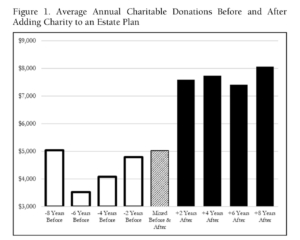
A fact that I love is that after adding a gift in their will, donors give more in their lifetime to that charity – by 77%! It is as if you have moved mental accounts once this commitment has been made, and are being treated as a member of the family (fundraisers can be reluctant to ask for legacy gifts fearing it will impact in year gifts but the reverse is true)

The Emerging Potential of Longitudinal Empirical Research in Estate Planning: Examples from Charitable Bequests 
Russell N. James III*


Think about the ways that you can make your charitable asks meet these different mental accounting pots.

https://marinajones.uk/wp-content/uploads/2024/12/IMG_3662-1.jpeg 1114 1144 admin https://marinajones.uk/wp-content/uploads/2022/12/f2b903e010104f5aa61ea1821a685913.png admin2024-12-24 13:00:382024-12-29 15:39:20Christmas money is different to other money…?

Legacy fundraisers cultural list …

September 9, 2024/in What I'm Reading/by admin

Where do we see legacies in literature, poetry, plays, opera and music?

Some fun examples and lessons to be learned from them.

A fun cultural list for legacy fundraisers …

Music

  1. Anti Heroine – Taylor Swift

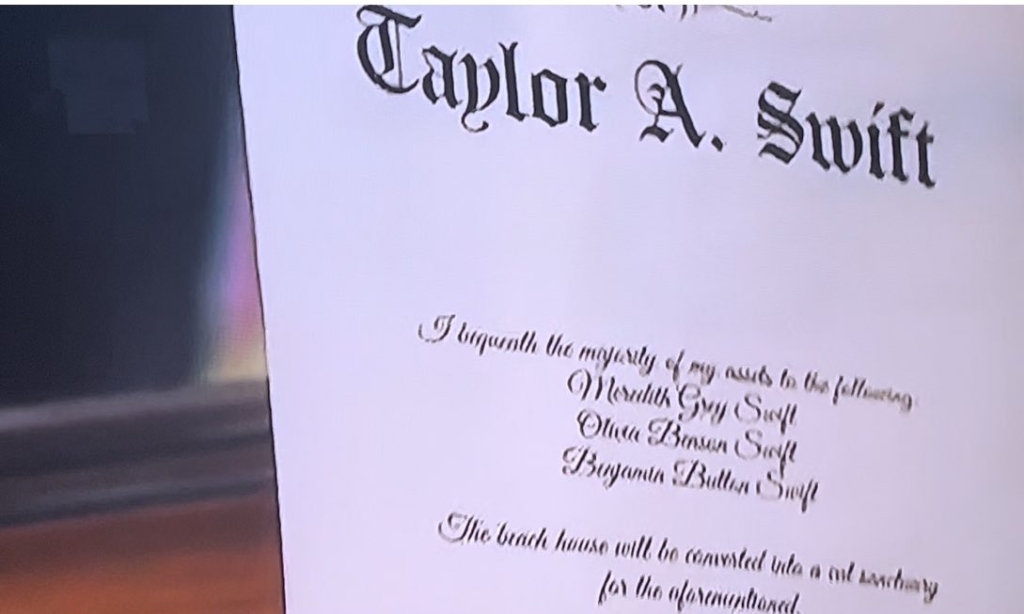
The rise of charitable legacies to spite relations or family is often cited and results in contested wills – in the song ‘Anti Heroine’ Taylor Swift leaves the money to the cat sanctuary and her family are surprised as they wanted to get their hands on the cash. During the funeral scene the will is read saying:

‘The beach house will be converted into a cat sanctuary for the aforementioned’

If pledgers speak to their family about their wishes before they die it can avoid these contested wills.

Full video here https://www.youtube.com/watch?v=b1kbLwvqugk

.

2. Gianni Schicchi

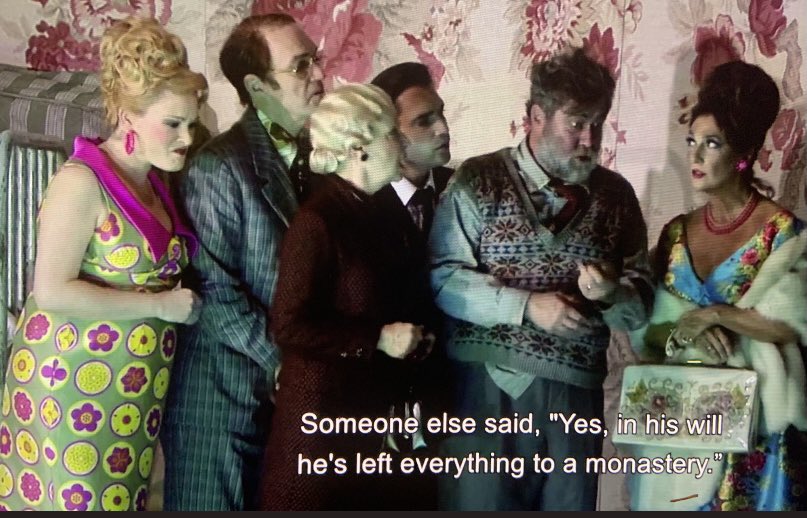
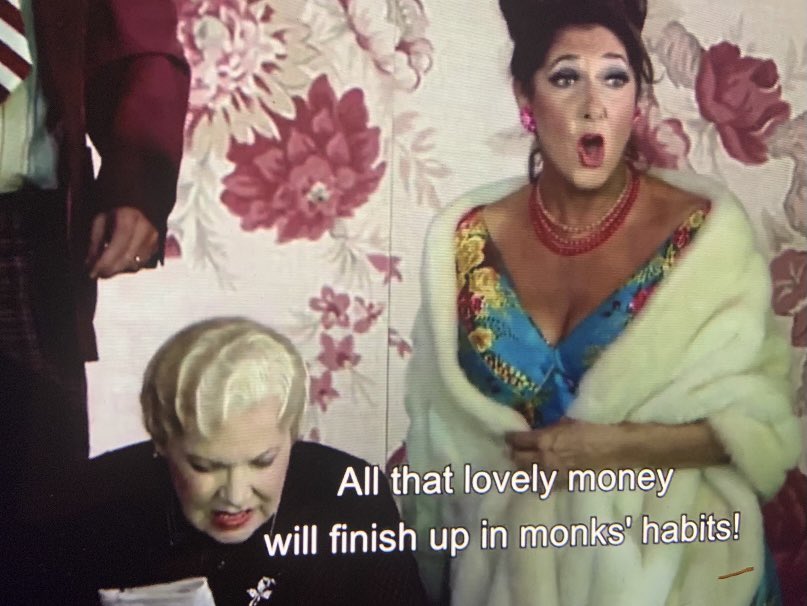
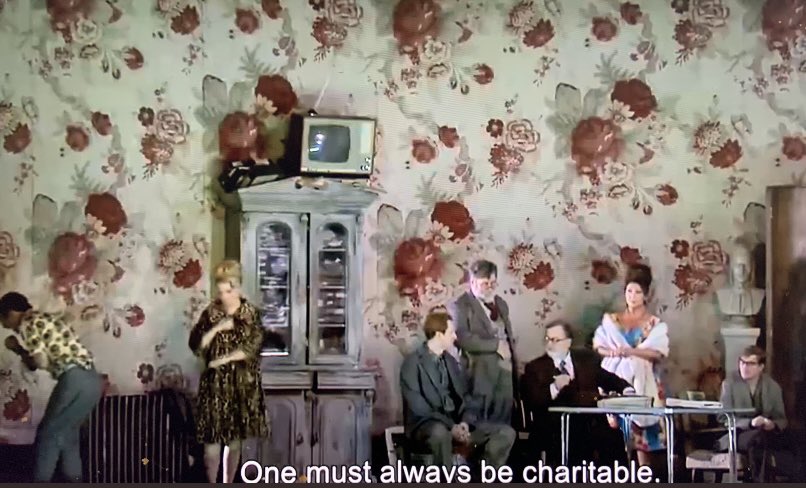
Scheming relatives in Puccini’s Gianni Schicchi when hearing of the charitable intention of their dying relation plot to rewrite his will to their advantage – but they still want to appear charitable so include a small bequest to the monastery.

.

And in literature – where a bequest is central to the plot

3. A Month in the Country by J L Carr

Tom Birkin’s employment is based on a legacy bequest with conditions. The church’s Fabric Fund won’t get the £1,000 legacy until the deceased wishes are honoured to uncover the hidden painting (with £25 set aside for it)

4. The Warden

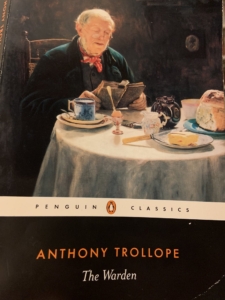
The Warden (could be subtitled ‘When charitable legacies go wrong’) by Anthony Trollope centres around whether Hiram’s will and charitable legacy to create a hospital for 12 wool carders of Barchester. This has been correctly enacted and the good management of the land affords the warden a higher income and greater benefits to those living there – as times have changed and they do not follow the strict conditions of the will.

John Bold a reformer launches a campaign in the press to protest how the will has been enacted. Mr Harding, at the advice of the archdeacon stands his ground. Trollope is concerned with contemporary scandals and suspicions ‘that the grasping priests of the Church of England are gorged with wealth which the charity of former times has left for the solace of the aged, or the education of the young’

The arguments are played out in the popular press, pamphlets and courts. Dr Pessimist Anticant (pause for a moment to admire the name) publishes a pamphlet on ‘Modern Charity’ contrasting the legator’s generousity with the warden’s current ‘avarice’ And reformer Mr Popular Sentiment (a fictional Charles Dickens) has written a novel about the whole almshouse system and scandal – Trollope highlights the power of fiction to inform and influence us saying ‘monthly novels convince, when learned quartos fail to do so“.

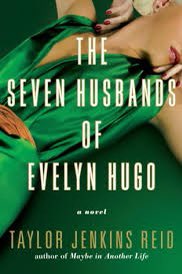
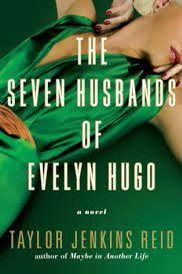
5. The Seven Husband of Evelyn Hugo

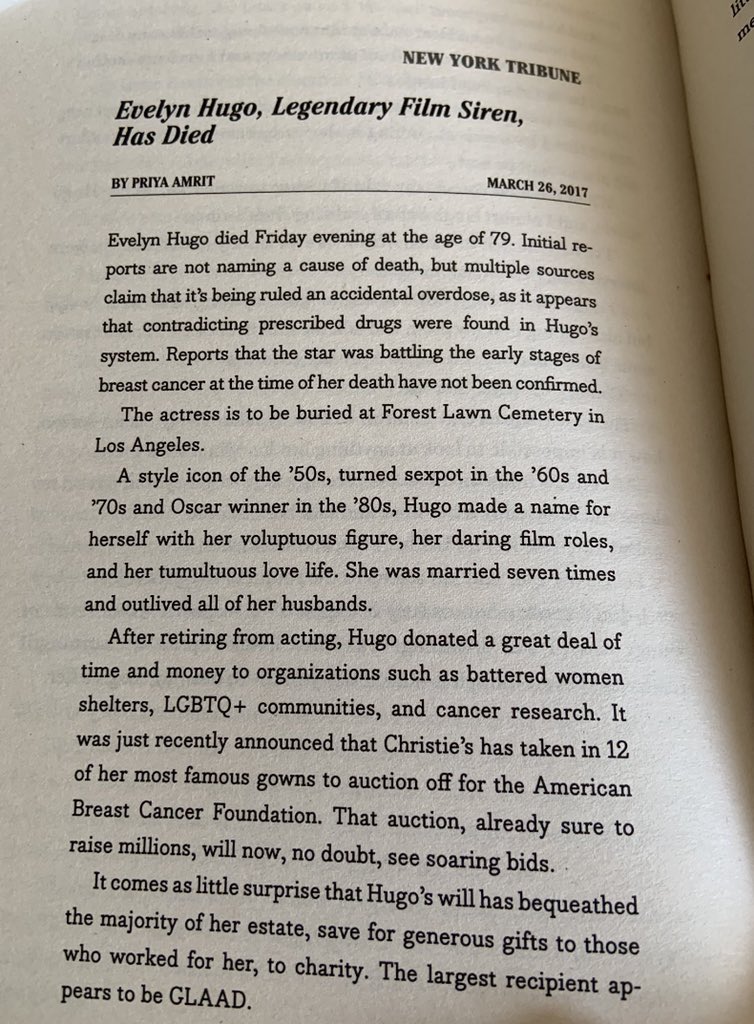
It is rare for a book to begin with a charitable bequest – but that is just what Taylor Jenkins Reid’s ‘The Seven Husbands of Evelyn Hugo’ does – her in death giving reflect her lifetime giving. It shows that as well as money items can be donated and sold to benefit the charity.

Do you offer your supporters the chance to donate items or just money?

.

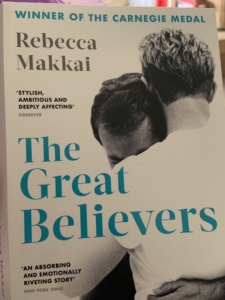
7. The Great Believers

This novel takes place during the AIDS crisis and the story centres on a character who is navigating a substantial art donation for a university gallery.

“What we’re hoping for is a flat out bequest. She hasn’t given to the annual fund since 1970, and those were small gifts… People like that tend to underestimate how much they have”

This highlights a truth often seen in legacy fundraising that your prospects may be asset rich but cash poor – but incredibly loyal. Just because someone hasn’t been coming or giving a lot doesn’t mean that you are not important.

The fundraiser protects the wishes of the legator over the gallery’s more commercial plans for the space. It is important that legators have trust that their legacy wishes will be honoured and enacted.

Poetry

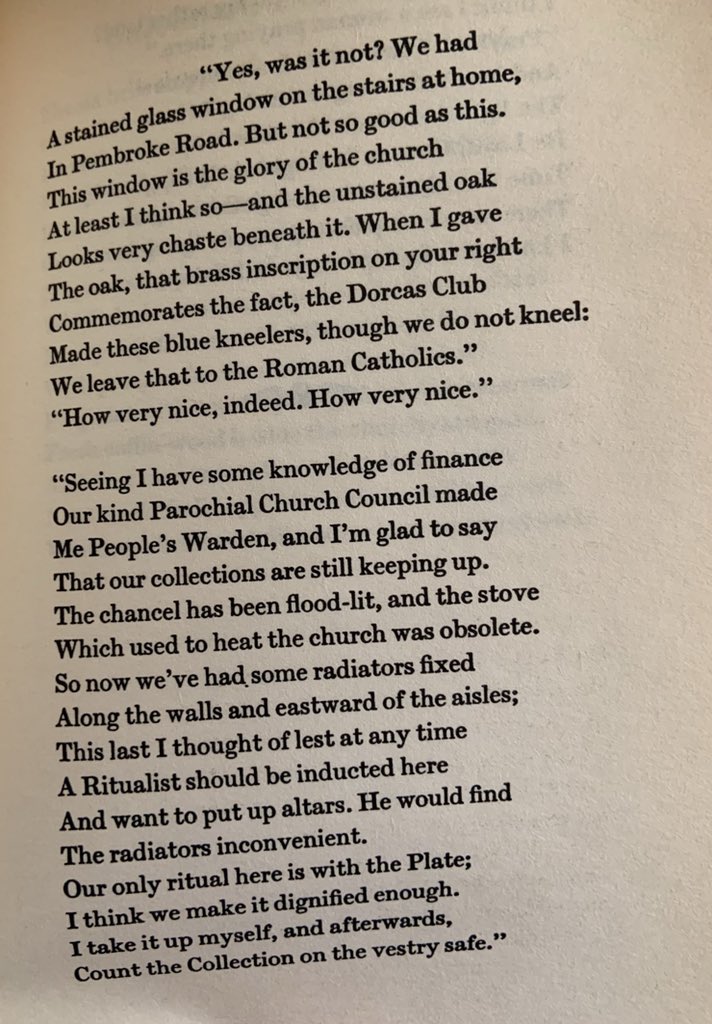
6. Bristol and Clifton – John Betjeman

And this poem by John Betjeman ‘Bristol and Clifton’ talks of in memory given for the his late wife. The poem also talks of brass donor plaques and congregational collections.

Donors who give in memory are more likely to include gifts in their will to support the cause so it is important to engage with the whole family.

Short stories and comics

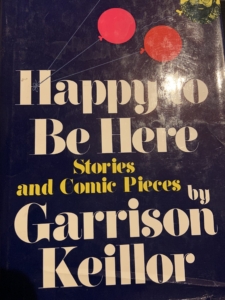
8. Jack Schmidt Arts Administrator

‘It was one of those sweltering days toward the end of the fiscal year when Minneapolis smells of melting asphalt and foundation money is as tight as a rusted nut’

How’s this for a (philanthropic) first line?

Jack turns into an Arts Administrator (fundraising consultant) when private detective work dries up because ‘What your arts organizations need is a guy who can ask people for large amounts without blushing and twisting his hankies’

He secures a range of grants for various arts causes …but struggles to get core costs funded (plus ca change)

Your fat cats will millions to build an arts center, but nobody wants to donate to pay the light bill because you can’t put a plaque on it. They’ll pay for Chippewa junk sculpture but who wants to endow janitors“

He even makes a legacy pitch – although the dogs that the donor adores look at him suspiciously …

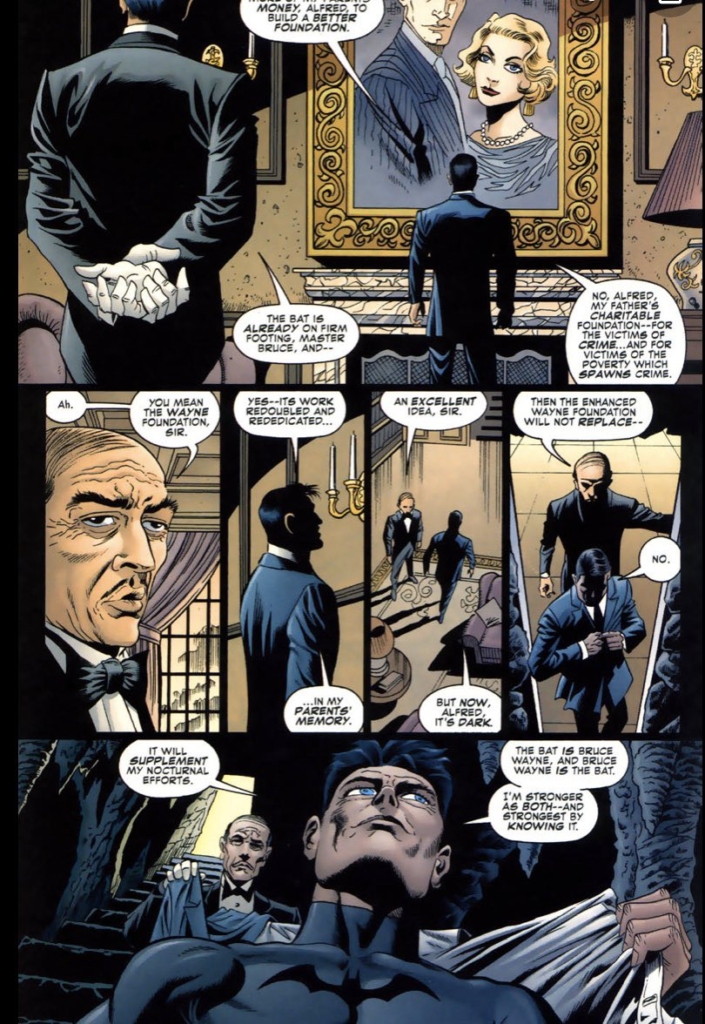
9. Batman

Batman’s mission to fight crime and injustice comes from a desire to honour the legacy of his parents. Sometimes in life gifts reflect others who have been influential in our lives.

So look out for legacy giving in all forms of literature … and remember

  • Encourage your supporters to talk to their family about their wishes
  • In memory givers make great potential legators
  • In life giving and connections drive legacy pledgers
  • Think about the various ways people can
  • Encourage legacy pledgers to speak to a legal professional to ensure that the conditions of the will can be enacted correctly.
https://marinajones.uk/wp-content/uploads/2024/09/FfnWG0gWQAgRzyd.jpef_.jpeg 383 680 admin https://marinajones.uk/wp-content/uploads/2022/12/f2b903e010104f5aa61ea1821a685913.png admin2024-09-09 21:31:092024-09-09 21:31:10Legacy fundraisers cultural list …

Reading list 2024

January 12, 2024/0 Comments/in What I'm Reading/by admin

So 89 books last year and a mix of fiction, non-fiction, business, plays, new reads and re-reads. And what will 2024 bring

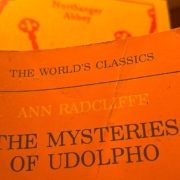
‘The Mysteries of Udolpho‘ by Mrs Radcliffe

“Your Brain on Art” by Susan Magdalen and Ivy Ross

‘Our Country Friends’ by Gary Shteyngart

‘The Marriage Portrait’ by Maggie O’Farrell

‘The Other Half’ by Charlotte Vassell

‘Clytemnestra’ by Constanza Casati

‘Your Love in Not Good’ by Johanna Hedva

‘How I won a Nobel Prize’ by Julius Taranto

‘Carrie Soto is Back’ by Taylor Jenkins Reid

‘Sharp Objects’ by Gillian Flynn

‘Pineapple Street’ by Jenny Jackson

‘Cuckooland: Where the Rich Own the Truth’ by Tom Burgis

‘Gold Was the Mortar The Economics of Cathedral Building’ by Henry Kraus

‘The American Wife’ by Curtis Sitetenfeld

“Diary of an MP’s wife’ by Sasha Swire

‘Curtain Call’ by Anthony Quinn

‘Nye’ by Tim Price

‘Invisible Women: Exposing Data Bias in a World Designed for Men’ by Caroline Cried Perez

‘Bright Young Women’ by Jessica Knoll

‘This Family’ by Kate Sawyer

‘Poor Things’ by Alasdair Gray

‘The Business’ by Iain Banks

‘Uncle Vanya’ by Anton Chekhov

‘The Wasp Factory’ by Iain Banks

‘An Actor’s Life in Twelve Productions’ by Oliver Ford Davies

‘1066 and all that’ by W C Sellar & R J Yeatman

‘Lessons’ by Ian McEwan

‘Fundraising without burnout’ by Radha Friedman

‘Lanark’ by Alasdair Gray

‘You are Here’ by David Nicholls

‘Change for Better’ by Bernard Ross and Omar Mahmoud

‘Ferguson’s Gang’ by Polly Bagnall and Sally Beck

‘The List’ by Yomi Adegoke

‘Unsheltered’ by Barbara Kingsolver

‘The Tenant of Wildfell Hall’ by Anne Bronte

‘Commonwealth’ by Ann Patchett

‘Funny Story’ by Emily Henry

‘Murder at the Monastery’ by Richard Coles

‘Why legacies are brilliant for charities and how to get them’ by Richard Radcliffe

‘Slow Horses’ by Mick Herron

‘The Rachel Incident’ by Caroline O’Donoghue

‘The Undoing Project’ by Michael Lewis

‘Strange Sally Diamond’ by Liz Nugent

‘Philanthropy Revolution: How to Inspire Donors, Build relatiosnhips and make a difference’ by Lisa Greer

‘The Lost Book of the Odyssey’ by Zachary Mason

‘When Women Kill: Four Crimes Retold’ by Alia Trabucco Zeran

‘Kairos’ by Jenny Erpenbeck

‘Atlas: The Story of Pa Salt’ by Lucinda Riley and Harry Whitaker

‘The Mystery Guest’ by Nina Prose

‘Atlanta’ by Jennifer Sant

‘Standard Deviation’ by Katherine Heinz

‘The Cornish Hideaway’ by Jennifer Bibby

‘Test Kitchen’ by Neil D A Stewart

‘The Secret Diary of Adrian Mole aged 13 3/4’ by Sue Townend

‘Margot’s Got Money Troubles’ by Rufi Thorpe

‘Dead Lions’ by Mick Herron

‘The Essential Fundraiser’s Handbook’ by Lisa Greer

‘The Voyage Home’ by Pat Barker

‘Kairos’ by Jenny Erpenbeck

‘Molly and the Captain’ by Anthony Quinn

‘The Romantic’ by William Boyd

‘Murder at the Sign of the Rook’ by Kate Atkinson

‘What a Way to Go’ by Bella Mackie

‘Someone Else’s Shoes’ by Jojo Moyes

‘East Lynne’ by Ellen Wood

‘The Wizard of Oz’ by Frank Baum

‘Wicked’ by Gregory Maguire

https://marinajones.uk/wp-content/uploads/2024/01/mystery.jpg 566 904 admin https://marinajones.uk/wp-content/uploads/2022/12/f2b903e010104f5aa61ea1821a685913.png admin2024-01-12 12:49:292025-01-04 10:04:19Reading list 2024

Lessons in Chemistry – Fundraising & Decision Science

October 30, 2023/0 Comments/in Thoughts/by admin

Watching Lessons in Chemistry on TV after reading the Bonnie Garmus’ brilliant book last year, made me reflect on the importance of the scientific method and rigour in our fundraising when testing and exploring the behavioural science, heuristics and nudges that we use. 

Elizabeth Zott demonstrates in her research the need to be constantly testing, learning, and refining what we do in order to strive to get better results. For Zott cooking is chemistry and on her TV programme Supper At Six she urges tells viewers ‘Don’t be afraid to experiment’ and ‘Take risks’ 

So what applying a scientific method that look like in fundraising using a decision science approach. 

This is the traditional scientific enquiry method:

  • Ask a Question 
  • Hypothesis – predict what the answer to the problem is and what your difference your intervention will make 
  • Test with an experiment– design a test to confirm or disprove a hypothesis 
  • Analyse your results  – record what happened during the experiment 
  • Conclusion – was my hypothesis correct? What have you learned?
  • Change a variable
  • Test again
  • Analyse again etc., 

So how might that work for a campaign?

  • Ask a Question – How can I encourage more supporters to leave a legacy?
  • Hypothesis – if I use a messenger with authority with the charity this will drive legacy pledgers and enquiries  
  • Test with an experiment– design an appeal letter from this authority figure and test with a segment of your database 
  • Analyse your results  – look at the response rate, click through, open rate, enquiries 
  • Conclusion – was my hypothesis correct? What have you learned
  • Change a variable and create a new hypothesis – if I use a messenger who is a peer like them will this drive legacy pledges 
  • Test again & anaylse again & test again

Think about all the questions and tests that you can do

  • If I use messenger who is a peer and evoke a social norm and and add an incentive is that more or less effective?
  • If I use an authority messenger and the scarcity principles is that more or less effective?
  • If I use a beneficiary as a messenger to talk about legacies is that more or less effective? 
  • If I use the reciprocity principle and give a gift to potential legacy supporters, is that more or less effective?

Remember to test one thing at a time, or with each segment of data so you can see which intervention is having an impact.

As well as invoking the scientific method, Elizabeth Zott’s other advice is:

  • Don’t be afraid to experiment
  • Take risks 

Sometimes because our organisations are so reliant on fundraised income we can be afraid to try something different or take risks in our fundraising. Fundraisers cannot just rely on what has worked (or not) in the past, or what is perceived to work in their sector. Many of these tiny changes are small and easy (or free) to apply and test. And tests don’t have to be big – or don’t have to be with the whole appeal – they can just be with a small segment to give you some real world data of what works with your audiences.

So lessons from Elizabeth Zott for fundraising 

  • Fundraising is chemistry
  • Take risks
  • Don’t be afraid to experiment 
https://marinajones.uk/wp-content/uploads/2023/10/IMG_9016-scaled.jpeg 2560 1920 admin https://marinajones.uk/wp-content/uploads/2022/12/f2b903e010104f5aa61ea1821a685913.png admin2023-10-30 20:13:032023-10-31 08:08:04Lessons in Chemistry – Fundraising & Decision Science

Summer Reading Challenge: Fundraising edit (fiction)

August 22, 2023/0 Comments/in What I'm Reading/by admin

Completing the library summer reading challenge with the children – where primary school aged children need to read six books over the summer and get stickers and a medal. I was thinking about what would make a fundraising reading challenge.

Too often when fundraising appears in fiction it is a negative way – corruption, begging, ‘psychic blackmail’, self-interest, brand building, giving for guilt or spite, ‘cookie pusher’ (seen below in Lego form), attending charity events with no sense of the charity or cause, and generally reinforcing negative stereotypes about motives and efficacy of charities. They often show how charity is embedded into the fabric of our society and how we interact with them – one of the most frequent is donating unwanted things to charity shops.

However, stories have a powerful impact on us and the way in which we see and experience the world. This is something is called cultivation theory – and our perception of the world around us is learnt from the culture we consume which we unconsciously mimic. When we are watching theatre and seeing stories come to life we have increased empathy for the people in the stories, their issues and it changes political attitudes.

We become, in a sense, what we read or consume– so a summer reading challenge to celebrate fundraising in and philanthropy fiction.

However, amongst the general negativity, there are some stories that celebrate and champion fundraisers and fundraising and what can be achieved.
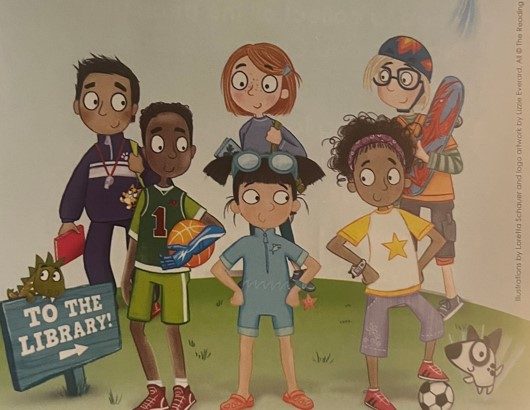
Here are a few…

 ‘A fairy godmother is just another word for a philanthropist. A rich person who gives money to causes’

Lessons in Chemistry

  • Being described as charitable can be a shortcut to saying someone is a good person such as Lady Russell in Persuasion
  • Lessons in Chemistry and the impact of academic grants to succeed (more on that here)
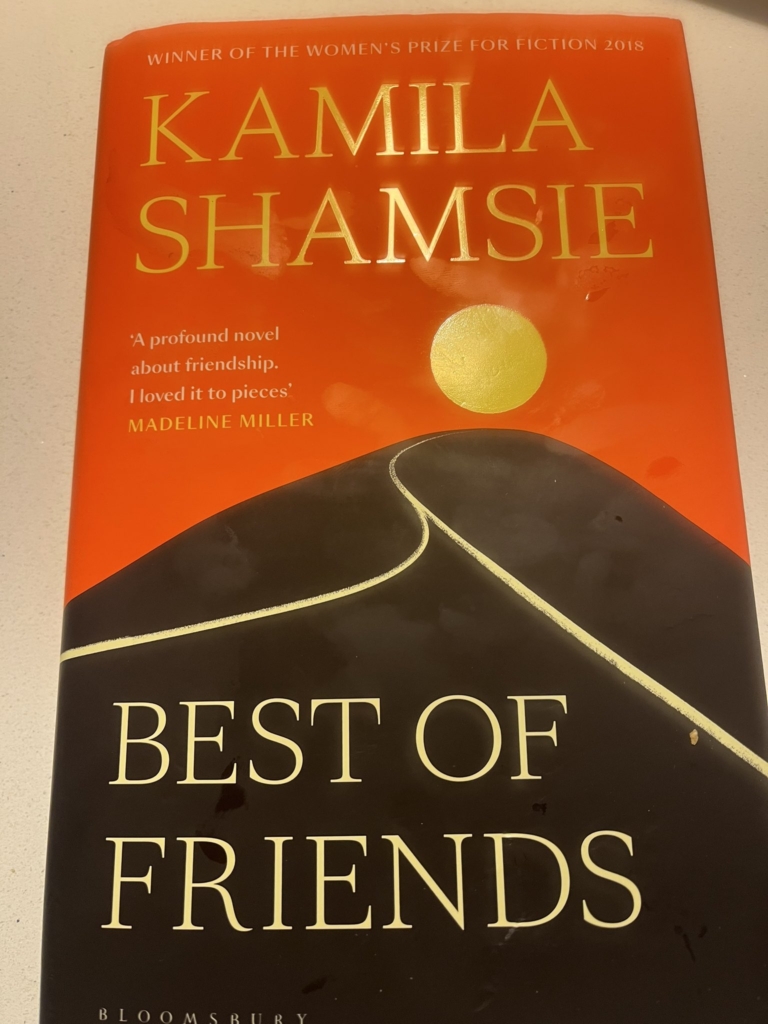
  • Great donor stewardship seen in personalised thank you notes from the CEO in Best of Friends by Kamila Shamsie
  • Positive community action and fundraising to save a local business in The Book Lovers by Emily Henry
  • Employment and opportunity by a particular legacy gift in J L Carr A Month in the Country
  • Fundraisers as charming in Death and the Penguin by Andrey Kurkov
  • Fundraisers as a job in Lost in A Good Book by Jasper Fforde
  • Hermione founding the The Society for the Promotion of Elfish Welfare and campaigning for societal change in Harry Potter and the Goblet of Fire
  • Donor care in Trust by Hernan Diaz
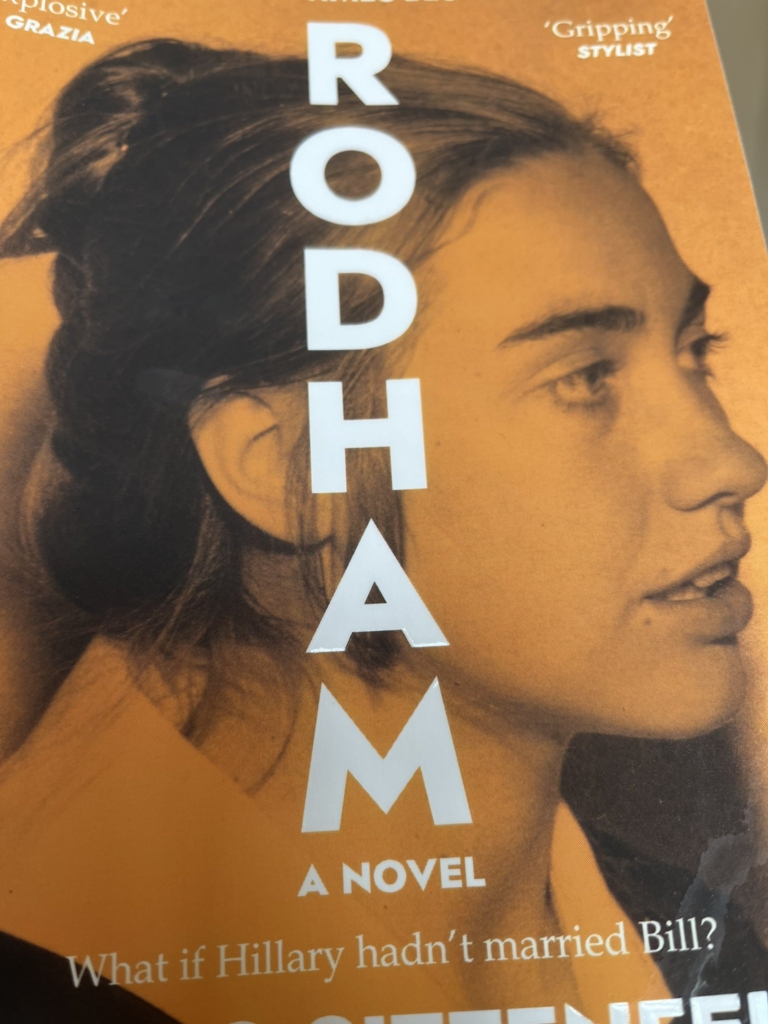
  • All gifts of whatever size being appreciated and valued in Rodham by Curtis Sittenfeld
  • A great exploration of what to do with wealth and working for a non profit in Pineapple Street by Jenny Jackson

First lines featuring fundraising

… so I am not sure these will rival dreaming of Manderley, possessing a fortune and wanting a wife, or the best of times but two stories that begin with fundraising

“Film legend and ‘60s It Girl Everyn Huge has just announced she will auction off 12 of her most memorable gowns through Christie’s to raise money for breast cancer research” 7 Husbands of Evelyn Hardcastle

And how’s this for a (philanthropic) first line?

‘It was one of those sweltering days toward the end of the fiscal year when Minneapolis smells of melting asphalt and foundation money is as tight as a rusted nut’ Jack Schmidt, Arts Administrator

And, a counter argument to too many books talking about high overheads

The Diamond Brothers in the Blurred Man and I know what you did last Wednesday by Anthony Horowitz

“It was hard to believe that a charity worth millions of pounds could operate from such a small, shabby place. But maybe that was the point. Maybe they didn’t want to spend the money they raised on plush offices in the West End. It’s the same reason Oxfam shops always look run down. That way they can afford another ox”  

How do we give money away … if you had millions… two literary suggestions for how to explore the issues

Howard’s End– as an after party diner game ‘How ought I to dispose of my money?’ with the host pretending to be a millionaire on the point of death discussing and debating how to dispose of the fortune and young Margaret Schlegel advises cash and the autonomy for individuals to choose what they need:

“Give them a chance. Give them money. Don’t dole them out poetry books and railway tickets like babies/ Give them the wherewithal to buy these things … give people cash, for it is the warp of civilisation whatever the woof may be”

Thanks to Rhodri Davis for this example.

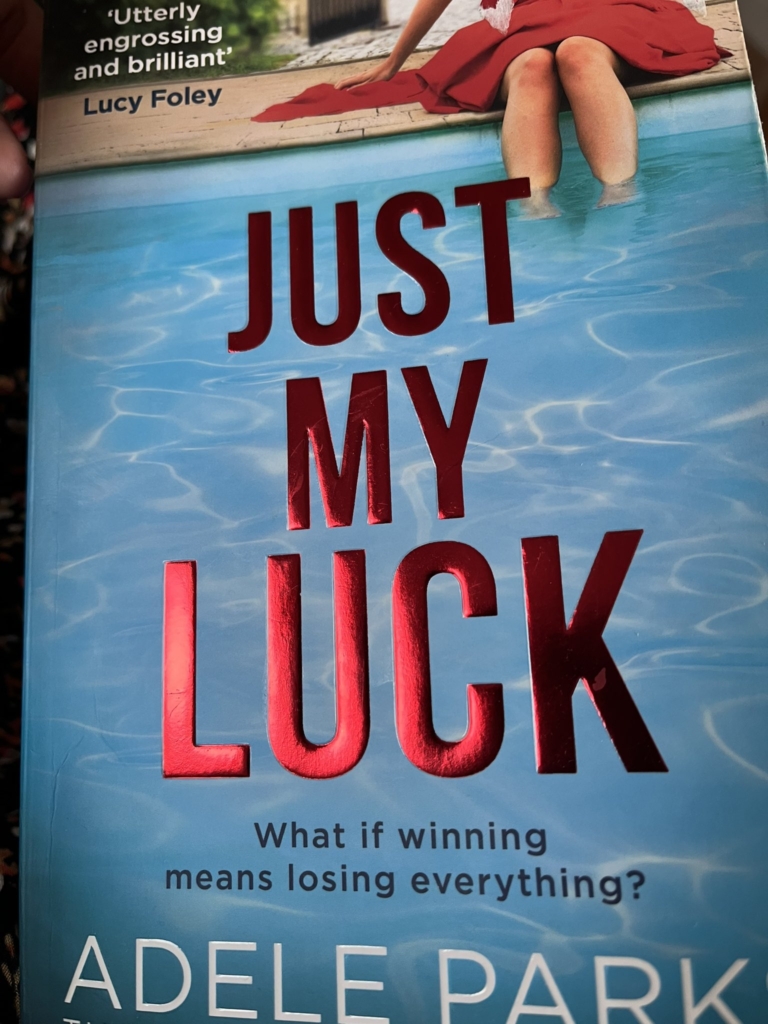
Just My Luck how much of a £12.8m lottery win do you give to charity and how do you decide which ones have the most impact

And a few bits of fundraising history unearthed through fiction

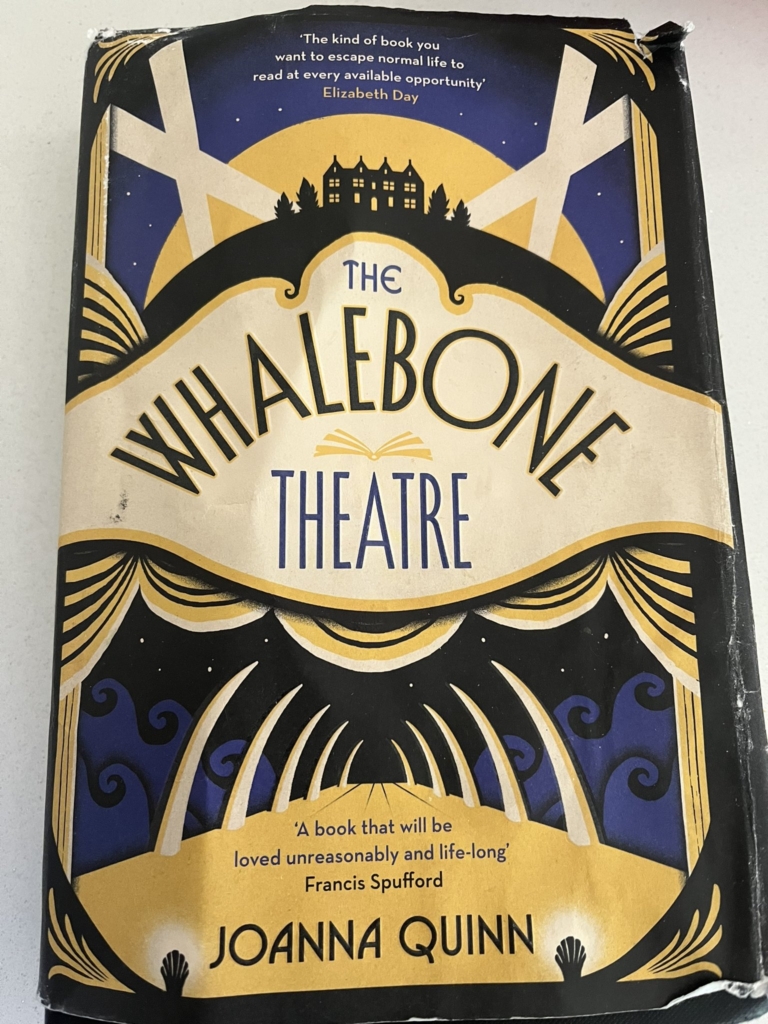
  • Spitfire Crowdfunding campaign in The Whalebone Theatre by Joanna Quinn (which you can read more about here and how a blank cheque sparked a fundraising revolution https://marinajones.uk/spitfirefund/ or listen to this to learn more Spitfire: The People’s Plane – Crowdfunding – BBC Sounds)
  • Raising funds for a highway from The Lincoln Highway by Amor Towles which inspired this blog It really is true everything is a project in fundraising … but could you fundraise for a motorway? – Marina Jones

In contrast to the actual summer reading challenge which for the second year in a row doesn’t have cartoon children reading (there is at least a book in the picture this year). Here I am reading….

So … If we saw more positive portrayals of fundraising and charities in novels would it improve more people’s perception of fundraising and the good we do?

If you want to read more about how what you watch and read impacts you, here are three further sources.

  • Theatre making us more philanthropic and empathetic The Science of Live Theatre | Psychology Today
  • An academic analysis of volunteering on TV Portrayals of Volunteering on U.S. Television: A Textual Analysis – Kimberly Wiley, Marissa Evans, 2022 (sagepub.com)
  • How children learn about charity, philanthropy and voluntary action an assessment of the literature Philanthropic tales: A critical analysis of how philanthropic citizenship is represented in children’s picture-books – problems and possibilities – Alison Body, Jayne Lacny, 2023 (sagepub.com)

For more examples of how fundraising, charity and philanthropy appears in fiction and in films and tv, you can follow my other account on twitter/X under ‘Philanthropy in fiction’ and follow a rather haphazard approach to interrogating what stories tell us about fiction.

https://marinajones.uk/wp-content/uploads/2023/08/cookie-eyes.jpg 32 180 admin https://marinajones.uk/wp-content/uploads/2022/12/f2b903e010104f5aa61ea1821a685913.png admin2023-08-22 18:12:252024-07-23 18:13:21Summer Reading Challenge: Fundraising edit (fiction)

The reading list 2023

January 22, 2023/0 Comments/in What I'm Reading/by admin

I don’t usually count the books I read but thought I would try this year. Having just taken bag loads to Oxfam and reordered the bookshelves it is probably more than I realise.

Finished from 2022

‘Opera or the undoing of Women’ by Catherine Clement

‘Women and Philanthropy in 19th century England’ by Frank Proshaka

‘Art, Theatre and Women’s Suffrage’ by Ireme Cockroft and Susan Croft

‘Best of Friends’ by Kamila Shamsie

2023 Books I have read

‘The Reading List’ by Sara Nisha Adams

‘The Lamplighters’ by Emma Stonex

‘Lily’ by Rose Tremain

‘Carmen’ by Propser Merimee

‘Alchemy’ by Rory Sutherland

‘Bad Actors’ by Mick Herron

‘Engaged’ by W S Gilbert

‘Mrs March’ by Virginia Feito

‘Opera in the Jazz Age Cultural Politics in 1920s Britain’ by Alexandra Wilson

‘Great Circle’ by Maggie Shipstead

‘The Reader on the 6.27’ by Jean-Paul Didierlaurent

‘Dollar Dash the behavioural economics of peer-to-peer fundraising’ by Katrina VanHuss & Otis Fulton

‘Westwood’ by Stella Gibbons

‘The Neuroscience of You’ by Chantel Pratt

‘Bruges-la-morte’ by Georges Rodenbach

‘Daughters of Sparta’ by Claire Heywood

‘Medusa’ by Jessie Burton

‘What is Philanthropy for?’ by Rhodri Davies

‘The Empire’ by Michael Ball

‘Lear’s Wife’ by JR Thorp

‘Trilby’ by George du Maurier

‘When the dust settles’ by Lucy Easthope

‘The Mysterious Case of the Alperton Angels’ by Janice Hallett

‘The Museum of Ordinary People’ by Mike Gayle

‘The Illusion of Choice’ by Richard Shotton

‘The Maidens’ by Alex Michaelides

‘Evolutionary Ideas: Unlocking Ancient Innovation to Solve Tomorrow’s Challenges’ by Sam Tatam

‘Cleopatra and Frankenstein’ by Coco Mellors

‘The Figaro Trilogy: The Barber of Seville, The Marriage of Figaro, The Guilty Mother’ by Pierre-Augustin Canon de Beaumarchais

‘No Season but Summer’ by Matilda Leyser

‘The Lincoln Highway’ by Amor Towles

‘On Being Unreasonable: Breaking the Rules and Making Things Better’ by Kirsty Sedgman

‘The Razor’s Edge’ by Somerset Maugham

‘One Hundred Years of Solitude’ by Gabriel Garcia Marquez

‘The Trickster of Seville and the Stone Guest’ by Tirso de Molina

‘Cheese’ by Willem Elsschot

‘The Motive and the Cue’ by Jack Thorne

‘Transport for humans – are we nearly there yet?’ by Pete Dyson and Rory Sutherland

‘Pericles’ by William Shakespeare (and disputed others)

‘The Midnight Library’ by Matt Haig

‘Men Without Women’ by Haruki Marukami

‘The Light at the end of the day’ by Hannah Wasserman

‘Still Life’ by Sarah Winman

‘Trust’ by Hernan Diaz

‘Theatre Audiences: A Theory of Production and Reception’ by Susan Bennett

‘Hags’ by Victoria Smith

‘The Reasonable Audience Theatre Etiquette and Behaviour Policing, and the Live Performance Experience’ by Kirsty Sedgman

‘Demon Copperhead’ by Barbara Kingsolver

‘Sorrow and Bliss’ by Meg Masion

‘Just My Luck’ by Adele Parks

‘Marina’ by Carlos Ruiz Zafron

‘Traces of Enayat’ by Iman Mersal

‘Love on the Beach’ by Jessica Gilmore

‘Persuasion’ by Jane Austen

‘Stone Cold’ by Peter May

‘Have you got anything stronger?’ by Imogen Edwards-Jones

‘The Glass Blowers’ by Daphne du Maurier

‘No One Writes to the Colonel’ by Gabriel Garcia Marquez

‘Ghost Lover’ by Lisa Taddeo

‘No worries if not’ by Lucy Nichols

‘Happy Place’ by Emily Henry

‘A Death in the Parish’ by Richard Coles

‘Rouge’ by Mona Award

‘It ends with us’ by Colleen Hoover

‘Ultima’ by LS Hilton

‘The Salt Path’ by Raynor Winn

‘Memories of My Melancholy Whores’ By Gabriel Garcia Marquez

‘Divine Might’ by Natalie Haynes

‘Madam C J Walker’s Gospel of Giving Black Women’s Philanthropy during Jim Crow’ by Tyrone McKinley Freeman

‘The Posthumous Memoirs of Bras Cubas’ by Machado de Assis

‘Romantic Comedy’ by Curtis Sittenfeld

‘Yellowface’ by Rebecca F Huang

‘Prep’ by Curtis Sittenfeld

‘The Handmaid’s Tale’ by Margaret Atwood

‘The Charity Market and Humanitarism in Britain, 1870-1912’ by Sarah Toddy, Julie-Marie Strange and Bertrand Taithe

‘All Souls’ by Javier Marais

‘The Year of the Locust’ by Terry Hayes

‘The Old Gods’ by Sebastian Barry

‘Influence the psychology of persuasion’ by Robert Cialdini

‘Matrix’ by Lauren Goff

‘May we be forgiven’ by A M Homes

‘Empire of Pain’ by Patrick Radden Keefe

‘Northanger Abbey’ by Jane Austen

‘If We Were Villans’ by M L Rio

https://marinajones.uk/wp-content/uploads/2023/01/Fl3EoVnWAAIxTeX.jpeg 1350 1080 admin https://marinajones.uk/wp-content/uploads/2022/12/f2b903e010104f5aa61ea1821a685913.png admin2023-01-22 19:42:072023-12-30 11:34:51The reading list 2023

Philanthropy in fiction

January 1, 2023/0 Comments/in What I'm Reading/by admin

Yawning and laughter are contagious because of ‘mirror neurons’ – basically when we see an action like yawning it fires neurons in our brains that make us yawn. Do we mirror kindness we see in novels? We rarely see charitable giving… … if we saw more charitable giving and philanthropy in novels, would we be more generous?

“Novelists generally make their philanthropists fools”

F B Morey-Coutts in The Times 1884

What are we invertedly learning about philanthropy and fundraising through fiction?

Stories are memorable. People pay attention to stories and learn through stories. When engaged in a story mirror neuron ensure you feel and experience the emotions of protagonist- and add to knowledge of how you would react in real life. They are a space where we imagine, we learn how to behave, how to react, how to explore and what social norms are.

Quoted from ‘Voices of the Lost’ by Hoda Barakat

In ‘Hooked’ stories are compared to a Trojan horse – we accept the free gift of an entertaining story but also unknowingly absorb the message.

“opposable thumbs let us hang on; stories told us what to hang on to”

Wired for Story

When philanthropists and fundraising appear in novels what are we then absorbing?

Often philanthropists are fundamentally bad and there is the oft repeated trope of the villain who gives philanthropically to mask their corporate and capitalist crimes. Reputational laundering in both fiction, and the popular press, seems to be a dominating motivation for any charitable donation.   

When I started this project at the start of lockdown in March 2020 it was to capture and collate some examples of philanthropy and fundraising in fiction. It has never been a systematic undertaking but rather an odd assortment of half remembered moments from stories, books I have read, poetry and reading with the children, films, tv shows, plays and operas watched (and I am not sure why the Philanthropy in Fiction Twitter @Philanthropyin3 account started anonymously) All of them tell us something about what we think about philanthropy – about people giving time, talent or treasure voluntarily for their own version of public good.

Philanthropy in novels and tv shows tells us about how we want to the world to be, about cultural and societal expectations and understandings of charity – from Jane Austen’s Emma going on a charitable visit to the poor sick families, to Scarlett O’Hara and Melly Wilkes giving up their wedding ring at the charity fundraiser for the Cause, to Biff and Chip raising money for Comic Relief in the Oxford Reading Tree books for primary schools – we are learning about philanthropy in time, in place and aspiration.

Beth Breeze in her ‘In Defence of Philanthropy’ talks about how we don’t like those that give too much or too little (we prefer the Goldilocks effect – not too much, not too little – just right – the middle option). Breeze talks about do-gooder derogation where those that stand up publicly for their values and do them publicly and actively are derided and dismissed as having false motives. Philanthropists, like vegans are dismissed as seeking praise or doing it for the wrong motives.

There are good and selfless and well-motivated, pious, thoughtful philanthropists and acts of philanthropy in novels but they are in the minority. I want to find more.

And continue to share those that I find along the way.

https://marinajones.uk/wp-content/uploads/2023/01/Fl3EoVnWAAIxTeX.jpeg 1350 1080 admin https://marinajones.uk/wp-content/uploads/2022/12/f2b903e010104f5aa61ea1821a685913.png admin2023-01-01 22:14:312023-02-06 16:29:58Philanthropy in fiction

Top of the pile to be read in 2023

December 29, 2022/0 Comments/in What I'm Reading/by admin

So Christmas added to the to be read pile and top of my to read list in 2023 are:

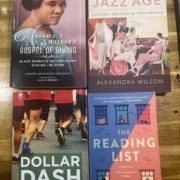
  • Dollar Dash the behavioural economics of peer-to-peer fundraising by Katrina VanHuss and Otis Fulton. There are so few books about the implementation of behavioural and decision science in fundraising context (I contributed a chapter to Change for Better about the world’s largest experiment on decision science). So when I discovered this one via the Certificate in Philanthropic Psychology it went straight on the list and am excited to learn about more in the field experiments and what they teach us.
  • The Reading List by Sara Nisha Adams – a novel about the power of reading and connection.
  • Opera in the Jazz Age – Cultural Politics in 1920s Britain by Alexandra Wilson – an exploration about what was happening in opera in the 20s and debates about elitism, high and low brow and who audiences were. Really looking forward to reading this (and her other book coming out this year)
  • Madam C J Walker’s Gospel of Wealthy – Black Women’s Philanthropy during Jim Crow by Tyrone McKinley Freeman. After hearing Tyrone on Rhodri Davies’ Philanthropisms podcast I have been really fascinated to learn more about Madam C J Walker and explore her philanthropy, fundraising, business practice and activism (and how blended and interconnected they were – and a challenge to traditional definitions of these concepts). And Rhodri Davies’ new book is on order too.
https://marinajones.uk/wp-content/uploads/2022/12/2023-scaled.jpg 2560 1920 admin https://marinajones.uk/wp-content/uploads/2022/12/f2b903e010104f5aa61ea1821a685913.png admin2022-12-29 20:40:032022-12-29 20:40:06Top of the pile to be read in 2023
Page 1 of 212
Tweets by meenamtj
All content © Marina Jones 2023
  • Link to X
  • Link to Instagram
  • Link to LinkedIn
Scroll to top Scroll to top Scroll to top

This site uses cookies. By continuing to browse the site, you are agreeing to our use of cookies.

Accept settingsHide notification onlySettings

Cookie and Privacy Settings


How we use cookies

We may request cookies to be set on your device. We use cookies to let us know when you visit our websites, how you interact with us, to enrich your user experience, and to customize your relationship with our website.

Click on the different category headings to find out more. You can also change some of your preferences. Note that blocking some types of cookies may impact your experience on our websites and the services we are able to offer.

Essential Website Cookies

These cookies are strictly necessary to provide you with services available through our website and to use some of its features.

Because these cookies are strictly necessary to deliver the website, refusing them will have impact how our site functions. You always can block or delete cookies by changing your browser settings and force blocking all cookies on this website. But this will always prompt you to accept/refuse cookies when revisiting our site.

We fully respect if you want to refuse cookies but to avoid asking you again and again kindly allow us to store a cookie for that. You are free to opt out any time or opt in for other cookies to get a better experience. If you refuse cookies we will remove all set cookies in our domain.

We provide you with a list of stored cookies on your computer in our domain so you can check what we stored. Due to security reasons we are not able to show or modify cookies from other domains. You can check these in your browser security settings.

Google Analytics Cookies

These cookies collect information that is used either in aggregate form to help us understand how our website is being used or how effective our marketing campaigns are, or to help us customize our website and application for you in order to enhance your experience.

If you do not want that we track your visit to our site you can disable tracking in your browser here:

Other external services

We also use different external services like Google Webfonts, Google Maps, and external Video providers. Since these providers may collect personal data like your IP address we allow you to block them here. Please be aware that this might heavily reduce the functionality and appearance of our site. Changes will take effect once you reload the page.

Google Webfont Settings:

Google Map Settings:

Google reCaptcha Settings:

Vimeo and Youtube video embeds:

Other cookies

The following cookies are also needed - You can choose if you want to allow them:

Privacy Policy

You can read about our cookies and privacy settings in detail on our Privacy Policy Page.

Privacy Policy
Accept settingsHide notification only