Christmas money is different to other money…?
Money is money, right?
Except when it’s not
When we get Christmas money, or birthday money, that’s different money, right?
We set that money aside physically or mentally – it is not something we would spend on buying the milk, or the everyday. We frame it differently.
£20 Christmas money can still buy the loaf of bread, but we have reserved it our minds for a treat.
We constantly assign the money we have in our bank accounts to different pots – based on its origin, or intended use.

This is called ‘mental accounting’ and first described by economist Richard Thaler.
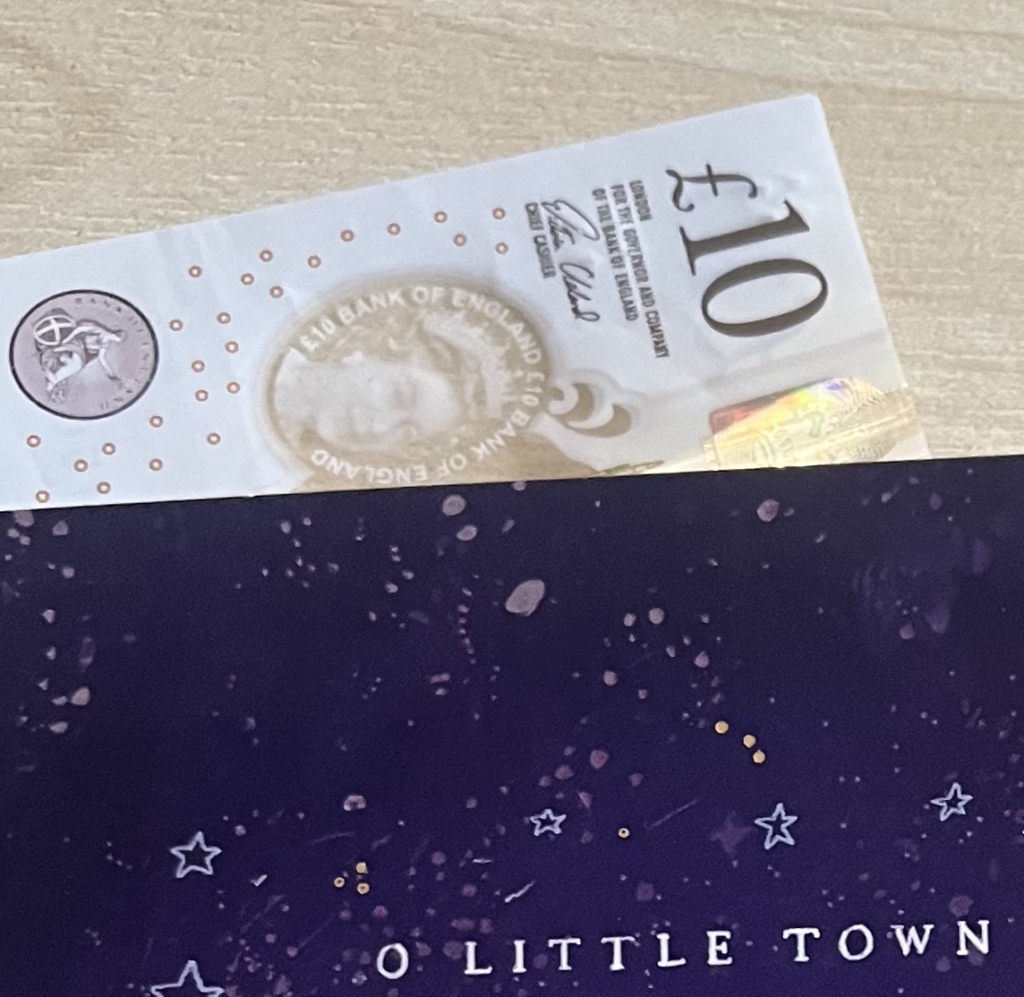
Technically money is fungible – that means it is interchangeable – any £10 note is the same as any other £10 notes but we don’t treat it as such.
Here are a few examples of it in literature to show how we think about money in different ways and how the source of money taints the gift.
In the Bible Judas receives thirty silver coins for the betrayal of Jesus in the Garden of Gethsemane. After his crucifixion he returns the money to the chief priests but they do not want it because
“The chief priests picked up the coins and said, “It is against the law to put this into the treasury, since it is blood money.” 7 So they decided to use the money to buy the potter’s field as a burial place for foreigners. 8 That is why it has been called the Field of Blood to this day.
Matthew 27
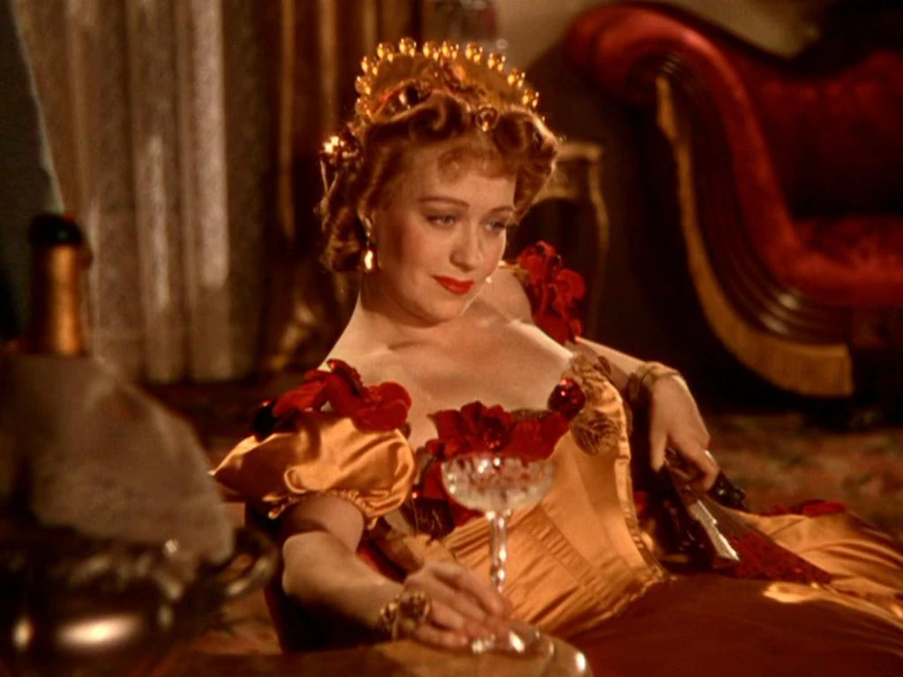
In Margaret Mitchell’s Gone With the Wind – Belle Watling the brothel owner wants to make her contribution towards the war effort but it is has been refused because of her profession and how she earned it. She goes to Melly Hamilton at night and in secret to hand the money over secretly saying ‘It’s good money even if it’s mine.’
In East Lynne by Ellen Wood, Mr Carlyle receives damages in his divorce from the man who runs off with his wife. He does not keep the money and it goes straight to the county hospital.
The source of those gifts makes the money unacceptable or problematic to accept.
But we all do this to an extent with our own money – with allocations for holiday, entertainment, charity or hobbies. We think about our money like this.
And this also applies to how we think about giving money to charity – we have a charitable allocation (formal or informal) in our mental accounts.
Even within the charity (mental) account we can allocate to different causes that reflect different areas of change for good we want to see in the world. These allocations might link to different parts of our story and identifies – as fighters for justice, as searchers for a cure, or lovers of art. We also may have the sunk cost of a monthly payment to a charity we love. That money is already spent and assigned in our mental charity account, so when the emergency appeal or match campaign lands we can assign that need to a different part of our mental charitable account.
As this legacy pledger articulates:
“So we gave some money to Oxfam for international development. Then he said ‘human rights is what I want’ … and then so I thought OK we’ve got international development, we’ve got human rights, great I can leave something to culture. And this was the one where I’d had the most pleasure by then over the years”
The language you use when asking supporters to help you change the world for the better can help them mentally assign it to different parts of their (charity) budgets. If we think about this when writing inspiring appeals then we can tap into different mental accounts and make it easier for people to give, and give more.
There are also other mental accounts that the money could come from – does the gala ticket come from the ‘charity’ mental account? or the leisure/entertainment one? Does the raffle ticket come from charity or ‘spare change’ or gambling or indulgence?
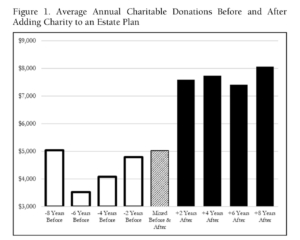
A fact that I love is that after adding a gift in their will, donors give more in their lifetime to that charity – by 77%! It is as if you have moved mental accounts once this commitment has been made, and are being treated as a member of the family (fundraisers can be reluctant to ask for legacy gifts fearing it will impact in year gifts but the reverse is true)
Russell N. James III*
Think about the ways that you can make your charitable asks meet these different mental accounting pots.