What should a fundraiser dress up for on World Book Day?
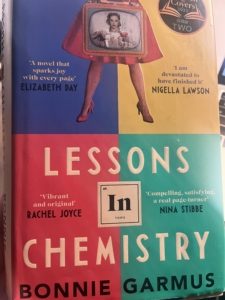
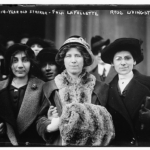
Here is an AI version of me dressed as Elizabeth Zott from Lessons in Chemistry

The challenge for World Book Day is often finding a character from a book, not a TV programme or film (although this version of looks rather more like Brie Larson in the tv show, that how I pictured her in the book.)
Elizabeth Zott in the book is a scientist who has to battle to get, and keep, academic grants, and fit into the priorities of funders. All the time being undermined by her boss who misleads the philanthropist supporting her work that she is a man and diverting funds from their proper use.
‘A fairy godmother is just another word for a philanthropist. A rich person who gives money to causes’
Harriet tells Zott’s daughter Mad
Zott’s struggles remind me of a real life scientist, Professor Sarah Gilbert, who devised the Oxford Astra Zeneca Covid19 vaccination who said:
“Actually, raising funds had been my main activity for years… I trained for years to become really good at ‘doing science! .. but… what I actually spend my time doing these days is, mostly, bringing in the money. This [system] can be counterproductive for the cause of scientific research itself… ”
‘Vaxxers’ by Prof Sarah Gilbert and Dr Cath Green
The other reason I choose Elizabeth Zott is because of her scientific approach – when applying the principles of decision science to fundraising is important to be rigour and scientific – see here for more https://marinajones.uk/chemistry/
So in what other stories do we see fundraisers that we could dress up as – or be inspired by?
- So in the words of Tom Lehrer ‘drag out the Dickens’, Charles Dickens novels in Victorian London often feature fundraising activities.
- A Christmas Carol starts with fundraisers collecting for the poor who are dismissed by Scrooge (and told the poor should die and decrease the surplus population
- Mrs Jellaby in Bleak House so concerned for the far away Borrioboola-Gha and assuming raising funds that she cannot look after her own family or needs
For either of these a Victorian bonnet outfit could work for World Book Day.
- An easy possibly generic costume would be a Girl Scout and girl scouts raising funds via cookie sales could be used.

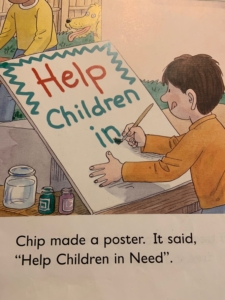
- For parents, or those that remember learning to read with them, the Biff and Chip Oxford Reading Tree books could offer the answer – raising funds features in several books
Or do we go with a smart business look and go as Sarah Jane in Janice Hallet’s The Appeal mystery where she uses her professional fundraising skills to coordinate an Appeal for Poppy?
You are what you consume
Cultivation theory tells us our perception of the world around us is learnt from the culture we consume which we unconsciously mimic and how tropes and exposure to these story impacts how we may think about fundraising. The challenge when exploring fundraising and fundraisers through fiction is sometimes our experience of positive role models can be limiting, sometimes the reputational laundering, nefarious billionaire hiding a dirty secret through philanthropic acts dominates the literary tropes. Although, sometimes perhaps deeper truths are revealed about our attitudes to raising money or money itself.
So we may quickly run out of positive and easily recognisable or achievable costumes. And move to some more real world types that expose different facets of fundraising and insights into the profession but not always in the best light.
Some less salubrious fundraisers in fiction
Jack Schmidt, Arts Administrator– Jack turns into an Arts Administrator (fundraising consultant) when private detective work dries up because ‘What your arts organizations need is a guy who can ask people for large amounts without blushing and twisting his hankies’.
The short story begins with this line
‘It was one of those sweltering days toward the end of the fiscal year when Minneapolis smells of melting asphalt and foundation money is as tight as a rusted nut’
and includes lines like
‘Now anyone who can spell ‘innovative’ can apply for a grant … but that doesn’t mean that the bozo who reads the application is necessarily going to burst into tears and run right down to Western Union’
and goes on to extol the added value of the consultant writing the application (he is a consultant after all) and
‘Your fat cats will millions to build an arts center, but nobody wants to donate to pay the light bill because you can’t put a plaque on it. They’ll pay for Chippewa junk sculpture but who wants to endow janitors’
In The Ask by Sam Lypsite a major gifts fundraiser at “Mediocre University” gets fired, but is reinstated in the role to make an ask from a rich friend from college. (‘Our job was to grovel for more money’ offering a rather cynical and depressing outlook on fundraising from protagonist Milo on naming rights, fundraising practice and ‘asks’)
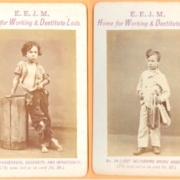
In Jacqueline Wilson’s Hetty Feather series of books set in the Foundling Hospital the reliance on fundraised income is apparent – using the foundlings to demonstrate impact, having visitors watch them at Sunday church services and dinners and various fundraising events including charity concerts, fairs and events – living our the show don’t tell approach.
It is frequently through events that we see more glimpses of fundraisers and fundraising in stories.
- In Emily Henry’s Book Lovers a community comes together and donating time and talents to fundraiser together and save the store (this is a familiar trope for the Hallmark type stories)
- Margaret Mitchell’s Gone With the Wind includes the Charity Bazaar dance where they are raising funds and Rhett bids to dance with widow Scarlett and Mellie and Scarlett donate their wedding rings to raise funds.
- In Jenny Jackson – Pineapple Street at fundraising gala we see ‘The hope, of course, was that he would be so moved by the evening’s proceedings that he would leave a pledge in a small envelope set under his dinner plate’
The psychology of when to making the ask can be seen A Changed Man by Francine Prose – when the key moment is described as
“monitoring his tiny tics has turned out to be excellent training, useful now in her work as she watched a donor’s face for the perfect moment to raise the subject of giving.”
Although a book that describes fundraising as ‘physic blackmail’ and working a room at a gala dinner as balancing
‘nerdy sincerity…reassuring to potential big ticket donors’ and knowing everyone ‘kiss kiss, chat chat, say a few words, spin off … it’s her job’
might not be the best way to inspire us to take pride in the profession!
So lets return to a more positive example in Elizabeth Zott blending expertise in your field with navigating the world of securing the grants to make your work happen.