10 Fundraising Lessons from the Suffragettes
1. Show Don’t Tell
As fundraisers and communicators it is more powerful to show than to tell – to show through actions, words, images and experiences the stories we want to share.
Chekhov said:
“Don’t tell me the moon is shining. Show me the glint of light on broken glass.”
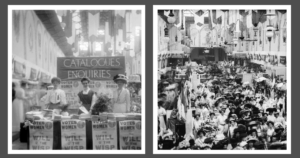
Humans are hard wired to notice what other humans are doing and we process it quicker. In 1909, the British Suffragettes ran a two week Women’s Exhibition which took show don’t tell to new levels. They had an immersive exhibit. But not just any exhibit – a jail cell. So before VR/AR headsets they created an interactive and immersive experience. They had a replica of a jail cell clearly demonstrating the where women were held after being arrested and on hunger strike. A suffragette who had been imprisoned in one of these cells led tours at the Exhibit.
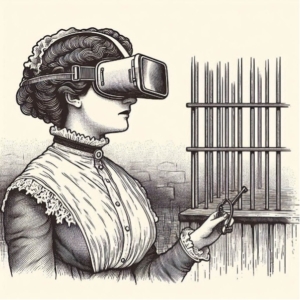
Demonstrating the importance of show don’t tell!
2. Make Giving Fun
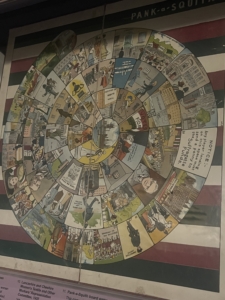
Gamification has become a popular way to raise funds with brand partnership between charities and online platforms and gamers running charity campaigns, but games for charity are nothing new.
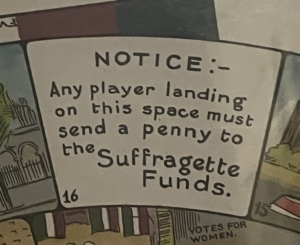
This board game from the 1910s with a board game called Pank-a-squith used to raise funds and awareness of the Suffragettes and their cause
It had one space on the board dedicated to raising funds.
“Any player landing on this space must send a penny to the Suffragette funds”
3. Diversity your income
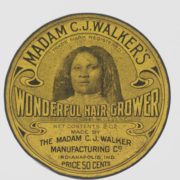
Don’t rely on just one source of income or even just fundraised income. Diversity your income streams. You can earn money too by selling merchandise.
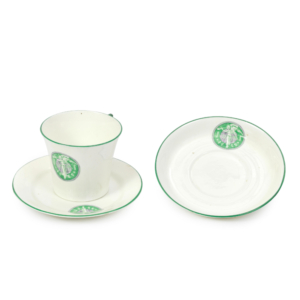
The suffragettes sold this crockery set. Charity merch plays a very important role in helping supporters cement their identity as part of your supporter tribe.Yes, the motive for the purchase may be blurred and they buy the item because it is pretty or practical but is also personal – a personal allyship with the cause. Like wearing a football shirt, a university scarf or a t-shirt with your favourite band on it – it is showing affinity and identity. Collecting and using the item reinforces their connection with your charity and a memory associated with it – perhaps with each use of the cup, the bag, the gin they are getting a microdose of dopamine (the happy chemical) and being reminded of the warm glow of giving to your charity. For your supporter having your merchandise is a way of them signalling they are someone that cares about preserving art or fighting for justice – and literally have the t-shirt, bracelet or crockery to prove it.
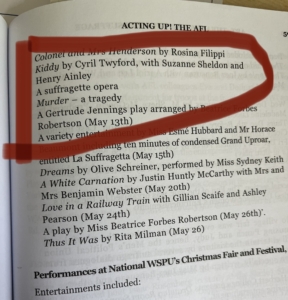
4. Write an Opera
Events fundraising has been a constant throughout fundraising history. Entertain and raise funds.
5. Money talks – how do you use your power
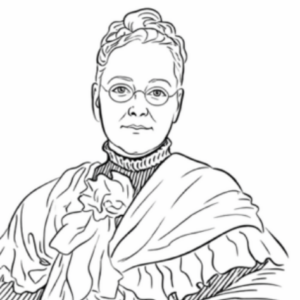
Supporter of women’s rights to vote Mary Elizabeth Garrett used her considerable wealth to advance her agenda. Named ‘coercive philanthropy’ by historian Margaret Rossiter, Garrett funded the medical school at John Hopkins University on the condition that it allowed women students and that she shaped the curriculum. It took many years and negotiation and was she was concerned about them honouring it as the grant agreement read:
“That in the event of any violation of any of the aforesaid stipulations the said sum of $306,977 shall revert to me, or such person or persons, institution or institutions, as I by testament or otherwise may hereafter appoint.” Part of the grant agreement
Mary Elizabeth Garrett’s gift ultimately founded the Johns Hopkins Medical School. Her conditions did more than secure funding, it cemented women’s equal place within the institution and established rigorous standards for both the curriculum and the quality of medical training. Although her method might raise red flags today, her insistence and use of financial leverage forced the hand of the university to accept the gift on her terms.
In hindsight, the results of her intervention are an example of using power for the public good. The long-term benefits to women’s education, professional equality and the modernization of medical training have been substantial and enduring. While her methods may be ethically uncomfortable, the outcomes have been profoundly positive.
6. Where you make the ask matters
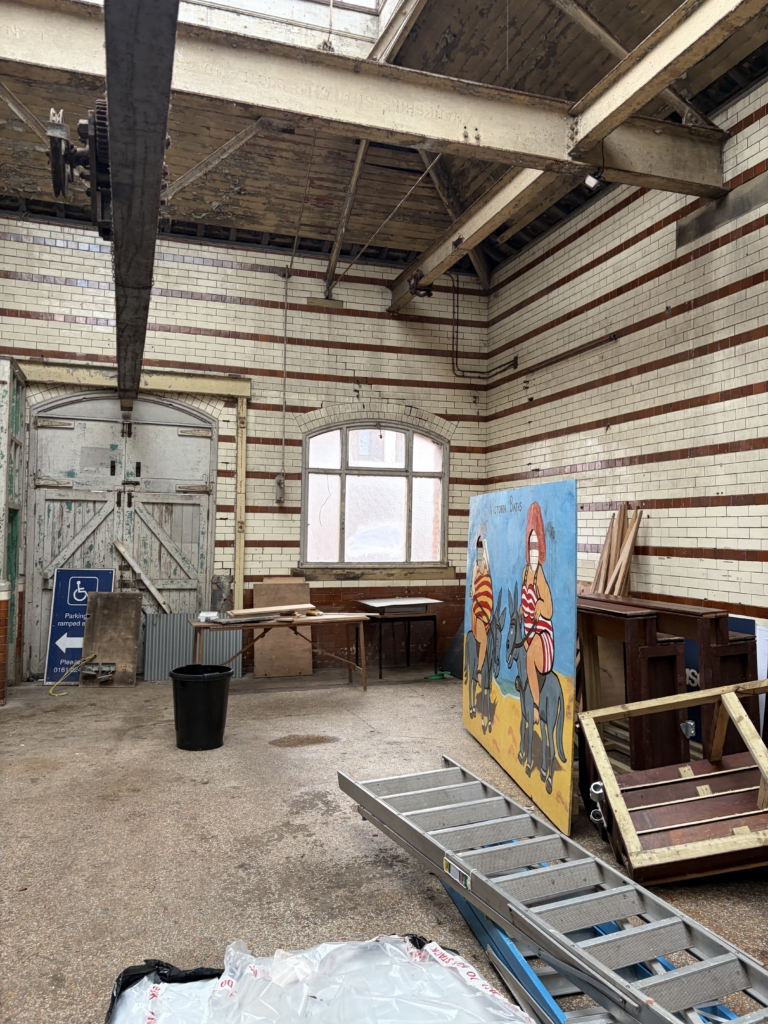
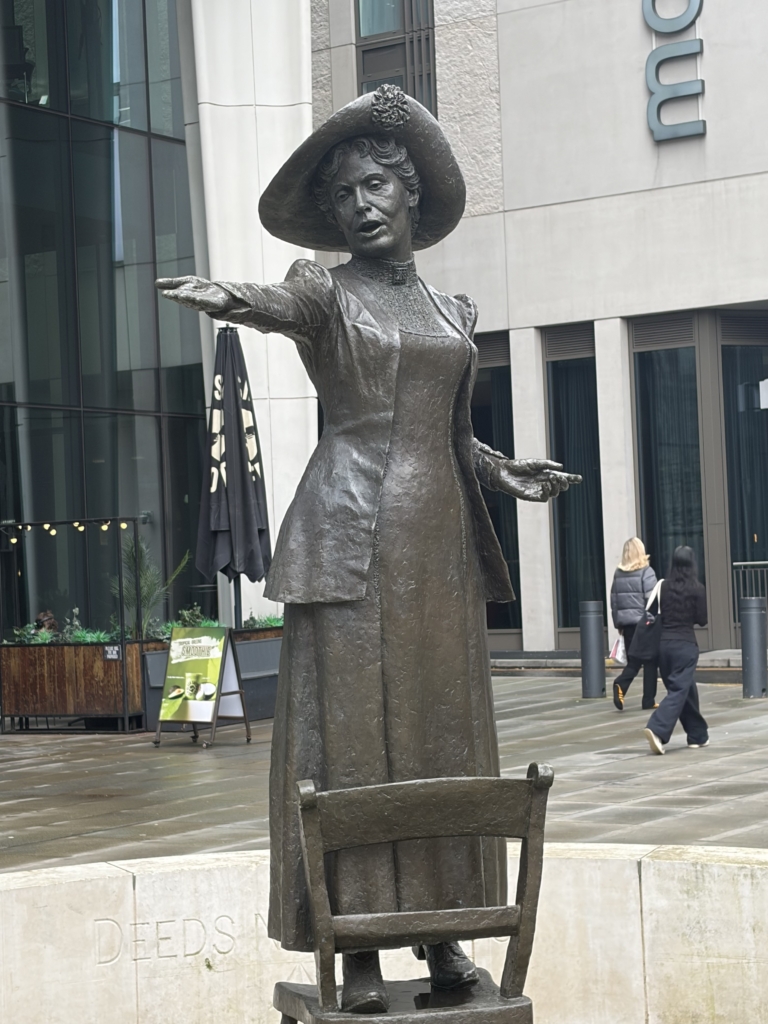
Preparing and choosing where to make the ask is an important consideration for the fundraiser. Where are your potential donors going to be most receptive, have time to listen and engage and understand why you need the funds and what they will be used for.
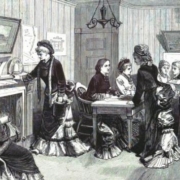
Victoria Baths in Manchester, founded in 1906, was a public baths. They had a laundry to wash the towels used in the baths but in order to earn more money they used it as a laundry where people could pay to come to do their washing. This was a segregated – female only space. It was a space used by Emmeline Pankhurst to champion the cause, to educate and explain about the fight for vote.
Think about where you can make the case without being disturbed.
7. Legacies often save the day
In the 1850s and the 1860s two legacies (one from Francis Jordan and one from Charles F Hovey) helped advance the cause when it has stalled. Mrs Frank Leslie left all her estate to Carrie Chapman Catt for the suffrage movement and that large and unrestricted gift is credited for helping the cause in the US.
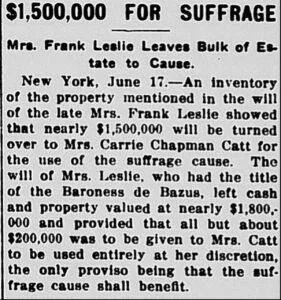
A common theme in fundraising when all looks bleak and legacy suddenly comes in and saves the day/balances the books!
8. Dreams do come true!
Anonymous donors who pay salaries
On the wish list for fundraisers and realised by Pauline Shaw who gave anonymously from the 1880s and more than was asked for to support salaries.
9. Fundraising is emotional and hard work
“more than half my spiritual, intellectual and physical strength has been expended in the anxiety of the getting the money to pay for the Herculean work that has to be done in our movement“
Susan B Anthony
Plus ca change.
10. Name it & Publicity matters
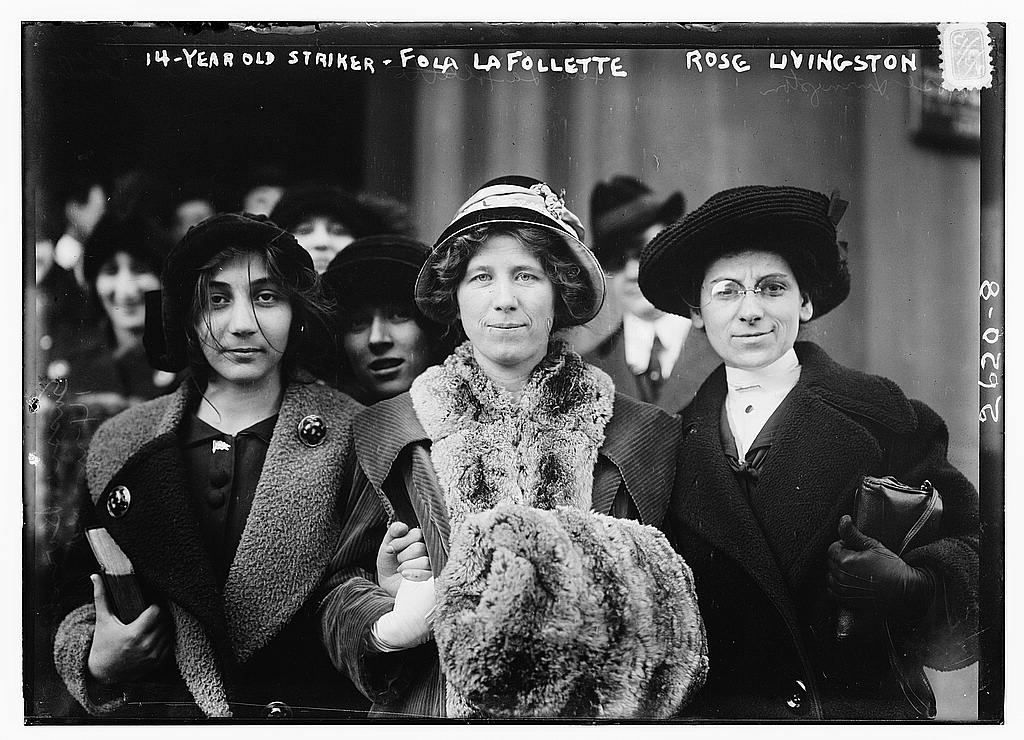
Once something has a name it becomes more concrete in our brains (known as the Sapir-Whorf hypothesis or linguistic relativity). In New York, in 1909 wealth donors supported the Shirtwaist Strike (female garment workers) – the presence of wealthy women not ordinary campaigners on the strike attracted more press attention. They were named in the press as the Mink Brigade. Having a name (Mink Brigade) shapes our understanding and perception.
The tactic of getting well known people or influencers to be involved in campaigns is not a new thing.
“a society women in a street corner soap box is worth reporting in the papers”
Louisine Honemeyer allowed herself to be arrested more publicity
Mary Simpson Sperry to Phoebe Hearst
“We need financial aid for this campaign but far more than that we need the public utterance of women beloved and respected … your influence, dear Mrs Hearst will be on untold assistance to us”
And the right amount of flattery!
And a word of caution … don’t treat donors like an ATM
“I feel as if I were nothing but a money machine”
Margaret Dreir Robbins
So said Margaret Dreir Robbins in 1921 we need to be careful not to take the wealth and willingness of our donors and not to treat them like a cash machine! Even over 100 years ago a danger for fundraisers.
The history of suffrage fundraising.
Fundraising is seen perhaps an adjunct, a means to an end, and not as worthy of study in itself. What can be gleaned about the fundraising history is told through asides in the history of suffrage and other movements.
The focus so far has been on the historical change and not the fundraising.
When the histories of these movement are written, because histories is written by the victors, tend to focus on the social change and ignore the role that money played in social change.
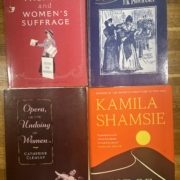
Joan Marie Johnson argues that histories of the women’s suffrage movement marginalise the role of wealth and tend to lead with the grass roots activist. She argues that the movement resented the wealthy women’s influence and when writing memoirs their involvement has been downplayed and most historians have used their narratives to shape the wider history.
More research is needed into how the Suffrage movement was funded and how they raised funds.
Renowned British social historian Frank Prochaska argues that the sophisticated organisation of female-led charity collections in the early 19th century paved the way for the suffrage movement, giving women the skills and legitimacy to act charitably outside of the house. These skills placed the movement in a stronger place and led to change in the law quicker.