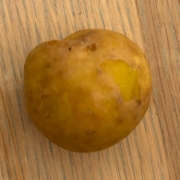
Potato, potato – let’s call the whole thing off
(Does anyone actually say po-tat-toe?! And not Poh-tay-to)
Are you turning your cause into a potato?
Reading ‘Inside the Nudge Unit’ by David Halpern and how small nudges can make a big difference in everything from speeding, to tax collection and organ donation I was really struck by this story about potatoes. Stay with me…
It all comes down to a Prussian king and a humble root vegetable and leads us to some great lessons on persuasion, nudging and how you can apply that to your fundraising.
So first a Prussian king and a potato
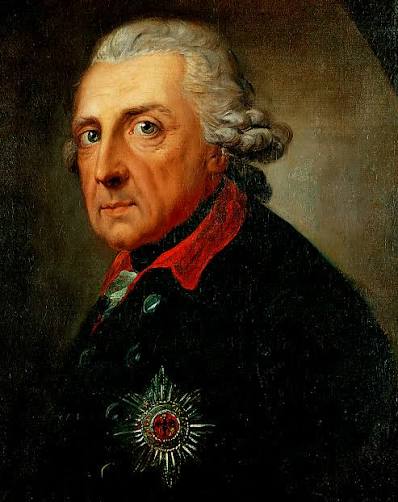
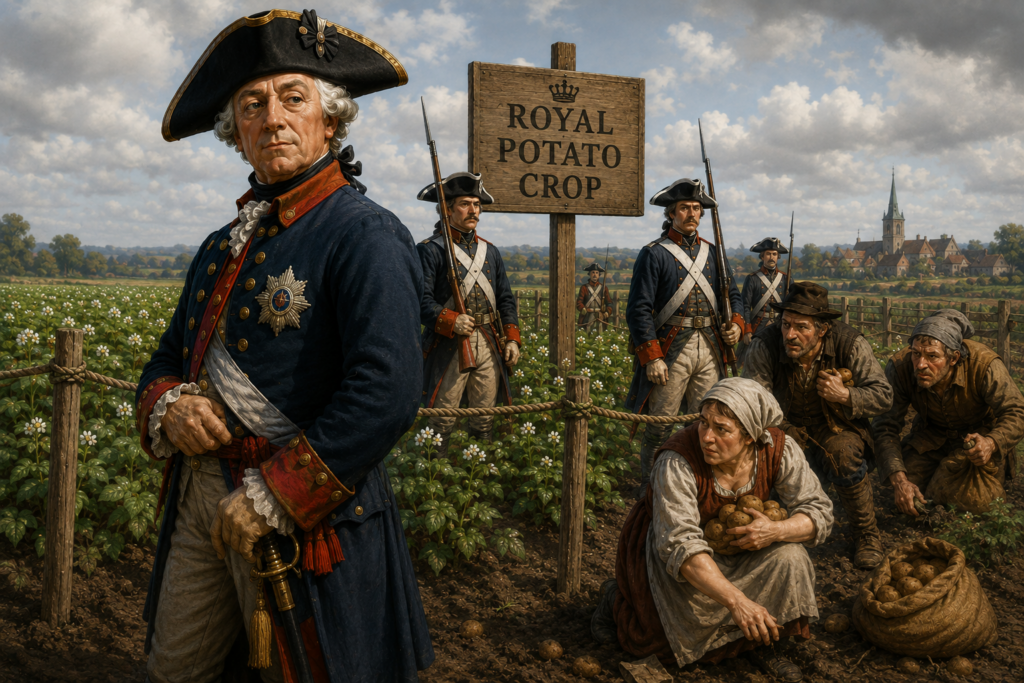
Frederick the Great, eighteenth century Prussian king, wanted his people to grow and eat potatoes. He ordered Kartoffelbefehl – edicts ordering that potatoes were planted and grown. They were nutritious, resilient and could help prevent famine. But there was a problem. People didn’t trust potatoes. They were seen as strange, foreign and even dangerous. So they wouldn’t eat them. Rationally, they answered a need but emotionally they were rejected.
In an infamous (possibly apocryphal) example of the application of decision science and nudging Frederick the Great changed the the whole narrative
Instead of leaning in hard to the rational approach and doing a public education campaign on the nutritional facts about potato or agricultural yield (a classic System 2 approach), he made potatoes appear scarce, royal and desirable. He planted royal potato fields and had them guarded. Not heavily guarded – in fact the guards were encouraged to be lax in their guarding duties. He wanted the guard to signal value to the people – to show that the potatoes were worth guarding na desirable.
What happened?
People began to steal the potatoes.
The same people that had rejected them now wanted them. Why? Because their meaning had changed. Potatoes were no longer “suspicious roots”. They were something the king valued. They were guarded. They became worth stealing.
Behavioural science helps us understand why this worked.
First, scarcity. We place higher value on things that appear limited or restricted. If something is everywhere and freely available, our brains discount it. If it is rare or protected, our brains assign it value and it becomes increasingly attractive.
Second, authority messengers. If the king values something, it must be worth valuing. The messenger who communicates with us influences how we hear the message. In eighteenth century Prussia, the king was a powerful messenger – we can use the authority of the messenger to short circuit whether we ought to listen.
Third, reactance – when something feels restricted or forbidden, we want it more.
“Picture reactance as something that turns your lovely reader into a wilful teenager. One with the tendency to do the exact opposite of what you ask them to do”
– Lisa Sergeant
The guards guarding (but not working too hard at it) created just enough friction to trigger desire without making access impossible.
Fourth, framing. The frame we put around an idea changes how we think about it. We believe the story that we tell ourselves. The potato itself did not change. The story around it did. And that story changed behaviour.
Why should we as fundraisers care about it?
Because this is fundraising.
Too often, we present our causes like the early potato – rational, worthy, full of facts and benefits. We explain reach, impact, efficiency. We assume that if people understand, they will act.
But like the Prussian farmers, our supporters are not making decisions purely on information. They are responding to emotion and to cues about value, meaning and desirability.
The perception of the potato changed – not the potato itself.
What can fundraisers learn from the potato?
1 Make Value visible
If everything is available to everyone, it can feel less valuable. Limited opportunities, exclusive access or matched funding windows can increase perceived importance and urgency.
2. Use signals of importance
Leadership gifts, named supporters, or visible champions act like the “royal guard”. They signal that something matters and is worth attention.
3. Frame, don’t just inform
The way you present an opportunity matters as much as the opportunity itself. Story, context and symbolism shape behaviour more than raw data.
4. Lean into curiosity
People are drawn to what feels slightly out of reach. A sense of discovery or insider access can be more motivating than full transparency upfront.
5. Test, don’t assume
What feels logical (telling people potatoes are good for them) may not work. What feels counterintuitive (guarding them) might. The only way to know is to test.
Like many behavioural science insights, the lesson is both simple but powerful.
We think we make decisions based on what something is.
In reality, we make decisions based on what it means.