Take Back Your Mink! Fun fundraising lessons from ‘Guys & Dolls’
Inspired by a blog a few years ago looking at some fun fundraising ideas from My Fair Lady with Dominic Haddock & having enjoyed the Bridge Theatre’s Guys & Dolls here are a few fun and silly ways this classic musical could inspire your fundraising …

.
1. Where to host the crap game
“The Biltmore garage wants a grand
But we ain’t got a grand on hand.“
The search for where to hold your events can be problematic – as you return to the same venues year after year with the same issues.
What is their eventual solution? Hosting the crap game in the mission whilst Sky takes Sister Sarah to Havana and eventually decamping to the sewers – demonstrating the need for creative solutions to repeated problems that we have (just maybe not in a sewer!)
2. Red carnations to get into the crap game
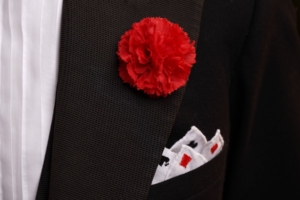
When they do decide on where to host the game, they need a signal to know who is coming to the game. The gamblers all wear red carnations and they tell Lt Branigan it is for Nathan’s Bachelor party. Identity, and signalling identity, can be really important to supporters – whether that is through the name that you give them as a group or circle of supporters, or provide other ways for them to identify themselves to other supporters or signal their status – from enamel pin badges, ties, tote bags to names on donor walls.
3. Take Back Your Mink
“Take Back your pearls, what made you think I was one of those girls…
Take Back the Hat, the shoes and the gown,
I may be down but I’m not as flat as all that.
But when I think about what you want in exchange…”
There seem to be three potential lessons here for the fundraiser … all about the importance of saying no and walking away from bad or demanding relationships.
- The importance of saying no when funding expectations are too much. We have all been there when a gift is being discussed and the demands of the donors become greater and greater. No matter how far you have got in the relationship when the expectations are out of balance you need to remain true to your mission, values and the integrity of the work and walk away and refuse to cooperate is sometimes the best thing you can do
- This could equally apply to the donor, and how they might experience the fundraising courtship process of soliciting a major gift and the expectations that the charity might have on the donor in terms of financial commitment, and other expectations (opening address books, networks or time), and again the need to step away from that relationship
- More problematically it could apply to the power imbalance between a major donor and an individual fundraiser and inappropriate propositions made in order to secure a gift, again a time to remove yourself from the situation.
The song always end with the dancers rushing back on stage and retrieving the gown, mink, gloves, pearls etc., and challenging the audience
“Well, wouldn’t you?”
Which rather depressingly might speak to the fact that charities sometimes still accept the money despite the unreasonable the demands, or ethics of a donor. Do charities sometimes accept the money because they need it even when they have misgivings about the relationship?
And an added extra
My parents saw a production of Guys and Dolls years ago, and still have a garter thrown into the audience during this scene. Souvenirs are really important for supporters to remember those key experiences – in arts charities that can be programmes, ticket stubs but for super engaged fans they can be bit of the curtain or carpet. One donor I knew had a drawer full of these souvenirs – they funded a lots of arts education so it included mini sets created with match boxes and blood stained handkerchiefs from prop makers workshops. These tangible reminders of support help create memories, and remind us of those powerful experiences.
4. “Sit Down You’re Rocking the Boat“
A negative view means this might mean that charities stick to their knitting in the infamous words of the former MP for civil society.
But I prefer to think of this as as – always have an encore built in.
‘Sit Down You’re Rocking the Boat’ is scheduled to be the showstopper moment in the show, and has several pre rehearsed encores built into the show.
How can you build an encore into your supporter care and experience?
5. “When you see a guy reach for stars in the sky
You can bet that he’s doing it for some doll.”
The song speaks of guys doing out of character things to impress the women in their life – a phenomena called the peacock’s tail.
In evolutionary terms, the peacock’s tail is costly signalling and is there for sexual selection – peahens have evolved to show a preference for mates with brighter feathers and bigger tails. The tail serves to advertise the health and status of the peacock. In survival terms it makes the peacock more attractive to others – but this comes at a cost – the tail is cumbersome and would slow a peacock down if under attack. It is a calculated cost risk to advertise so blatantly. So peacocks have evolved to have brighter feathers and bigger tails.
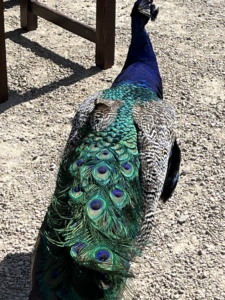
Being philanthropic or altruistic is a way in which humans can do costly signalling.
When performing in front of a female audience, in a lab setting, men have been shown to be more philanthropic and demonstrate their kindness and altruism (in lab experiments, this behaviour was not seen in females). Men’s contributions doubled when they rated the female observers as more attractive.
This behaviour is not just seen in a lab but in real life – people can be more generous in public – at a charity auction – with a ballroom full of people watching – this is known as competitive altruism – and can be used as a powerful way to enhance reputation, signal your suitability to be a caring partner and good gene quality
Researchers (Iredale & Van Vogt, 2009) have posited that the ‘altruism is sexy’ then charities could use that in communications to promote more public prosocial behaviour.
6. “Luck be a lady tonight“
Despite the best strategy, plans, introductions and aspirations there is always an element of rolling the dice and luck in fundraising.

7. “This is not a charity contribution, this is a business transaction”
Says Sky Masterson giving his marker to Sister Sarah Brown for two dozen genuine sinner – we all think about gifts in different ways – sometimes the gift is purely altruistic, sometimes fulfilling an obligation, sometimes business – to gain access, power or status. It is important to know how your donor might be thinking about their gift.
8. And the power of reinvention
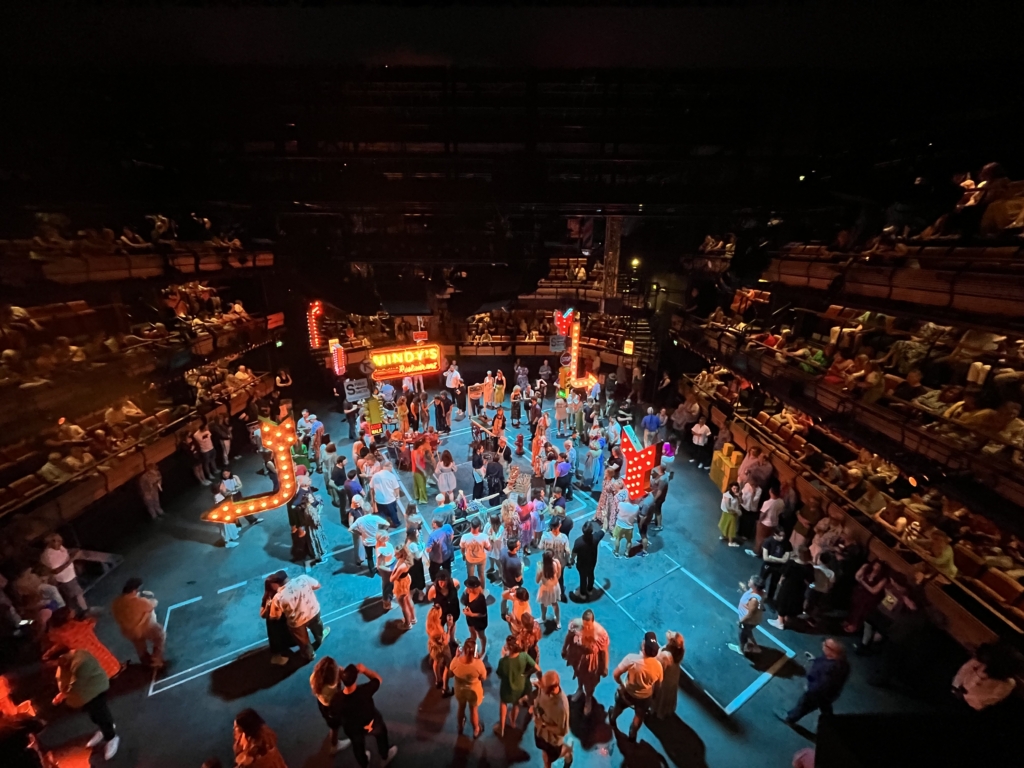
The Bridge Theatre version of the show, directed by Nicholas Hynter, has been running for over a year. It stages the musical, traditionally done in a Proscenium Arch (picture frame) theatre in a new immersive setting. The audience are on all four sides and you can buy tickets to stand, and with a standing ticket you get moved around an ever moving set with platforms rising and falling as you are guided into the right spaces by an ever dedicated team of front of house staff. At the end there is a party, with members of the cast and audience members dancing together.
To take a well known stage musical from the 1950s musical and keep its essence but reinvent for a new space – how can your fundraising learn from that?
Caveat – these are deliberately fun and slightly trivial examples – and it is not to downplay the problematic nature of a period pieces of theatre with issues of gambling addiction, alcohol abuse amongst many others.