Legacies – some quirky legacy stories
Here are a few quirky and unusual examples of legacy giving from the fundraising history archives and some reflections on how they might help us think about legacy giving today.
Legacies – continue your in life passions
Pliny the Younger, a first century Roman letter writer, lawyer, author, magistrate and sometime philanthropist, is the first noted library donor. He donated over 1,600,000 sestertii to construct the library at Como with additional funds to maintain it. Like many funders, he paid in instalments with the largest 1,000,000 sestertii to fund the building but also made maintenance instalments (always important to convert capital donors into revenue ones.)
Pliny’s will details his bequests for the public good including gifts to the public baths and their upkeep (we like a legacy bequest that comes with maintenance costs.) In his will, he also supported Freemen of the city which included spend on an annual dinner. The will does not include another gift to the library but notes his life time gifts which included 100,000 sesterii for the upkeep of the library.
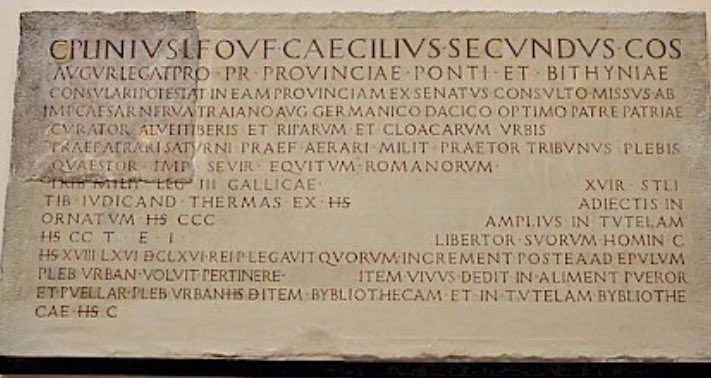
For Pliny his in life charitable commitments were reflected in his bequests.
Two of the architects working on the construction of Utrecht Cathedral also left gifts to support the building of the cathedral – here their professional identity was reflected in their legacy gifts.
Other food related legacies
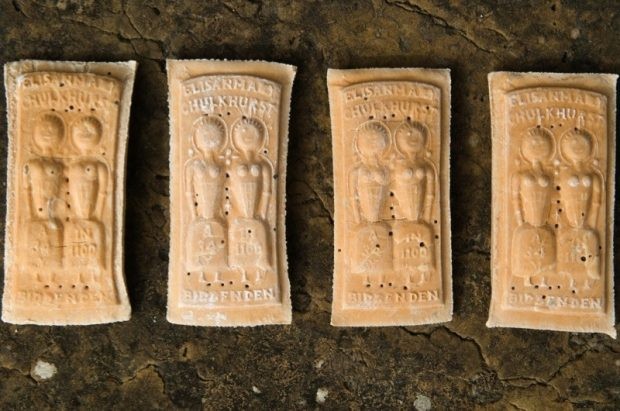
Say it with biscuits – Bibbendum Dole
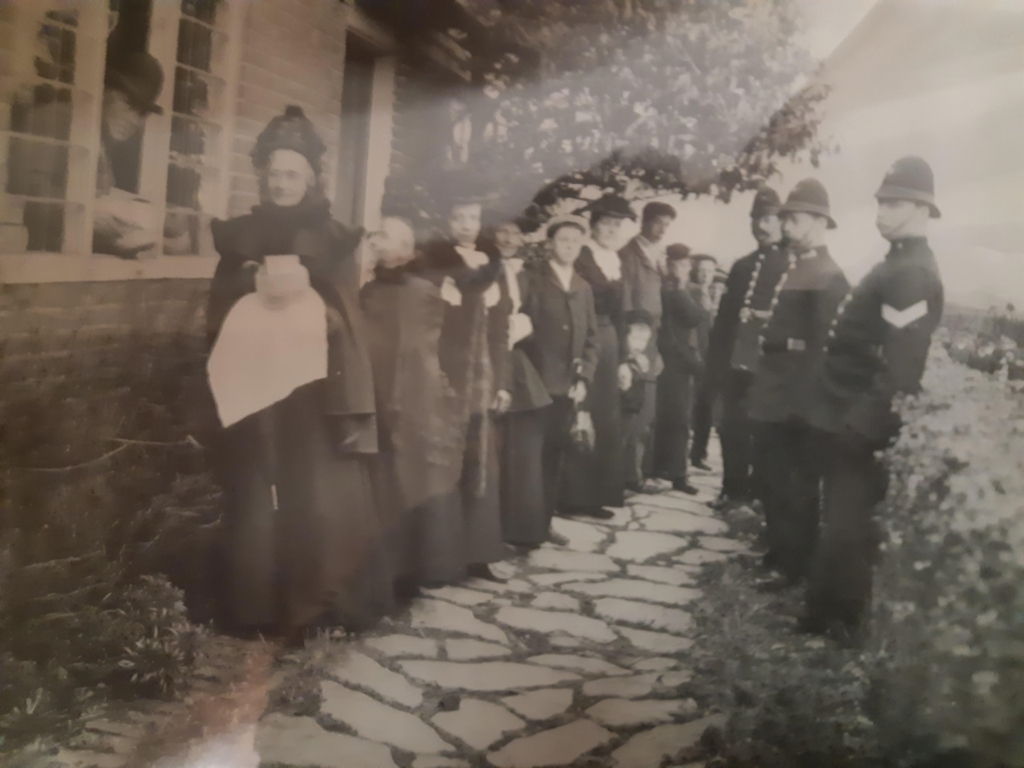
Born in 1100 conjoined twins Eliza and Mary Chulkhurst were conjoined twins. They died aged 34 within 6 hours of each other, and in their will left the church land and the means to provide a charitable dole for the poor, needy and elderly of the village. This was bread and cheese and at some point this evolved into biscuits depicting the two twins. The biscuits are reportedly very hard and not super tasty. Today as well as biscuits a church ceremony takes place and the elderly get tea, bread and cheese – as well as the biscuit.
Bread or cake?
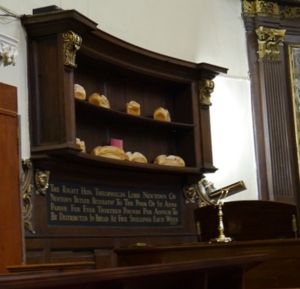
Since 1723 and the legacy of Lord Newtown of Newtown Butler there has been a bread shelf at St Ann’s Church Dublin where every day there is bread for the hungry of the city.
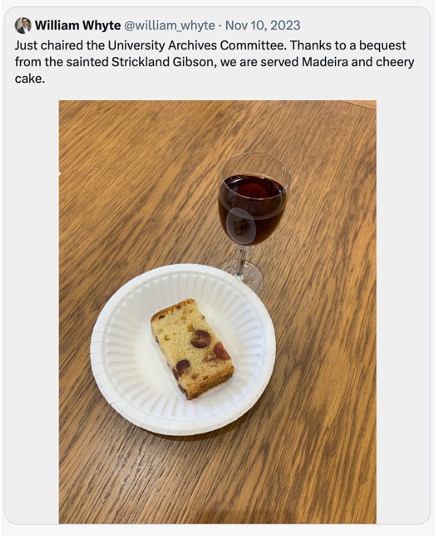
In 1958 Strickland Gibson died. He was the Keeper of the Archives at the University of Cambridge – his legacy lives on to this day with a stipulation that Maderia and cheery cake are served a the University Archives Committee.
Small and kind acts
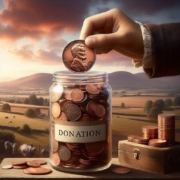
Legacies don’t need to be big to be effective; how about the widow who required that sixpences be put on her grave every Good Friday for aged and infirm women to visit and pick up
But also more personal and odd bequests
A donor named Henry Greene who died in 1679 left money to clothe four women in green waistcoats (to be lined with green galloon lace) and to be delivered on 21st December every year so they could wear their green waistcoat at Christmas.
Why can’t the English teach their children how to speak?
So asks Professor Henry Higgins in George Bernard Shaw’s ‘Pygmalion’. Professor Higgins fascination with language was also reflected by Shaw.
Shaw died in 1950, aged 94, after falling from an apple tree.
The residual part of his estate was divided three ways:
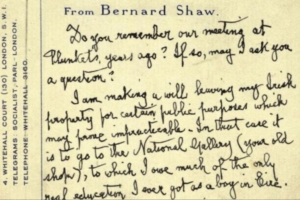
- 1/3 to the National Gallery of Ireland inspired & in thanks for ‘priceless part’ of his education and childhood (and the legacy group at the gallery is called Shaw Circle)
- 1/3 RADA
- 1/3 to the British Museum and improvement of the Reading Room.
These legacies were to be paid from the copyright from his plays, but the success of the ‘My Fair Lady’ film made these more substantial than he might have envisaged and a legal battle ensued.
One clause that he added and that was hard to interpret and enact was for the reform of the English language a rational spelling system based on phonetics and a simplification of the alphabet
The will was challenged on the grounds that waiting for the reform of the English language might take until Doomsday. This dispute went on for 49 years – during which time the British Museum and the British Library split to be separate entities.The library argued from the start that it, not the museum, was clearly Shaw’s intended beneficiary, since his will acknowledged “the incalculable value to me of my daily resort to the reading room of the institution at the beginning of my career“.
The museum kept the money, and the row deepened last year when the Library moved out of Bloomsbury into its new home at St Pancras, central London, where it was so cash-strapped it threatened to charge for readers’ tickets. An agreement was finally reach in 1999 with a formal handshake by Graham Greene, chairman of the museum, and John Ashworth, of the library.
Another literary legacy was Dorothy Parker who left her entire estate to Martin Luther King Jnr but had never met him, after he was assassinated the copyright for her works moved to the N.A.A.C.P. (National Association for the Advancement of Coloured People_ which still approves use of her work and benefits from her estate.
Importance of super clear instructions in your bequest
Like George Bernard Shaw’s bequest the exact wording of Miss Frances Ethel Scarborough’s will caused controversy and ultimately meant her will could not be enacted as she planned.
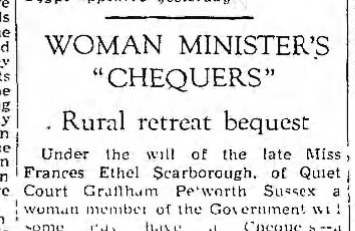
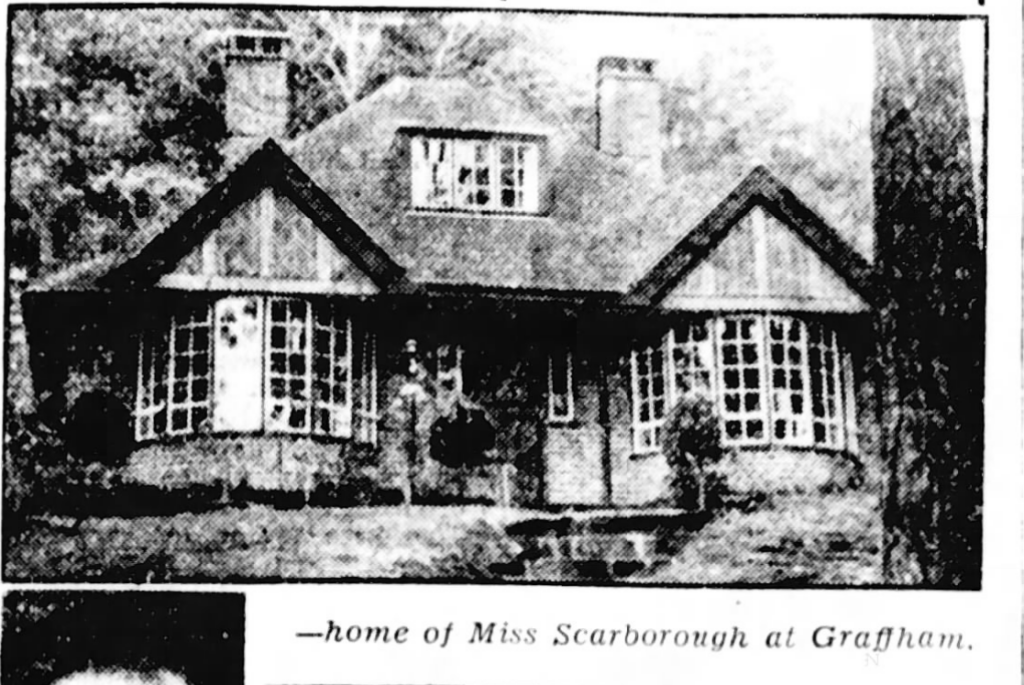
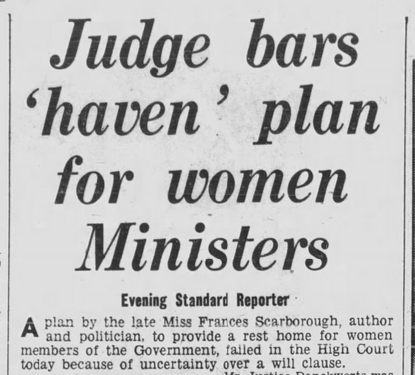
Ethel Scarborough once stood in parliament against Nye Bevan and had been a Conservative Councillor. She died aged 76 in 1956 and wanted to reflect her passion for politics in her will. With no children or dependents her will left her 5.5 acres of land in Graffham Sussex known as Quiet Corner to the most senior woman in the British government – a ‘Woman Minister’s Chequers’ was gifted to the nation, but it was never used by any female ministers. Her siblings challenged the bequest arguing there was not enough money to maintain the property for the nation. Judge Danckwerts was called upon to adjudicate the will and there was debate about how to ascertain who was the most senior female politician. He asked ‘We know what the word woman means, but what is senior? And what is a senior member?’ – there were two potential candidates at the time Edith Pitt (junior pensions minister) or Patricia Hornsby-Smith (junior home office minister). With no agreement on whether senior refried to age, rank or length of service the will was ruled void, depriving the nation of this unique gift.
Meet Callum – you want my money, you hang a portrait of my dog
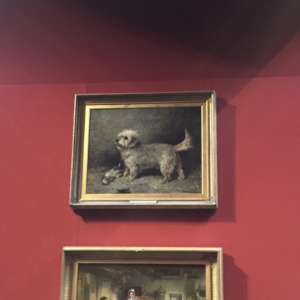
Callum was a Dandie Dismount terrier owned by James Cowan Smith – and James Smith loved this dog do much that he commissioned his portrait by artist John Emms. When James Smith was thinking about his legacy he left a bequest to the National Potrait of Scotland of £55,000 in 1919 on the condition that this portrait of his dog was displayed in perpetuity. It is still in the gallery and has helped pay for for El Medico by Goya, Dedham Vale by Constable and Lady Agnew by John Singer Sergeant.
Alas, Poor Yorrick, I knew him Horatio
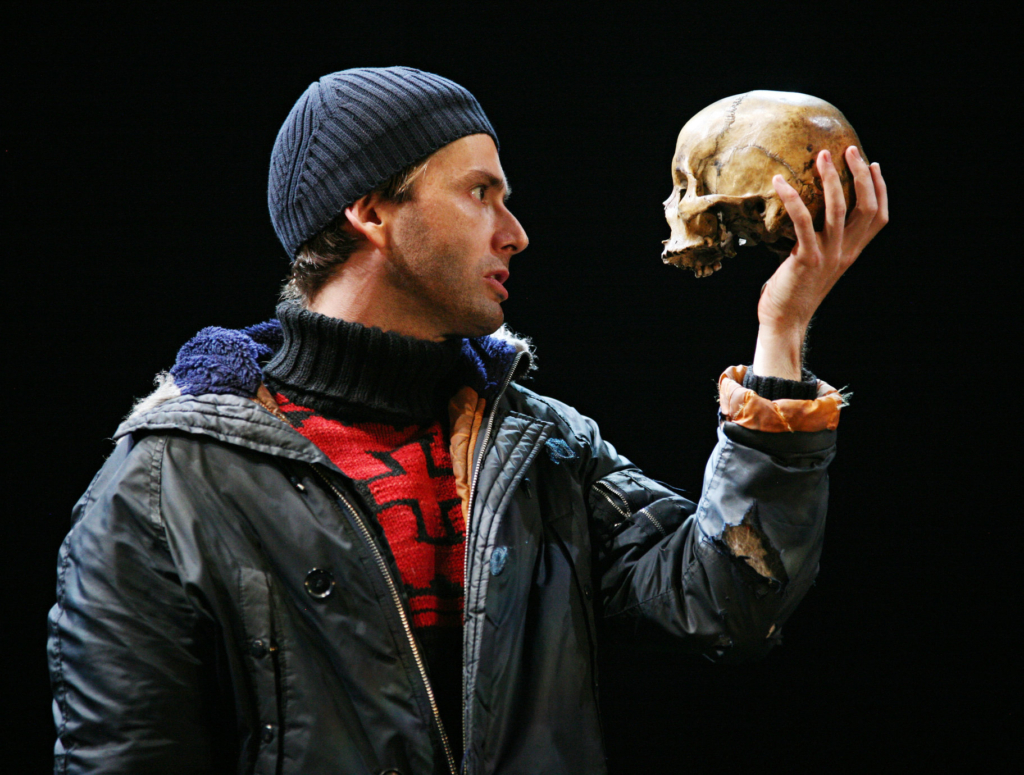
The skull used by the RSC for every production of Hamlet is the result of a legacy gift from Polish pianist, André Tchaikowsky, in 1982 – he left his body to medical science
‘with the exception of my skull, which shall be offered by the institution receiving my body to the Royal Shakespeare Company for use in theatrical performance’.
It was in the prop box for 25 years before its first official outing in David Tennant’s Hamlet (Mark Rylance reportedly rehearsed with it but he didn’t use it for the final performance)
Beautify the city you love
‘Loopy’ Lillie Hitchcock Coit gave $100,000 to the city she loved – San Francisco ‘to be expended in an appropriate manner for the purpose of adding beauty of the city which I have always loved’. This gift resulted in the Coit Tower erected in 1933 in San Francisco.
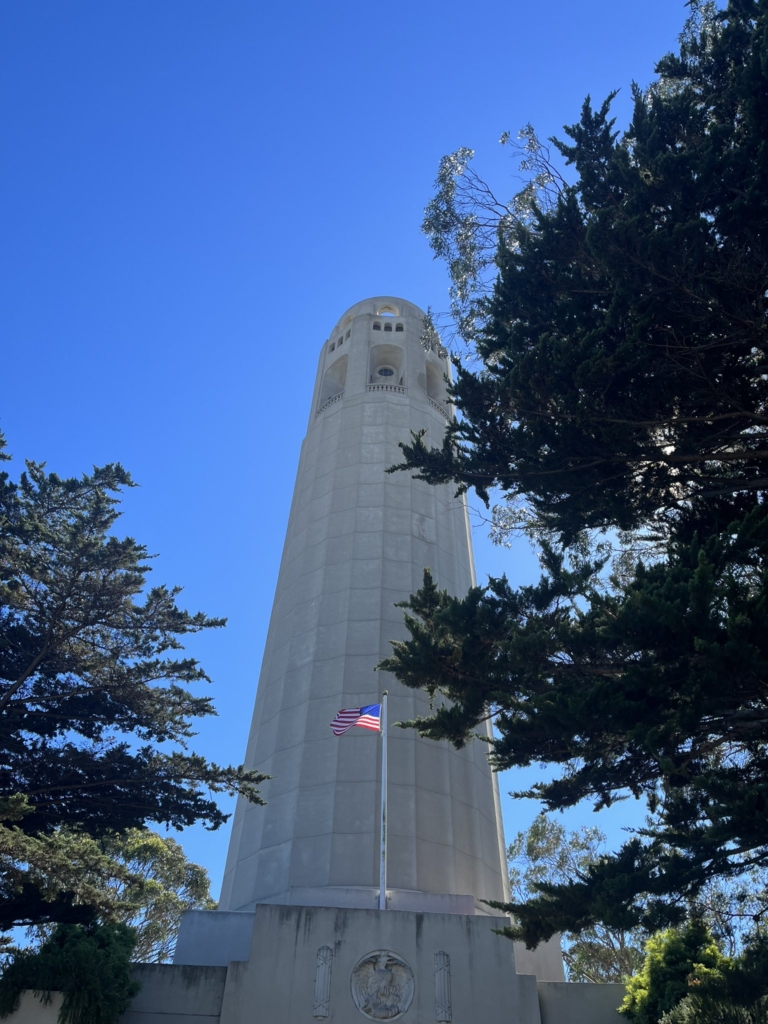
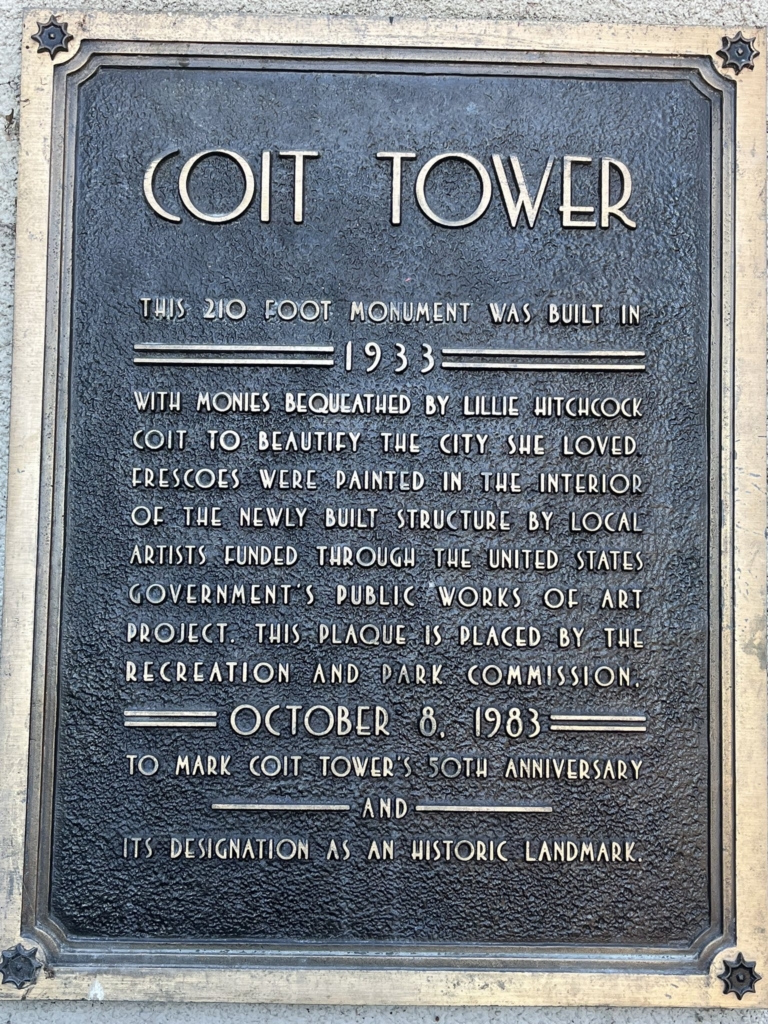
Lillie was a huge fan of the fire service and used to volunteer to help. She used to leave society balls when she heard the fire truck. The Coit Tower which her legacy created supposedly resembles a fireman’s hose.
Super fans, super loyal but also need super care
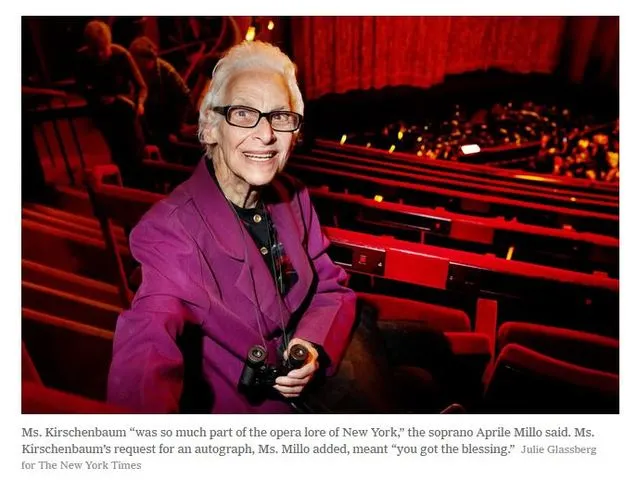
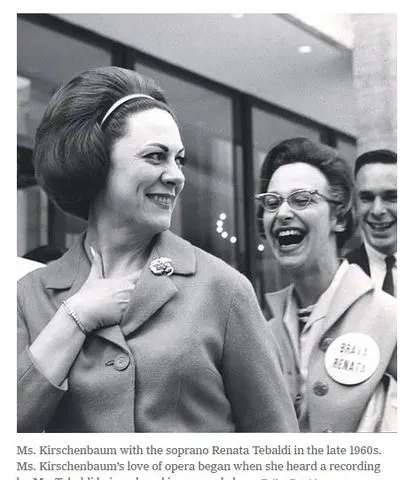
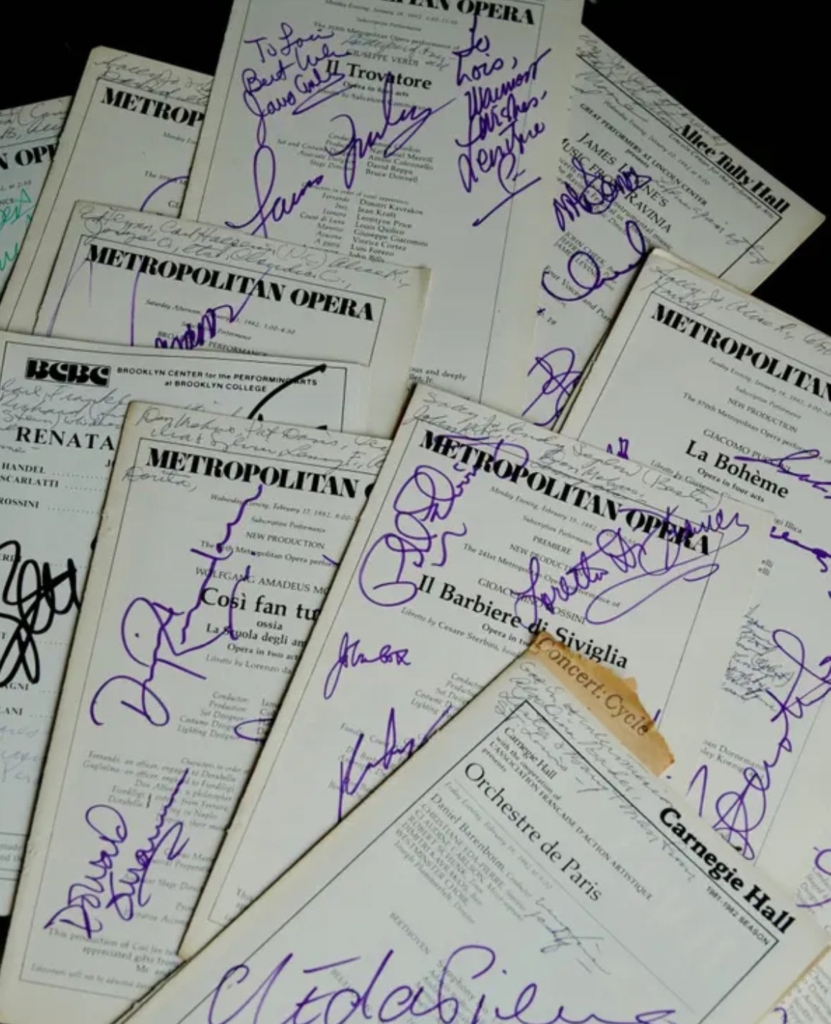
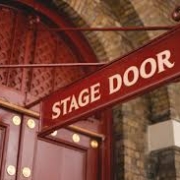
Since the 1950s Lois Kirschenbaum attended nearly every performance and always hung around stage door to get her programme or ticket signed. She was an opera super fan, although the data collected would not have shown her up as a potential major legacy giver. Lois Kirschenbaum bought standing places. She was legally blind and watched the opera through big binoculars. She lived in a rent controlled apartment, worked for a charity and caught the bus to the opera. However the lived frugally and left $4m to 18 charities giving $1.7m to the arts but not to the Met Opera because of a decision 30 yrs ago not to let her backstage to continue to gather the signatures she loved. Often legacy pledgers are not big donors in their lifetime but their gifts reflect a lifetime of connection.
So what can we learn from all of this and how does that us help encourage our lovely supporters to remember us in their wills?
- Identity is important – whether that is regional and place based, or connected to cultural identity
- Donors want to make an impact with their legacy gifts – whether it be big or small
- In life giving often predicts legacy gifts
- Sometimes you have to honour a quirky bequest to get the money
- Look after your donors – they may be super loyal but loyalty does not guarantee a gift if what you do annoys them
- Encourage supporters to talk to a legal professional so that whatever their particular conditions in their will can be legally honoured and enacted