Fundraising in the Spirit of Lilian Baylis
Lilian Baylis asked boldly, built community and made giving tangible. Her example shows us how to keep opera open to everyone.
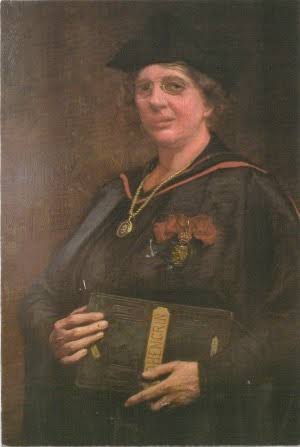
Lilian Baylis was one of Britain’s most influential theatre impresarios and entrepreneurs, and the founding pioneer of English National Opera, the Old Vic (which became the foundation of the National Theatre) and the Sadler’s Wells Ballet (which became the Royal Ballet). Her belief that great art belongs to everyone indelibly shaped the country’s cultural landscape. It still shapes ENO today, where under-21s come for free and accessible ticket pricing is key.
On 25th November, we mark 89 years since she died.

Why Baylis still matters
Lilian Baylis was not simply an historic founder. She was a practical, persuasive and deeply entrepreneurial fundraiser. She understood that great art needs people behind it – audiences, artists, advocates, donors, volunteers and friends – and she was never shy about asking them to play their part.
Fundraising can sometimes sound separate from the art, as if the work sits on one side and the money on the other. Lilian never saw it that way.
For Baylis, fundraising was part of the artistic mission. She asked because she believed the work mattered, and because every audience deserved opera of the highest quality. She knew that great art only happens when people stand behind it and put their hands in their pockets. She is said to have wandered around the theatre asking audience members: “Please give us some money, my dears.”She understood that if people love something, they will want to help sustain it.
Her ethos was rooted in access, excellence and shared ownership. She believed that opera, theatre and ballet should belong to everyone, not only to those who could already afford or reach them. That belief remains central to us: we raise funds as an invitation to help keep exceptional art alive – open, accessible and daring.
What Baylis did — and what we still do today
- Lilian asked clearly. Baylis’ famous directness reminds us that fundraising works when the need is visible and urgent. We should say plainly what support we need, ask people who care to make it happen, and make the impact clear.
- Lilian built a community, not a transaction. The Vic-Wells Association linked audiences, artists and management through regular communications, public acknowledgement and personal thanks, making supporters feel part of the story. Our supporter journeys, events, stewardship, membership communications and personal relationships should do the same, so that people feel part of the company – now and in its future – rather than outside looking in.
- Lilian was visible. Baylis fundraised from the stage, in the building, in letters, in speeches and in the wider public conversation. The lesson for us is presence: we should be where the energy is – in the auditorium, at events, in rehearsal rooms, with artists, audiences and partners – ready to turn enthusiasm into action.
- Lilian made giving tangible. Baylis understood the power of a concrete need: a building to restore, a salary to fund, a campaign to complete, equipment or support that would make the work possible. Like her, we should turn ambition into specific propositions – a named project, a clear target, a visible result – so that every supporter can see what their generosity unlocks.
- Lilian used every channel available. Baylis embraced programmes, magazines, speeches, press stories, celebrity endorsements, commercial income, merchandise, gifts in kind and even new broadcasting opportunities. Long before “multi-channel” was a concept, she told the story of the work, and why it matters, on every channel there was.
- Lilian was commercially imaginative. Baylis knew that earned income, partnerships, publicity and philanthropy enabled the artistic mission rather than competing with it. Today, commercial partnerships, gifts in kind, preferred suppliers and brand relationships can all express shared purpose when they align with our values and help us make more art for more people.
Baylis’ call to action
Baylis was bold, direct and unapologetic about asking people to join her mission.
“A prayer would be nice but money would be even better.”
There was no elaborate case for support, no glossy brochure and no carefully constructed donor journey. Just a woman who believed passionately in what she was doing and wasn’t afraid to ask people to help make it happen.
We can be too, because fundraising protects, amplifies and extends the art. It keeps art open, ambitious and alive for the audiences in front of us now, and for those still to come.
To fundraise in the spirit of Lilian Baylis, we should be bold, practical and personal. We should ask with confidence, because the work deserves support. We should thank with warmth, because every gift matters. We should tell stories, because people give when they understand the difference they can make. And we should make it easy for everyone – audiences, artists, trustees, colleagues, partners and friends – to become champions for our future.
This is the Baylis challenge for us now: be visible, be direct, be inventive, be frugal where it matters and ambitious where it counts. Invite people in. Give them something concrete to support. Show them the impact. Celebrate their role. Ask again.
Five ways we can be more Lilian today
- Ask proudly: name the need, the target and the impact in every appeal.
- Make supporters insiders: share behind-the-scenes stories, artists’ voices and regular moments of thanks.
- Use the energy of the moment: connect asks to performances, events and moments when people feel the power of the work.
- Think beyond cash: invite gifts in kind, partnerships, introductions, advocacy and volunteer support.
- Keep the mission visible: remind people that every gift helps