• Link to X
  • Link to Instagram
  • Link to LinkedIn
Marina Jones
  • My Thoughts
  • What I’m Reading
  • About Me
  • Contact Me
  • Home Page
  • Click to open the search input field Click to open the search input field Search
  • Menu Menu

Tag Archive for: opera

Fundraising in the Spirit of Lilian Baylis

November 20, 2026/in Thoughts/by admin

Lilian Baylis asked boldly, built community and made giving tangible. Her example shows us how to keep opera open to everyone.

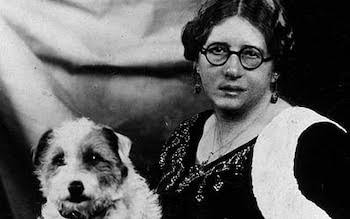
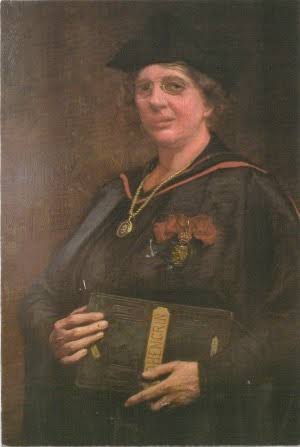
Lilian Baylis was one of Britain’s most influential theatre impresarios and entrepreneurs, and the founding pioneer of English National Opera, the Old Vic (which became the foundation of the National Theatre) and the Sadler’s Wells Ballet (which became the Royal Ballet). Her belief that great art belongs to everyone indelibly shaped the country’s cultural landscape. It still shapes ENO today, where under-21s come for free and accessible ticket pricing is key.

On 25th November, we mark 89 years since she died.
Why Baylis still matters

Lilian Baylis was not simply an historic founder. She was a practical, persuasive and deeply entrepreneurial fundraiser. She understood that great art needs people behind it – audiences, artists, advocates, donors, volunteers and friends – and she was never shy about asking them to play their part.

Fundraising can sometimes sound separate from the art, as if the work sits on one side and the money on the other. Lilian never saw it that way.

For Baylis, fundraising was part of the artistic mission. She asked because she believed the work mattered, and because every audience deserved opera of the highest quality. She knew that great art only happens when people stand behind it and put their hands in their pockets. She is said to have wandered around the theatre asking audience members: “Please give us some money, my dears.”She understood that if people love something, they will want to help sustain it.

Her ethos was rooted in access, excellence and shared ownership. She believed that opera, theatre and ballet should belong to everyone, not only to those who could already afford or reach them. That belief remains central to us: we raise funds as an invitation to help keep exceptional art alive – open, accessible and daring.


What Baylis did — and what we still do today 

  • Lilian asked clearly. Baylis’ famous directness reminds us that fundraising works when the need is visible and urgent. We should say plainly what support we need, ask people who care to make it happen, and make the impact clear.
  • Lilian built a community, not a transaction. The Vic-Wells Association linked audiences, artists and management through regular communications, public acknowledgement and personal thanks, making supporters feel part of the story. Our supporter journeys, events, stewardship, membership communications and personal relationships should do the same, so that people feel part of the company – now and in its future – rather than outside looking in.
  • Lilian was visible. Baylis fundraised from the stage, in the building, in letters, in speeches and in the wider public conversation. The lesson for us is presence: we should be where the energy is – in the auditorium, at events, in rehearsal rooms, with artists, audiences and partners – ready to turn enthusiasm into action.
  • Lilian made giving tangible. Baylis understood the power of a concrete need: a building to restore, a salary to fund, a campaign to complete, equipment or support that would make the work possible. Like her, we should turn ambition into specific propositions – a named project, a clear target, a visible result – so that every supporter can see what their generosity unlocks.
  • Lilian used every channel available. Baylis embraced programmes, magazines, speeches, press stories, celebrity endorsements, commercial income, merchandise, gifts in kind and even new broadcasting opportunities. Long before “multi-channel” was a concept, she told the story of the work, and why it matters, on every channel there was.
  • Lilian was commercially imaginative. Baylis knew that earned income, partnerships, publicity and philanthropy enabled the artistic mission rather than competing with it. Today, commercial partnerships, gifts in kind, preferred suppliers and brand relationships can all express shared purpose when they align with our values and help us make more art for more people.

Baylis’ call to action

Baylis was bold, direct and unapologetic about asking people to join her mission.

“A prayer would be nice but money would be even better.”

There was no elaborate case for support, no glossy brochure and no carefully constructed donor journey. Just a woman who believed passionately in what she was doing and wasn’t afraid to ask people to help make it happen.

We can be too, because fundraising protects, amplifies and extends the art. It keeps art open, ambitious and alive for the audiences in front of us now, and for those still to come.

To fundraise in the spirit of Lilian Baylis, we should be bold, practical and personal. We should ask with confidence, because the work deserves support. We should thank with warmth, because every gift matters. We should tell stories, because people give when they understand the difference they can make. And we should make it easy for everyone – audiences, artists, trustees, colleagues, partners and friends – to become champions for our future.

This is the Baylis challenge for us now: be visible, be direct, be inventive, be frugal where it matters and ambitious where it counts. Invite people in. Give them something concrete to support. Show them the impact. Celebrate their role. Ask again.
Five ways we can be more Lilian today

  1. Ask proudly: name the need, the target and the impact in every appeal.
  2. Make supporters insiders: share behind-the-scenes stories, artists’ voices and regular moments of thanks.
  3. Use the energy of the moment: connect asks to performances, events and moments when people feel the power of the work.
  4. Think beyond cash: invite gifts in kind, partnerships, introductions, advocacy and volunteer support.
  5. Keep the mission visible: remind people that every gift helps 
https://marinajones.uk/wp-content/uploads/2026/11/Old-Vic.jpg.webp 563 1000 admin https://marinajones.uk/wp-content/uploads/2022/12/f2b903e010104f5aa61ea1821a685913.png admin2026-11-20 17:15:222026-11-20 17:15:56Fundraising in the Spirit of Lilian Baylis

Magnanimous, malicious or mysterious intentions?

May 14, 2026/in Thoughts/by admin

Why do people give legacy gifts?

  • To say thank you to a charity.
  • Because of a long term personal connection and how that charity impacted their life and identity.
  • To pay back a kindness.
  • To continue supporting a charity that has been part of their philanthropic portfolio.
  • To immortalise a loved one.
  • To spite a family member.
  • To secure the financial future of an institution.
  • To fund a specific area of work that is meaningful to the donor.
  • To make a difference beyond their lifetimes for future generations.
  • Sometimes the executors decide and make in memory gifts
  • Or are the motives mysterious and unknown, lost in the mist of time

The stories below explore some historic legacies and their motivations – magnanimous, malicious and mysterious

 “It’s all there – beautiful sets, great costumes, great music. What more could you want?”

Within the arts and cultural space legacies that connect with someone’s passion are common. As a way of saying thank you for a lifetime of experiences and making sure that they are there for future generations (it is still there today).

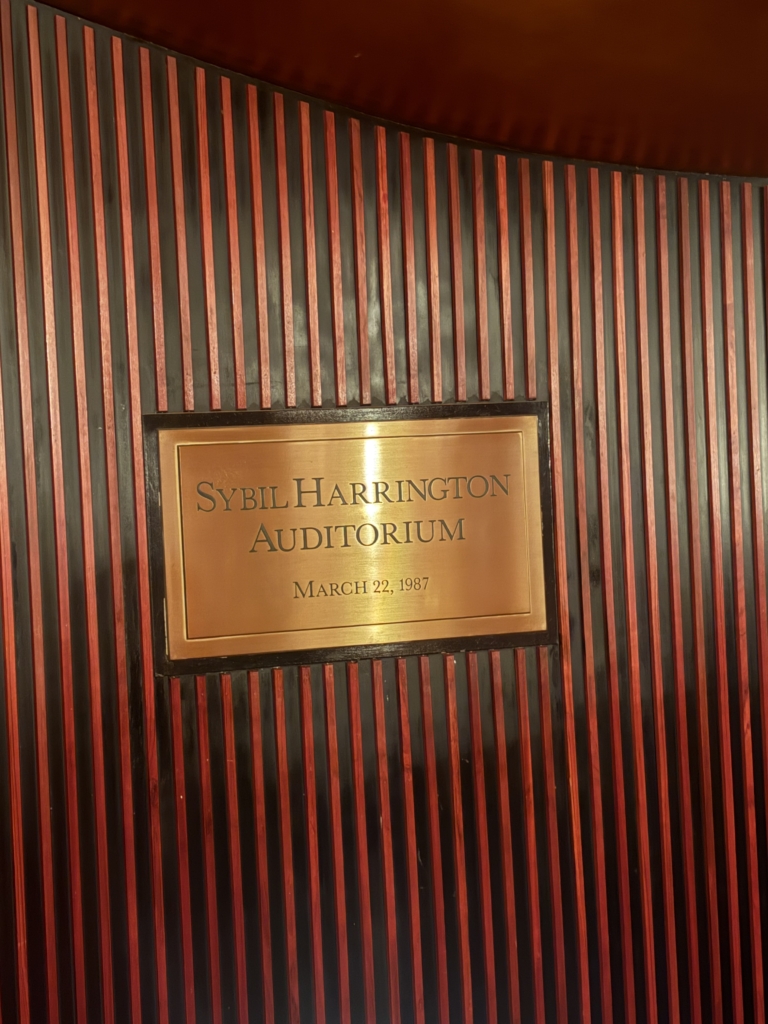
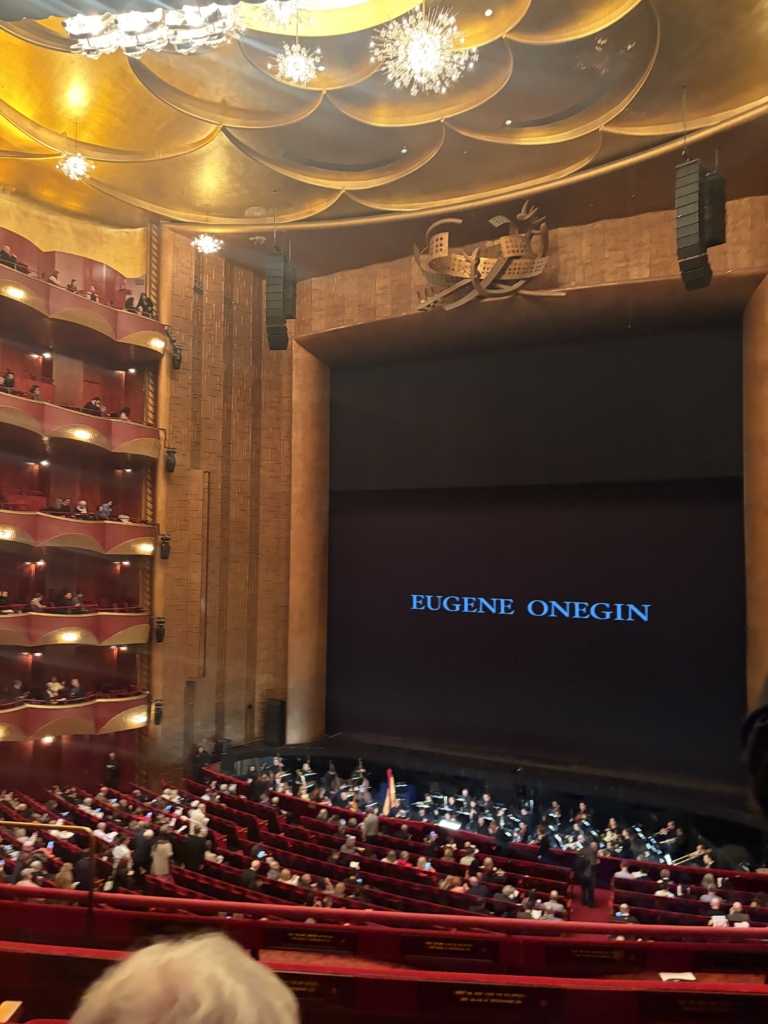
This is the case of Sybil B Harington who has been a major in life donor to the Metropolitan Opera in New York. During her life she gave c$30m to support its work, and the main hall was named in her honour in 1987.

She sat on the board, and funded galas and televised performances and opera. However, she did not just fund any opera, she liked grand opera, done as the original composer and librettist would have wanted (so traditional settings, staging and costumes – think Julius Caesar set in Rome with singers in togas – not in bleak dystopian futures with combat trousers and machine guns).

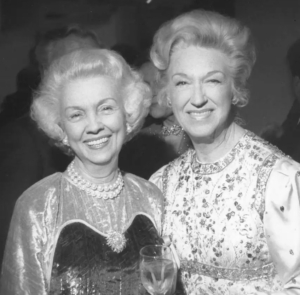
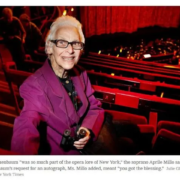
Sybil B Harrington with mezzo soprano Rise Stevens

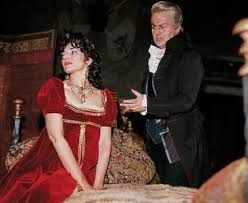
Her gifts supported, amongst others, the iconic but traditional Zeffirelli’s ‘Tosca’ with Maria Callas and Tito Gobbi in the 1960s – a production that was not retired until 2006 (and which I saw several times)

On her death she left a gift of $6m, with $1m to fund young artists, and the rest for “exclusively for the televising of traditional/grand opera productions of the Metropolitan Opera and for no other purposes” and that “these traditional/grand opera productions shall be set in a place and time and staged as the composer placed it.” Her will stipulated:

“…by composers such as Verdi, Puccini, Bizet, Wagner, Strauss and others whose works have been the core of the repertory of the Metropolitan Opera during its first century, with each such new production to be staged and performed in a traditional manner that is generally faithful to the intentions of the composer and the librettist.”

(1987 stipulation for her gift)

The money was invested and each year the Met used the funds. 

Until 2001.

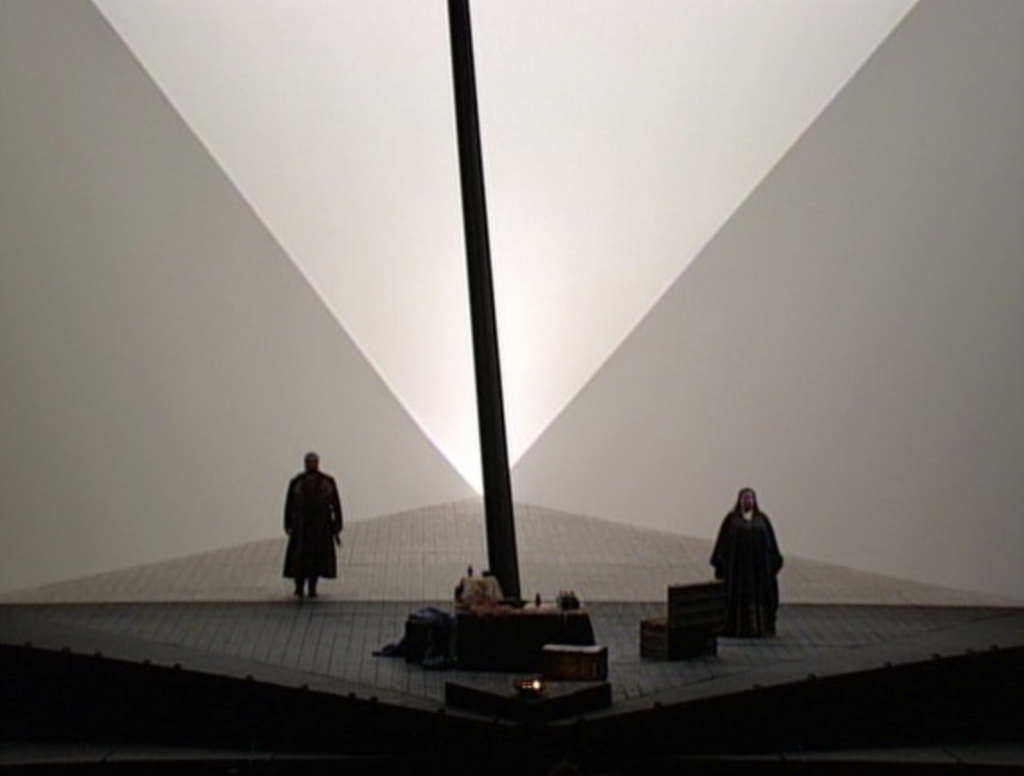
The Met used the fund (which had grown through investments) to televise Dieter Dorn’s production of Wagner’s ‘Tristan and Isolde’. The story is traditionally set in a medieval Celtic world and tells the story of a ship travelling from Cornwall to Brittany. Dorn’s production was minimalist focussing on the emotions and psychology of the characters rather than the ‘visual ballast’ of a boat. Those managing her estate sued the Met claiming that it had breached the terms of the gift and that the production was not traditional and in keeping with the stipulations of the bequest. 

Trisatan and Isolde
Tristan and Isolde

The Met said in the court papers: 

“While not a traditional staging of the opera it was a traditional interpretation and the case was made to the Trust that support of this telecast was in keeping with the wishes of Mrs. Harrington and the stipulation of her estate. We are grateful that the Trustees understood the importance of the ‘Tristan’ telecast and agreed to its funding.” 

The estate said: “The Met’s failure to utilize funds in accordance with Mrs. Harrington’s wishes is not inadvertent or even negligent, but is the result of a willful and calculated intent to disregard and evade Mrs. Harrington’s wishes” 

General Manager of The Met, Joseph Volpe responded: “The charges are untrue and we will show them to be untrue in court. Sybil Harrington was a beloved member of the Met family and we would never do anything to dishonor her wishes or her legacy.” 

Who was right?

The parties settled out of court. 

But Sybil B Harrington’s legacy gift continues, and the credit ‘for her ‘Production a gift of The Sybil B. Harrington Endowment Fund’ is on streamed performances for the 2026/27 season at the Met.

Say it with flowers

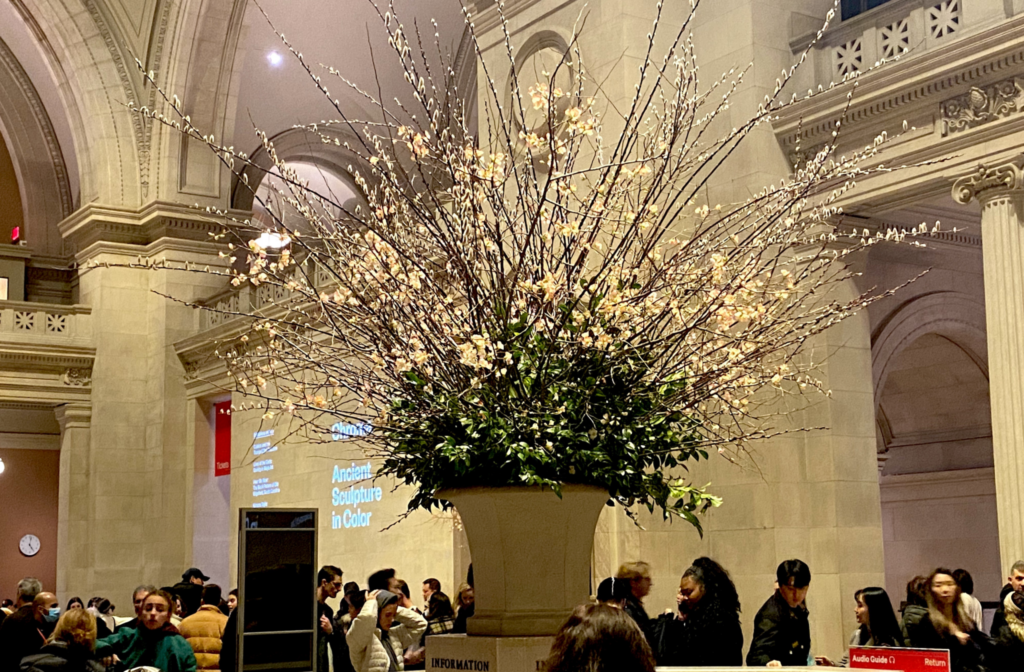
Another lovely example of a way in which in life giving continued in death is the story of the flowers in the Met Museum in New York. In the late 1960s, Lila Acheson Wallace, philanthropist and founder of heir to Readers Digest set up a fund to change the flowers in the hall of the Met each week and to hold theatrical large starburst displays so that visitors would know

“We’re expecting you—welcome.”

When she died in 1984, her endowment gift continued this donation and it continues to this day. (Thanks to Niamh Walshe for pointing this one out to me).

Unexpected windfalls and spite filled gifts

Sometimes legacy gifts come in and you have no known relationship or connection, this might be a CRM lacking the data, or might be that some of our pledgers engage under the radar (in a theatre, this can mean they are not the ticket buyer and always come with someone else)

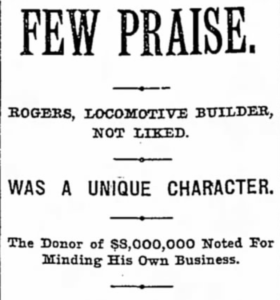
In 1904 Jacob S Rogers left $5m to the Metropolitan Art Museum in New York. This was a surprising gift to the museum as he was not a known art fan; he was a wealthy and miserly locomotive entrepreneur. He had visited the Met and given his $10 annual membership fee in by hand, and asked questions about the governance of the museum. Although no one is ever sure if he visited galleries or had any interest in the art.

During his life he was known his miserly ways indeed one of his obituaries said he was an

“a pure animal man, with no sentiments born of human love or human sympathy.“

He frequently threatened to

“If I could convert all my possessions into paper and provide that this paper should be burned after my death I should do so.”

From the obituaries at the time …

Even his friends described him as

“character was anything but loveable.”

Apparently, about 10 years before his death, he had read about a Chicago man who had left his whole estate to an educational institution and cut his family out of this will. He requested a copy of this will and it seems to have acted as an inspiration for this gift to the Met.

However, rather than leave it to the museum to do with what was most needed (often the ideal), the gift was restricted to an endowment, with the gift to remain in tact and the interest to be used to purchase paintings.

“the income only of the fund hereby created, or intended so to be, to be used for the purchase of rare and desirable art objects, and in the purchase of books for the Library of said Museum, and for such purposes exclusively, the principal of said fund is not to be used, diminished or impaired for any purpose whatever”

There was also a condition to focus on non American items which was common at the time as the American art market was considered immature and many looked to Europe for ‘proper’ and ‘collectable’ art.

The Rogers Fund is still going strong and funding the purchase of art for the museum (more than 10.000 entries appear if you search on the Met website)

In memory motivation

Did you know that MOMA in New York was founded by three women?

By Abby Aldrich Rockefeller, Lillie Bliss and Mary Quinn Sullivan.

When Abby Aldrich Rockefeller died – despite her husband, J D Rockeller Jnr, not being a fan of modern art (‘never greatly appealed to me‘ – he preferred porcelain and medieval tapestries) – he gave $4m in securities and land “to preserve for the future the important work of this institution which meant so much [to Abby]”

(Another founder Bliss died leaving a condition in her will that MOMA have enough of an endowment to be financially secure before the gift could be handed over. The executors set a challenge for the museum to raise $1m – this was in the Depression so fundraising was slow and hard. MOMA raised $600,000 at which time the executors lowered the financial threshold and handed over the legacy gift.)

Mysterious motives

In 1869, Elizabeth Lawrence, the widow of Col T Bigelow Lawrence donated his military connection to the Boston Fine Arts Museum,

“Unfortunately her motives are not recorded. Whether she acted out of a desire to memorialise her husband or simply wished to rid herself of the vestiges of his martial enthusiasm remain a matter for speculation“

Kathleen D McCarthy in ‘Women’s Culture’

As a bonus she also gave $25,000 to fund the housing of the collection (whenever you receive an item as part of a legacy it is always handy to have the money to store, conserve and protect it).

However, the collection was destroyed by fire, his widow allowed the insurance money to be used to purchase other items for the museum.

Keep family members engaged – even on the WCs!

When Maria Antoinette Evans’ husband died she wanted to honour his legacy wishes and support the Boston Fine Arts museum. She originally offered a grant to support salaries (fantastic a core costs grant!) but the museum persuaded her to support a new wing with a gift of $1m. Determined to keep her potential giving up, they involved her in the design of the wing including asking for her input on where and at what height her husband’s portrait ought to be hung, which wallpaper and fittings to use and,

“Will you find [an] opportunity some day soon to visit the new building with me and visit the ladies’ rest room? there are one or two points one which I should like your opinion’

Often the smallest details matter most.

How do you know which of these motivations are the real reason?

You can ask.

In your legacy promotional material having a ‘Tell us about why you have included us in your will..” often yields the answer

But be warned about the say:do gap. In terms of social acceptability bias we will not admit that we included charity X because we despise our family and want to disinherit them and could provide a more socially acceptable reason about that it means to us.

What else do these historic examples teach us?

Be clear about what you want and how you want it

The examples above highlight the importance of promoting gifts in will as you are never sure where and when supporters may be inspired to include a gift.

When promoting legacies or talking to potential legators it is important to consider:

  • how you want to receive gifts
  • how gifts ought to be worded to allow donor’s wishes to be honoured as well as the evolving needs of the charity (it is complicated to get a legacy gift to a long defunct programme or niche area)
  • how any endowment gift might be structured to support changing mission over time.
  • But if there are conditions stick to them and keep the family engaged

https://marinajones.uk/wp-content/uploads/2026/03/IMG_1573.jpeg 834 848 admin https://marinajones.uk/wp-content/uploads/2022/12/f2b903e010104f5aa61ea1821a685913.png admin2026-05-14 18:31:402026-05-14 18:32:00Magnanimous, malicious or mysterious intentions?

How (not to) look after your legacy pledgers

April 19, 2026/in Thoughts/by admin

Until your legacy pledger dies they can always change their mind and take you out of their will. So stewarding and ensuring the connection remains strong and salient is vital.

Many charities have legacy giving circles with newsletter, events and Christmas cards keeping donors in touch with the work of the charity and seeing where their eventual legacy might have impact, and saying thank you during their lifetime.

When time is unlimited we follow knowledge based goals, but when time is limited – as you near the end of a job, college, university, or your life – emotional goals become more important. This impacts on who you want to spend that limited time with, and which relationships you hold onto. That is socioemotional selectivity. A theory proposed and tested by social scientists Laura T Cartesen, Derek M Issacowitz and Susan T Charles. Often charities have been told that they are in the will, and they may have been. But data shows a real gap between those that thought they are in the will, and those that get a gift – Legacy Foresight sighting 50% of gifts pledged in will are never realised (2019).

Without careful stewardship and engagement, you could risk a pledger removing you from their will. Being in the will is great, but being in the final will is crucial. On average, people make a final will in their mid 80s and what matters then and who has that emotional connection is crucial. If there is a sense of relationship are more likely to make the final cut. That is why continued stewardship of your supporters is so crucial.

A few historic legacy stories that demonstrate the importance of caring for potential legacy pledgers.

Super fans, super loyal but also need super care

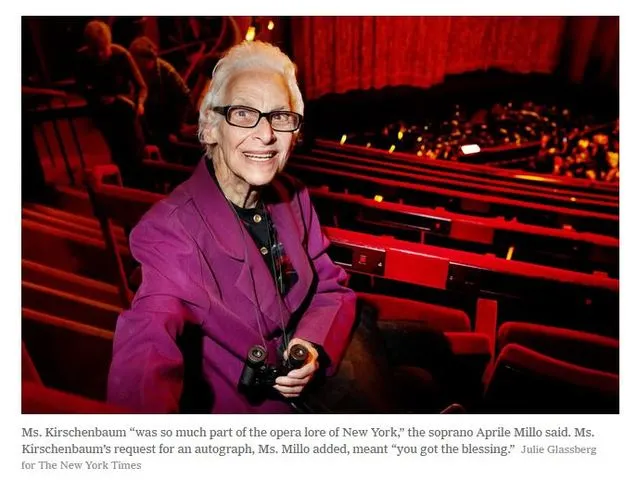
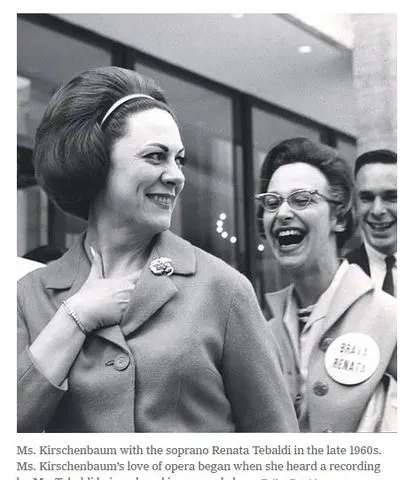
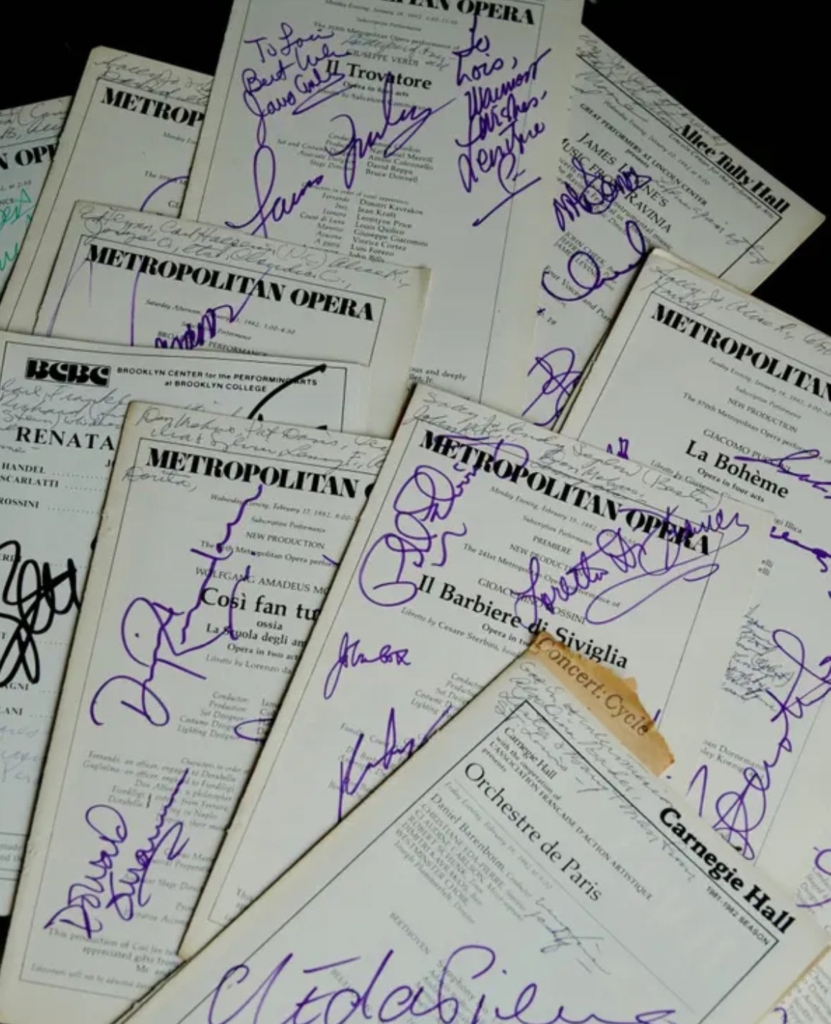
Since the 1950s Lois Kirschenbaum attended nearly every performance at the Metropolitan Opera in New York, and hung around stage door to get her programme or ticket signed. She was an opera super fan, although the data collected might not have singled her out as a legacy prospect. Lois Kirschenbaum bought standing places (typically in an opera house at the very top and back of the auditorium and cheaper – sometimes known as listening seats). She was legally blind and watched the opera through big binoculars. She lived in a rent controlled apartment, worked for a charity and caught the bus to the opera.

When she died she left $4m to 18 charities giving $1.7m to the arts but none to the Met Opera.

Why not? When she went so frequently and clearly loved it.

Because of a decision 30 years before her death to stop letting her go backstage to gather the signatures she loved. This was enough, despite years of continued engagement after that, to remove the opera from her final will.

Stewarding for the long term gain vs genuine engagement

In contrast to upsetting a long standing super fan, the Metropolitan Art Museum kept accepting items from Olive Sage in the hope and expectation of a substantial legacy (after being made a widow by the death of notoriously stingy Russell Sage). As a former teacher she was a great in life philanthropist and wanted to donate items not just cash to the museum. In the last twelve years of her life she gave away over $45m. When the museum’s curators tried to reject items that they did not want in the collection, for instance a teapot, they were told:-

‘I have not attempted to pass judgment upon the teapot. It may or may not be sometimehing we care for, but I clearly wanted to accept any gift from Mrs Sage”

This policy of accepting donated items resulted in a $1m+ legacy gift when she died in 1918.

However, many items that had been accepted in life from Mrs Sage’s collection were returned to the family after her death. As they did not really want them – they wanted to keep her sweet for a legacy.

For charities that accept items it is important to have a collecting policy and clear guidance about what items you accept and why, and also that they come with the funds to care, preserve and exhibit them. It is disingenuous to accept gifts in life that you have no interest in owning – just in the hope of a substantial legacy.

So how might you steward legacy pledgers

Don’t forget about them – keep stewarding them and keep them engaged in your work

  • Create a legacy circle (only 44% of arts and cultural charities had one in a recent benchmark)
  • Give it a name to connect with your mission and cause area
  • Send regular newsletters about the impact of legacy gifts to continue to remind them of the importance of their future gift
  • Run events where they can see first hand the work of the charity and receive a thank you in their life time and enjoy meeting other like minded donors who have that shared connection with the charity’s mission
  • Send Christmas cards
  • Make sure that the legacy pledgers are included in key news and information moments
  • Remember some are non online – and prefer a letter or a phonecall
  • Say thank you
  • Think about crediting (are legacy pledgers credited as pledgers or just when they donate?)
  • Think about how they can share their history with your charity – what might they know about previous work, campaigns, staff that could be great to share with other supporters
  • Ask them to share why they have pledged a legacy with you and whether you can share that in a magazine or newsletter and their inspiration could encourage others to remember the charity as well.
  • Ask them to speak at an event with other supporters about why they have chosen to leave a gift

Often if longstanding donors stop giving they may fall off your segmentation list and you stop engaging or asking them to support. They do not meet the recency or frequency criteria that have been set. However, the length of engagement should not be ignored. It may be limited mobility or limited capital that prevents them giving now, but you are in the will and want to remain so. So do not forget about them.

https://marinajones.uk/wp-content/uploads/2024/09/Lois.webp 480 637 admin https://marinajones.uk/wp-content/uploads/2022/12/f2b903e010104f5aa61ea1821a685913.png admin2026-04-19 14:20:222026-04-19 14:21:43How (not to) look after your legacy pledgers

Extraordinary How Potent Cheap Music is  – sensory priming

October 19, 2025/0 Comments/in Thoughts/by admin

Our brains are wired to emotionally respond to music which is why certain songs have a power to transport us physically and emotionally to a moment – a university bar, a crush, a city, a holiday, a road trip, childhood, someone we love. Familiar music, especially music with vocals, causes a psychological response (increased heart rate & blood pressure) – music is wired to our memory.

Sounds can prime our moods and emotions. Research has shown that listening to ‘Hakuna Matata’ from The Lion King primed a good mood and people were more generous.

Working in opera I often ask audiences to remember a particular musical moment, or their favourite moments in communications.

Sound is one of the most powerful senses we have, but one often under used in fundraising. 

Listening to music can give you thrills and produces endorphins and activates the brains reward circuits. 

“Music does a lot of things for a lot of people. It’s transporting, for sure. It can take you right back, years back, to the very moment certain things happened in your life. It’s uplifting, it’s encouraging, it’s strengthening.”

Aretha Franklin

The power and embodiment of music can be seen in this former ballet dancer with Alzheimer’s hearing Swan Lake and recreating the steps

Mood music 

The cues music can give us are subliminal nudges, that can impact our mood, but also our behaviour, how fast and what we eat, and what we buy.

Music with a faster tempo makes us eat faster, and people tend to spend more money and eat slower when jazz or classical music is played. Think about the ambient background music you might have in a restaurant – fast and pop for somewhere that wants to turn tables, and more mellow and chilled for a restaurant that wants to encourage you to spend longer, spend more and enjoy the experience. (Although music can also be used as a deterrent, a Welsh branch of MacDonalds plays classical music after 17.00 to deter anti social behaviour)

This real life experiment in an East Midlands supermarket shows how the background music has more impact that we might think it would

  • When French music was played 75% bought French wine
  • When German music was played 73% bought German wine

When asked about their choice of wine, and whether the music had impacted their choice, only one of those surveyed noted the impact. (North, A. C., Hargreaves, D. J., & McKendrick, J. (1999))

What does your brand sound like?

Brands use sounds, known as sonic branding, to help us readily recognise them:-

MacDonalds has ‘I’m lovin’ it’ https://www.youtube.com/watch?v=tfhlEP8LT4k and Intel has the ping https://www.youtube.com/watch?v=-ihRPi4wcBY

Coca Cola used this image and the slogan ‘try not to hear this’ to evoke the sound of the fizz of the bubbles (there were also adverts showing a detailed close up of the ring pull being pulled back, and a bottle opener opening a bottle). The advert invites us to hear the remembered sound and trick our brains to almost hear it.

What does your charity brand sound like?

The RNIB has recently released  a sonic identity https://www.rnib.org.uk/about-us/sonic-logo/

But what has it got to do with fundraising?

We know sound (and taste/smell – think Proust and the madeleines) are some of the most powerful senses but unless you have the budget for a TV ad (or create a ‘scratch’n’sniff appeal) they can be underused in fundraising appeals (in direct mail or adverts.)

We know that we and our supporters receive information in many ways – that the words are only part of it, and that the real and imagined images we use have an impact – as does the weight of the paper, the design of the piece, the feel of appeal in the hand, the order we present information (touching something soft primes us to be kinder). We know that appealing to many of the donor’s senses can make our appeals more vivid and effective. So, we might appeal to donors to remember a sound (children crying) or imagine a future sound (children laughing), but we largely rely on the words and the visual of the design of the pack – letter, the lift letter, response mechanism, the call to action.

For someone working in opera and fundraising, the sounds created and remembered are key – the emotions they stir in audiences from the dopamine of anticipating what it will feel like to hear that music again, to the oxytocin of the emotional engagement with the story – music is so important. And not just the music, but the whole holistic and acoustic experience of the performance, of being together, with an audience, inside a theatre.  The hubbub in the bars before hand, the orchestra tuning up as you take your seats, the silent anticipation with the audience holding its breath before the curtain rises and the applause at the end.

How can we integrate soundscapes into an appeal?

  • How can we create appeals that bring more of the sound world – real, remembered or future created by the donor’s action into our appeals?
  • How can technology help us integrate and create an immersive sound world?
  • How could we use sound to provide a richer and deeper connection with our donors? To their memory? To their identity?
  • What segments of donors will this soundscape be most effective with?

https://marinajones.uk/wp-content/uploads/2024/01/heaer.png 94 178 admin https://marinajones.uk/wp-content/uploads/2022/12/f2b903e010104f5aa61ea1821a685913.png admin2025-10-19 20:36:282025-10-19 20:36:29Extraordinary How Potent Cheap Music is  – sensory priming

Legacy fundraisers cultural list …

September 9, 2024/in What I'm Reading/by admin

Where do we see legacies in literature, poetry, plays, opera and music?

Some fun examples and lessons to be learned from them.

A fun cultural list for legacy fundraisers …

Music

  1. Anti Heroine – Taylor Swift

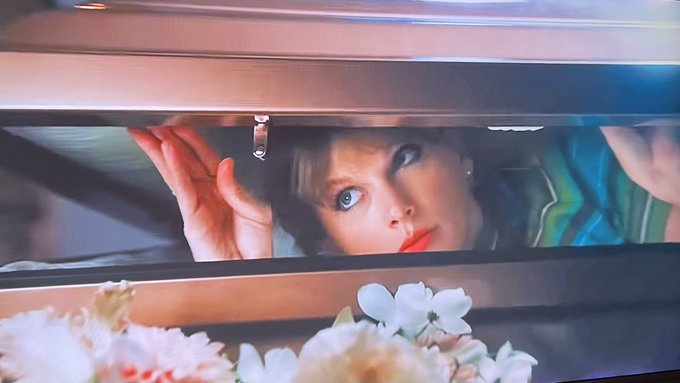
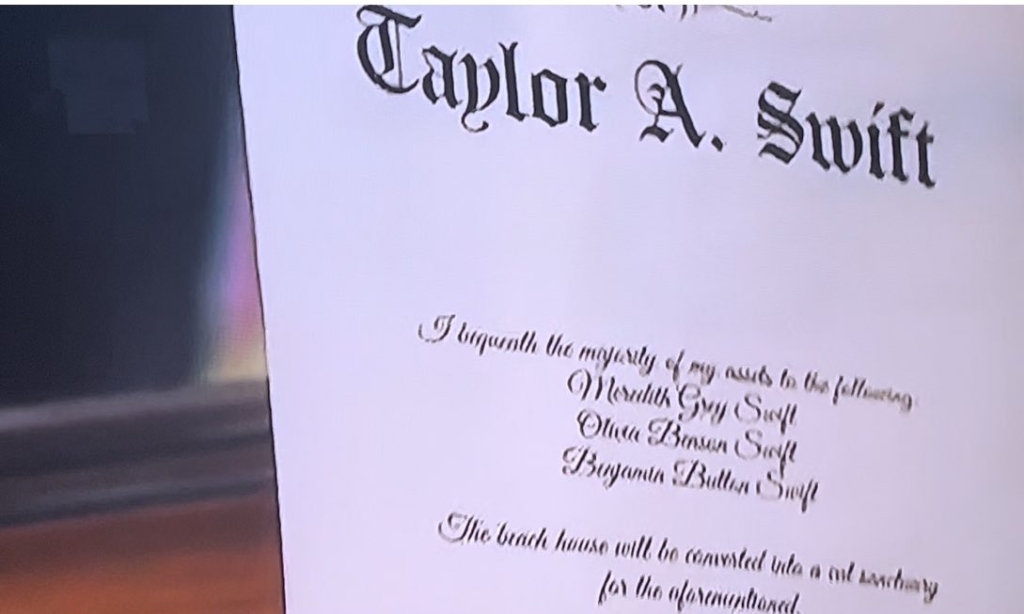
The rise of charitable legacies to spite relations or family is often cited and results in contested wills – in the song ‘Anti Heroine’ Taylor Swift leaves the money to the cat sanctuary and her family are surprised as they wanted to get their hands on the cash. During the funeral scene the will is read saying:

‘The beach house will be converted into a cat sanctuary for the aforementioned’

If pledgers speak to their family about their wishes before they die it can avoid these contested wills.

Full video here https://www.youtube.com/watch?v=b1kbLwvqugk

.

2. Gianni Schicchi

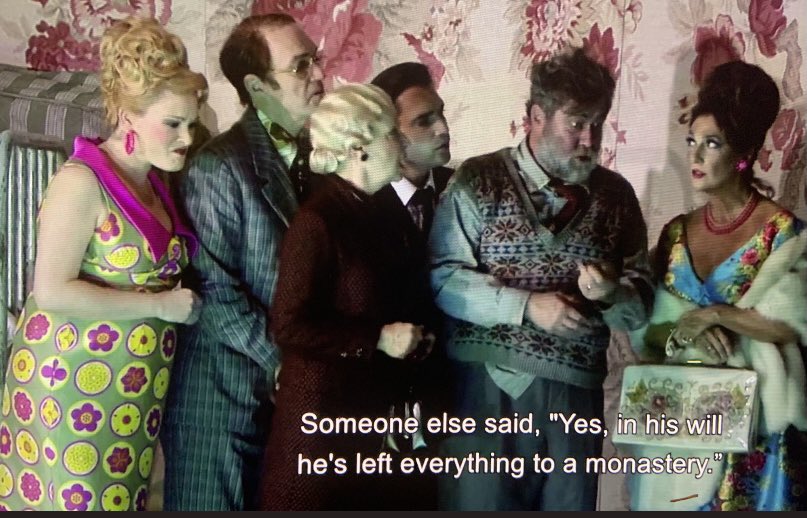
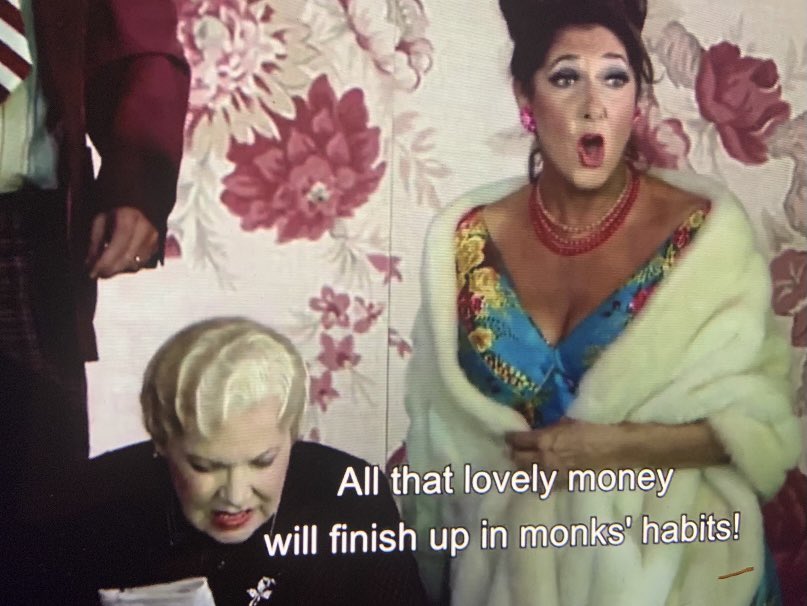
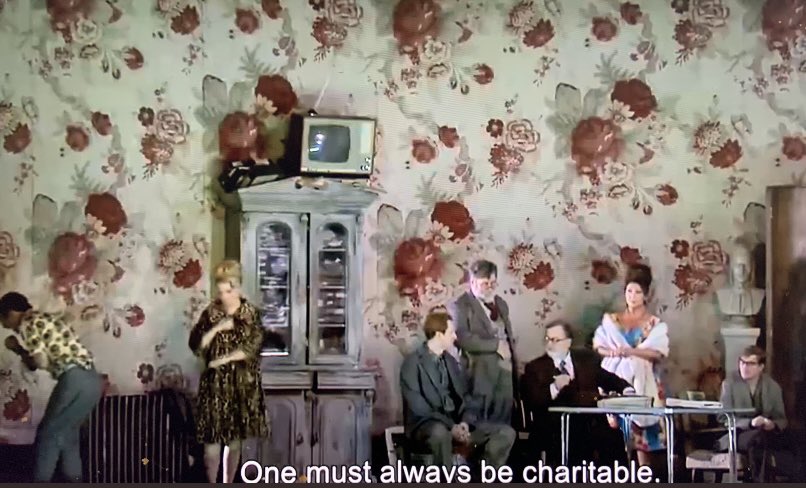
Scheming relatives in Puccini’s Gianni Schicchi when hearing of the charitable intention of their dying relation plot to rewrite his will to their advantage – but they still want to appear charitable so include a small bequest to the monastery.

.

And in literature – where a bequest is central to the plot

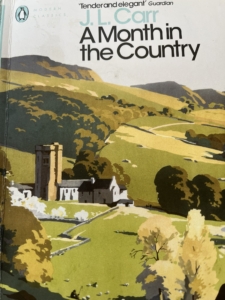
3. A Month in the Country by J L Carr

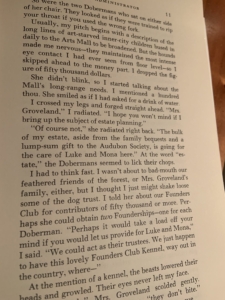
Tom Birkin’s employment is based on a legacy bequest with conditions. The church’s Fabric Fund won’t get the £1,000 legacy until the deceased wishes are honoured to uncover the hidden painting (with £25 set aside for it)

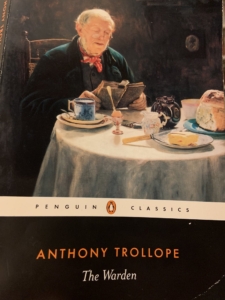
4. The Warden

The Warden (could be subtitled ‘When charitable legacies go wrong’) by Anthony Trollope centres around whether Hiram’s will and charitable legacy to create a hospital for 12 wool carders of Barchester. This has been correctly enacted and the good management of the land affords the warden a higher income and greater benefits to those living there – as times have changed and they do not follow the strict conditions of the will.

John Bold a reformer launches a campaign in the press to protest how the will has been enacted. Mr Harding, at the advice of the archdeacon stands his ground. Trollope is concerned with contemporary scandals and suspicions ‘that the grasping priests of the Church of England are gorged with wealth which the charity of former times has left for the solace of the aged, or the education of the young’

The arguments are played out in the popular press, pamphlets and courts. Dr Pessimist Anticant (pause for a moment to admire the name) publishes a pamphlet on ‘Modern Charity’ contrasting the legator’s generousity with the warden’s current ‘avarice’ And reformer Mr Popular Sentiment (a fictional Charles Dickens) has written a novel about the whole almshouse system and scandal – Trollope highlights the power of fiction to inform and influence us saying ‘monthly novels convince, when learned quartos fail to do so“.

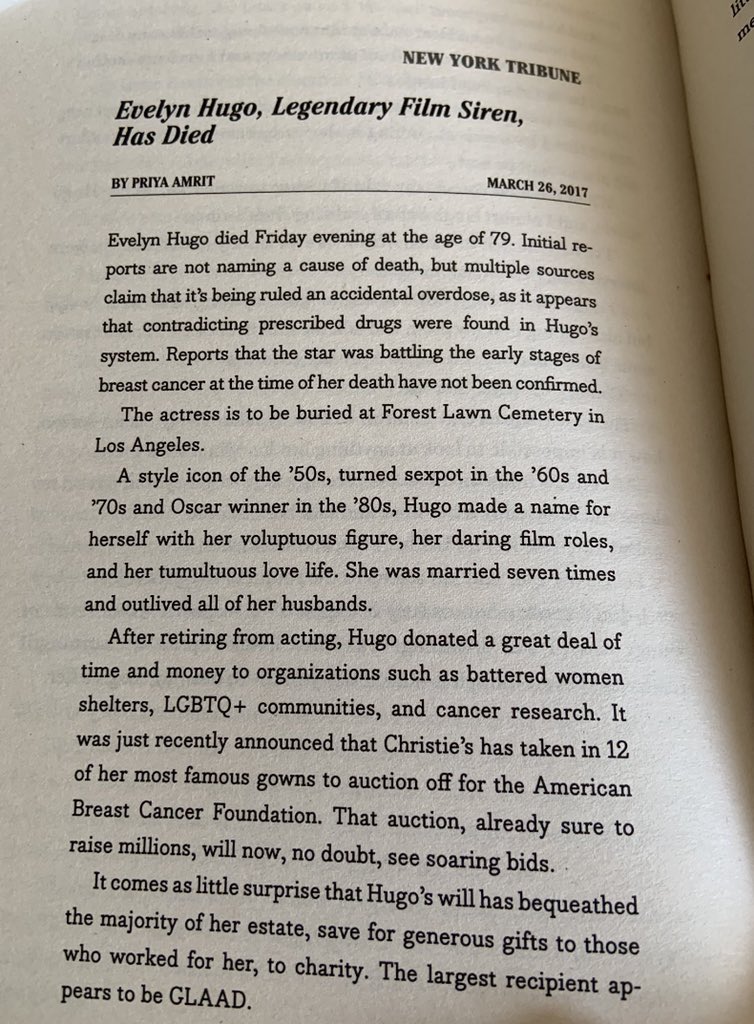
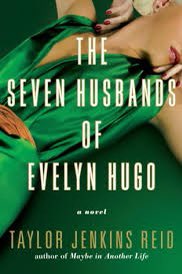
5. The Seven Husband of Evelyn Hugo

It is rare for a book to begin with a charitable bequest – but that is just what Taylor Jenkins Reid’s ‘The Seven Husbands of Evelyn Hugo’ does – her in death giving reflect her lifetime giving. It shows that as well as money items can be donated and sold to benefit the charity.

Do you offer your supporters the chance to donate items or just money?

.

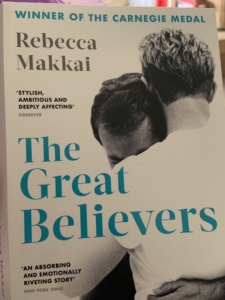
7. The Great Believers

This novel takes place during the AIDS crisis and the story centres on a character who is navigating a substantial art donation for a university gallery.

“What we’re hoping for is a flat out bequest. She hasn’t given to the annual fund since 1970, and those were small gifts… People like that tend to underestimate how much they have”

This highlights a truth often seen in legacy fundraising that your prospects may be asset rich but cash poor – but incredibly loyal. Just because someone hasn’t been coming or giving a lot doesn’t mean that you are not important.

The fundraiser protects the wishes of the legator over the gallery’s more commercial plans for the space. It is important that legators have trust that their legacy wishes will be honoured and enacted.

Poetry

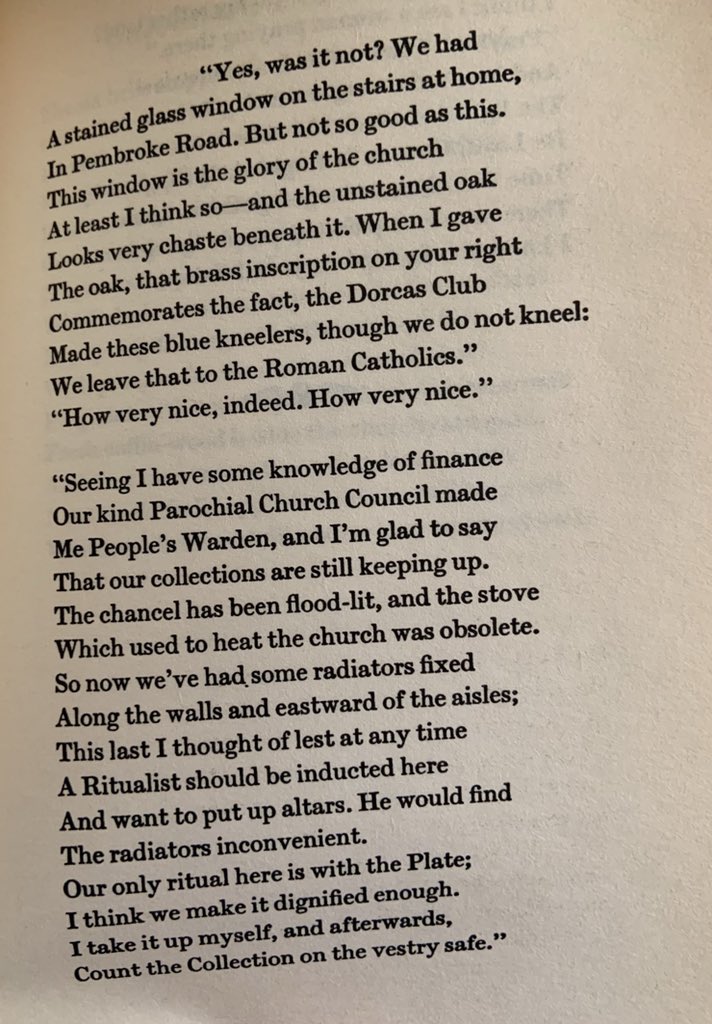
6. Bristol and Clifton – John Betjeman

And this poem by John Betjeman ‘Bristol and Clifton’ talks of in memory given for the his late wife. The poem also talks of brass donor plaques and congregational collections.

Donors who give in memory are more likely to include gifts in their will to support the cause so it is important to engage with the whole family.

Short stories and comics

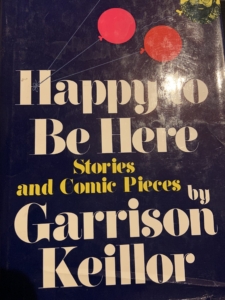
8. Jack Schmidt Arts Administrator

‘It was one of those sweltering days toward the end of the fiscal year when Minneapolis smells of melting asphalt and foundation money is as tight as a rusted nut’

How’s this for a (philanthropic) first line?

Jack turns into an Arts Administrator (fundraising consultant) when private detective work dries up because ‘What your arts organizations need is a guy who can ask people for large amounts without blushing and twisting his hankies’

He secures a range of grants for various arts causes …but struggles to get core costs funded (plus ca change)

Your fat cats will millions to build an arts center, but nobody wants to donate to pay the light bill because you can’t put a plaque on it. They’ll pay for Chippewa junk sculpture but who wants to endow janitors“

He even makes a legacy pitch – although the dogs that the donor adores look at him suspiciously …

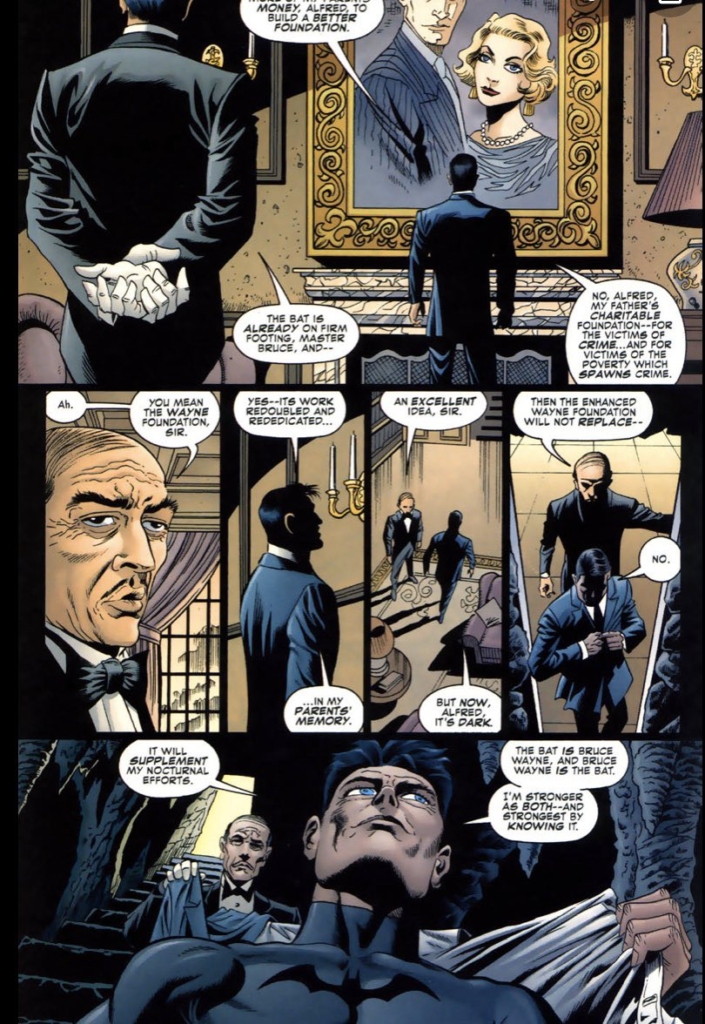
9. Batman

Batman’s mission to fight crime and injustice comes from a desire to honour the legacy of his parents. Sometimes in life gifts reflect others who have been influential in our lives.

So look out for legacy giving in all forms of literature … and remember

  • Encourage your supporters to talk to their family about their wishes
  • In memory givers make great potential legators
  • In life giving and connections drive legacy pledgers
  • Think about the various ways people can
  • Encourage legacy pledgers to speak to a legal professional to ensure that the conditions of the will can be enacted correctly.
https://marinajones.uk/wp-content/uploads/2024/09/FfnWG0gWQAgRzyd.jpef_.jpeg 383 680 admin https://marinajones.uk/wp-content/uploads/2022/12/f2b903e010104f5aa61ea1821a685913.png admin2024-09-09 21:31:092024-09-09 21:31:10Legacy fundraisers cultural list …

Murder on the Dance Floor – Extraordinary How Potent Cheap Music is 

January 24, 2024/0 Comments/in Thoughts/by admin

Saltburn ends with Barry Keoghan dancing to Sophie Ellis Bextor’s 2001 pop hit ‘Murder on the Dance Floor’ – for those that remember it from 23 years ago it will have specific associations and memories – a certain bar, lifestage or nightclub (and for some it may have completely passed you by).

Our brains are wired to emotionally respond to music which is why certain songs have a power to transport us physically and emotionally to a moment – a university bar, a crush, a city, a holiday, a road trip, childhood, someone we love. Familiar music, especially music with vocals, causes a psychological response (increased heart rate & blood pressure) – music is wired to our memory.

And our brains are constantly rewiring and making and remaking associations to music, so ‘Murder on the Dance Floor’ may become newly associated for you with Saltburn, as well as keeping a trace of the former memories.  

Sound is one of the most powerful senses we have, but one often under used in fundraising. 

Listening to music can give you thrills and produces endorphins and activates the brains reward circuits. 

“Music does a lot of things for a lot of people. It’s transporting, for sure. It can take you right back, years back, to the very moment certain things happened in your life. It’s uplifting, it’s encouraging, it’s strengthening.”

Aretha Franklin

The power and embodiment of music can be seen in this former ballet dancer with Alzheimer’s hearing Swan Lake and recreating the steps

At the Coliseum we recently had Marina Abramovic’s opera project 7 Deaths of Maria Callas which used seven famous arias of dying sopranos to explore the life of Maria Callas. The first one was from La traviata – the aria at the beginning of the final act where a dying Violetta is contemplating her imminent death. For me, this 6 minute aria, was like a concentrated experience of the opera. Despite just having this extract, and not seeing the previous two acts, every time I saw this aria it moved me to tears as I could feel and remember the emotions I would have experienced watching the whole piece, and knew where we had reached in the plot, and what was coming.

Mood music 

The cues music can give us are subliminal nudges, that can impact our mood, but also our behaviour, how fast and what we eat, and what we buy.

Music with a faster tempo makes us eat faster, and people tend to spend more money and eat slower when jazz or classical music is played. Think about the ambient background music you might have in a restaurant – fast and pop for somewhere that wants to turn tables, and more mellow and chilled for a restaurant that wants to encourage you to spend longer, spend more and enjoy the experience. (Although music can also be used as a deterrent, a Welsh branch of MacDonalds plays classical music after 17.00 to deter anti social behaviour)

This real life experiment in an East Midlands supermarket shows how the background music has more impact that we might think it would

  • When French music was played 75% bought French wine
  • When German music was played 73% bought German wine

When asked about their choice of wine, and whether the music had impacted their choice, only one of those surveyed noted the impact. (North, A. C., Hargreaves, D. J., & McKendrick, J. (1999))

What does your brand sound like?

Brands use sounds, known as sonic branding, to help us readily recognise them:-

MacDonalds has ‘I’m lovin’ it’ https://www.youtube.com/watch?v=tfhlEP8LT4k and Intel has the ping https://www.youtube.com/watch?v=-ihRPi4wcBY

Coca Cola used this image and the slogan ‘try not to hear this’ to evoke the sound of the fizz of the bubbles (there were also adverts showing a detailed close up of the ring pull being pulled back, and a bottle opener opening a bottle). The advert invites us to hear the remembered sound and trick our brains to almost hear it.

What does your charity brand sound like?

The RNIB has recently released  a sonic identity https://www.rnib.org.uk/about-us/sonic-logo/

But what has it got to do with fundraising?

We know sound (and taste/smell – think Proust and the madeleines) are some of the most powerful senses but unless you have the budget for a TV ad (or create a ‘scratch’n’sniff appeal) they can be underused in fundraising appeals (in direct mail or adverts.)

We know that we and our supporters receive information in many ways – that the words are only part of it, and that the real and imagined images we use have an impact – as does the weight of the paper, the design of the piece, the feel of appeal in the hand, the order we present information. We know that appealing to many of the donor’s senses can make our appeals more vivid and effective. So, we might appeal to donors to remember a sound (children crying) or imagine a future sound (children laughing), but we largely rely on the words and the visual of the design of the pack – letter, the lift letter, response mechanism, the call to action.

For someone working in opera and fundraising, the sounds created and remembered are key – the emotions they stir in audiences from the dopamine of anticipating what it will feel like to hear that music again, to the oxytocin of the emotional engagement with the story – music is so important. And not just the music, but the whole holistic and acoustic experience of the performance, of being together, with an audience, inside a theatre.  The hubbub in the bars before hand, the orchestra tuning up as you take your seats, the silent anticipation with the audience holding its breath before the curtain rises and the applause at the end.

How can we integrate soundscapes into an appeal?

  • How can we create appeals that bring more of the sound world – real, remembered or future created by the donor’s action into our appeals?
  • How can technology help us integrate and create an immersive sound world?
  • How could we use sound to provide a richer and deeper connection with our donors? To their memory? To their identity?
  • What segments of donors will this soundscape be most effective with?

I have some ideas that I am developing to try and find ways to test, gamify and play with sound in supporter communications and see if it can be used to enhance the communication and their connections.

https://marinajones.uk/wp-content/uploads/2024/01/fTlCNdgFhcW1V5-OO8UV6xT-xw1k-LGXcpTIN_sgpSY.jpg.webp 576 768 admin https://marinajones.uk/wp-content/uploads/2022/12/f2b903e010104f5aa61ea1821a685913.png admin2024-01-24 08:24:142024-01-24 08:24:14Murder on the Dance Floor – Extraordinary How Potent Cheap Music is 

Want to drive attraction and sales and make supporters fall in love?

September 28, 2023/0 Comments/in Thoughts/by admin

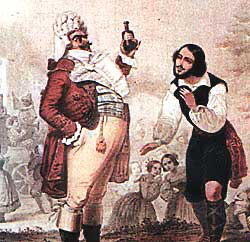
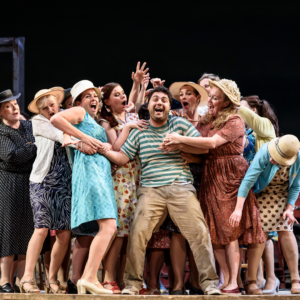
Then look no further that Donzetii’s gloriously fun and frothy opera L’elisir d’amore (The Elixir of Love)

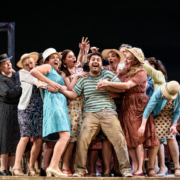
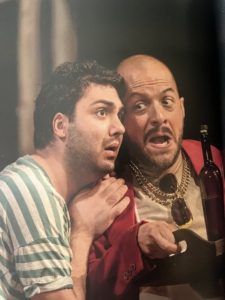
Would you buy a love potion from this man?

Could you fall in love with this one?

The plot begins …

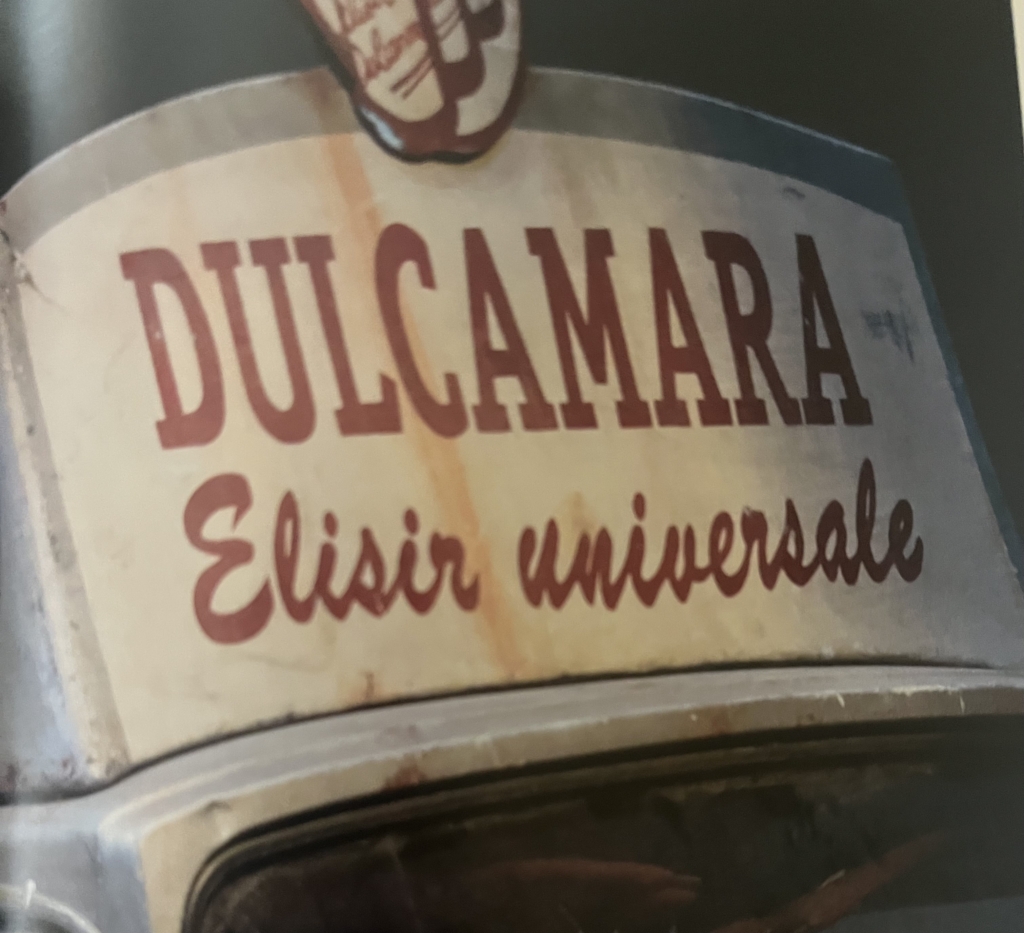
The opera tells the story of poor Nemerino who is desperately in love with wealthy landowner Adina who tells him she will never love him. The arrival of travelling salesman Dr Dulcamara and some universal elixir that promises to cure all ills and some cheap wine changes all of that. 

Why is Dulcamara such a good salesperson?

Why does Adina fall for Nemerino?


Let’s explore some behavioural and decision science and psychological principles at work in the story and see how they could be applied to fundraising and communications. 

(Now I appreciate that the centre of the Venn diagram of opera fans, Cialdini readers and behavioural psychology fans might be small, and this might be niche even for me, but there are some great heuristics at work that can be applied easily to communications and fundraising) 

So lets start with Dulcamara – he is a travelling salesman who goes from town to town selling a universal potion that claims to cure all ills.  

You can watch his sales pitch here – 4 mins long – (from the Royal Opera House’s production – ENO’s new production plays until 5 December 2024 and you can get tickets here)

And you can read an English translation here.

So what makes Dulcamara so successful as a salesperson?

He employs some psychological nudges to improve his credibility, authority and make you like and trust him more including:   

Authority – he assumes you have heard of him and  ‘what a great doctor I am’. He has ‘certificates authentic, branded, touch and see’ for you to see as testimonials to his success – these work as powerful messengers to attest to the success of the elixir. 

He celebrates his track record (‘because of me the hospitals are selling off their leases’) and lists all the diseases he can cure. 

‘The asthmatics, asphitics, hysterics and diabetics, cures the tympanitis, scrofula and rickets and even liver trouble… wonderful for liver, cures the paralytic, heals the apopletic’

There are so many cures listed that everyone and anyone could see something they suffer with being improved by application of the potion. 

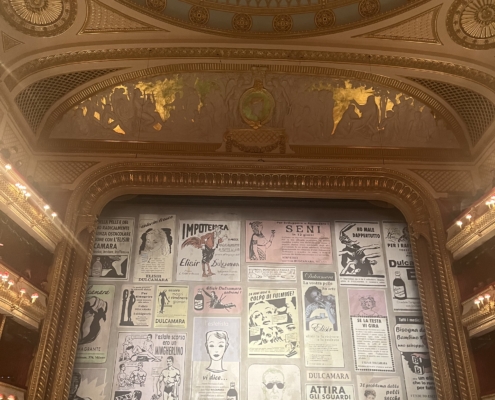
Front cloth of the current L’elisir d’amore at the Royal Opera House with 50s style adverts for all the cures that Dulamara can provide.

Anchoring and priming 

‘Now you ask; what’s its price?

How much is it per bottle?

A hundred scudi ? … no.

Thirty? …. No.

Twenty? …. Now don’t be surprised’

This anchoring technique is a common sales technique used to influence the customer perception of the value of the item you want them to buy. Steve Jobs was clearly inspired by this technique when he announced the price of the newly launched iPad in 2010. He initially said the price was $999 before revealing that the price was only $499 – the high anchor made it seem like an expensive item and enhanced the perception of the quality and value of the item – the lower price makes it seem more affordable and reasonable. 

Incentive – Dulcamara was also offering a scudi cash back on any purchase which further incentivises a purchase. It also excites the reciprocity principle that the offer already has a concession made it in and therefore the natural human response is to reciprocate to the concession and accept the offer. 

Likability – Dulcamara seeks to let the crowd that he is like them and we like people who are more like us. He says all over Europe I sell for 9 lire “but as it is evident, I was born in the country, For three lire I grant you … ah warm homeland”. This again ignites the reciprocity principle as a concession, for being local, has already been made.

And what could you do to be more like Dulcamara?

(when we put aside the ethics of not overclaiming – your charity may be saving the world but you probably cannot claim to be a universal solution to all society’s ills) 

Authority –  what testimonials or awards have you for that enhance your credibility and speak of your successful track record? Awards or testimonials from others – industry leaders, participants or press – can act as powerful messengers.

Anchoring and priming – often supporters do not know what is appropriate to give so anchoring them and priming them with a number helps them know what to give. The Girl Guide cookie seller example if often cited with asking for thousands of dollars of cookie sales, which makes the follow up concession offer of $100 worth of cookies seem more reasonable and increases sales. How can you use larger numbers to help encourage bigger donations? Can you talk about the total cost of a programme, and then the cost of helping one child, one cat, save one square metre? The smaller number will seem more reasonable after the bigger number.
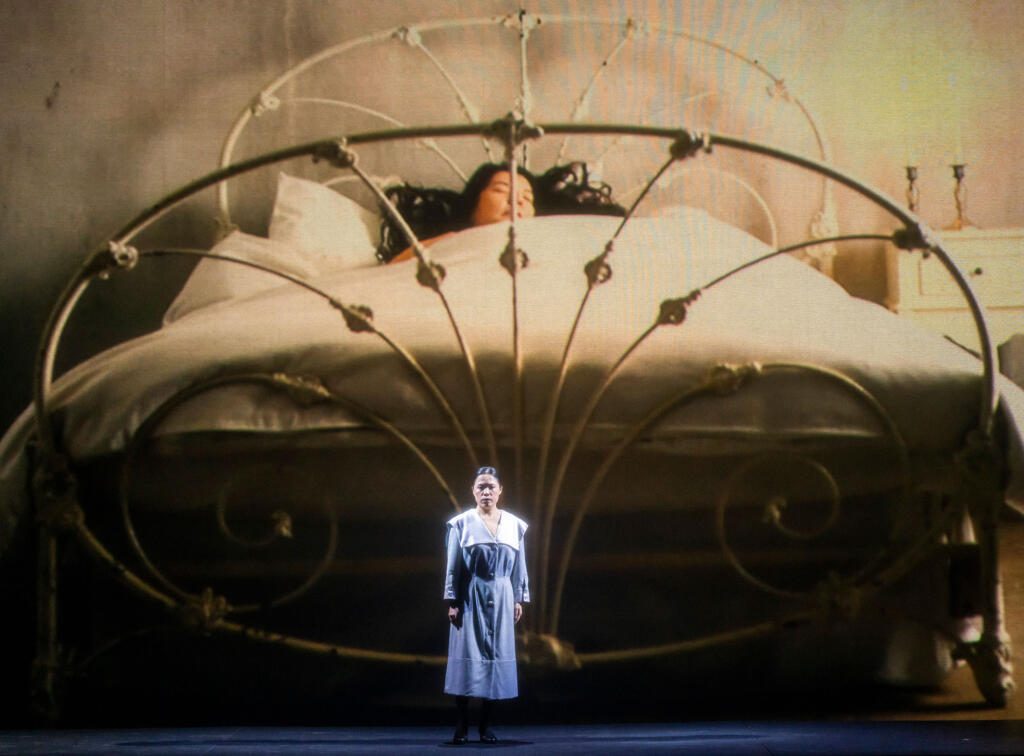
Likability– we like people who are like us. Highlighting his local connection makes Dulcamara more appealing. How can we show supporters that we are like them (or other people like them do this)? Fundraising research has shown in real world tests (with a public radio station in America) that if the person asking for money mentions the gender or location of the last donation e.g. when talking to a donor from Penzance saying, ‘I was just talking from someone from Penzance and she gave £50’ increases the donation rate. It highlights our identity – as a member of a place-based community – and also creates a powerful social norm of what people in our group, and our area do (one of the best ways to reduce electricity use was showing what other local people had already done). How can you highlight the local connection as a community? 

Reciprocity – what gift or offer can you give your supporters before hand? Is it a free pen, a sticker, a postcard, bookmark or are there are non-tangible warm glow affects you can give them about the impact of their previous work that makes that want to return the favour and reciprocate with a philanthropic gift?

And the plot continues …

Nemerino is desperately in love with Adina and after she has dismissed his suit he approaches Dulcamara for a love potion that will transform her affections. Dulcamara sells him the potion – which is in fact a cheap bottle of claret – Nemerino believing it will work its magic on Adina’s affections drinks it all and is dismissive of her.

The wine is a placebo – Nemerino believes the potion is working so does not try desperately hard to impress. By taking action and using the potion Nemerino has got the illusion of control over the unrequited love situation he finds himself in. (more about placebos here)

Some more plot

Nemerino’s rich uncle dies and leaves all his money and land to Nemerino (he is unaware of this)– the town get word of this and suddenly all the women of the village see Nemerino with new eyes and want to dance and flirt with him. 

Why does Adina fall in love with Nemerino?

Peer-suasian – once Adina sees all the women of the village finding Nemerino attractive and interesting she suddenly sees him in a new light. Humans are herd animals and seeing that everyone else thinks and reacts in a certain way has a powerful influence on us and our behaviours. Social ostracization is just as psychologically painful as physical pain so staying with the group is important. Adina becomes influenced by the others behaviours and questions her former apathy towards Nemerino. 

FOMO – we fear on missing out on something good. Adina fears that someone else will get Nemerino. (He has also sold himself to the army to get enough money to buy more elixir and Adina buys him back but says if she cannot love him he will still go to war and the soldiers have been summoned to action – so she fears she may lose him that way as well.)

And so why does Adina fall in love with Nemerino?

Apart from the tenor’s ability to sing beautifully – a combination of the social proof that he is an attractive proposition and the fear of missing out.  

So how could the implications of a love potion be used in fundraising?

  • Placebos – placebos are about trying to give the illusion of control – how can you more autonomy to your supporters about how they give, where they give, whether they give and when?
  • Peer-suasian – how can you show supporters that people like them (same age, location, demographic, gender) are supporting like you and that this is normal for people like that
  • Scarcity – how can a time limited match campaign or emergency situation galvanise that scarcity principles and drive action?
https://marinajones.uk/wp-content/uploads/2023/09/image-1.png 1080 1080 admin https://marinajones.uk/wp-content/uploads/2022/12/f2b903e010104f5aa61ea1821a685913.png admin2023-09-28 20:10:082024-11-10 13:57:52Want to drive attraction and sales and make supporters fall in love?

Saving your reputation by singing & charity …

March 30, 2023/0 Comments/in Thoughts/by admin

Operatic fundraising concerts                                                                    

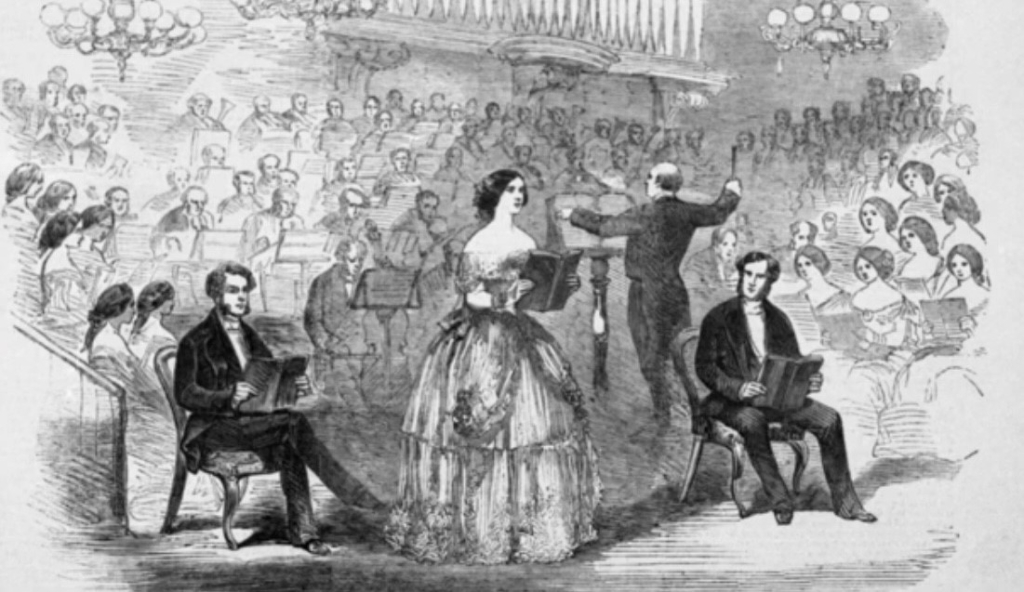
Since the massed choir sang Handel’s Hallelujah Chorus in 1749 to raise funds for the Foundling Hospital – fundraising concerts have been a popular tool in a fundraiser’s arsenal. They were common practice throughout the nineteenth century and were especially popular for female opera singers – often as tangible way to signal for their virtues (feminine and charitable) and build their brand.

Charity to rescue a reputation (part 1)

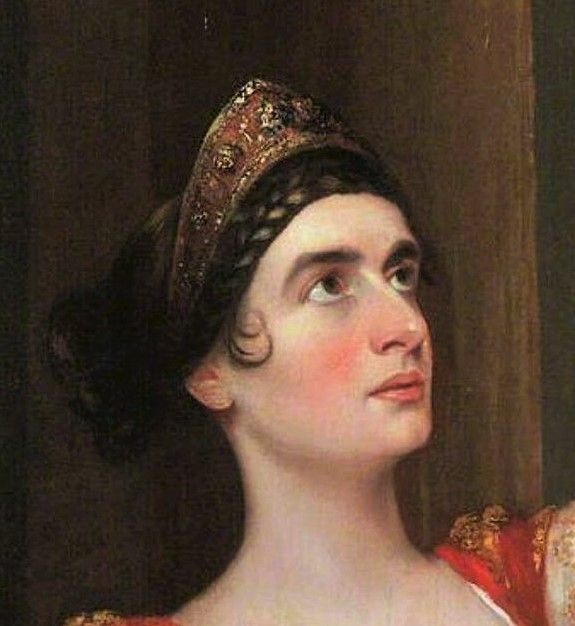
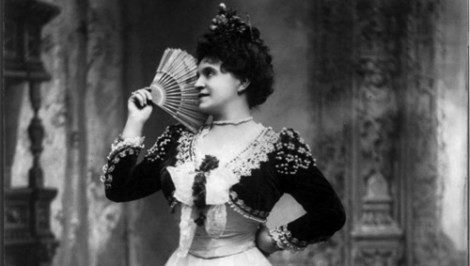
In the early nineteenth century, singer Angelica Catalini frequently gave charitable concerts for hospitals, in response to natural disasters and wars. However, her reputation was nearly ruined in 1809 when she refused to take part in a benefit concert for the Middlesex Hospital – instead offering a personal donation of £20 (The Times, 1809). This perceived lack of charity caused a sensation

“This gesture enraged the British public which saw the amount as paltry; in direct response to this animosity, Catalini staged several charity concerts in London and other cities”

Hilary Porris

Imagine a singer today being shamed into a fundraising concert!

Christian and feminine virtue

“charity had turned into a branch of fashion in the nineteenth century”

Frank Prochaska

Philanthropy and Christian charity were expected and desired virtues for women and for many allowed them influence and activities outside the home. For female opera singers, charity particularly helped to demonstrate their Christian character and feminine virtue (and remove suspicion of other stereotypes associated with actresses and performers). Basically, participating in fundraising charity concerts helped cement your brand.

Although the popular stereotype of an operatic diva was to be demanding and difficult (not much has changed there!) many of their own autobiographies include altruistic narratives about their charitable deeds. These narratives are somewhat stylised and uniform in their delivery which casts doubt on the veracity of the specific incidences described. Frequently they tell stories of how the soprano felt compelled to act charitably and make a significant anonymous donation following a chance encounter with a poor person in need of support (and often her singing and art is improved because of this charitable action). This altruistic trope shows an expectation that singers would be actively engaged in philanthropic acts.

Salaries of sopranos generated sensational press coverage as opera stars were tabloid fodder. In some cases a suspicion of fundraising concerts can be seen with accusations that the monies raised were not going where they ought to, or that the sums raised were exaggerated or too much spent on overheads and raising the funds (plus ca change!).

The philanthropic nightingale

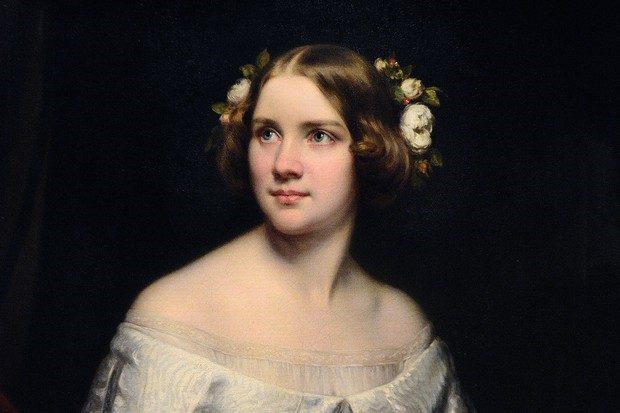
One of the most notorious singers and fundraisers was Swedish soprano – Jenny Lind – the Swedish Nightingale.

Jenny Lind used her talents and time to raise funds for causes that she cared about. Reportedly a quarter of her concerts were given to raise funds for charity. Porris dubs here the ‘patron saint of beneficent prima donnas’

PT Barnum (of The Greatest Showman fame – where Jenny also appears) said of her

“a visit from such a woman, who regards her artistic powers as a gift from Heaven for the amelioration of affliction and distress, and whose every thought and deed is philanthropy, I feel  persuaded will prove a blessing to America”

Quoted in Rhodri Davies’ excellent book ‘What is philanthropy for?

One example of her fundraising and philanthropy can be seen in Norwich and the creation of the UK’s second children’s hospital.

Before the introduction of the NHS, local hospitals had to raise their own funds through subscriptions and events. The Norwich Hospital was the 17th established in England in 1772 (after first being proposed in 1758) and raised funds through subscriptions and fundraising sermons at the cathedral as was common at the time.

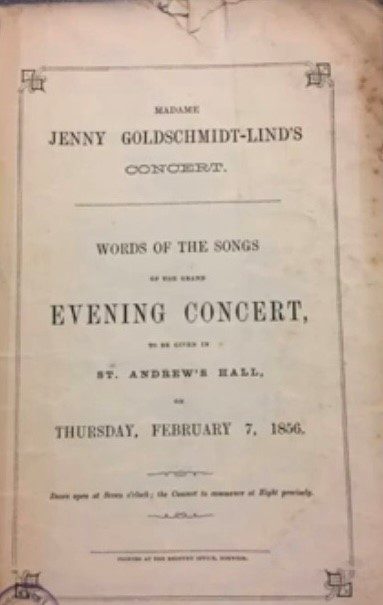
As part of her world tour, Jenny Lind visited Norwich in 1847 for two sell out concerts. She stayed with the Bishop of Norwich at the cathedral. She was performing at St Andrew Hall and added a third concert especially so that the poor of the city could attend. She developed a strong relationship with the Bishop’s family and Katherine, the bishop’s wife, became godmother to Jenny Lind’s daughter.

In 1849, Jenny Lind returned to the city and raised £1,253 for the poor of the city with a concert. But this was raised with no specific purpose in mind, and the city had to decide what to do with it.

One suggestion, from Jenny Lind herself, was to stand in the marketplace and throw the money to the poor. Certainly a novel way to distribute charity!

However, whilst they were deciding what the funds should do Great Ormond Street Hospital was founded in 1852, and the idea of a children’s hospital in Norwich was mooted. In 1853 this was unanimously endorsed at a public meeting. The funds that the Jenny Lind concert had raised were used to purchase the two houses that would form the hospital.

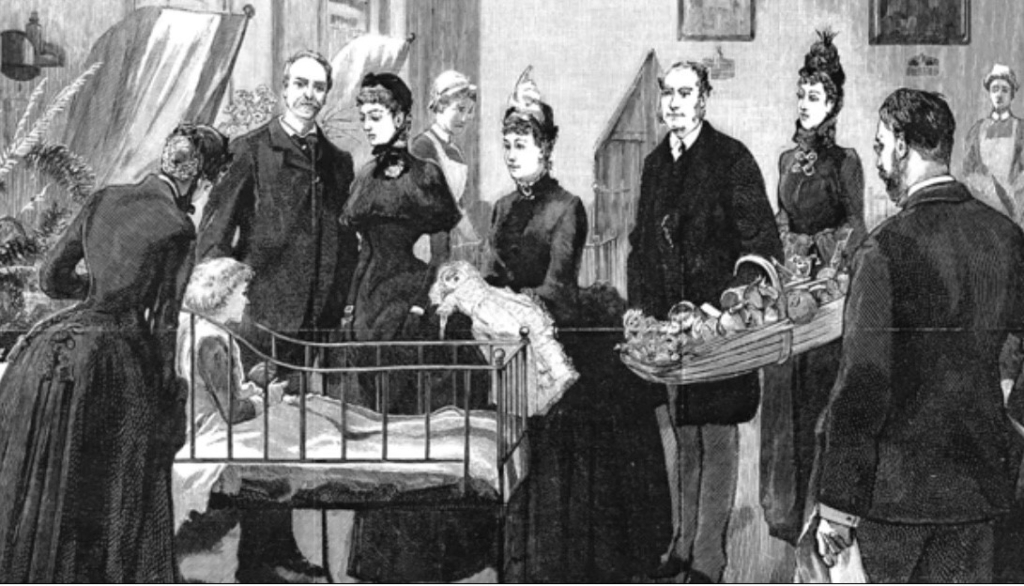
The hospital was named after Jenny Lind becoming the Jenny Lind Children’s Hospital. (There is no record I have seen on whether she insisted on naming rights, it was in recognition of her support or celebrity link). In 1854 the hospital opened, and in the first year saw 275 outpatients and 51 in patients. Jenny continued to return to Norwich to sing at fundraising concerts for ‘The Jenny’ as the hospital became known locally.

Jenny said of the project

“Of all the money which God allowed me to give away when my poor throat could call an audience to listen to it’s production. None has borne a more nobler fruit than the Jenny Lind Hospital of Norwich.”

However, the fundraising concerts were not enough to fund the ongoing upkeep of the hospital and subscriptions were regularly sought. For example, Norwich High School paid an annual subscription of £30 to fund a cot at the hospital.

Jenny Lind is famous for both her voice but also the number of concerts (estimated at a quarter of her concerts were for charity) she gave where the funds were raised to support charities she cared about.

Charity to the rescue of reputation (part two)

In 1906 Marcella Sembrich prima donna did a fundraising concert in New York to raise funds for the musicians of the Metropolitan Opera Company who had lost their instruments in the San Francisco earthquake.

This was to repair her reputation. When the quake struck, according to her own reports, she went back to hotel room three times despite the danger to get something suitable to wear and the final time rescue her jewels. The fundraising concert was clearly an attempt to improve the optics of the situation and restore her reputation – however the newspapers clearly had cottoned on to this and did not give it enough praise. Subsequently an anonymous letter appeared in the paper and chastised them for their lukewarm response to her concerts saying:

“It has surprised me in reading the account of Mme Sembrich’s concert to-day in your paper to find no expression of appreciation of the really heroic feat she performed in thus grandly ministering to the suffering members of the Metropolitan orchestra and chorus. By no means recovered from the shock of her horrible experience in San Francisco she took no pains to spare her own health (in other words her voice, the most precious of her possessions) but worked with unstinted seal and whole hearted, unself-conscious generosity to bring relief through straining means to unfortunate musicians”

Although this might have been a face saving and reputation mending exercise, Sembrich’s extensive archive contains details her deep involvement in charity. It is full of thank you letters and letters of appreciation from wealthy and influential people so philanthropy and her charitable work was clearly important to her.

And today…

The pull of celebrity messengers for campaigns continues. Although no longer championed universally as a Christian or feminine virtue there remains an expectation of engagement in philanthropy for any celebrity – of using your time and singing talent for the wider good. Today opera singers are involved in supporting charities they care about – and like Catalini, Lind and Sembrich using their talents and time to perform for charities they care about, and/or at opera houses fundraising events.

 References

Norfolk and Norwich University Hospitals NHS Foundation Trust » Our history 1758 – 1869 (nnuh.nhs.uk)

Norfolk and Norwich University Hospitals NHS Foundation Trust » History Of The Jenny Lind (nnuh.nhs.uk)

Jenny Lind: Her Life, Her Struggles, and Her Triumphs Charles G. Rosenberg

Hilary Poriss ‘Prima Donnas and the Performance of Altriusm’ in Cowgill and Poriss (eds) The Art of the Prima Donna

Alexandra Wilson ‘Opera in the Jazz Age’

Rhodri Davies ‘What is philanthropy for?’

https://marinajones.uk/wp-content/uploads/2023/03/Catalini.jpg 626 575 admin https://marinajones.uk/wp-content/uploads/2022/12/f2b903e010104f5aa61ea1821a685913.png admin2023-03-30 08:19:122023-03-30 08:29:51Saving your reputation by singing & charity …

Carmen – novella and opera

January 22, 2023/0 Comments/in What I'm Reading/by admin

A while back I set myself the challenge of reading the original stories that operas are based on. Many modern operas are based on films or books – in the nineteenth century they were based on popular plays or books. The original stories often offer an insight into the characters that you don’t always see on stage – or is hinted at by the director’s interpretation.

The opera by Bizet was written first performed in Paris in 1875 and used the inspiration of Merimee’s novella published in 1845.

The book begins with a quote from Palladas:

“Every woman is bitter as gall. But she has two good moments; one in bed, the other at her death”

This reminds me of ‘Opera and the undoing of women’ that I have just finished and explore opera’s fascination with sopranos dying – and prefigures her death from the start.

Productions of Carmen can veer towards a ‘Carry on Spain’ interpretation, so it is interesting to re-read the novella. It is told in a breathless pace, with the captured and condemned Navarre (don) Jose relaying his adventures from prison to the archaeologist-narrator.

Escamillio who is a central character (the Toreador of the catchy tune) in the opera is really a bit part picador called Lucas – and one of Carmen’s several lovers.

Carmen is enchanting and enigmatic – throwing an acacia flower at Jose, making castanets from broken plates, stealing his watch  and claiming ‘I love you a little, but it can’t last’. The fate theme from the opera is played out through cards from the very start and the foreknowledge of their doomed fate.

I haven’t read it since I saw the Barrie Kosky (gorilla) production at the Royal Opera House which controversially used a voice over of narration from the Brantome which appears only briefly in the novel but more fully in the footnotes – Pierre Brantome (1540-1614) on the ‘Lives of Gallant Ladies’ with a  rule of three of the ideal features a woman ought to have (e.g. ‘three red: her lips, her cheeks, and her nails. Three long; her body, her hair and her hands’)

https://marinajones.uk/wp-content/uploads/2023/01/R.jpeg 1262 2244 admin https://marinajones.uk/wp-content/uploads/2022/12/f2b903e010104f5aa61ea1821a685913.png admin2023-01-22 18:59:202023-01-22 19:39:05Carmen – novella and opera

Top of the pile to be read in 2023

December 29, 2022/0 Comments/in What I'm Reading/by admin

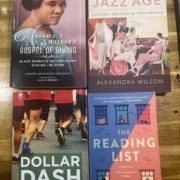
So Christmas added to the to be read pile and top of my to read list in 2023 are:

  • Dollar Dash the behavioural economics of peer-to-peer fundraising by Katrina VanHuss and Otis Fulton. There are so few books about the implementation of behavioural and decision science in fundraising context (I contributed a chapter to Change for Better about the world’s largest experiment on decision science). So when I discovered this one via the Certificate in Philanthropic Psychology it went straight on the list and am excited to learn about more in the field experiments and what they teach us.
  • The Reading List by Sara Nisha Adams – a novel about the power of reading and connection.
  • Opera in the Jazz Age – Cultural Politics in 1920s Britain by Alexandra Wilson – an exploration about what was happening in opera in the 20s and debates about elitism, high and low brow and who audiences were. Really looking forward to reading this (and her other book coming out this year)
  • Madam C J Walker’s Gospel of Wealthy – Black Women’s Philanthropy during Jim Crow by Tyrone McKinley Freeman. After hearing Tyrone on Rhodri Davies’ Philanthropisms podcast I have been really fascinated to learn more about Madam C J Walker and explore her philanthropy, fundraising, business practice and activism (and how blended and interconnected they were – and a challenge to traditional definitions of these concepts). And Rhodri Davies’ new book is on order too.
https://marinajones.uk/wp-content/uploads/2022/12/2023-scaled.jpg 2560 1920 admin https://marinajones.uk/wp-content/uploads/2022/12/f2b903e010104f5aa61ea1821a685913.png admin2022-12-29 20:40:032022-12-29 20:40:06Top of the pile to be read in 2023
Page 1 of 212
Tweets by meenamtj
All content © Marina Jones 2023
  • Link to X
  • Link to Instagram
  • Link to LinkedIn
Scroll to top Scroll to top Scroll to top

This site uses cookies. By continuing to browse the site, you are agreeing to our use of cookies.

Accept settingsHide notification onlySettings

Cookie and Privacy Settings


How we use cookies

We may request cookies to be set on your device. We use cookies to let us know when you visit our websites, how you interact with us, to enrich your user experience, and to customize your relationship with our website.

Click on the different category headings to find out more. You can also change some of your preferences. Note that blocking some types of cookies may impact your experience on our websites and the services we are able to offer.

Essential Website Cookies

These cookies are strictly necessary to provide you with services available through our website and to use some of its features.

Because these cookies are strictly necessary to deliver the website, refusing them will have impact how our site functions. You always can block or delete cookies by changing your browser settings and force blocking all cookies on this website. But this will always prompt you to accept/refuse cookies when revisiting our site.

We fully respect if you want to refuse cookies but to avoid asking you again and again kindly allow us to store a cookie for that. You are free to opt out any time or opt in for other cookies to get a better experience. If you refuse cookies we will remove all set cookies in our domain.

We provide you with a list of stored cookies on your computer in our domain so you can check what we stored. Due to security reasons we are not able to show or modify cookies from other domains. You can check these in your browser security settings.

Google Analytics Cookies

These cookies collect information that is used either in aggregate form to help us understand how our website is being used or how effective our marketing campaigns are, or to help us customize our website and application for you in order to enhance your experience.

If you do not want that we track your visit to our site you can disable tracking in your browser here:

Other external services

We also use different external services like Google Webfonts, Google Maps, and external Video providers. Since these providers may collect personal data like your IP address we allow you to block them here. Please be aware that this might heavily reduce the functionality and appearance of our site. Changes will take effect once you reload the page.

Google Webfont Settings:

Google Map Settings:

Google reCaptcha Settings:

Vimeo and Youtube video embeds:

Other cookies

The following cookies are also needed - You can choose if you want to allow them:

Privacy Policy

You can read about our cookies and privacy settings in detail on our Privacy Policy Page.

Privacy Policy
Accept settingsHide notification only