
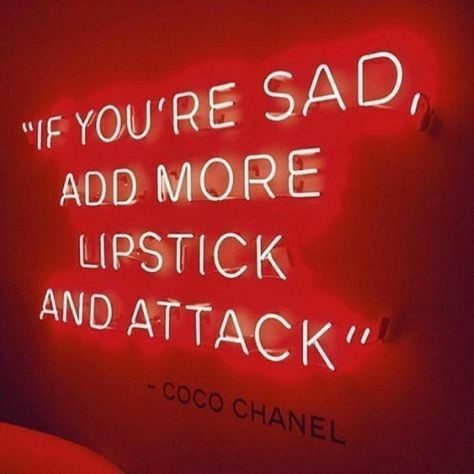
Power of a good lipstick
Have you ever …
- Put on lipstick to feel more confident?
- Pressed the button on the traffic lights (again and again) to get the lights to change?
- Rubbed a dock leaf on a stinging nettle sting?
- Bought a more expensive branded pain killer because it is ‘more effective’?
- Pressed control ‘S’ – to save the document on the computer (when autosave is enabled)?

What do these all have in common?
They are all forms of placebos.
(And yes, really, pressing the button for the traffic lights doesn’t work.)
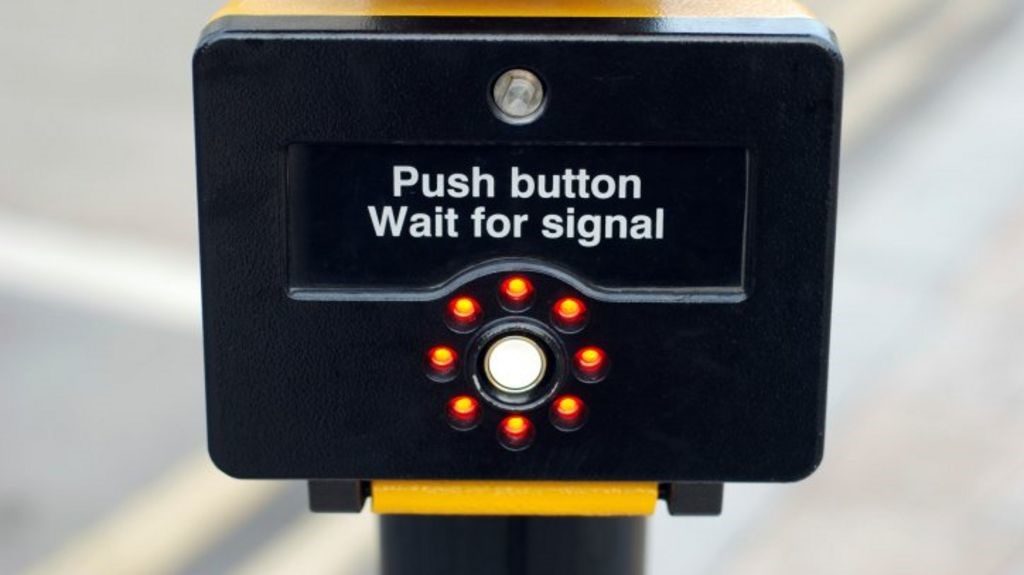
- 90% of traffic lights are automatic and pressing the button has no impact.
- The active ingredient in painkillers is the same whether you pay 59p or £3.99 – it is the same formulation.
- Dock leaves may not have any impact on stings.
But pressing the buttons (also known as placebo or idiot buttons), gives us the illusion of control.
And as humans, we want control.
Think about the little car icon on Uber – we like to know where and how far away the car is – knowing this gives us a feeling of control. We cannot make it arrive faster but feel soothed by the knowledge.

Placebos give us that illusion of control.
‘The Illusion of Control’ is a theory formulated by Harvard’s Ellen Langer in the 1970s. She discovered it when dealing poker cards out of order (so not sequential around the table but at random – people still had the same number of random cards but not dealt around the circle in the ‘normal’ way.) People objected “The cards somehow belonged to the other person, even though you couldn’t see them.”

Having control reassures us that our actions have consequences – that we have power to effect change.
“taking some action leads people to feel a sense of control over a situation and that feels good, rather than just being a passive bystander.”
Ellen Langer
Placebos reinforce in our brains that our actions have positive consequences. ‘I pressed the button and so the lights changed’ – a tiny amount of reward neurons are triggered in the brain. Your brain associates the pushing of the button with the little green man appearing. You have the power – you are in control.
Even when we know that something is a placebo – it still works. When patients are told they are taking a placebo pill their brains still triggers pain relieving neurons (as can be seen in an FMRI scanner) and the pain is not felt as strongly.
We believe it works. And so it does.
As Daniel Kahmenan says “you will believe the story you make up.”
“The placebo effect is more than positive thinking – believing a treatment or procedure will work. Its about creating a stronger connection between the brain and the body working together”
Professor Ted Kaptchuk
Importance of self-placebos
Placebos are not just medical – they are also personal. Placebos are an internal way that we prime ourselves – give ourselves subconscious clues about behaviours or reactions that we want or expect.
- Does the smell of coffee makes you feel more awake?
- Does first sip of a cocktail might make you feel tipsy before the alcohol hits your blood stream?
Before an important presentation or pitch, have you ever
- Put on the fancy (red) lipstick
- Worn high heels for a Zoom call where no can see your feet
- A ‘lucky’ pair of socks, or a favourite tie.
Even if you know that the shirt or tie has no quantifiable influence on the outcome of the meeting – the ‘I feel smart’ or ‘last time I wore this shirt, this good thing happened’ becomes subconsciously primed in our heads.
The rituals that we engage in reinforce the neural pathways and make it a desired behaviour to repeat. Inside our brains a complex neurobiological reaction is taking place – neurons are firing and releasing the happy chemicals – dopamine and endorphins are triggered. These reactions make us feel better & reinforce that sense of control.
Finding our own self placebos – from what we wear, what we do – can be really beneficial.
We develop and reinforce in ourselves these internal anchors.
“The attention and emotional support you give yourself is often not something you can easily measure, but it can help you feel more confident in the world,”
Ted Kaptchuk
Fake it ‘til you make it
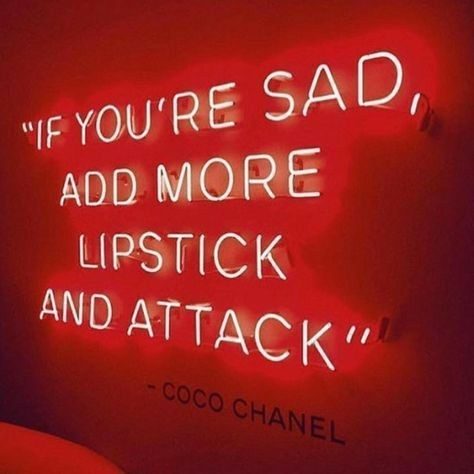
You can make yourself feel better (more confident/cute, ready for the meeting) by using your placebos – by putting on those heels, the lipstick or the jacket with the fancy lining.
So find your placebos – and use them to kick start the reaction you want.
Give yourself a placebo today.







Leave a Reply
Want to join the discussion?Feel free to contribute!