
Want to drive attraction and sales and make supporters fall in love?
Then look no further that Donzetii’s gloriously fun and frothy opera L’elisir d’amore (The Elixir of Love)
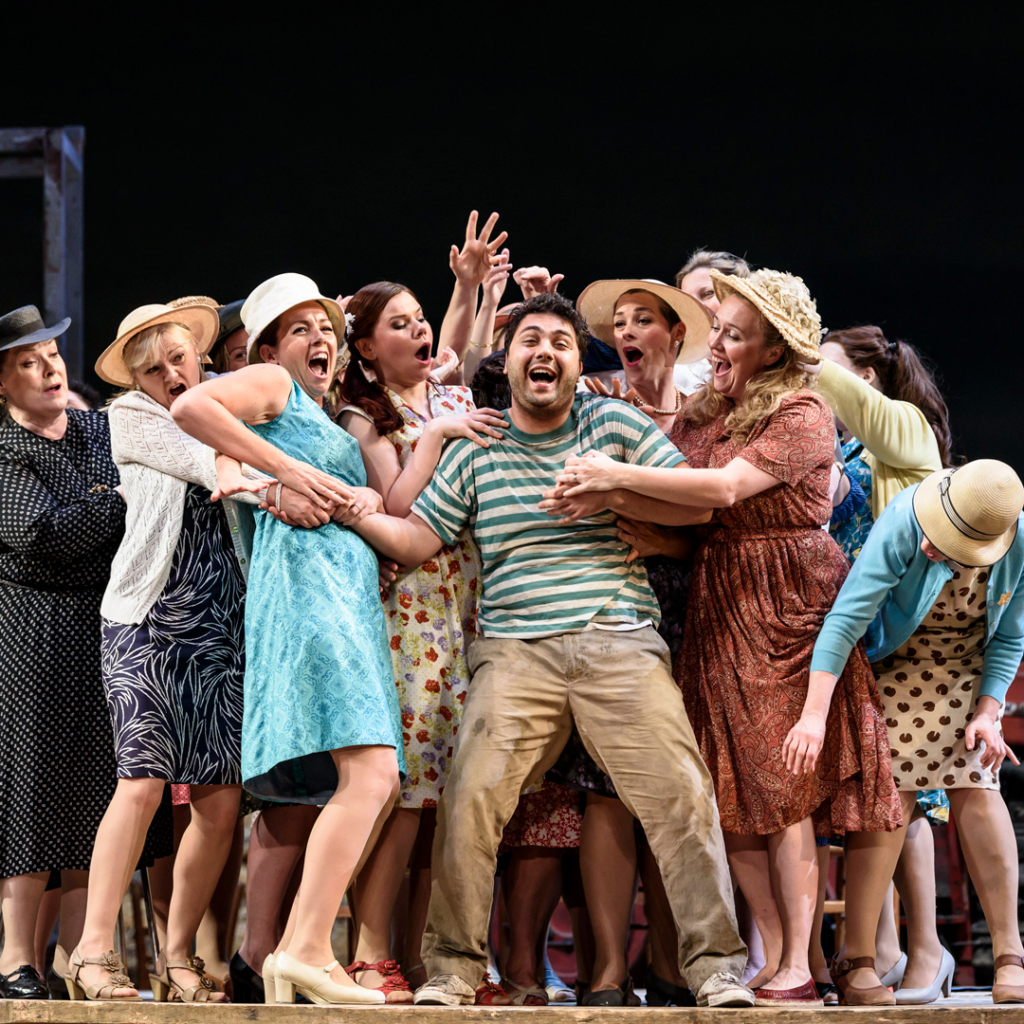
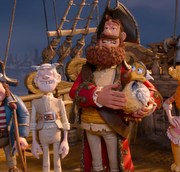
Would you buy a love potion from this man?

Could you fall in love with this one?

The plot begins …
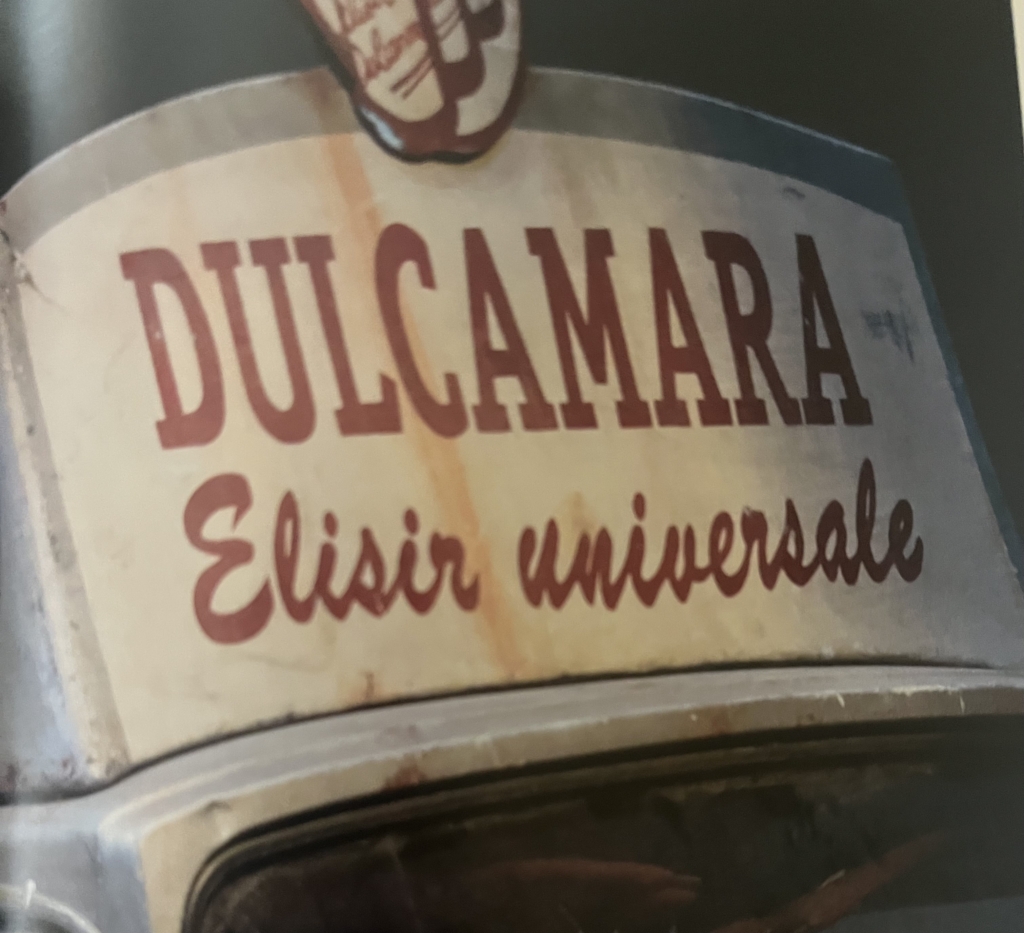
The opera tells the story of poor Nemerino who is desperately in love with wealthy landowner Adina who tells him she will never love him. The arrival of travelling salesman Dr Dulcamara and some universal elixir that promises to cure all ills and some cheap wine changes all of that.
Why is Dulcamara such a good salesperson?
Why does Adina fall for Nemerino?
Let’s explore some behavioural and decision science and psychological principles at work in the story and see how they could be applied to fundraising and communications.
(Now I appreciate that the centre of the Venn diagram of opera fans, Cialdini readers and behavioural psychology fans might be small, and this might be niche even for me, but there are some great heuristics at work that can be applied easily to communications and fundraising)
So lets start with Dulcamara – he is a travelling salesman who goes from town to town selling a universal potion that claims to cure all ills.
You can watch his sales pitch here – 4 mins long – (from the Royal Opera House’s production – ENO’s new production plays until 5 December 2024 and you can get tickets here)
And you can read an English translation here.
So what makes Dulcamara so successful as a salesperson?
He employs some psychological nudges to improve his credibility, authority and make you like and trust him more including:
Authority – he assumes you have heard of him and ‘what a great doctor I am’. He has ‘certificates authentic, branded, touch and see’ for you to see as testimonials to his success – these work as powerful messengers to attest to the success of the elixir.
He celebrates his track record (‘because of me the hospitals are selling off their leases’) and lists all the diseases he can cure.
‘The asthmatics, asphitics, hysterics and diabetics, cures the tympanitis, scrofula and rickets and even liver trouble… wonderful for liver, cures the paralytic, heals the apopletic’
There are so many cures listed that everyone and anyone could see something they suffer with being improved by application of the potion.
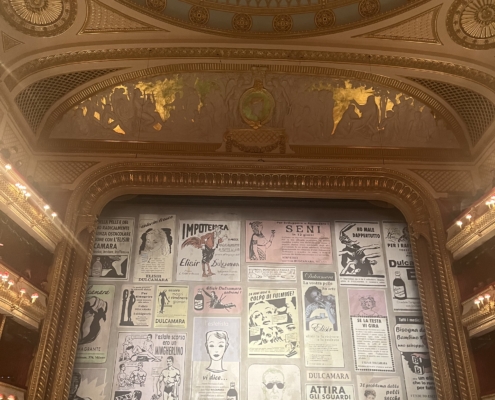
Anchoring and priming
‘Now you ask; what’s its price?
How much is it per bottle?
A hundred scudi ? … no.
Thirty? …. No.
Twenty? …. Now don’t be surprised’
This anchoring technique is a common sales technique used to influence the customer perception of the value of the item you want them to buy. Steve Jobs was clearly inspired by this technique when he announced the price of the newly launched iPad in 2010. He initially said the price was $999 before revealing that the price was only $499 – the high anchor made it seem like an expensive item and enhanced the perception of the quality and value of the item – the lower price makes it seem more affordable and reasonable.
Incentive – Dulcamara was also offering a scudi cash back on any purchase which further incentivises a purchase. It also excites the reciprocity principle that the offer already has a concession made it in and therefore the natural human response is to reciprocate to the concession and accept the offer.
Likability – Dulcamara seeks to let the crowd that he is like them and we like people who are more like us. He says all over Europe I sell for 9 lire “but as it is evident, I was born in the country, For three lire I grant you … ah warm homeland”. This again ignites the reciprocity principle as a concession, for being local, has already been made.

And what could you do to be more like Dulcamara?
(when we put aside the ethics of not overclaiming – your charity may be saving the world but you probably cannot claim to be a universal solution to all society’s ills)
Authority – what testimonials or awards have you for that enhance your credibility and speak of your successful track record? Awards or testimonials from others – industry leaders, participants or press – can act as powerful messengers.
Anchoring and priming – often supporters do not know what is appropriate to give so anchoring them and priming them with a number helps them know what to give. The Girl Guide cookie seller example if often cited with asking for thousands of dollars of cookie sales, which makes the follow up concession offer of $100 worth of cookies seem more reasonable and increases sales. How can you use larger numbers to help encourage bigger donations? Can you talk about the total cost of a programme, and then the cost of helping one child, one cat, save one square metre? The smaller number will seem more reasonable after the bigger number.
Likability– we like people who are like us. Highlighting his local connection makes Dulcamara more appealing. How can we show supporters that we are like them (or other people like them do this)? Fundraising research has shown in real world tests (with a public radio station in America) that if the person asking for money mentions the gender or location of the last donation e.g. when talking to a donor from Penzance saying, ‘I was just talking from someone from Penzance and she gave £50’ increases the donation rate. It highlights our identity – as a member of a place-based community – and also creates a powerful social norm of what people in our group, and our area do (one of the best ways to reduce electricity use was showing what other local people had already done). How can you highlight the local connection as a community?
Reciprocity – what gift or offer can you give your supporters before hand? Is it a free pen, a sticker, a postcard, bookmark or are there are non-tangible warm glow affects you can give them about the impact of their previous work that makes that want to return the favour and reciprocate with a philanthropic gift?
And the plot continues …
Nemerino is desperately in love with Adina and after she has dismissed his suit he approaches Dulcamara for a love potion that will transform her affections. Dulcamara sells him the potion – which is in fact a cheap bottle of claret – Nemerino believing it will work its magic on Adina’s affections drinks it all and is dismissive of her.
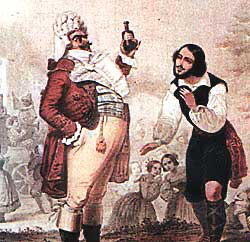
The wine is a placebo – Nemerino believes the potion is working so does not try desperately hard to impress. By taking action and using the potion Nemerino has got the illusion of control over the unrequited love situation he finds himself in. (more about placebos here)
Some more plot
Nemerino’s rich uncle dies and leaves all his money and land to Nemerino (he is unaware of this)– the town get word of this and suddenly all the women of the village see Nemerino with new eyes and want to dance and flirt with him.
Why does Adina fall in love with Nemerino?
Peer-suasian – once Adina sees all the women of the village finding Nemerino attractive and interesting she suddenly sees him in a new light. Humans are herd animals and seeing that everyone else thinks and reacts in a certain way has a powerful influence on us and our behaviours. Social ostracization is just as psychologically painful as physical pain so staying with the group is important. Adina becomes influenced by the others behaviours and questions her former apathy towards Nemerino.
FOMO – we fear on missing out on something good. Adina fears that someone else will get Nemerino. (He has also sold himself to the army to get enough money to buy more elixir and Adina buys him back but says if she cannot love him he will still go to war and the soldiers have been summoned to action – so she fears she may lose him that way as well.)
And so why does Adina fall in love with Nemerino?
Apart from the tenor’s ability to sing beautifully – a combination of the social proof that he is an attractive proposition and the fear of missing out.
So how could the implications of a love potion be used in fundraising?
- Placebos – placebos are about trying to give the illusion of control – how can you more autonomy to your supporters about how they give, where they give, whether they give and when?
- Peer-suasian – how can you show supporters that people like them (same age, location, demographic, gender) are supporting like you and that this is normal for people like that
- Scarcity – how can a time limited match campaign or emergency situation galvanise that scarcity principles and drive action?







Leave a Reply
Want to join the discussion?Feel free to contribute!