
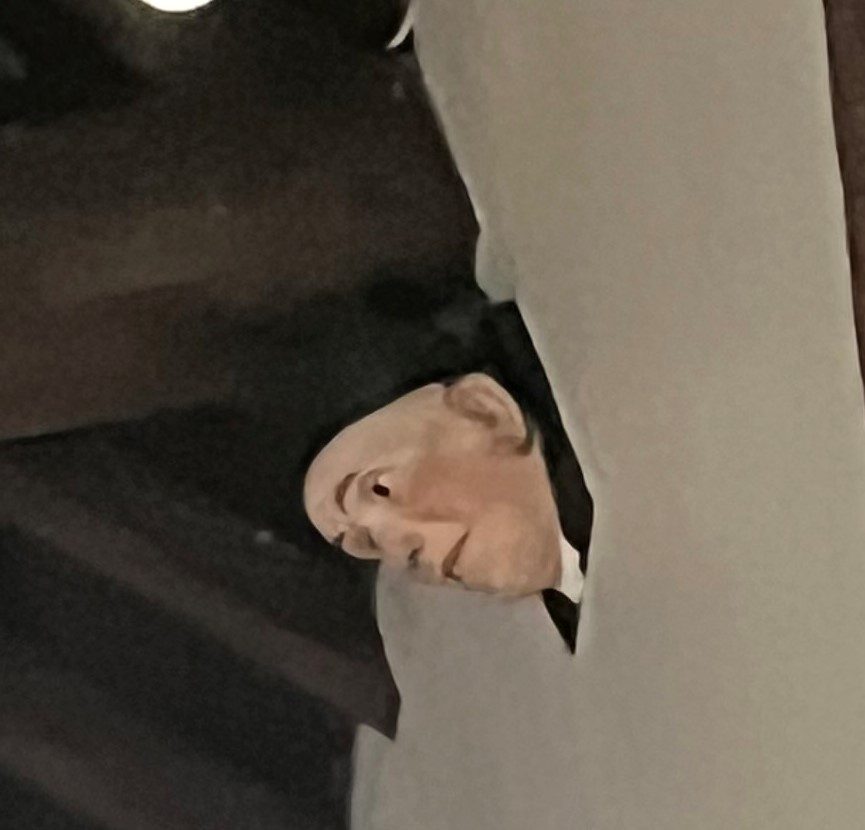
A boss – my new favourite donor recognition
As you may know, I love a good bit of donor recognition and I may have found a new favourite – a boss with your donor’s face on – a very special way to credit that important supporter.
Bosses are usually seen in church and are protrusions of wood, stone, or metal – in churches they are often decorated with faces or stories (or astronauts at York Minister following the Blue Peter competition in the 80s). The bosses you can see below have been used to commemorate key donors and benefactors – a very personal thank you and suited to the setting.
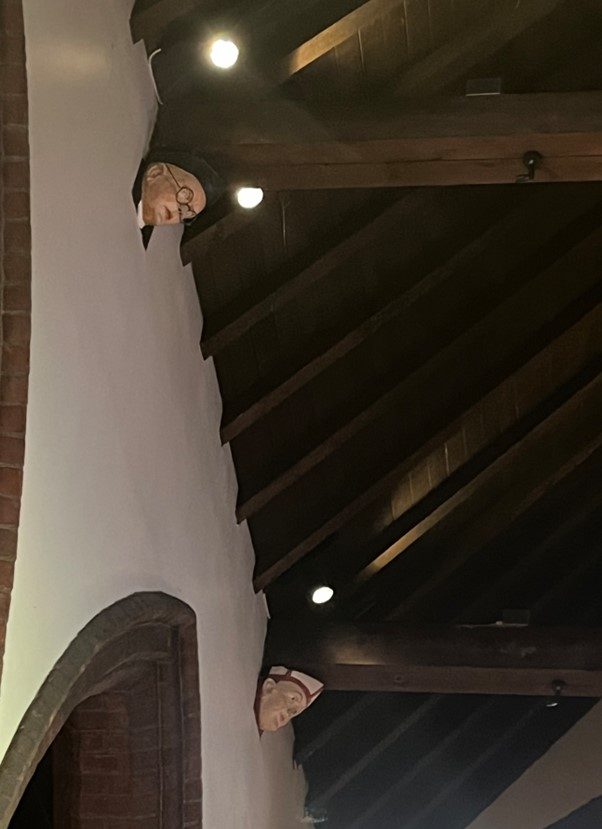
These are from the Shrine of Our Lady of Walsingham where we were recently on pilgrimage. The Shrine was founded in 1061 by a noble patron, Richeldis de Faverches, and philanthropy, patronage and fundraising have always played a part in its ability to deliver its mission (more about that in a future blog).
But this got me thinking (and in the week when the CAF 2022 Giving Report came out and religious organisations continue to get 17% of all UK donations and the highest average gift) about how churches as the innovators of many of ways that we acknowledge donors that we still see today. And a few that have fallen out of fashion…
Your face here …
The donors who made cathedrals or churches possible were often included in the fabric of the building as a way of acknowledging their gift.
In glass
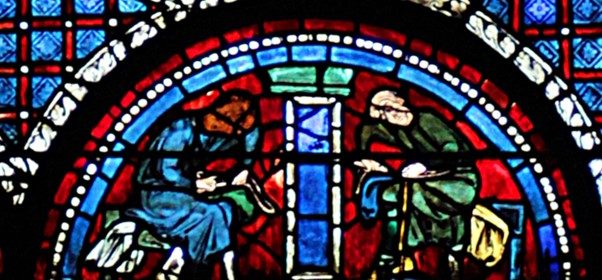
Glass was very expensive and the windows were frequently sponsored. Many of the local guilds supported a window and they are immortalised in the windows often with the tools of their trade. See below for close up of the carpenters, wheelwrights and coopers in the Life of Noah window (left) and the shoemakers who supported the Parable of the Good Samaritan (right) from Chartres cathedral in France (and common in many cathedrals and churches). They offer a personal and high profile social reinforcement of the charitable commitment.
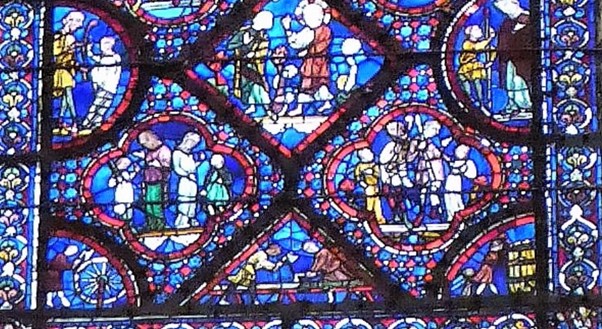
Although, not all gifts were welcome … when Notre Dame was being built in the twelfth century there was a controversy when the local group of prostitutes wanted to pay for a window in honour of the Virgin Mary (not showing the guild they belonged to as was traditional!) The gift was turned down by the embarrassed bishop. (Thanks to Rhodri Davies for this example)
And it was not just glass, but frescos and painted into altars.
In the fourteenth and fifteenth centuries donors included themselves in paintings they commissioned on altar panels. It highlighted their contribution to the church and also their personal piety – but was very much a donor led decision about the credit! Many of these portraits came as part of generous bequests to ensure that their souls would be prayed for in perpetuity for a double motivation.
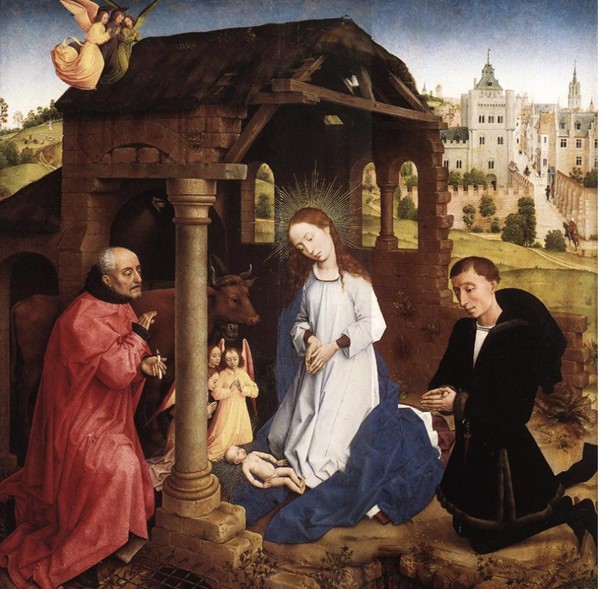
Below, Braque, the donor, is seen dressed in modern clothes and praying at the Nativity Scene. This is the central part of the triptych of an altar painted by Rogier van der Weyden in the fifteenth century.
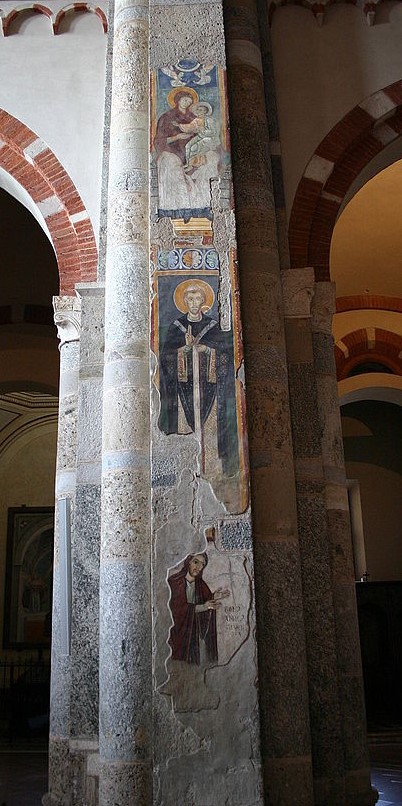
And a thirteenth century example of donor recognition with the donor painted into a fresco in Sant’Ambrogio in Milan alongside the Madonna and Child.
Future proof your credits – c15th style
What do you do if you have already had a donor portrait painted and you get married?
Or members of your confraternity die?
Simple – just add or remove them from the painting.
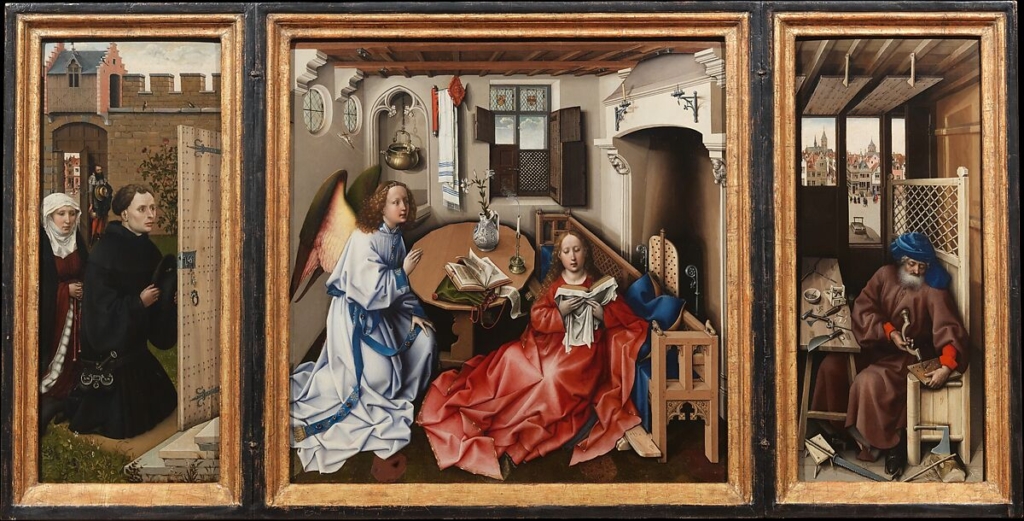
Which is what happened in this painting attributed to the Tournai workshop of Robert Campin. This painting was completed in 1425 and shows the donor Peter Engebrechts kneeling on the left. After his marriage his kneeling wife, Margarete Scrynmaker, was added in behind him and their coat of arms can be seen in the stained glass window in the central panel.
(and if members of the confraternity die in the plaque – update your donor portraits on the altar by adding a small cross in their hands as was done in a fifteenth century Dutch altar The Queen of Sheba Bringing Gifts to Solomon)
(When altar paintings were decommissioned and acquired as art the donors are frequently adapted into saints!)
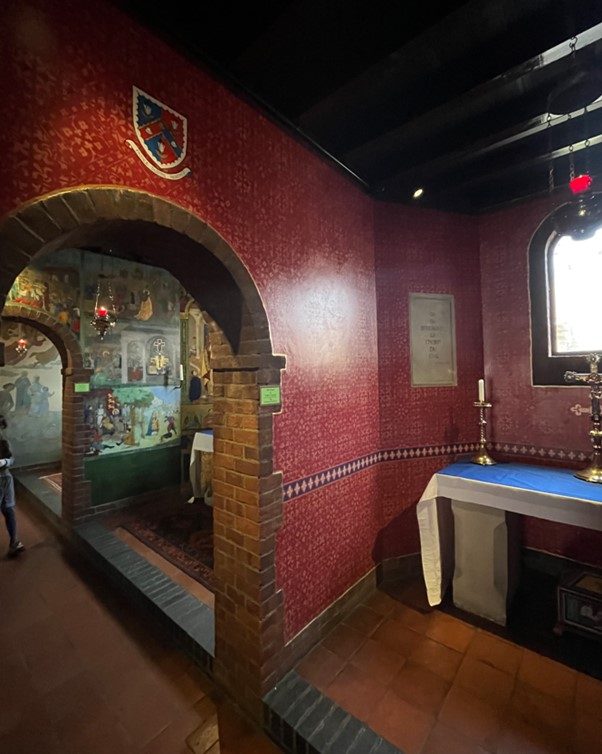
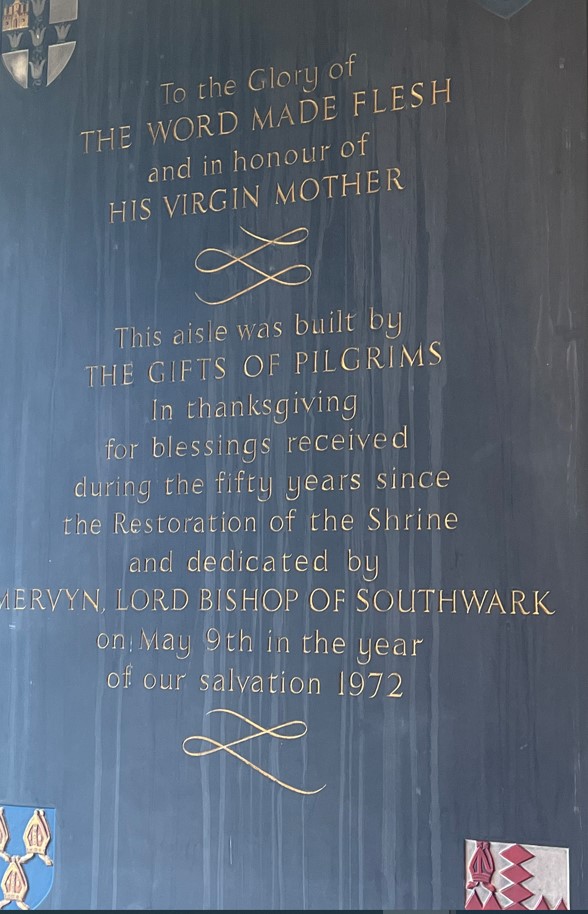
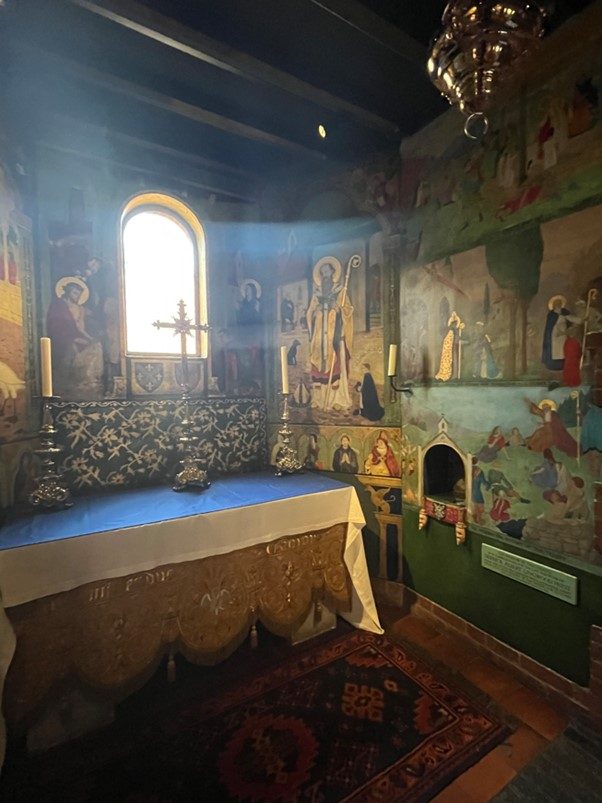
Using a coat of arms might seem like just a medieval practice but was used again during a recent chapel restoration at the Shrine of Our Lady of Walsingham – see the coat of arms on the wall.
And as a donor you could also include your dog
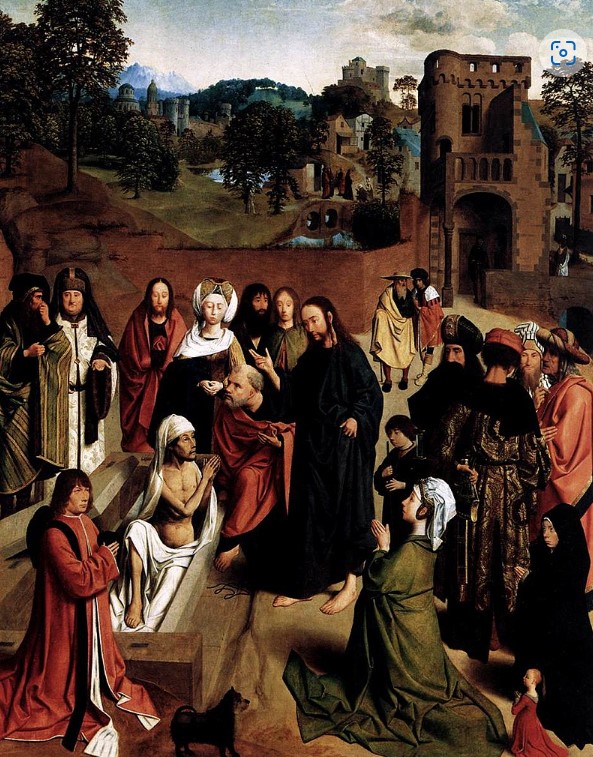
In this altar painting of the Raising of Lazarus the donor, his noble family and even his dog and commemorated and immortalised in this fifteenth century painting by the Dutch painter Geertgen tot Sint Jans .
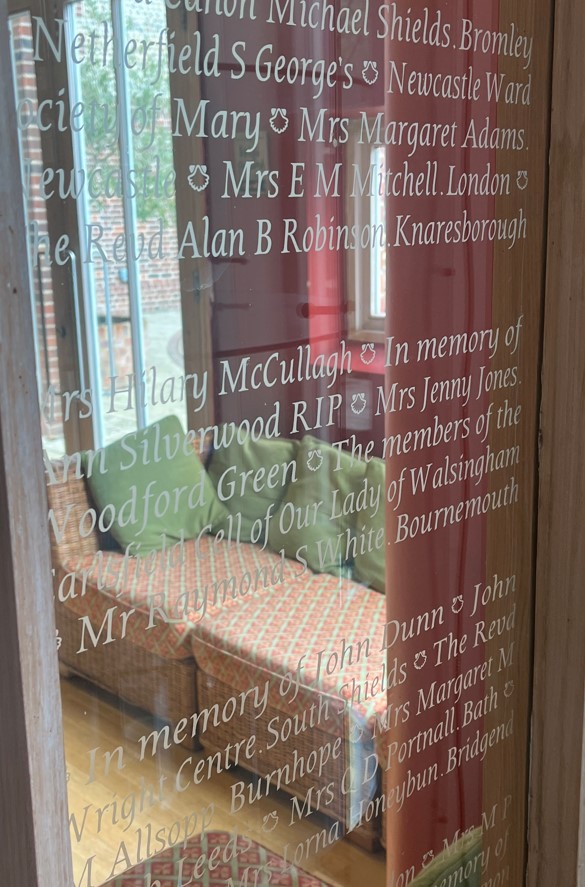
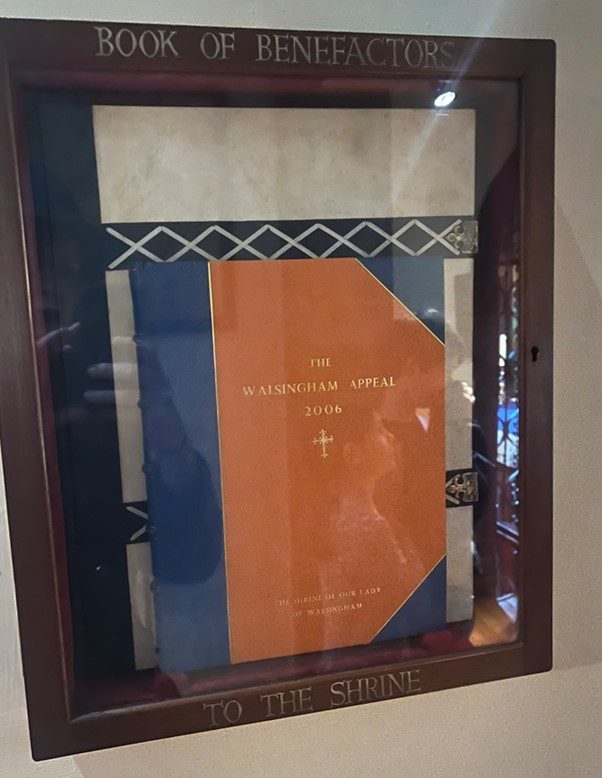
I explored the 1140 Benefactors Book from St Alban’s Abbey in an ‘I Wish I Thought of That’ talk and you can read more about the importance of donor recognition and why it works see this article I wrote for SOFII SOFII · Celebrating donor recognition through history and exploring why it works) and you can see the Walsingham Benefactors’ Book below.
And back to Walsingham and donor credits
A very brief history of Walsingham
Richeldis had a vision of the Virgin Mary who instructed her to build a replica of the Holy House (Mary’s house in Nazareth where she was told that she would give birth to Jesus – the Annunciation happened).
Following this vision Richeldis used her funds and influence to create the Holy House. Walsingham became a pilgrimage destination where prayers were answered and healing miracles occurred.
Visited by many kings including Edwards I, II and III and Henrys VI, VII and VIII (with two of the six wives). Wills from the time show legacy bequests being received to give thanks for prayers answered at the site.
Pilgrimages resumed in 1897 following the destruction of the monasteries and the creation of the Shrine was led by Fr Hope Patten who through noble patrons (land donated by Sir William Milner) and mass involvement of committed pilgrims raised the money to make it happen.
Double naming
One challenge that can occur in fundraising is that things are named in perpetuity so you can’t change them, or do not have the contact details of the donor’s next of kin to ask about future use. With many legacy gifts to church they come with the request that the soul of the deceased is prayed for in perpetuity so an added moral imperative to honour the donor’s request.
What do you do?
Leave it forever, or discreetly remove the plaque?
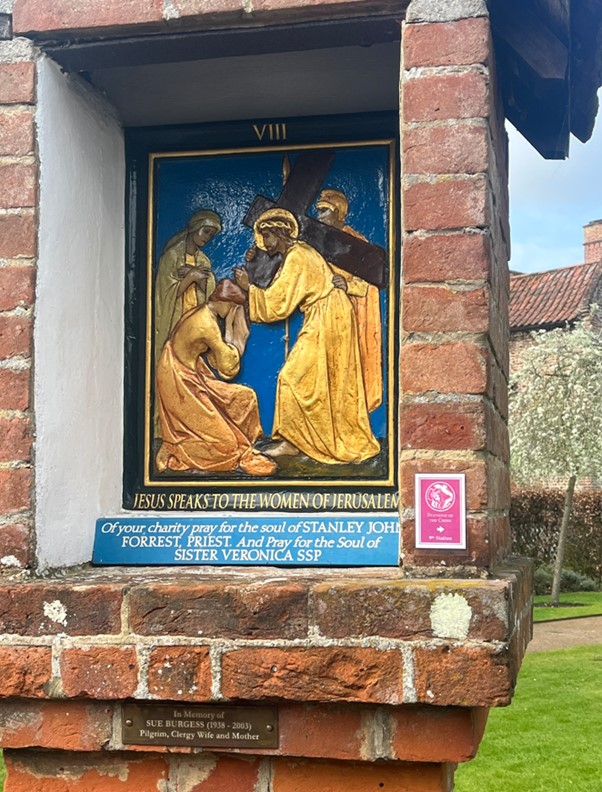
Why not name twice as has been done here on the outdoor stations of the cross… the original in blue and the brass plaque below acknowledging the support of the donor who helped with a more recent restoration.
Ticking off the list
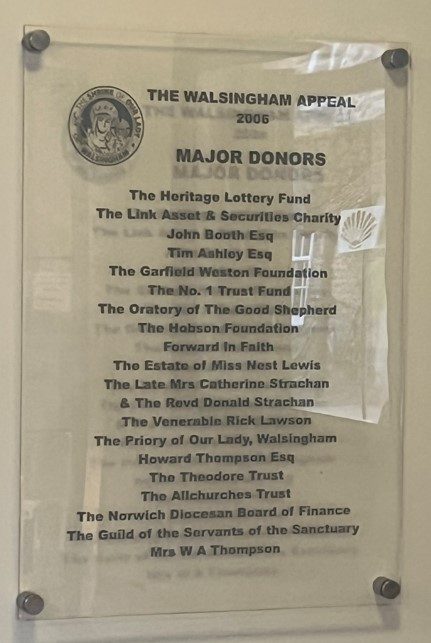
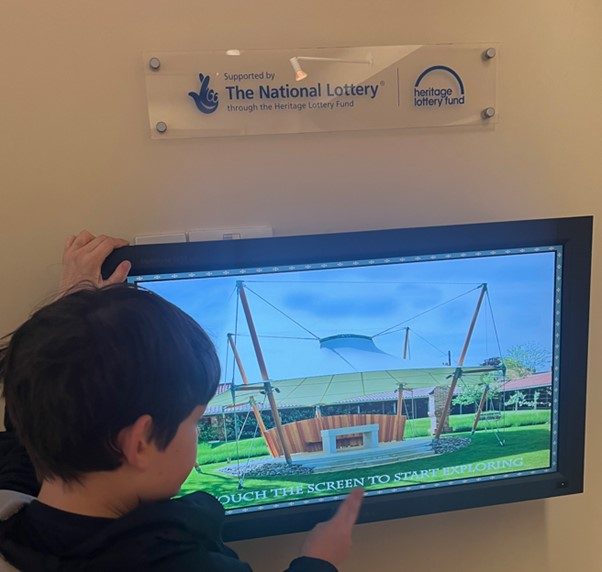
Walking through the grounds of the Shrine, you can play tick off all the usual suspects on your ‘donor recognition checklist’ and like the bosses, there are some unusual ways to solve some of the challenges that can face fundraisers trying to recognise multiple donors over decades.
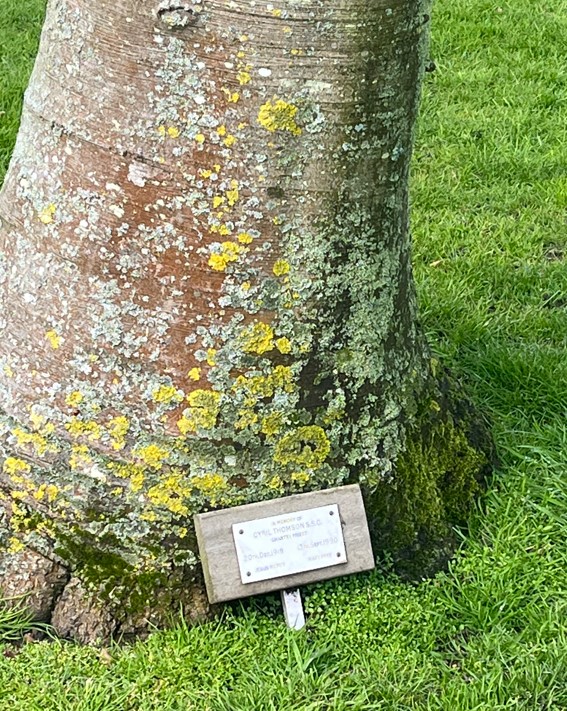
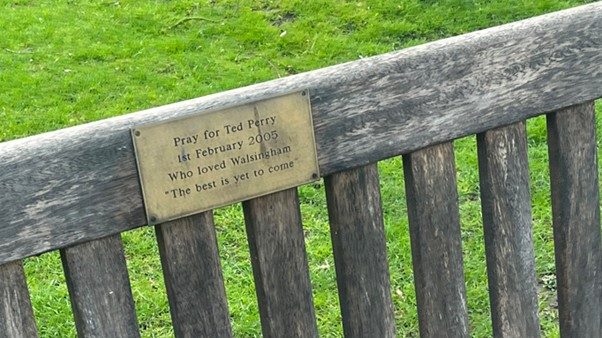
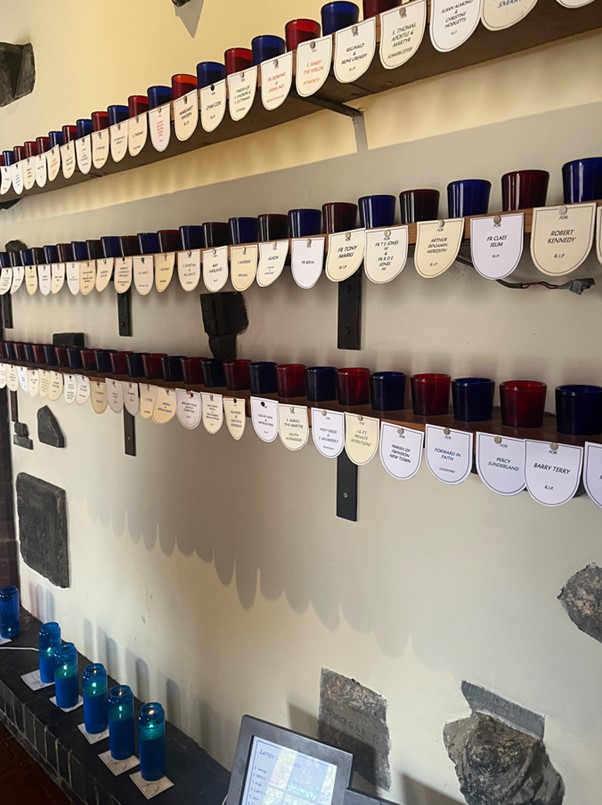
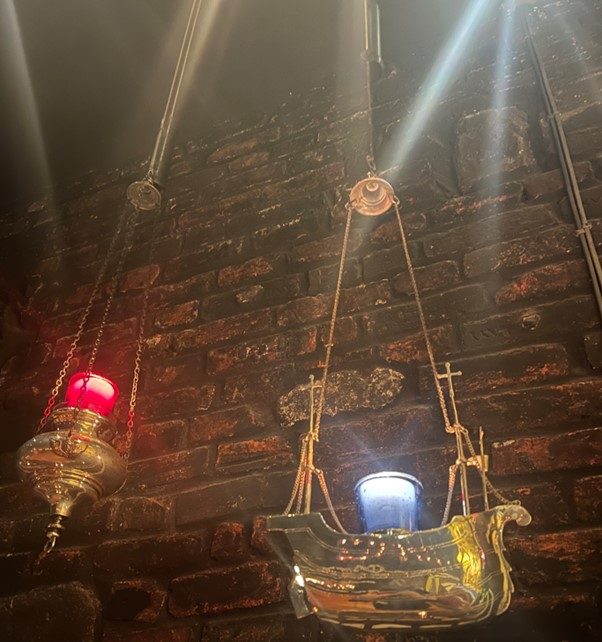
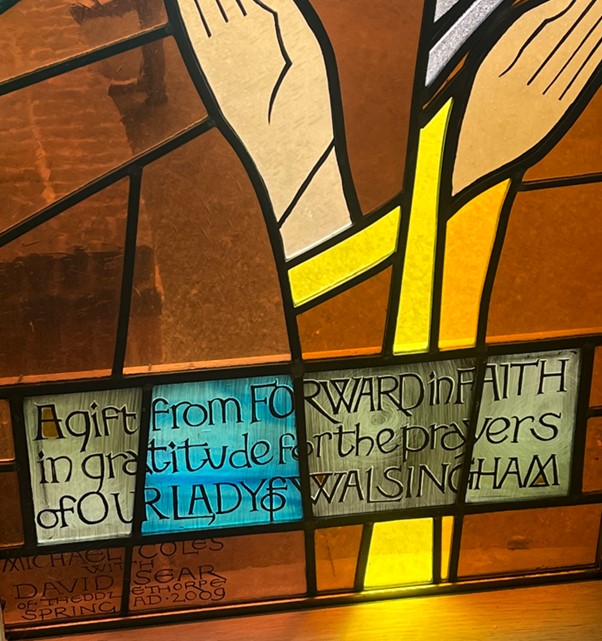
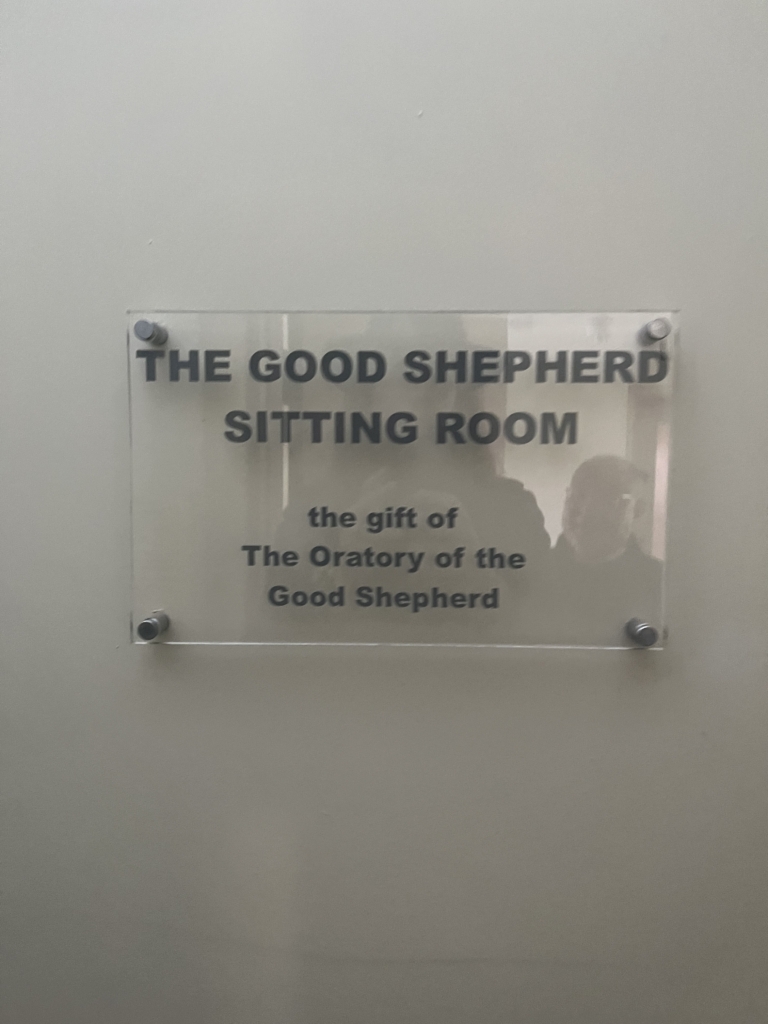
So …we have donor recognition on benches, trees, candles, stained glass windows, plaques (institutional and personal), rooms and a benefactors’ book (I think the only thing missing was a name a brick!)
Legacy
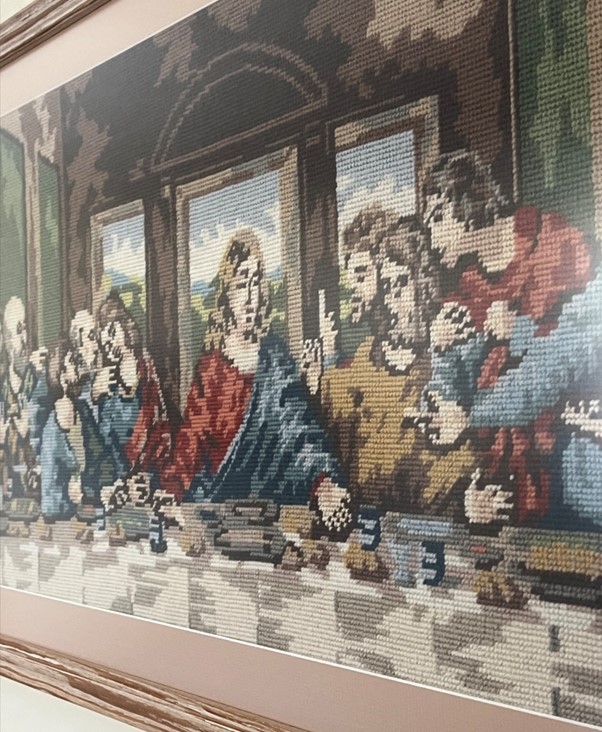
Walsingham like many charities is one that relies on legacy gifts and sometimes legacy gifts don’t just come with money but with items that are connected to the charity and that have deep meaning for the givers that they want to gift to the charity. Having accommodation for pilgrims means there is ample room to have these treasures on display.
Keep asking
And throughout there are ways to give now, give in your will and be connected to projects. Don’t forget to keep asking.
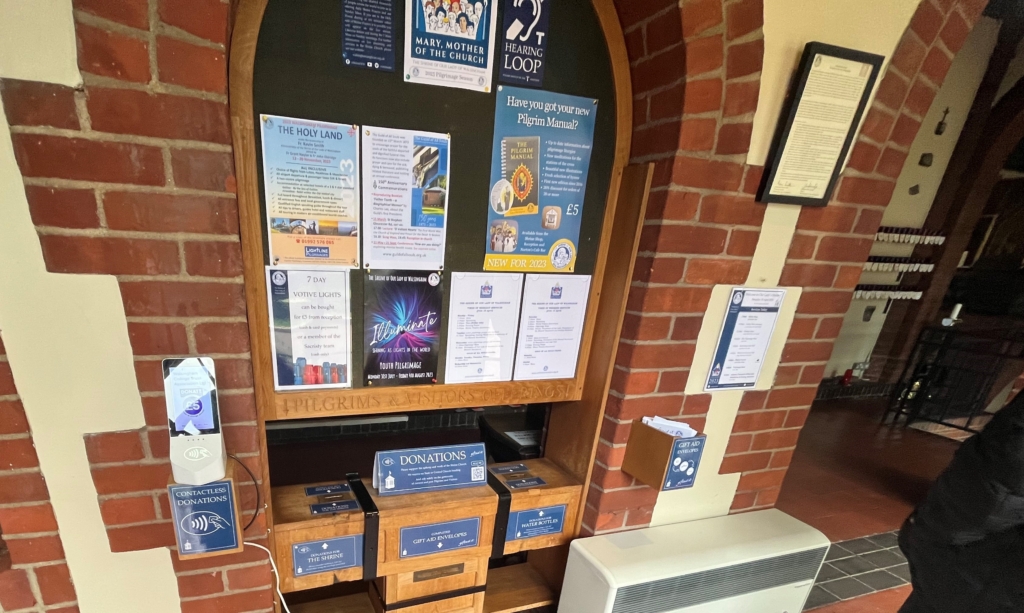
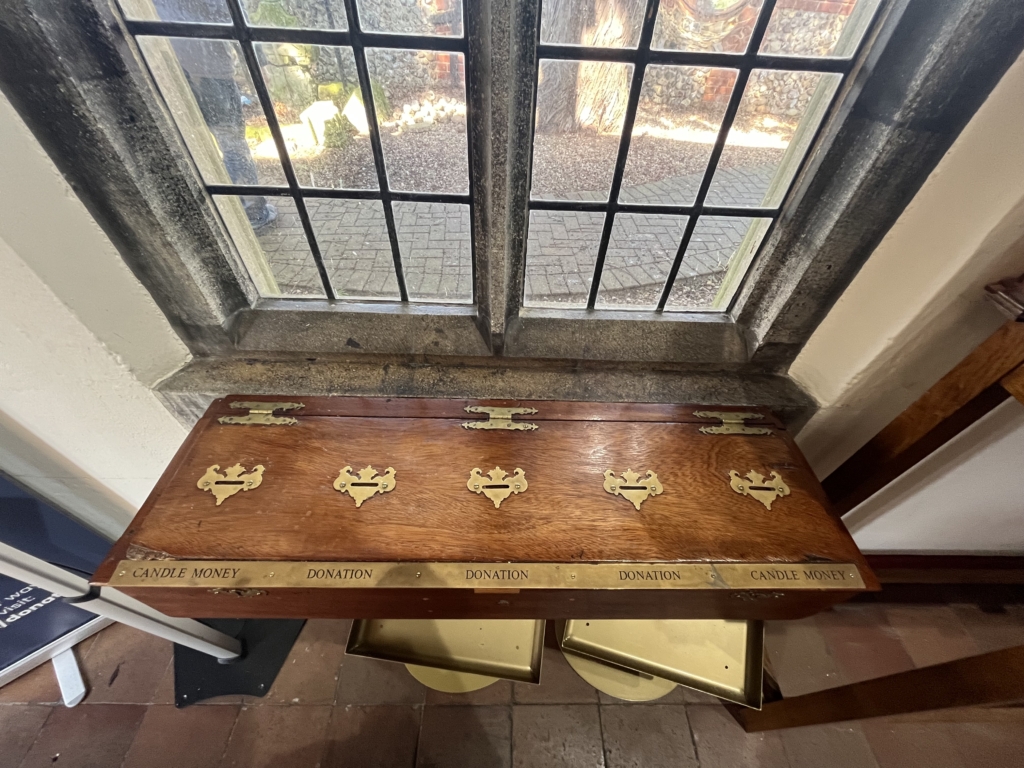
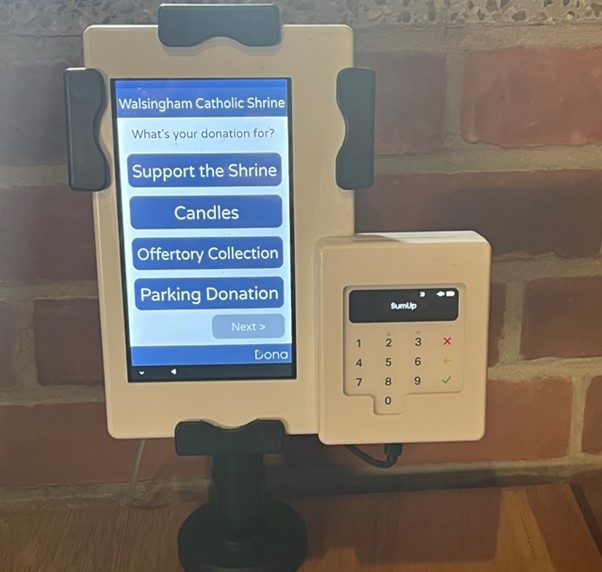
Donation boxes remain an important tool for fundraisers – read more about why they work or don’t in this previous blog.
Explore the past to inspire the future
Often when we look to the past in fundraising, we see that things have been done the same way for many centuries which can be reassuring that we are doing it right. But we can also find interesting examples that can inspire how we thank donors today. It doesn’t have to just be a wall with names on it – you can be fun, you can connect with your cause, your building and integrate their donor and their gift into the very fabric of what they are doing in creative and personal ways.







Leave a Reply
Want to join the discussion?Feel free to contribute!