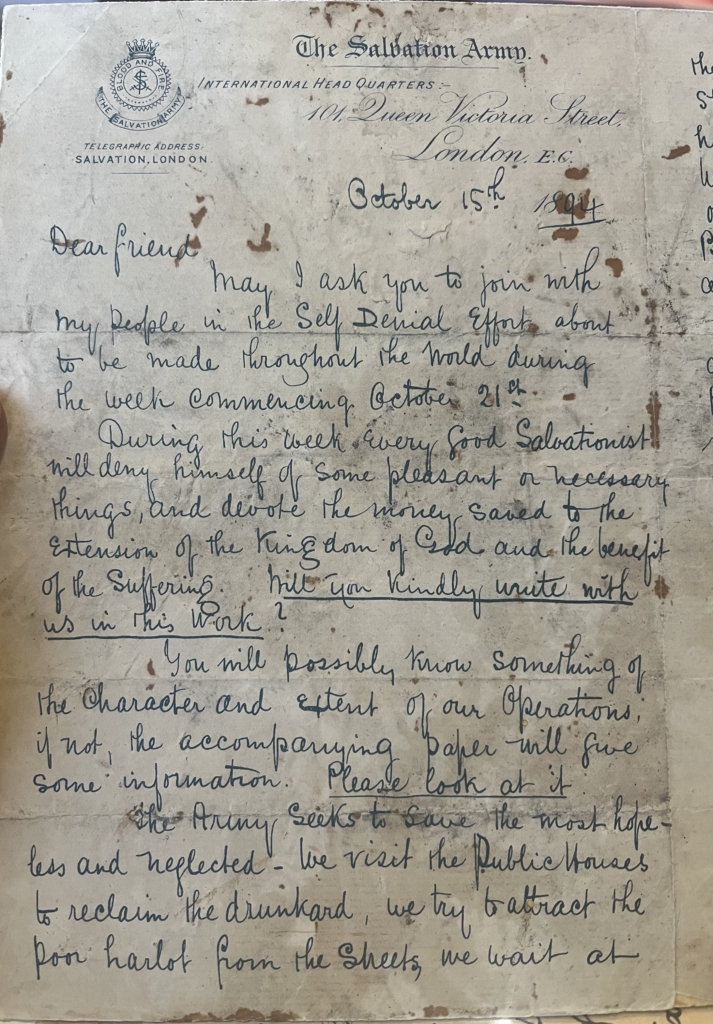
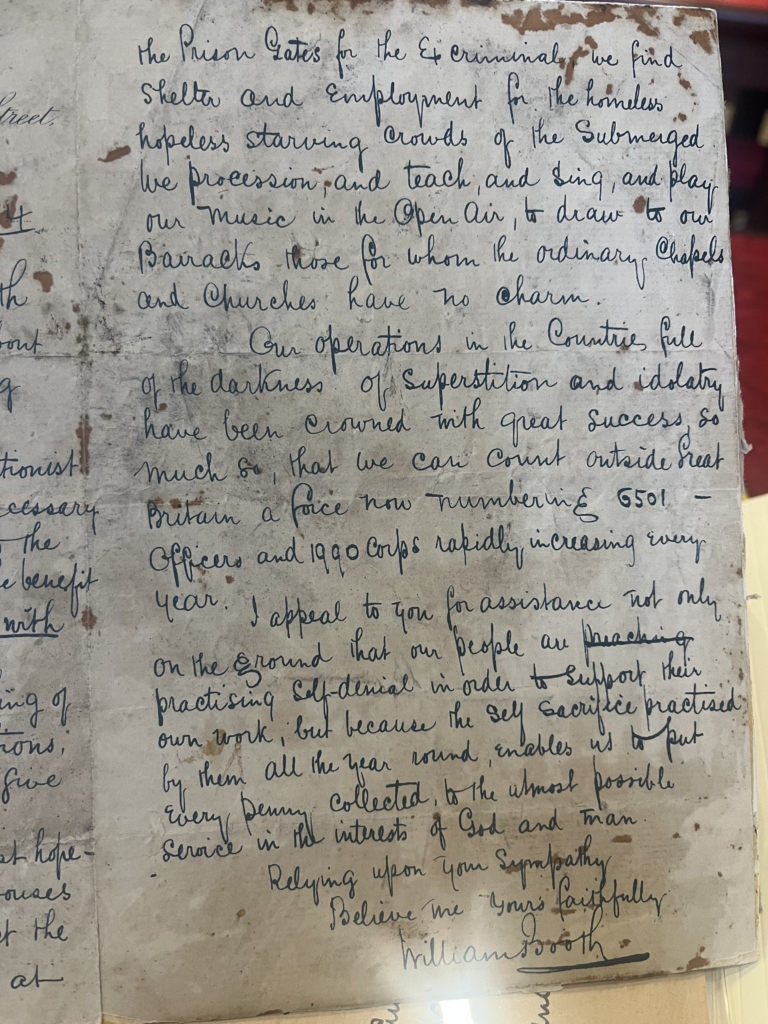
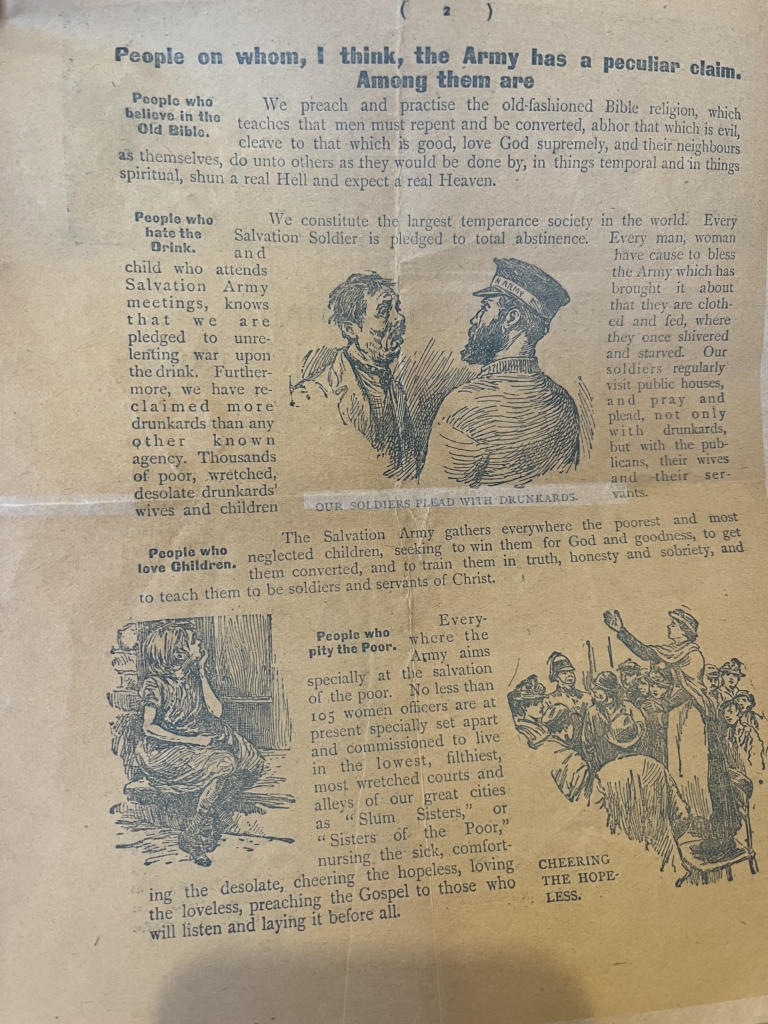
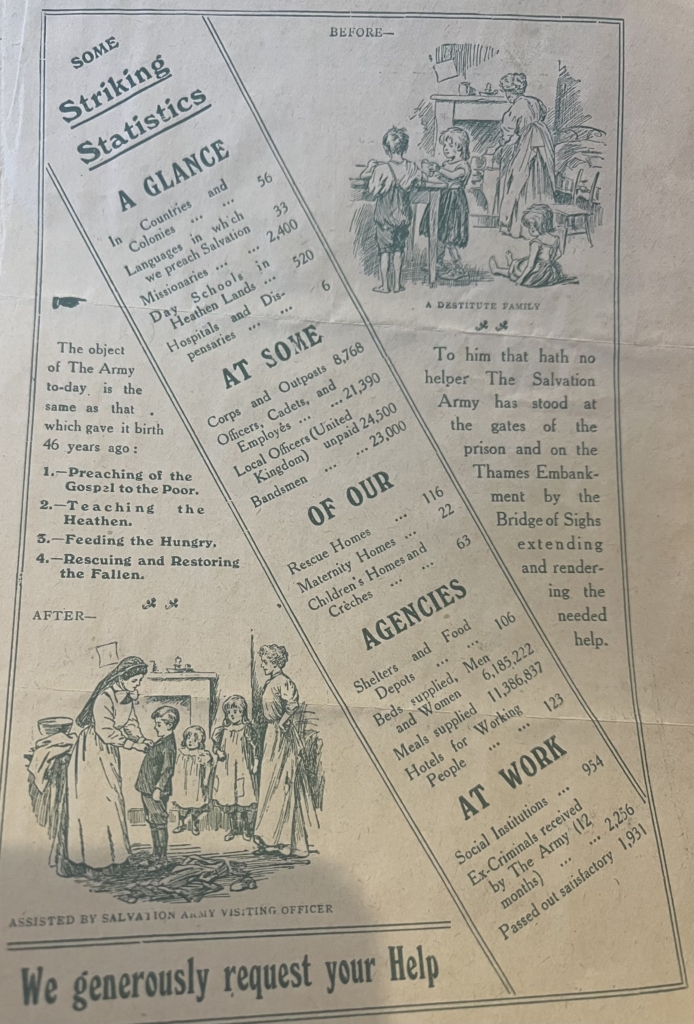
Eat butter & get drunk: How to raise money for a cathedral
Building, maintaining and rebuilding cathedrals and monasteries was an expensive and ongoing business.
Here are just some of the ways in which funds were raised from the tenth century to the fifteenth. Many of which we see today in various forms for capital campaigns, or other appeals, and others we can adapt.
- Eat Butter
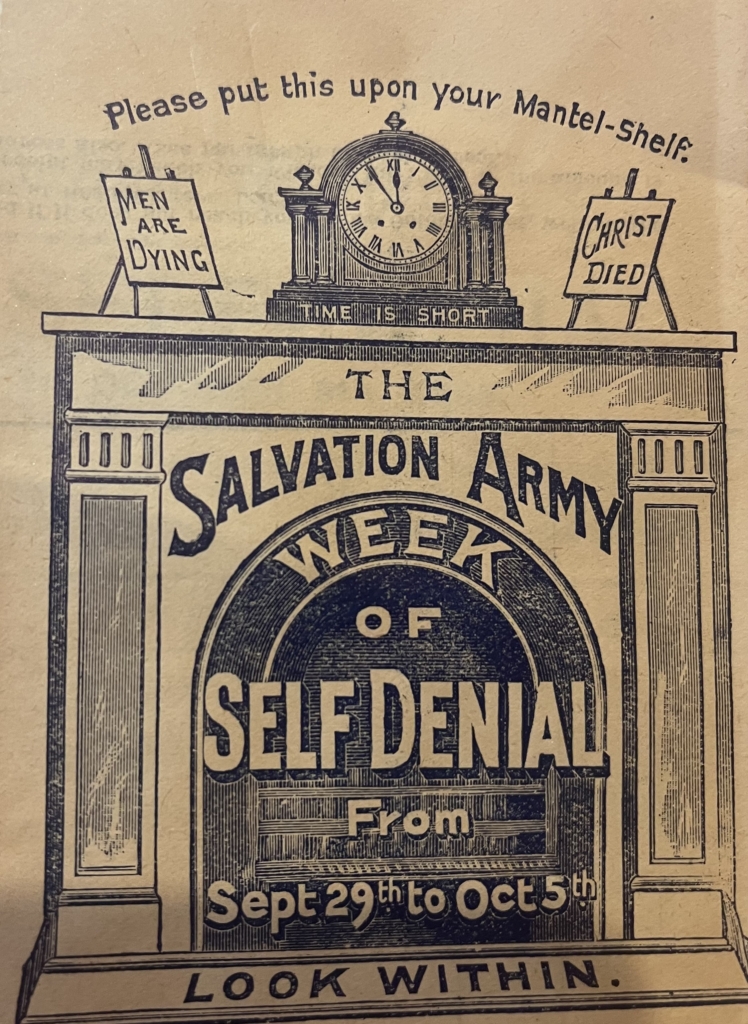
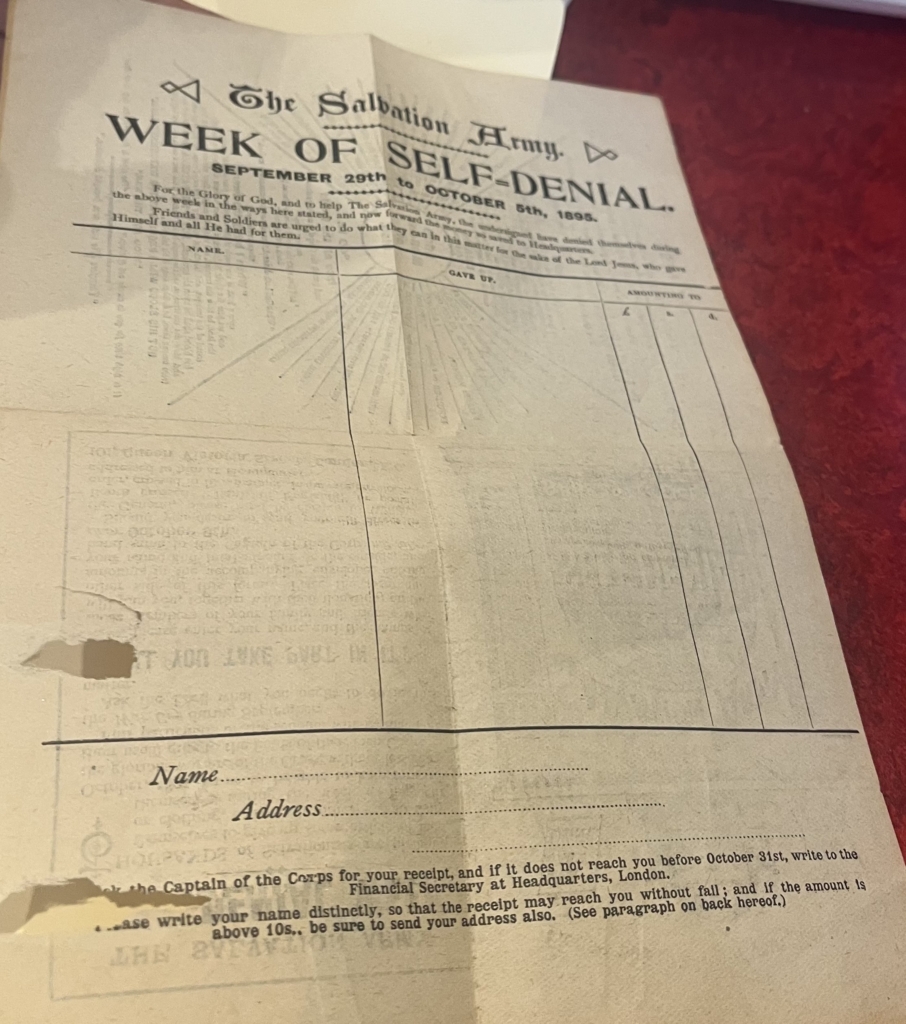
What have you given up for Lent?
If you had permission to break that in exchange for a donation would you?
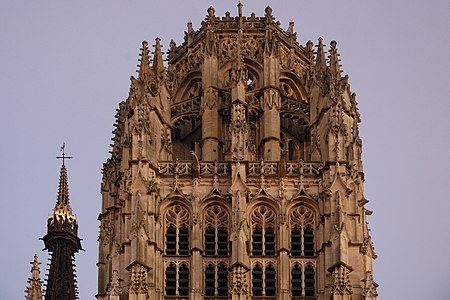
During Lent, the faithful were to abstain from meats, dairy and eggs, which mean that the townspeople of Rouen could not enjoy Normandy butter. However, if they made a donation of 6 deniers Tournais to Archbishop Robert de Criosmare’s fabric fund for the cathedral they would be let off their Lenten discipline and permitted to eat butter.
The fundraising by this exemption was so successful that it raised enough money for the tower of the cathedral – which is known to this day as the Tour de Beurre (Butter Tower) because of where the funds come from (and that is made of local yellow limestone that has a buttery hue!)
- Sponsor a window, a pillar, a figure, a chapel, a candle, an arch, a day’s labour, a year’s labour
Basically you can sponsor anything.
We like to be able to know what our contribution did – to say to others or just to ourselves ‘I did that’. The options within cathedral buildings were endless – arches, windows, chapels, figures on a portal (at Notre Dame they originally planned to have 28 chapels but the popularity of chapel support locally meant they had over 50 chapels were installed – how’s that for donor dominance!).
Windows proved to be one of the most popular ways that individuals or local trades could show their support and the sponsor is often shown in the window – so we see windows from fishmongers, clothshearers, leather dresses, masons and church builders.
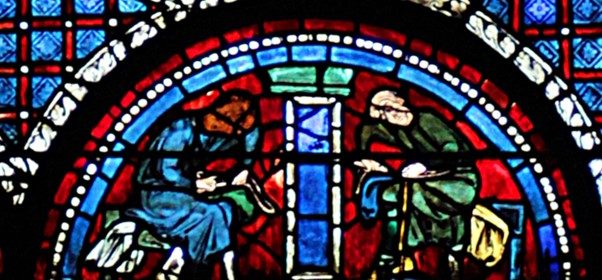
(Although, the cathedral in Tournai complained about the ‘pompous trimmings’ of the excessive donor led art projects that supported additional decoration rather than the building of the cathedral – donor dominance even then!)
It was not just physical capital items that were supported. People also made donations to fund positions – for a day, for a week, for a year. Again demonstrating that every contribution can be attributed to part of the project. It is easier for our brains to process and understand – 3s pays for one day’s labour than to grasp the complexity and cost of a whole building project.
Nowadays capital campaigns allow people to do everything from name a building or a room, but also the smaller and more tangible items from a light switch to a toilet brush, well as supporting the salaries of posts.
And the church were creative and offered lots of opportunities to credit donors – from donor books, coats of arms on walls, pictures in painting and windows and many more. In Strasbourg each week they held an elaborate ceremony on Sunday after the high mass reading out the names of the donors to the fabric fund and writing their name in the Liber Donoatiorium (donation book) For more about donor recognition in churches see this earlier blog about donor recognition or the IWITOT (I wish I thought of that session) about donor recognition on SOFII’s website.
Although as well as crediting donors, these memorials could be used to name and shame. In the donor book of Milan it lists that ‘all the braiders of Milan except Giorgio Coiro‘. So poor Giorgio is forever immortalised as the one that did not pay (maybe don’t try this with your donors!)
Donating money to have the bells rung for the living or the dead could also grant you an indulgence. Indulgences could be offered, reducing the amount of time the donor spent in purgatory, and hence placing them nearer to heaven. But it was a core thing that needed to happen and be paid for – a great way of funding those core costs.
How can we chunk our campaigns into chunks so that people can know that they have supported a specific thing to happen?
How can we recognise and celebrate those gifts in creative and aligned ways?
- Gamification and competition
In Milan in the 1380s what galvanised the capital campaign for the cathedral was some healthy local competition. One local neighbourhood, the Porta Nuova gate started a weekly collection. The next week the Pavia Gate started, with the aim of being seen more generous than their neigbours. And the competition spread.
How can you introduce fun and friendly competition into your campaign?
- Tap into supporter identity
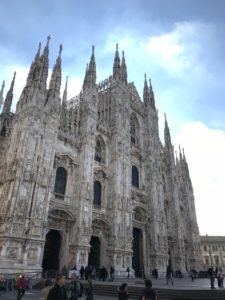
The competition between the Pavia Gate and the Port Nuova above highlights the importance of hyper local identity.
Every supporter has several identities that reflect who they are (or how they want to be seen as their ideal version of themselves) your fundraiser message can connect with these identities – as a Christian, as a Catholic, as a proud city resident. But identities go deeper and hyper local. In Milan there are dedications and donations from ‘the young men of the East Gate‘ – this is not just an affinity to the city, or to the cathedral, or saint, but to the local area –
Where are the identity triggers with your donors? How do you provide segments that reflect true and deep connections?
- Calendar highlights

Church campaigns used high days and special holy days to enhance campaigns. For example, Assumption-tide was used as a way to galvanise campaigns. The relic quests (which you read more about here) often worked between Pentecost to Assumption (partly because of the weather).
Most religions have seasons when charitable giving is particularly encouraged like Ramadan or Lent, that can be used as times to encourage giving. Or anniversaries (of your founding, of a specific event) can be used as a hook for a campaign.
How can you use dates and moments in the year to bring life to your campaign?
- Be organised
Milan cathedral had an organising committee of 12 nobles, 9 canons, 16 citizens and 3 lawyers (and 20 notaries were busy copying out the bishops letters to diocesan clergy requesting support). One hundred local citizens also oversaw the work being done checking the quality of materials and work being done. Fundraising is not a lone task of the fundraiser working away on their own or with their team it needs the whole organisation to be involved in supporting success. It also requires planning and strategy.
Milan was built relatively quickly there are other examples when fundraising stalled because of plague, war, the Crusades or other political upheavals. The most successful campaigns had a visionary champion who believed in the project and excited others and got them organised.
The Canterbury register of donors opened 8 years before the building began!
Have the structures and processes in place – budgets, targets, ROIs, LTVs are important and you need the staff infrastructure to support success.
Who are your champions that can excite your supporters and your staff?
- Gifts in kind
As well as financial donations, gifts in kinds of bricks and stones from other were also welcomed.
“If I were a shepherd I would bring a lamb” (from the carol In the Bleak Midwinter)
Devotional gifts also included a horse, a basket of cherries and an egg.
How can you encourage gifts in kind of the things you need?
- Authority figures
In 1171 the Bishop of Norwich sat on the cathedral entrance to accept donations from the faithful. We are influenced by the messengers that ask for gifts, but also get an extra warm glow from making the donation to someone important.
- Leadership gifts
In a capital campaign you always want a leadership gift – a big gift from a significant person – with authority and integrity to lead the way for others to support. Often in the Middle Ages this would be the Bishop or the Cathedral chapter.
- Going once, going twice ….
People donated and bequeathed items to the fabric funds and these were put up for public auction to raise funds. These included gowns, boots, towels. jewellery, furs, daggers, helmets, gauntlets, and silver slippers. These seem to have been sold at a commercial rate rather thank like an auction generating over the odds prices as a way to support the charity.
- Employee involvement and the Ikea effect
The challenge for fundraisers can be finding an appropriate and useful way for partners to be involved in your project – it can be painting, gardening, volunteering at an event but it tends to be an important way that the employer can demonstrate their impact and charity credentials and build teams.
This was not a problem for our medieval counterparts, as using free labour was part and parcel of building a cathedral. Various guilds and confraternities would come and offer free labour for a day or a week.
As well as burly people to get the job done, this also has an added effect of creating a deeper senses of engagement and commitment to the cause. The Ikea effect means we value something more if we have been involved in its creation (like the flat pack furniture) – the involvement of the armourers or the drapers had a vested interest in the success and use of the cathedral by donating their time to building it.
How can you get people involved in the cause to make them feel more involved? They may not be able to dig a foundation but how can they feel connected to making things happen?
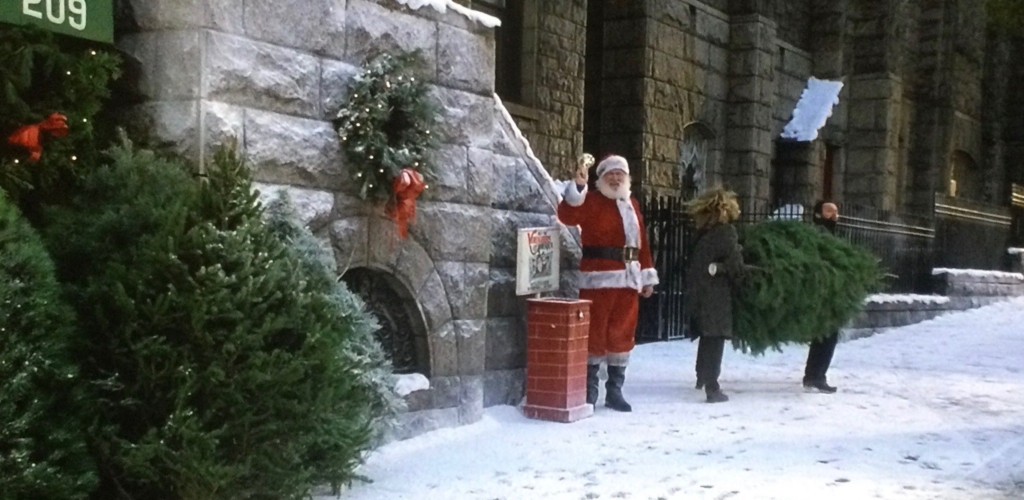
- Donation boxes
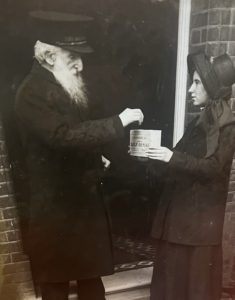
Donation boxes are nothing new and recorded in the Temple in Jerusalem in the time of Jesus.
In Milan in the fourteenth century, a donation box was placed next to the work building the cathedral encouraging more donations.
There is always an argument about how effective they are for actually gathering donations, or whether they are more useful for the mere exposure effect of the need (and there is more about their power and persuadability here). Perhaps they were particularly effective on relic tours, when after an emotive sermon two trusted men would solicit donations.
- In memory giving
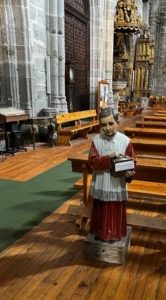
Giving in memory of someone we love can elicit a bigger and more emotional gift. In Milan we see some early in memory giving for ‘by Francischino Carcano for the soul of Sempliciano Limit who formally resided with him‘.
How can we use the emotions we feel for other people (dead or alive) to inspire gifts?
- Anonymity offered
Not all donors want their name, their guild or their crest displayed it is important to be able to offer donors the choice to be anonymous – this example from Milan ‘offered on the high altar by a certain illustrious and exalted lady who would not be named’
It is always a good option to allow your donor’s the choice to remain anonymous.
(But sometimes anonymous can be an excuse for even more credit and this clip from Curb Your Enthusiasm about anonymous donations)
- Location, location, location
Toulouse Cathedral made use of its location on the route to the St James of Compostela pilgrimage route so its donation boxes did particularly well.
- Use the power of celebrity
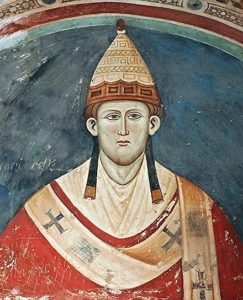
When Pope Innocent IV stayed in Lyon 1245-51, the lagging cathedral fabric fund had a huge boost. Using the power of celebrity can help increase donations to the campaign – with the pope you have a celebrity and an authority linked to your cause.
- Make the most of bad things happening
Archbishop Richard le Scrope was executed in 1405 for his part in the Northern Uprisings. Pope Innocent VII excommunicated those that had been involved in his trial. He was buried at York and viewed as a saint and martyr by some. York had been lacking a saint, and the veneration of Scrope’s relics increased revenues and donations.
(As an aside – he is one of the traitors, along with Westmoreland, in Shakespeare’s Henry IV Part Two – where he is definitely a traitor not a saint)
- Myth making and reality
There is an enduring myth that Henry II built Poitiers cathedral. He is depicted with his wife and children in the central Crucifixion window. In reality it was a much more communal effort with his contribution, the bishop, the chapter, other parishes, burghers and local craftspeople. After capital campaigns, certain myths develop about how it was funded and by who.
- Questions over whether you can accept money from Prostitutes of Paris
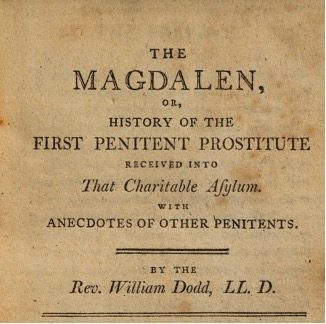
Having a policy and concern for repetitional risk in accepting donations is nothing new – generally the church disapproved of usury (taking interest) but the clerics of Notre Dame had some interesting discussions about whether to accept donations from the guild of prostitutes – read more on concerns about tainted money below:
Make sure you know who you will accept money from, and a have a plan on how you assess their suitability
- Get drunk
From the tenth century at least the use of church ales was common place to help raise much needed funds. These were social occasions with much beer, dancing and games. Parishioners allocated members of the parish to brew the beer which was sold at a premium to raise funds. These ales were also used for raising support for members of the parish who had fallen on hard times and were a form of horizontal philanthropy and mutual aid. These ales were also used to help newly married couples – which is where the word ‘bridal’ (bride-ale) comes from.
Although this practice as open to abuse and sometimes people just got drunk and claimed it was ‘for charity’.
Social fundraising like gala dinners and balls continue to be a tried and tested way to raise funds with people paying over the odds/commercial rate to support a charity and/or enjoy the social time.
Make fundraising fun and social and create events where people can come together to support you
And some practices that we will not be adopting
- Confiscating property of heretics and those of other faiths (especially Jews)
- Enforced taxes and tithes and contributions from other parishes
- Using the confessional (in Strasbourg) to stress the importance of donation
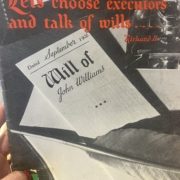
- Priest needed to be at the drawing up of wills so the importance of gifts for salvation could be stressed (in Toulouse in the thirteenth century). In Strasbourg in 1283, the city stopped all bequests to the church because of the undue pressure put on the dying and the protestations by heirs.
- Arresting donors that don’t pay up – Michel de Lucy (son of the King and Archbishop of Bourges) was compelled to pay to restore the cathedral by his father the king. When he did not pay, he was arrested in Paris and forced to pay.
- In St Luke’s Gospel it says “for which of you desiring to build a tower, does not first sit down and count the cost, whether he has enough to complete it” – words not taken on board by many medieval cathedral builders!
In 1544, Emperor Charles V wanted to donate a new rose window to Utrecht cathedral but they had to refuse as they could not afford the installation costs.
So what can we learn from medieval cathedral building schemes
- How can you get people involved in the cause to make them feel more involved? They may not be able to dig a foundation but how can they feel connected to making things happen?
- How can we chunk our campaigns into chunks so that people can know that they have supported a specific thing to happen?
- How can we recognise and celebrate those gifts in creative and aligned ways?
- How can you use dates and moments in the year to bring life to your campaign?
- Where are the identity triggers with your donors? How do you provide segments that reflect true and deep connections?
- How can you encourage gifts in kind of the things you need?
- Who is receiving the gifts?
- How can we use the emotions we feel for other people (dead or alive) to inspire gifts?
- Make sure you know who you will accept money from, and a have a plan on how you assess their suitability
- Make fundraising fun and social and create events where people can come together to support you
- Who are your champions that can excite your supporters and your staff?
References
‘How a Cathedral was Built in the fourteenth century’ by E Bishop (1898)
‘Two thousand years of disreputable history’ by Redmond Mullins
‘Gold Was the Mortar The Economics of Cathedral Building’ by Henry Kraus
‘Conviviality and Charity in Medieval and Early Modern England’ Judith M Bennett Past and Present 1992
‘Financing Catherdral Building in the Middle Ages the Generosity of the Faithful’ by Wim Vroom