Inspired by a blog a few years ago looking at some fun fundraising ideas from My Fair Lady with Dominic Haddock & having enjoyed the Bridge Theatre’s Guys & Dolls here are a few fun and silly ways this classic musical could inspire your fundraising …
.
1. Where to host the crap game
“The Biltmore garage wants a grand But we ain’t got a grand on hand.“
The search for where to hold your events can be problematic – as you return to the same venues year after year with the same issues.
What is their eventual solution? Hosting the crap game in the mission whilst Sky takes Sister Sarah to Havana and eventually decamping to the sewers – demonstrating the need for creative solutions to repeated problems that we have (just maybe not in a sewer!)
2. Red carnations to get into the crap game
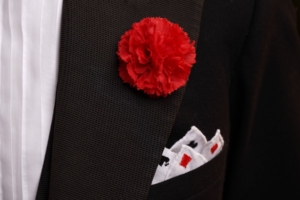
When they do decide on where to host the game, they need a signal to know who is coming to the game. The gamblers all wear red carnations and they tell Lt Branigan it is for Nathan’s Bachelor party. Identity, and signalling identity, can be really important to supporters – whether that is through the name that you give them as a group or circle of supporters, or provide other ways for them to identify themselves to other supporters or signal their status – from enamel pin badges, ties, tote bags to names on donor walls.
3. Take Back Your Mink
“Take Back your pearls, what made you think I was one of those girls…
Take Back the Hat, the shoes and the gown,
I may be down but I’m not as flat as all that.
But when I think about what you want in exchange…”
There seem to be three potential lessons here for the fundraiser … all about the importance of saying no and walking away from bad or demanding relationships.
The importance of saying no when funding expectations are too much. We have all been there when a gift is being discussed and the demands of the donors become greater and greater. No matter how far you have got in the relationship when the expectations are out of balance you need to remain true to your mission, values and the integrity of the work and walk away and refuse to cooperate is sometimes the best thing you can do
This could equally apply to the donor, and how they might experience the fundraising courtship process of soliciting a major gift and the expectations that the charity might have on the donor in terms of financial commitment, and other expectations (opening address books, networks or time), and again the need to step away from that relationship
More problematically it could apply to the power imbalance between a major donor and an individual fundraiser and inappropriate propositions made in order to secure a gift, again a time to remove yourself from the situation.
The song always end with the dancers rushing back on stage and retrieving the gown, mink, gloves, pearls etc., and challenging the audience
“Well, wouldn’t you?”
Which rather depressingly might speak to the fact that charities sometimes still accept the money despite the unreasonable the demands, or ethics of a donor. Do charities sometimes accept the money because they need it even when they have misgivings about the relationship?
And an added extra
My parents saw a production of Guys and Dolls years ago, and still have a garter thrown into the audience during this scene. Souvenirs are really important for supporters to remember those key experiences – in arts charities that can be programmes, ticket stubs but for super engaged fans they can be bit of the curtain or carpet. One donor I knew had a drawer full of these souvenirs – they funded a lots of arts education so it included mini sets created with match boxes and blood stained handkerchiefs from prop makers workshops. These tangible reminders of support help create memories, and remind us of those powerful experiences.
4. “Sit Down You’re Rocking the Boat“
A negative view means this might mean that charities stick to their knitting in the infamous words of the former MP for civil society.
But I prefer to think of this as as – always have an encore built in.
‘Sit Down You’re Rocking the Boat’ is scheduled to be the showstopper moment in the show, and has several pre rehearsed encores built into the show.
How can you build an encore into your supporter care and experience?
5. “When you see a guy reach for stars in the sky You can bet that he’s doing it for some doll.”
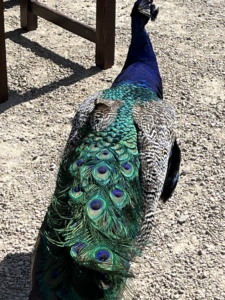
The song speaks of guys doing out of character things to impress the women in their life – a phenomena called the peacock’s tail.
In evolutionary terms, the peacock’s tail is costly signalling and is there for sexual selection – peahens have evolved to show a preference for mates with brighter feathers and bigger tails. The tail serves to advertise the health and status of the peacock. In survival terms it makes the peacock more attractive to others – but this comes at a cost – the tail is cumbersome and would slow a peacock down if under attack. It is a calculated cost risk to advertise so blatantly. So peacocks have evolved to have brighter feathers and bigger tails.
Being philanthropic or altruistic is a way in which humans can do costly signalling.
When performing in front of a female audience, in a lab setting, men have been shown to be more philanthropic and demonstrate their kindness and altruism (in lab experiments, this behaviour was not seen in females). Men’s contributions doubled when they rated the female observers as more attractive.
This behaviour is not just seen in a lab but in real life – people can be more generous in public – at a charity auction – with a ballroom full of people watching – this is known as competitive altruism – and can be used as a powerful way to enhance reputation, signal your suitability to be a caring partner and good gene quality
Researchers (Iredale & Van Vogt, 2009) have posited that the ‘altruism is sexy’ then charities could use that in communications to promote more public prosocial behaviour.
6. “Luck be a lady tonight“
Despite the best strategy, plans, introductions and aspirations there is always an element of rolling the dice and luck in fundraising.
7. “This is not a charity contribution, this is a business transaction”
Says Sky Masterson giving his marker to Sister Sarah Brown for two dozen genuine sinner – we all think about gifts in different ways – sometimes the gift is purely altruistic, sometimes fulfilling an obligation, sometimes business – to gain access, power or status. It is important to know how your donor might be thinking about their gift.
8. And the power of reinvention
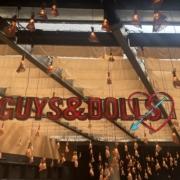
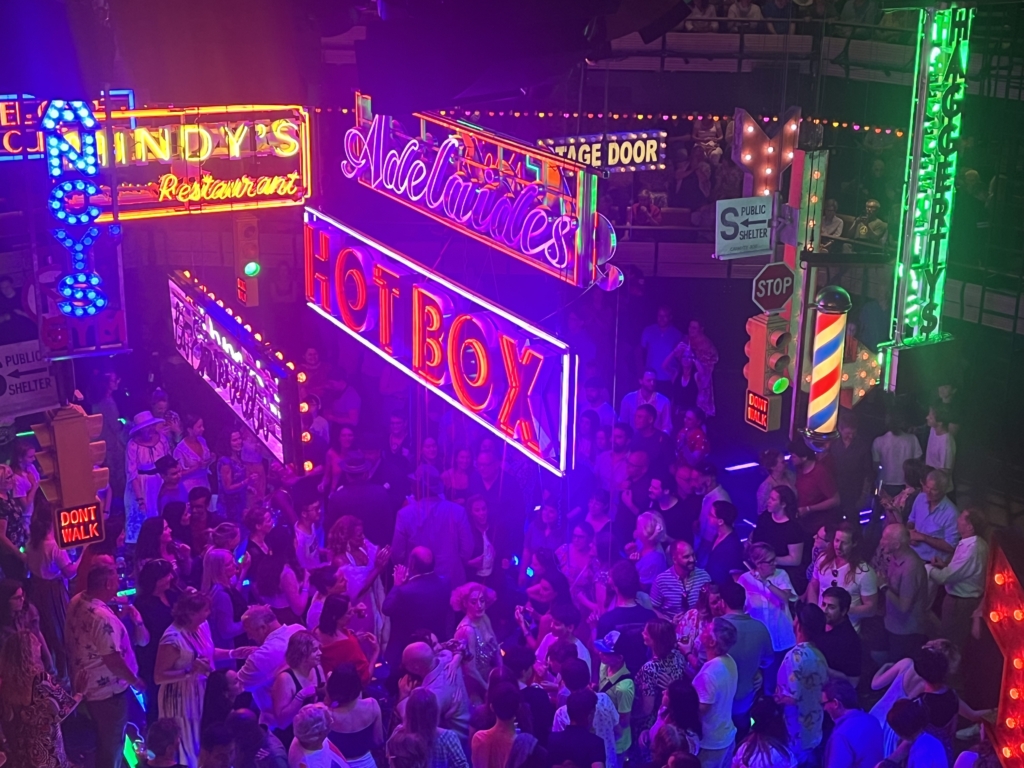
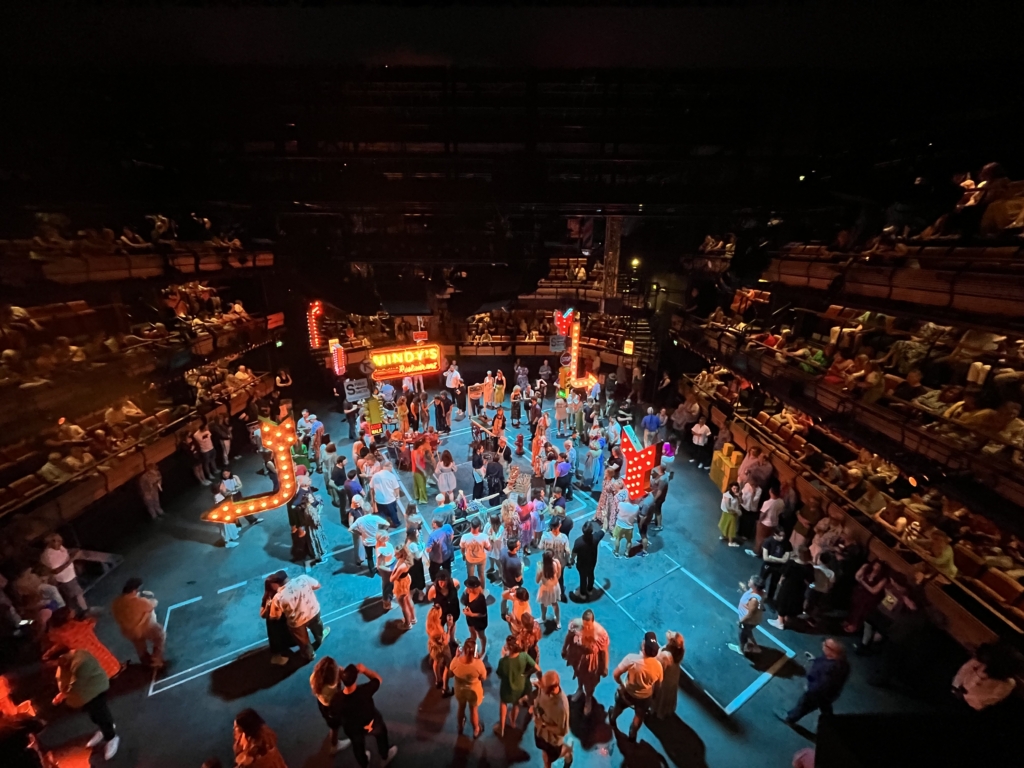
The Bridge Theatre version of the show, directed by Nicholas Hynter, has been running for over a year. It stages the musical, traditionally done in a Proscenium Arch (picture frame) theatre in a new immersive setting. The audience are on all four sides and you can buy tickets to stand, and with a standing ticket you get moved around an ever moving set with platforms rising and falling as you are guided into the right spaces by an ever dedicated team of front of house staff. At the end there is a party, with members of the cast and audience members dancing together.
To take a well known stage musical from the 1950s musical and keep its essence but reinvent for a new space – how can your fundraising learn from that?
Caveat – these are deliberately fun and slightly trivial examples – and it is not to downplay the problematic nature of a period pieces of theatre with issues of gambling addiction, alcohol abuse amongst many others.
https://marinajones.uk/wp-content/uploads/2024/06/IMG_7136-scaled.jpg19202560adminhttps://marinajones.uk/wp-content/uploads/2022/12/f2b903e010104f5aa61ea1821a685913.pngadmin2024-06-28 08:06:472024-06-28 08:06:47Take Back Your Mink! Fun fundraising lessons from ‘Guys & Dolls’
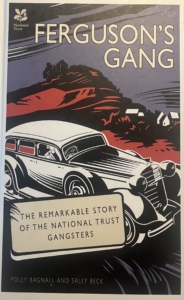
Before MrBeast and stunt philanthropy there was another stunt philanthropist on the scene – a gang of them in fact. Ferguson’s Gang – from the 1920s to the 1950s they fundraised for the National Trust.
But they didn’t just post a cheque with a donation. They wanted to make a splash with their donations so they always involved a stunt, often masked like gangsters, and helped generate publicity, and further funds.
This was reported in The Guardian and I read the book detailing their activities, activism with more autobiographical details about the gang members – you can read for yourself.
Introduction to Ferguson’s Gang
In 1927, on a picnic the idea for the gang was formed to protect the natural world and historic houses from the ever expanding urbanisation and sprawl of London. They wanted to raise money to preserve the countryside and save beauty spots – England for them was Stonehenge not Whitehall.
The idea was formed by a group of women who decided that they would do this as a gang with gangster names – the gang names were:
Bill Stickers
Kate O’Brien The Nark
Red Biddy
Sister Agatha
Bludy Beershop
In total over their career, Ferguson’s Gang donated over £5,000 to the National Trust and preserved six properties including the Old Mill, Shalford, Trevescan Cliffs Sennon and Priory Cottages Stevenson.
So a little more about their approach and what is useful from a fundraising point of view.
Stunt philanthropy
Ferguson’s Gang recorded each donation as a ‘drop’ adopting the gangster argot.
Their first drop was in 1932. They had raised £100 but rather than a cheque or a banknote they used half crowns – half crowns were 1/8th of a British pound so this would be 800 coins. They put these coins in a gangster style swag bag.
So the first donation…
They arrived in a taxi, having stopped en route at luxury department store Harrods to purchase masks to hide their identity, rang the doorbell of the National Trust’s headquarters and handed over Ferguson’s Gang business card and were taken to see the Secretary of the National Trust. They were admitted and made their gift.
The novelty of the approach got them press coverage who reported ‘Some benevolent “gangsters” masked lady weighed down with swag”and encouraged others to make donations.
“Anonymity is a quality not unknown among donors of gifts to the National Trust, but rarely is generosity concealed by a disguise so mysterious that assumed by the benefactors … known as ‘Ferguson’s Gang’. … a masked lady, recently astonished officials of the Trust … Without lifting her mask she gave £100 in silver to the secretary”
The Times
Each ‘drop’ (except one) was reported in the paper.
The second drop involved Erb the Smasher (the brother of Bill Stickers) in a maskdelivering two £100 notes.
“Gangsters in England are not common but this is a type of gangster who ought to be encouraged”
Good Housekeeping
Sometimes however there stunts were a little risky and had the potential to go wrong. At the National Trust annual dinner in 1936 they made a drop – this time a £100 note was wrapped in a cigar and given to Lord Zealand of the National Trust. They then spent the evening in fear that he would light the cigar and destroy the gift! But luckily he realised in time.
The National Trust came to expect the drama of each drop and reported themselves disappointed when a Christmas Eve donation arrived in a sweet tin without the theatrics. Their acknowledgement to the Gang reports that ‘we didn’t think it up to standard.’
Their 1939 July drop at the National Trust’s AGM was perhaps their boldest.
With the threat of war and IRA activity in London, three masked figures burst into the meeting and presented the assembled National Trust leadership with what they feared was a bomb. It then became almost like a game of pass the parcel – it was handed to James Lee Milne, who passed it o Donald Macleod Matheson to Lord Zetland. Closer examination revealed that it was not a bomb but a large metal pineapple with the note
“Open this fruit and you will find a kernel greatly to your mind”
Inside was £100 note
This was widely reported in The Daily Telegraph as a ‘Benevolent Bomb.’
Aside – what would happen if Ferguson’s Gang made at a drop at your charity today?
A masked bandit arrives in reception with a business card and a swag bag, what would the response be?
sorry, we don’t take cash
sorry we don’t know the source of this wealth and need to go through due diligence processes
sorry we find the violent connotations of criminal gangs problematic and not aligned with our values
or would it become a viral TikTok sensation?
Power of cash
The ‘drops’ were always made using cash which is interesting to note.
With debates now on giving cash or contactless – physical money and for the gang coins were important. There is something more tangible about physical money – we can hold it, feel its weight and when we make a donation hear the sound it makes. When natural disasters happen, there is often a desire to give stuff not cash as we want to do something concrete and meaningful – you can read more about this here. When the ask is for cash there is something more meaningful and personal about cash rather than tapping a device. Cash can also be used to fund treats rather than traceable necessities which you can read more about here.
Before #FirstFiver there was another royal money fundraiser
#FirstFiver was set up in 2016 when the new banknotes were issued and it raised over £12 million when it was suggested by John Thompson that you donate your first fiver to charity.
Ferguson’s Gang had a novel way of raising some of their funds.
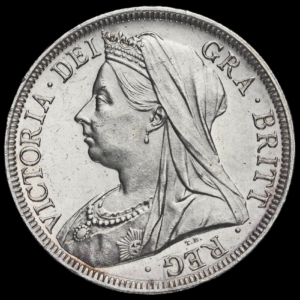
All coins they received with Queen Victorias head on had to go into the collection for their work. Queen Victoria had been dead for over twenty five years when they started collecting but evidently there were enough coins still in circulation to make this a good way of fundraising, but novel enough that it was not all the coins in their purse!
Let's hope round two of #FirstFiver is even more successful.
— John Thompson, aka Johnny Five (@JTCHANGINGBIZ) May 28, 2024
In June 2024, the new Charles III banknotes are due out in the UK, who will you donate your #FirstFiver to?
Admin is important
Although an anarchic gang with bohemian tendencies administration was still important.
Ferguson’s Gang bought a stamp at stationers WHSmith with Ferguson’s signature to stamp on documents.
And at each ‘drop’ at the National Trust despite the clandestine nature of their operation they always waited for a receipt for the gift.
Even gangsters need receipts.
Identity – join the gang
One of the ways they raised their charitable funds was through subscription. When you joined as a subscribing member of the gang you got to choose your own gang name. This is a great way to show connection with the cause and identify as a supporter. Membership tier levels often have names themed to the charity.
How can you reinforce your supporters’ connection to your charity by giving them a linked name and identity?
Imitation is the sincerest form of flattery
In 1938 a copy cat gang called Black Atropine Sisters started who did some similar stunt philanthropy after The Daily Mail falsely reported that the gang has disbanded. It was reported in the paper that jealously of the new Sisters gang, reawakened the gang’s activities. The Black Atropine Sisters eventually joined up with Ferguson’s Gang on some stunts.
It can be great to learn from the best and adapt ideas from what you see working for other charities. But a word of warning, just because something works for one charity or gang, doesn’t necessarily mean it can work for you. You need to test what works for your donors.
How you can anonymously appear on the radio?
Ferguson’s Gang was invited to do the BBC Radio 4 charity appeal in 1935 for the National Trust.
How could they do that and retain their anonymity?
Bill Stickers’ brother, Erb the Smasher was roped in to do it on condition that the anonymity of the gang could be protected. So he delivered the message wearing a mask. He directly appealed for support for members (equating the membership fee to the same fee for a radio licence fee) and donations.
At this time, the National Trust was 40 years old with only 5,000 subscribers. The radio appeal resulted in a 20% increase in membership getting 300 new Associate Members at 2/6 and 600 members at 10/ a year. The largest donation was £100 and the smallest was 5d and £900 was raised.
(It also raises the question about those raising money on your behalf. Ferguson’s Gang were independent of the National Trust and could support or generate publicity and funds for any cause they chose to. Their unorthodox tactics generated a great deal of positive press coverage and added to support of the National Trust. The National Trust choosing them to front this appeal shows how connected they were. But there can be risks associated with unconnected people raising funds that could damage reputation (if a stunt had gone wrong….))
So how could you be more ‘benevolent gangster’ in your fundraising approach?
We all know that money appears in funny ways to fundraisers. Funny times and funny amounts.
We also know that donors don’t always know how much we need, what is the most appropriate amount to give, what will make a difference.
To make things easier for a donor and to reduce the brain power needed to process these decisions – we break down gifts into tangible amounts so that the donor can see the impact of what they are giving – a life changing vaccine, a warm meal, restoring a square inch of a Renaissance masterpiece, a new theatre or scanner. Their contribution to the wider problem and how they can help solve it becomes meaningful and concrete (something called then concreteness effect).
From a behavioural insight point of view, we want to keep the process friction free and easy for the donor’s brain to process and make the gift. Our brains are lazy and like to stay in the automatic system one intuitive space – it uses far more energy and slows us down to move into a more analytical space and ask questions about the amount. But sometime friction can be a good thing in the donation process.
This is a powerful and effective tool – and one that we should keep using.
However, this approach also makes it about us and what we need.
It makes it about us the charity, not them the donor.
What if we make it more about the donor?
Their choice of an amount that is meaningful to them.
When testing ask strings – I tested a £20, £50, £100 ask string and then a £100, £50, £20 knowing that the science should show that the higher anchor (starting with £100) generated a higher average donation as donor’s saw the highest number first. 97% of the time we saw people did not change from the preset defaulted numbers. But when the anchors were removed and the donation amount was left empty we saw much higher average donations.
People give in amounts that are salient to them (not always to you and the campaign)
Here are a few historic examples:
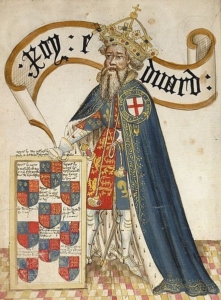
Edward I on his son’s 14th birthday fed fourteen hundred paupers, and when his son was 17, gave alms to seventeen hundred people
Edward III on his 50th birthday 50 poor men get shoes to celebrate
Worth your weight in diamonds. There is an ancient Hindu ritual where individuals were weighed against gold or grain and made a donation equivalent to their weight – this is known as tulabhara and often people did it on their birthdays. There was a custom to weigh the king on his solar and lunar birthdays in precious stones (and in diamonds for a diamond jubilee) and the jewels sold and monies given to charity. You can see the ceremony from 1946 on this newsreel https://www.youtube.com/watch?v=IEkdZlWCd4I&t=116s
We see these grain offerings in sixth century of Europe as well in the writings of Gregory of Tours which also records the tradition of weighing a donor for gifts. This is also done as a thank offering for recovering from being sick. The Abess of St Servatius was weighed at Our Lady of Buurkeerk in Amsterdam in 1444 to determine the amount the donation.
Legacy doles of food to the poor often fall on the testator’s birthday, for example, Elizabeth Nickus in c19th Bristol.
In 1393, wool merchant Marco Carelli signed over his entire fortune to the fabric fund at Milan cathedral living the last two years of his live as a pauper. The date he signed the declaration – the Assumption – the day that Mary, mother of Jesus was taken up to heaven – to reflect his donation to Our Lady that the cathedral was dedicated to. The choice of date matters.
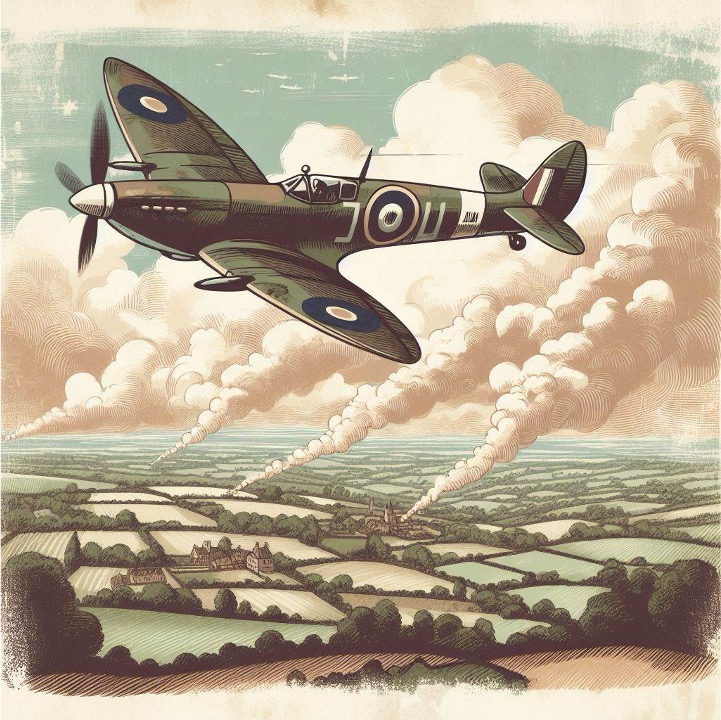
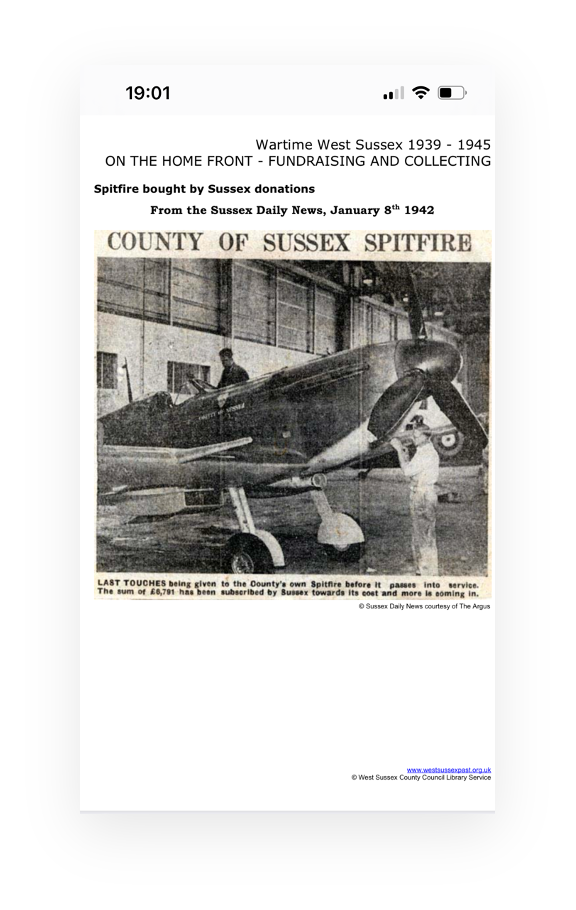
In Liverpool, during the Second World War, funds were raised to fund Spitfires to fight the Nazis. At a police station a gift was left ‘for the Spitfire Fund’ by a “lady of the night” – the amount? £3 which was the standard fine for soliciting.
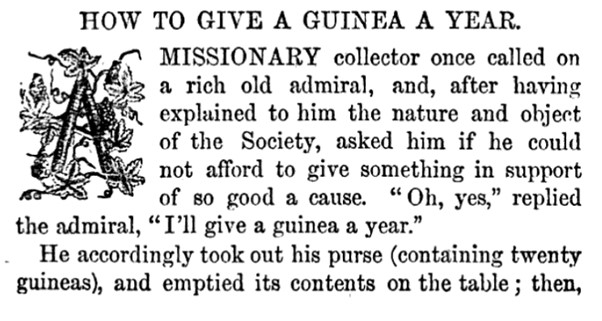
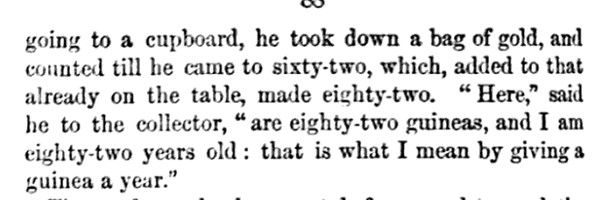
When we think about annual giving we tend to think of a gift every year – but this 82 year old admiral turned that on its head (in 1867) when asked by a missionary collector for a gift he said “a guinea a year” – he gave 82 guineas one for each year of his life. Again a number salient to him rather than the collection.
More recently we have seen Swifties (fans of Taylor Swift) support causes close to Taylor’s heart giving in $13 amounts. $13 is Taylor Swift’s favourite number so it an important way of identifying your philanthropy and allying with your ally and what they stand for. Taylor Swift also donates in $1989 amounts – linking to her album and birth date.
In the National Theatre’s campaign they proposed making annual donations on Shakespeare Day (23 April) to support the creation of the theatre.
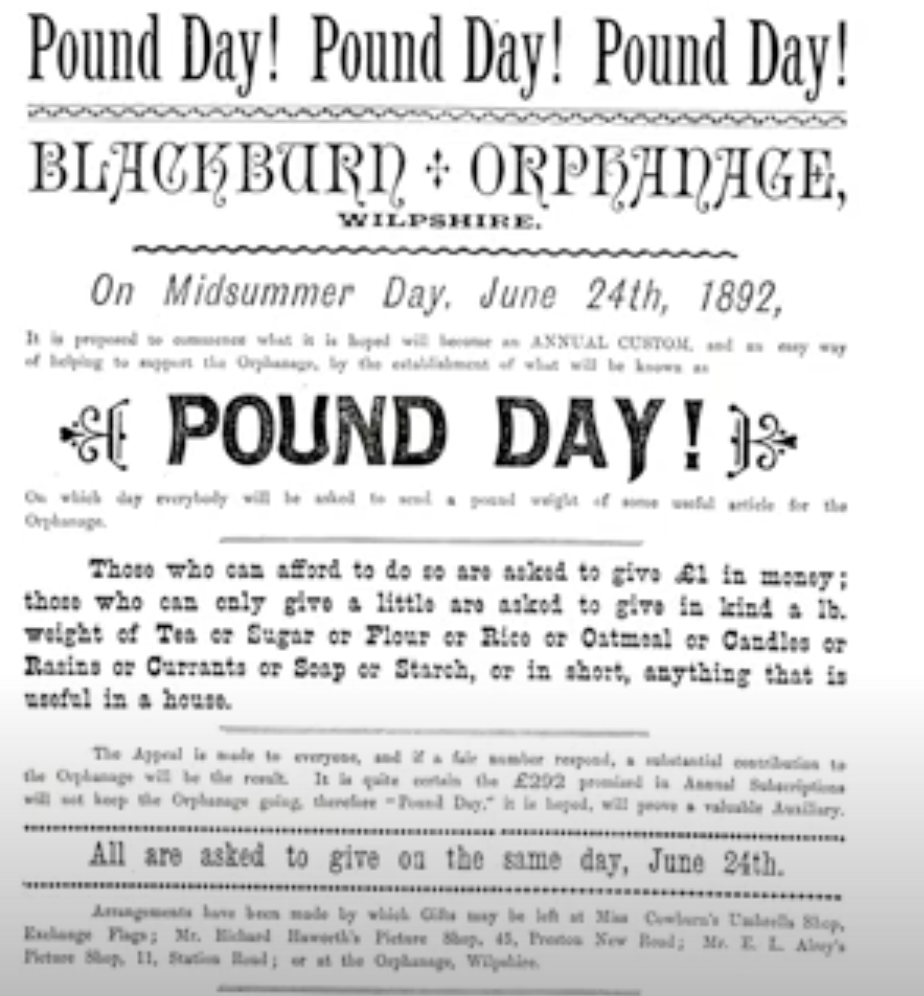
1891 Blackburn Orphanage founded and in 1892 started a Pound Day asking people to donate a £1 and those that could not afford to were asked to donate a pound of sugar, tea or flour or whatever they could afford.
What might be going on in a donor’s brain here?
Part of it is there are just numbers that mean something to us and our identity – our age, our favourite number, an important date (I have one charitable direct debit that deliberately goes on a certain date).
There is also an effect known as the Ikea effect – named after the furniture store – where we value something more because we have helped create it. So we value a Billy Bookcase more because of our involvement in constructing it.
How can donors help construct the gifts they give – the amount, the date?
Sometimes too prescriptive a list can cause reactance – when we react against being told what to do. Sometimes the list does not give us the option we want – the options are too small and not meaningful enough, or too big and beyond our capacity.
When we give donor’s the autonomy and empower them to make a choice they can make gifts that are more personally meaningful to them.
People want autonomy and agency and choosing the amount gives them that.
However, how this choice is presented is important. If it is too open an offer such as ‘pay what you feel‘ we might nudge the brain into a system two space and ask ‘how do I feel about this? and what value does that mean? And by pausing to ask these questions we have no frame of reference and can stop and not make the decision.
The frame of the question is important here.
How could you give your donor’s more autonomy and choice about how they make a gift and how much?
How can you invite them to make gifts that mean more to them?
So testing what works for your audience and donors works.
When Greenpeace in Argentina ran a telephone campaign seeking one off gifts they tested various options including Mother’s Day, National Argentina day – and the one that got the highest donations was gifts linked to their pet’s birthday.
So perhaps there is a blended way to offer a combination of the standard anchoring, defaults and social norms with some nudging towards a personally meaningful amount.
How do you make it about them?
Not about you?
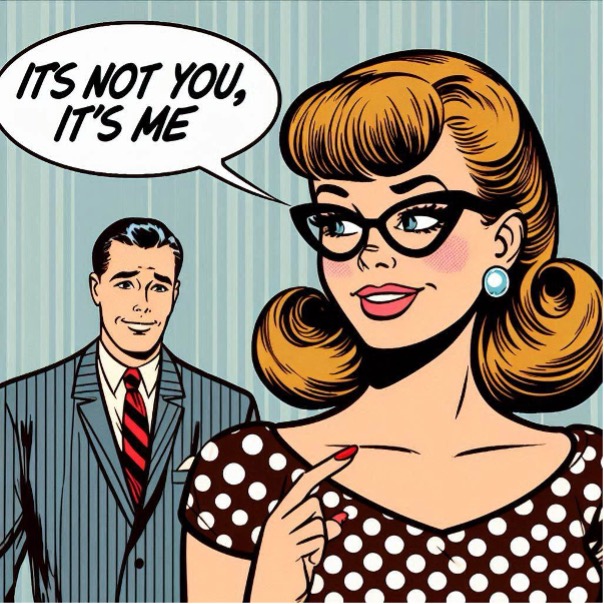
https://marinajones.uk/wp-content/uploads/2024/05/its-me-1.jpg604604adminhttps://marinajones.uk/wp-content/uploads/2022/12/f2b903e010104f5aa61ea1821a685913.pngadmin2024-05-26 09:27:182026-03-20 21:07:24It’s not you, its me
In researching the Spitfire Fund fundraising campaign, I came across a great piece of fundraising history which is crying out to be turned into a film.
A group of Prisoners of War in Germany who made up a fake charity to send German money to England to help buy a Spitfire and fight the war.
If people want to donate they will find a way
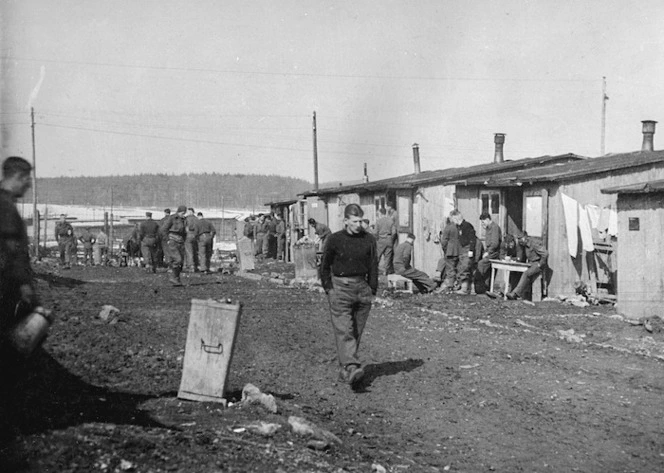
Sergeant Miles-Osborne was shot down and imprisoned in the prisoner of war camp Stalag 383. He organised fellow prisoners of war to donate towards the Spitfire Fund. The Spitfire Fund was a national campaign to raise funds for Spitfires.
Now where did prisoners of war get money to donate to charity?
In prison prisoners still received their army pay, but also ordinary soldiers also received payments (minimum wage) from the Germans for manual work that they did in the camps, and these funds were credited to their army accounts. So, the soldiers used these funds to donate and via the great bureaucratic machine these could be used for donations.
How did their scheme work?
And it really was a scheme – working in coded messages and avoiding the censors to get messages to England about what they wanted to do and where the money was coming from.
Miles-Osborne worked with soldiers, airman and sailors from across the forces imprisoned at Stalag 383. They decided that they wanted to donate towards the Spitfire Appeal. Each Spitfire nominally cost £5,000 so that was their target. They could not just write to say they wanted to support the war effort in this way as it would never have got through the censors.
But how to get the money and communicate with the UK?
Sergeant Miles-Osborne had previously been a soldier with Duncan Sandys who was now an MP and working in the Ministry of Supply.
But he could not just write and say him and his fellow prisoners wanted to buy a Spitfire as all letters were read and their contents censored.
So they made up a fake charity.
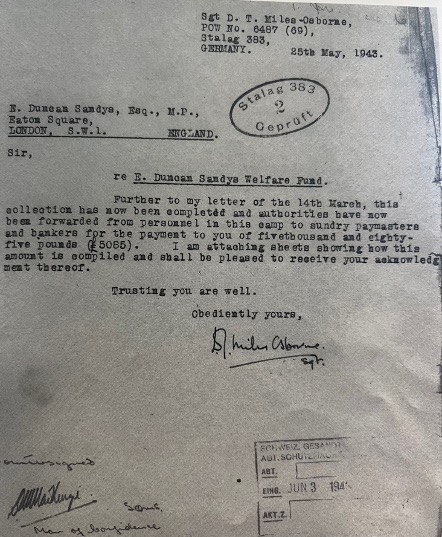
So Miles-Osborne wrote Duncan Sandys a letter in Spring 1943 saying that £5,085 had been collected for the Duncan Sandys Welfare Fund. It listed 108 different military units and the payment from each
Royal Horse Guards £3
Royal Navy £4
Royal Marines £27
Gordon Highlanders £82 etc.,
This confused Duncan Sandys who had no idea what this fund was for and why monies were being directed to it. Miles-Osborne had written a previous letter that was lost in transit.
Cheques and postcards from the prisoner of war camp with pledges started arriving at the Ministry of Supply for the Duncan Sandys Welfare Fund.
This Duncan Sandys Fund was a fictitious Welfare Fund used to hide their true intention. They could not say what the funds were for as all letters were read and censored.
The pledges continued to come in but Duncan had no idea what the funds were for.
In September 1943, Regimental Sergeant Major Cooper was released as a prisoner of war on medical grounds he carried with him a message
“The so called Duncan Sandys Welfare Fund provides over £5,000. It is the wishes of the warrant officers and non-commissioned officers of our empire at Stalag 383 to present a Spitfire to the Wings for Victory Fund”
Cooper was unable to deliver this message until February 1943
In the meantime, one of Miles-Osborne’s postcards (with some help from M19 and the War Office) managed to crack the code of where they wanted the money to go. There was a reference to ‘w for v’ – wings for victory.
So the Spitfire was commissioned.
There followed a complicated administrative process to get the funds in from all branches of the military which with war and admin process took some time.
(Getting the pledged money in always takes time & effort!)
But the prisoners had achieved their mission from a German prisoner of war camp they had raised the funds to buy a Spitfire.
Duncan Sandys wrote to Miles-Osborne to confirm that they knew what the funds were for
“I am going ahead with the necessary arrangements. I shall be glad to know whether you wish an inscription of any kind painted on the vehicle.”
(always important to ask about donor crediting!)
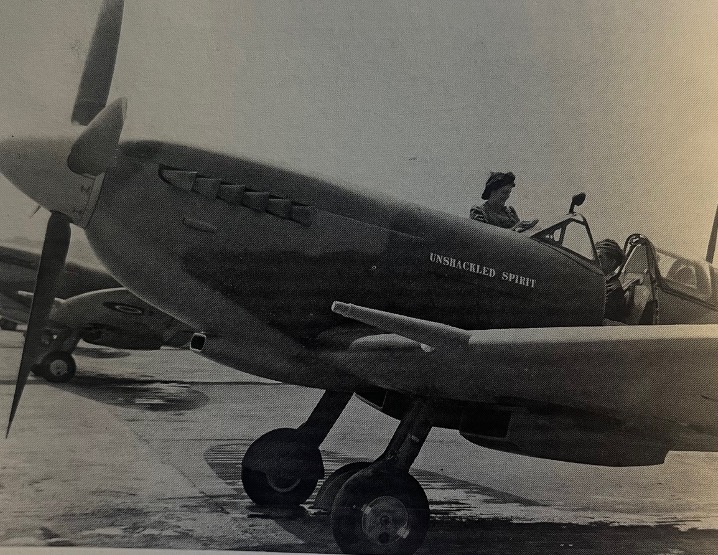
An answer on the name from Stalag 383 was not forthcoming and many were thought about to capture the spirit of this unusual gift – and they settled on Unshackled Spirit.
His Secretary noted in the letter informing the Ministry of Aircraft Production
“Mr Sandys has now decided on the name Unshackled Spirit. He thinks that, while the significance of this name will be obvious to all concerned with the fund, it would not be in anyway connected with prisoners of war if the aircraft should fall into enemy hands”
Two photographs were taken – one sent to Duncan Sandys and one to Cooper the medically repatriated officer who was asked if they could safely send the picture to the camp without getting the prisoners in trouble and revealing what the Welfare Fund had really been raising funds for.
In the end a telegram was sent to the camp saying:
“Your spitfire which as christened quote unshackled spirit unquote – has been in battle over German tell Miles Osborne”
As fundraisers it can be easy to focus on the money and to follow the 80/20 rule and know that you get most from your major donors and you get a higher ROI.
But you have fans everywhere and every contribution does matter. We can shy away from asking those impacted by issues. Maybe because we think as those in need they will not have the resources to help.
But they can be our biggest supporters and be desperate to help in any way they can.
And can help us financially as well as with stories of the impact of our charity’s work.
So the moral of this story – people will find a way to give to causes they care about
Reference
The detail from this comes from Colin Pateman’s book Unshackled Spirit Prisoners of War and the Secret Spitfire
https://marinajones.uk/wp-content/uploads/2024/05/secret.jpg604604adminhttps://marinajones.uk/wp-content/uploads/2022/12/f2b903e010104f5aa61ea1821a685913.pngadmin2024-05-19 21:24:062024-05-19 21:30:11A tale of courage, ingenuity, and sheer British pluck … and fundraising success against all the odds
Would you ever write a blank cheque? Or have you ever received a blank cheque from a donor?
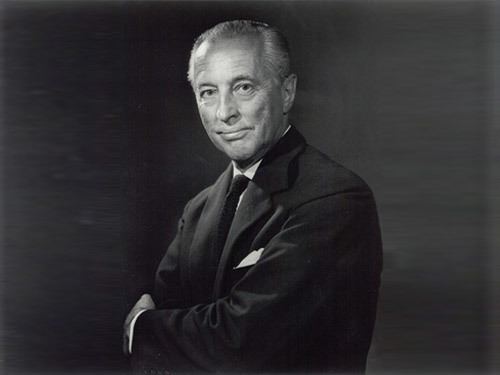
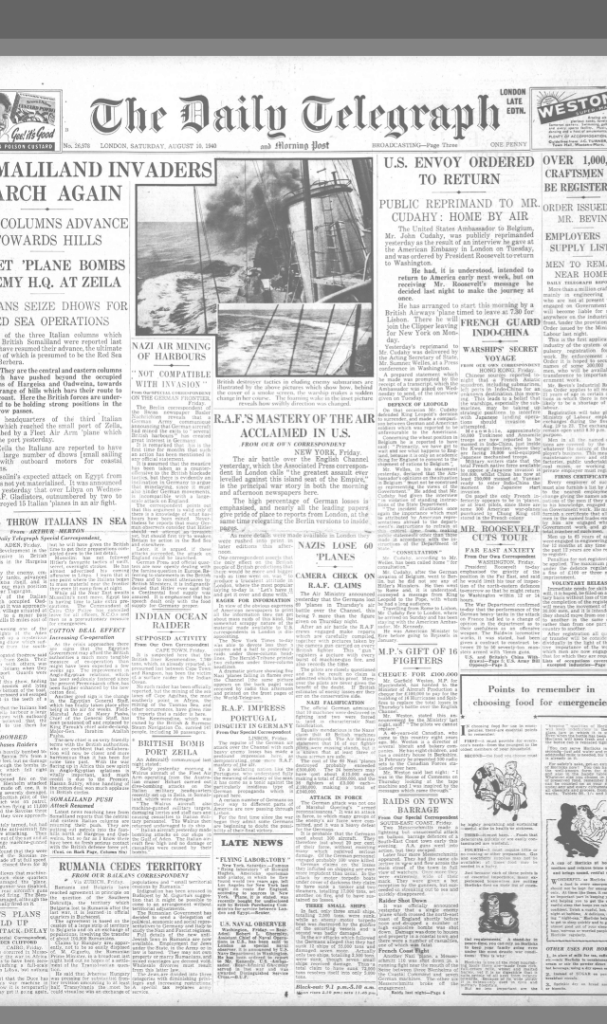
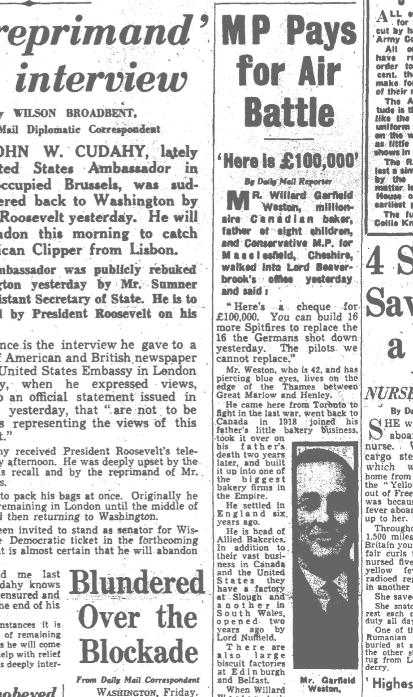
In August 1940 16 spitfires had been shot down in the English Channel and 13 pilots were killed Horrified by what he saw, Garfield Weston reacted – yes that Garfield Weston of the Garfield Weston Foundation that has given away over £2bn to good causes. At that time he was a businessman, entrepreneur and also a member of parliament in the UK.
Garfield Weston gave a blank cheque to Lord Beaverbrook saying:
‘All I can say is that I’ve a blank cheque here. You know, Max, only God can replace those boys, I’d like to replace the machines.’
Garfield Weston
This shows a total trust from a donor that we don’t always see – a complete trust that you will use the money you need for the purposes they want.
How did Lord Beaverbrook react?
He burst into tears. (who has had a gift so generous, or kind, that they have shed a little tear?)
Fundraising is, and continues to be emotional work, and we are emotionally invested in raising funds for the causes we support.
So what happened next…
First secure the gift.
Max Beaverbrook wrote in £100,000 in the cheque.
As good fundraisers know you should not waste an opportunity.
Lord Beaverbrook asked for permission to publicise the gift. Garfield Weston was reluctant and wanted the donation to remain private. But Lord Beaverbrook said “between you and me … there’s too [much] power behind this” and that if the gift was made public it would help raise over £1m. This incentive to do more good was too much to resist and so the story of this generous donation appeared in the papers (the Daily Mail mentions Garfield Weston’s ‘piercing blue eyes’).
Keeping up with the Joneses
The lead gift from Garfield Weston inspired J W McConnell another Canadian businessman to give $1m to buy a whole squadron.
We often use the inspiration of a lead gift to launch a campaign and inspire others to give.
Major philanthropists want to be seen to be supporting good causes and publicising gifts creates a powerful social norm about what your peers are doing – so publicity can help and inspire others.
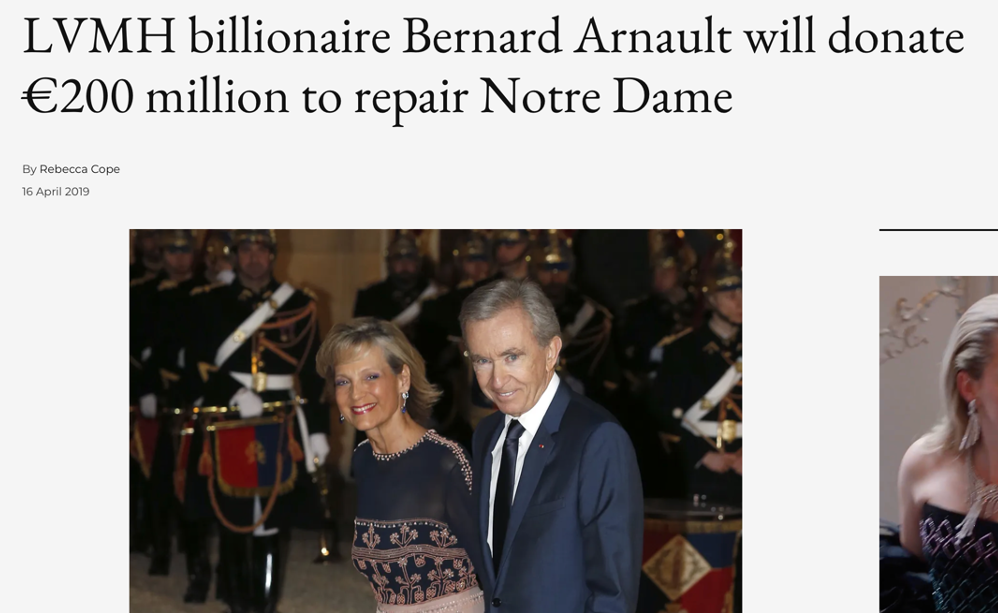
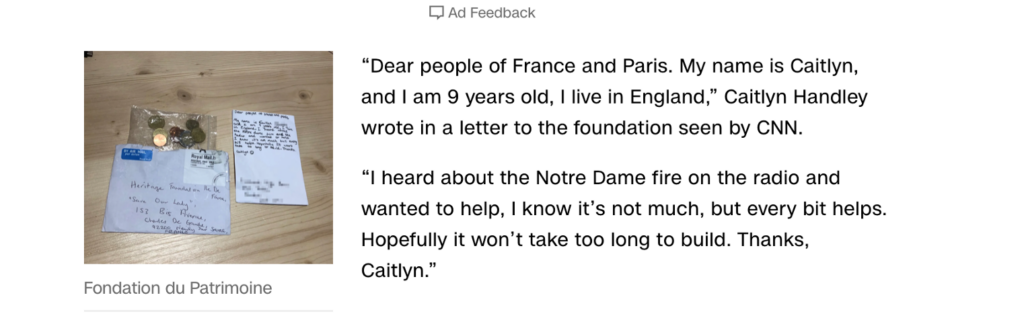
We saw similar behaviour after the Notre Dame fire. When one major donation was quickly followed by another – but as well as the big mega gifts our attention was also drawn to the smaller and more personal gifts. The two images below capture these extremes the 200 million and the 9 year old sending in her picket money. We tend to focus at both extremes of the gift spectrum. But like Notre Dame with spitfire campaigns – it was the big gifts and the small but mighty ones that attracted the attention.
Shopping list
So the promote the campaign, Lord Beaverbrook put together a price list of various engines needed but the Spitfire caught the imagination. On his list each Spitfire cost £5,000.
Now this was a made up number, the true cost was just over £12,000. So maybe not the most ethical approach.
This shopping list enabled every one to ‘do their bit’
A Merlin engine costs £2,000
Gun was £100
Spark plugs cost 8 shillings
60 screws cost 5 shillings
Rivet was sixpence
Why and how does this work?
When faced with a big target – financial or aspirational in changing the world (£10m or 2million starving children) donors can often worry that there small contribution is just a drop in the bucket and not going to make a tangible different to the cause. By breaking the total down into manageable chunks every person can see how their 8 shillings or sixpence is going to help and make a difference.
It reduces the cognitive load if we can see how one small – and real number makes the difference. And the realness and specificity of the number adds to our belief that it is a real number (we can sometimes mistrust a nice round number and have more belief that a mosquito net costs £5.20 rather than a round £5).
They can then exercise their moral imagination and see like this boy their gift in action….
Is that my rear tyre wheel mummy?
Every time one boy saw a spitfire he asked ‘Is that my rear wheel tyre?’ as he had donated his pocket money to the spitfire fund, and received a thank you from Buckingham Palace saying he had raised enough for the rear tyre.
Spitfires were constantly flying overhead so their personal donation remained salient and they were constantly reminded of the impact that they had. And to imagine that Spitfire was the one that they had contributed to. We often ask our supporters to imagine what their gift has done, but in this case they could see daily the planes in the air.
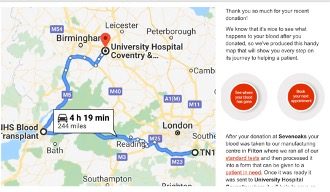
When you donate blood you get a text message after the donation to tell you where the donation has gone, with a map showing you where it is and in which hospital and that it has been used.
This is what happened to my blood after it was donated:
Isn’t that amazing? And a really powerful way to show donor’s the impact of what their gift is doing. What is the equivalent for your charity?
Receiving feedback like this floods our brain with happy reward chemicals.
As well as seeing the tangible impact of the donations we make, we like to see the progress we are making towards a goal – this is called the endowed progress effect.
This endowed progress effect is often employed in the famous fundraising thermometer. A device used by Mayor of Islington in August 1940. He sat opposite the Nag’s Head pub raising money (only interrupted for lunch and an air raid warning) with a giant thermometer marking progress hour by hour– he eventually raised £2,500 for spitfires.
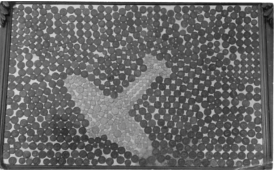
In Market Lavington – a village in Wiltshire – they created an outline of a Spitfire in the square and challenged the villagers to fill it with coins.
This image of a spitfire was created at the Green Dragon on 1941
Now we know that this uses something called the endowed progress effect.
You want some donors lined up at the start of the campaign to start donating, creating a powerful social norm, creating a bandwagon effect and showing that this is normal and anchoring people in what a normal gift looks like – if everyone is giving 6d, you will give 6d too but if others are giving two shillings you will follow suit. As we want to see our progress rewarded you would expect that the speed of donations would also increase as they near completion and people might be fighting over who gets to put that final coin down and complete the mission. Completing things is satisfying and proximity to success is motivational, as an individual realises they can make something happen.
Messengers like you
For some an authority messenger like Garfield Weston can be attractive and inspiring, but for others it can be off putting – it can make us react and say ‘well its fine for a millionaire entrepreneur to give but people like me can’t afford to’
However in this campaign they understood the power of likeable messengers who people could identify with. Donations came pouring in with testimonial messages of support such as:
“From all at No.15 Station Lane”,
“My week’s pocket money – Fred Smith aged 7″, “
“My first week’s old age pension – 10 shillings towards our Spitfire”.
Like all good fundraisers we know that testimony from real life donors helps create a powerful social norm showing other people like you are giving. This range of quotes from local areas, from children and pensioners enable people to identify with people like them.
So whether your regional identity, your gender, your employment status, your age was how you identified there was a messenger for you.
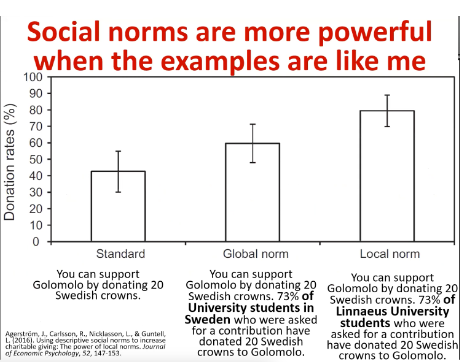
Now this might seem common sense to you and I think is one of the special things about looking into fundraising history – we see things that we instinctively know work as fundraisers, as humans interact with humans, about how we communicate – and in recent years we have the science to back that up – that might be academic papers, it might be fMRI scanners literally seeing what is happening inside our brains in certain conditions or often with lab tests with university students being studied for prosocial behaviour. This example comes from academic research and shows the real power of social norms when ‘people like me’ are used – generosity increases as the other people are identified as being nearer you – university students in Sweden are more generous than just other people, but university students from your university encourages even bigger donations.
All of these academic and other studies confirm what we know about the philanthropic psychology and human behaviour that the old wisdom from the past instinctively knew. But now we know it we can apply it rigorously and target the interventions we know work to help provide more ways to offer people ways to help change the world.
Name Letter effect
Have you ever heard your name spoken through the noise of a crowded pub or party?
In behavioural science the ‘cocktail party effect’ is essentially selective attention. At a cocktail party or any loud social setting, we can hear our own name amongst the hubbub – we are the most important to ourselves and we pay attention to things that resonate with our sense of self.
This draws on a deep identity connection to our own name. Ever since we were born our neurons have been trained to react and fire together when they hear our own name (or names similar to our own).
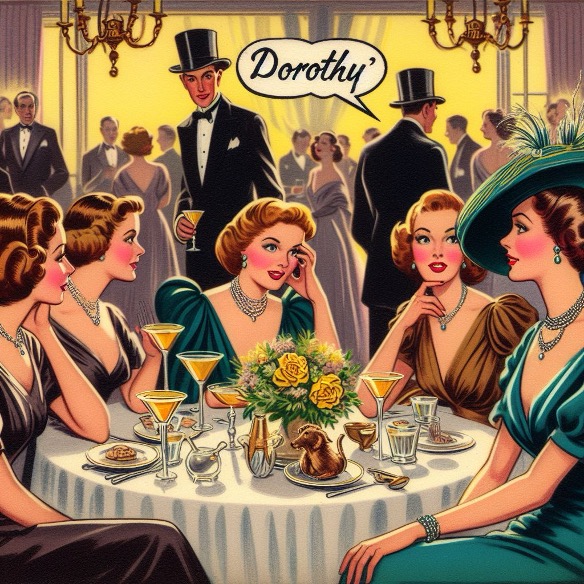
So as a Dorothy you are wired to hear and pay attention to Dorothy.
And a Canadian Dorothy used the power of her name to fundraise …
Dorothy wanted to raise funds to support the Spitfire fund, so she sold some of her evening gowns to raise money. She printed cards that said
Is your name Dorothy? If so, rally around and help buy a Spitfire for Britain.
She and her friends posted them to every Dorothy they knew and themed their fundraising around Dorothys
20,000 tea parties all hosted by someone called Dorothy
All Dorothy musical evenings
Auction of actor Dorothy Lamour’s sarong
This created momentum and they took advantage of the bandwagon and excitement to get more Dorothy’s involved – t this spread across to US with the “Vancouver chapter of the Canadian Dorothy Spitfire Fund is seeking noted Dorothys of the United States,”
“Dorothys Plan Galloping Teas,” – 25 women called Dorothy invited friends to tea charging 25 cents each – and like a chain letter they passed it onto other Dorothys of their acquaintance.
Dorothy Thompson, journalist and broadcaster donated a copy of her radio talk
Dorothy Parker was invited to write a poem
This global appeal successfully raised the funds and they bought a Spitfire which was named for the Dorothys that raised the money and called Dorothy of Great Britain and Empire .
But why does this work?
In 2008, data from seven emergency hurricane appeals were examined including Hurricanes Katrina, Mitch and Rita. Researchers Chandler, Griffin, and Sorensen found donors who shared an initial with the hurricane were overrepresented in the donors. So donors beginning with ‘K’ were 31% more likely to have given to support Hurricane Katrina relief in the 6 months after the hurricane.
‘M’ named people made up 30% more of the donor population during the two months period after Mitch devastated Honduras and Nicaragua in 1998.
Sharing the same first name or letter has also been shown to help donors identify more with fundraisers (Burger, Messian, Patel, del Prado& Anderson, 2004 and Bekkers, 2010 in an article entitled ‘George gives to geology Jane’)
A lab experiment showed a request to give to a child in need resulted in 61% giving but adding the name, age and a picture increased giving rates to 90% (Kogut, Ritow, 2005)
Learning the fundraisers’ name increased the average gift size by 50% (Bohnet and Frey, 1999) For alumni fundraisers donors were more likely to give when their first name was similar to the name of the university.
Knowing someone’s name builds a connection, a relationship, when we know the name – the name of the beneficiary – even the name of the fundraiser we are more likely to give (people give to people!)
So Canadian Dorothy knew that innate and personal connection to a name as a rallying call to donate. (This is one of the reasons why decision science is fascinating – we know these things work, we have seen them used, maybe unconsciously used them ourselves, but as our understanding of the science develops we can prove they work, and test how they work and see what is happening inside our brains as these things work)
Naming Rights
Which brings me onto naming rights. One of the components of the campaign was the joy of raising the funds was naming the Spitfire.
Now when people are not just naming it for themselves and have a little creative freedom we can see some interesting names – Boaty McBoatface being a prime example, and the Greenpeace whale Mr Splashy Pants spring to mind (as well as the names of all the Scottish Gritters) And Spitfire names were no different. Some were conventionally named for the country that funded them such as Trinidad, or Hong Kong or Sheffield.
However, a sense humour was demonstrated in the naming of the planes
The Kennel Club named theirs the Dog Fighter
The ABC cinema chain named them– Miss ABCs (there were 3 bought)
Marks & Spencer named theirs ‘The Marksmen’ following in store collection
Woolworths named theirs Nix Six Primus (which referred to their pre-war policy of keeping all prices below sixpence – don’t waste a marketing opportunity to get your corporate message into a naming opportunity!)
Some were more traditionally named. One anonymous donor named a plane Heather for his daughter.
Interestingly the RAF faced a challenge similar to fundraisers today, with donors and their naming rights demands. There was a designated space on the plane where a name ought to go (9 inches by six inches) but donors wanted their names in all sorts of shapes, font and sizes even including coats of arms!
When planes were completed donors got a photograph and a certificate acknowledging their support and so they could see their plane. These were again used for publicity and to generate further funds.
Merch
Another important identity marker can be in self branding and wearing merchandise that aligns with the band, the cause or marks you out as you.
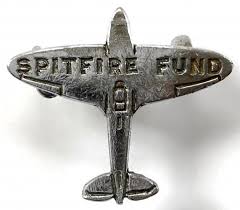
As part of the campaign an important visual symbol of your support of your local Spitfire fund was getting the badge. Some of these were your standard pin badge but many were shaped like spitfires and some were even made from the Perspex used in the windows of the planes. There were also bracelets made.
In certain towns and villages this became like not wearing a poppy on Remembrance Sunday – it would have been unpatriotic not to be seen to be supporting.
Strange how potent cheap music is
And what better than combining the power of the local identity with another powerful tool – the power of music, and rhyme.
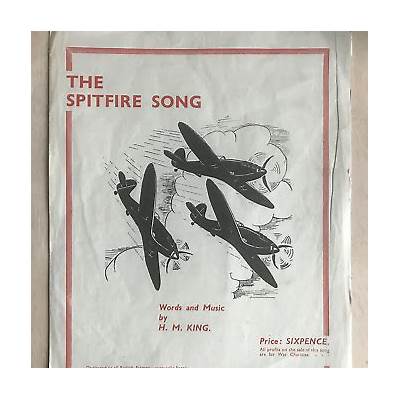
The Spitfire Song was written as a fundraising song and it was customisable so you could add your local area name into the song e.g. Hampshire or Bournemouth
Again the importance of geography and local identity in fundraising
‘We’ll make one of their number, write our name upon the wing
When the planes are flying over, you will hear old Britain sing”
A Spitfire a Day keeps the Nazis Away – the Rhyme is the reason
The slogan of the Islington Spitfire Club was ‘each bob you pay keeps the bomber away.’
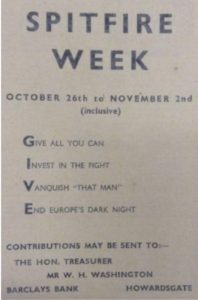
Or acrostic poems were made
Give All you can Invest in the Fight Vanquish ‘that man’ End Europe’s Dark Night
Why is that important? because we now know that we find messages more persuasive and more memorable when they rhyme and more accurate.
Using rhymes in campaigns can make them more memorable.
Creative and local fundraising
There was no centralised campaign and each community or group was empowered to fundraise and donate in ways that suited them.
We have already seen some creative examples, here are a few more … what links all of these that the methods are really linked to spitfires and the war
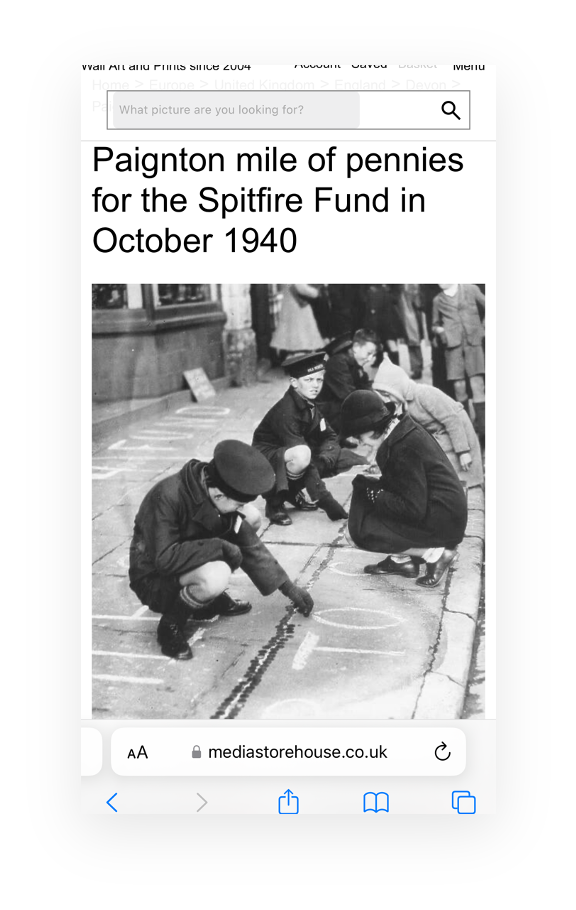
Penny on the red – every time the air raid siren sounded every member of the club had to donate a penny to the Shoreham Spitfire Club
6 pence was charged to view a crashed German plane in Kent to raise funds for Spitfires and in Dudley they charged sixpence to have a look at a Messerschmitt – band leader Henry Hall bought his band and they played They’ll Always Be an England and a dog called Jerry climbed on the wreck
A Mrs Clark charged a penny to see a deactivated mine and raised over £9 from 2000 visitors to it
In a London cinema, during an air raid, the manager of a cinema pushed a wheelbarrow up and down the aisle saying “the more you give, the less raids there will be” as he solicited donations.
10 a penny club – for every ten aircraft you had to donate penny – the fishmonger in Stevenage had a chalk board outside the shop to mark off shot down planes – they raised £454 in the first 5 days
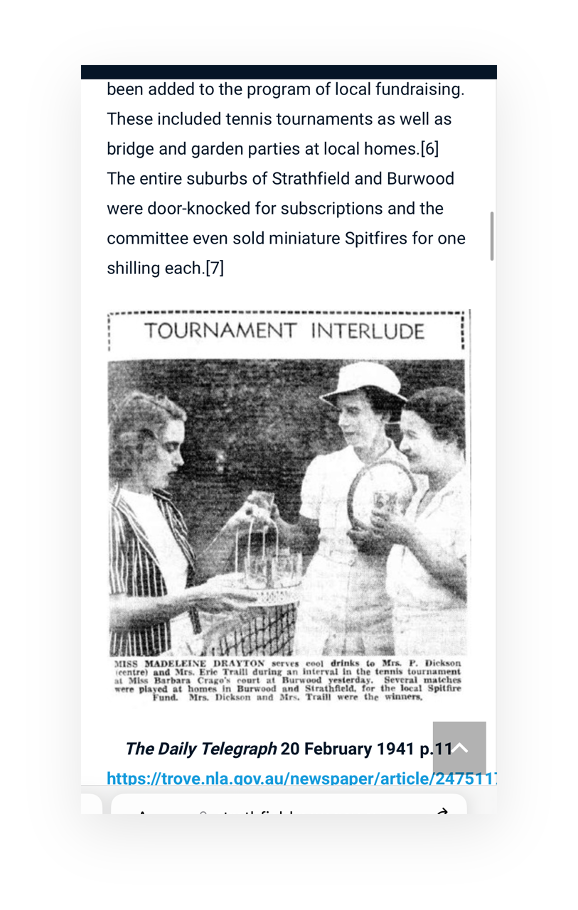
Madeline and Nanette Drayton painted 12 large posters of Spitfires and people filled them with coins – raising £3750
The campaign ultimately raised £13m.
What fundraising lessons are there from this Spitfire Fund campaign?
React quickly to current events
Keep the story in the news
Make it easy for donors to see their impact – chunk the campaign into small and manageable achievable goals that they can help achieve
You don’t have to do all the work – empower people to raise funds and have fun and be creatively
Use the identities that donors have – to their village, their town, to their employment status, age, gender to help connect and establish a powerful norm
This is a reduced version of a talk given at Fundraising Summer School in Dublin, May 2024.
https://marinajones.uk/wp-content/uploads/2024/05/blank.jpg7211280adminhttps://marinajones.uk/wp-content/uploads/2022/12/f2b903e010104f5aa61ea1821a685913.pngadmin2024-05-16 09:56:452024-06-06 19:50:53How a blank cheque sparked a fundraising revolution?
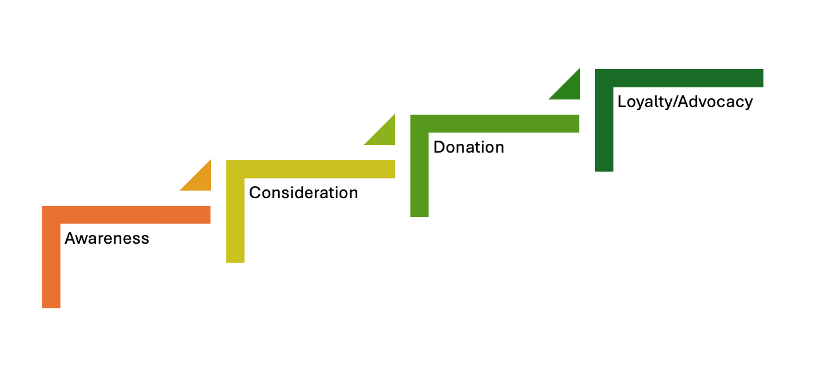
A donor journey is a map of how you reach donors and might in a simple form look like this:
Each charity has their own version (although they might call it something different) and it may have more, or fewer steps in it.
And yes, it can be an oversimplified way to describe to a more complex and intricate process. But is a useful visual aid to think about the donor’s journey.
How does it stack up when we apply it to the medieval pilgrimage & how they raised money? And, how does thinking about medieval pilgrims help us fundraise today?
Let’s take it one step at a time
1. Awareness
How do people become aware of your charity? Your needs? And how you are trying to make the world a better place?
Most donations come because someone was asked.
For medieval pilgrimages the pulpit was the place where awareness of pilgrimages was raised. Regular sermons would have told the people about the benefits, opportunities, and spiritual rewards of such a journey.
There is a useful lesson for fundraisers here about repetition. It may not be every sermon that pilgrimages were mentioned, but the benefits were often repeated, and so awareness was raised and reinforced.
Every second our brains are receiving millions of messages, but they can only hold a small number of facts at any one time. When something is repeated, we get better and quicker at processing it – our neurons rewire to process it faster as we become more familiar with it. This is called repetition priming, and it helps us process ideas better and more fluently.
Why else is repetition important?
Although you may very carefully craft your fundraising copy, or in the case of the pilgrimage – the sermon – people don’t read every word (sorry), or listen to every word you say. Repeating the message often makes sure that one of the repetitions get through. It should not be an exact word for word repetition, but a variation on the theme – as a different nuance, metaphor or example might be the thing that catches the eye, or ear, of heart of your potential donor.
So, keep repeating your messages and your asks for support in your communications to make people aware of the need. The repeated exposure to your message will make it easier for your supporter to process what you need and what you are asking of them.
Repeat the message
(did I say that already?)
2. Consideration
After a donor is aware that you exist, they start considering and researching more about you – and to understand why they should give you their time and treasure.
For a pilgrim this might be talking to other pilgrims about the experience, a donor nowadays probably uses your website, the news, your social media feed.
Now embarking on a pilgrimage was an expensive undertaking it might take days (4 days walk from London to Canterbury where St Thomas A Beckett was murdered and buried), but pilgrimages to the Holy Land could take up to a year. So, you needed to be able to afford to get there (and back) and it would involve sacrifice, planning and thought.
Donor segmentation
Certain pilgrimages routes attracted certain types of pilgrims.
In fundraising it is important to segment your donors and appeal to what appeals to them, to know your target market. The medieval church did the same and certain pilgrim sites were favoured by a subset of pilgrims – the shrine of St Foy was known for giving protection to French crusaders heading out to Spain, Walsingham in Norfolk for its royal visits with Henry III visiting twelve times (& every subsequent king of England visited including Henry VIII), whereas the Holy Rood of Bromham attracted more ordinary pilgrims.
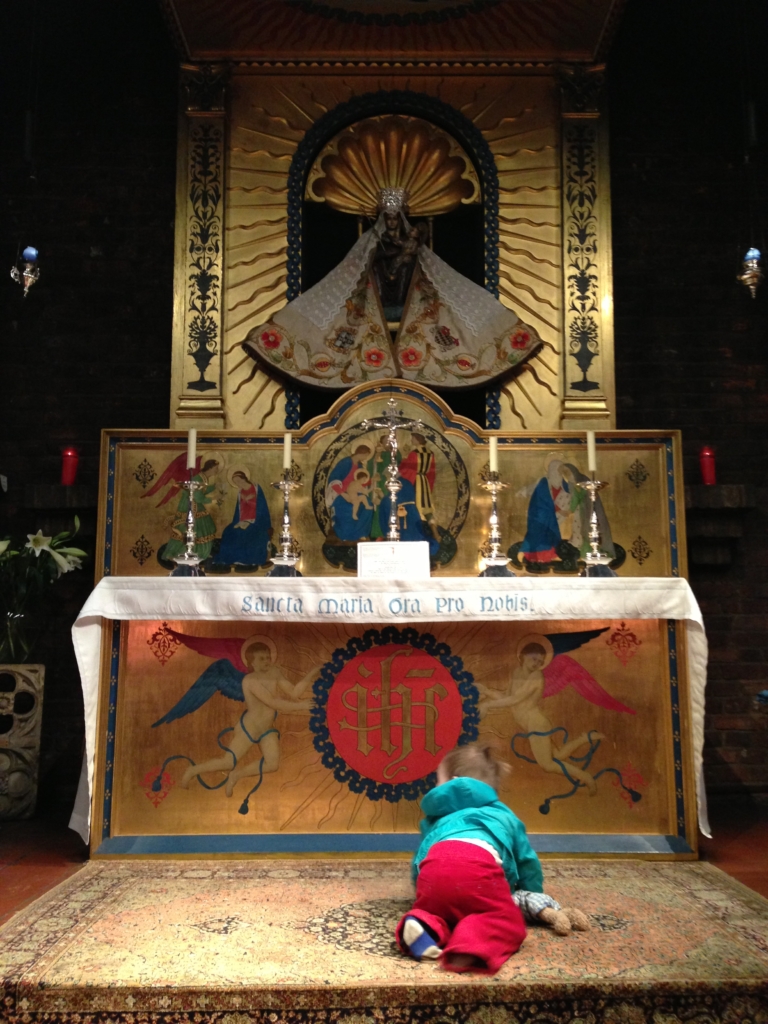
Our Lady of Walsingham (and my son)
Like deciding on the right pilgrimage and how long or expensive it might be, the donor needs to consider what is the right donation for them. In order to make a donation, your donor might need time to think about it and if it is a significant commitment then find, or save the resources necessary.
How can you segment your donors, and your asks to suit their capacity and interests?
3. Donation
By going on pilgrimage, you were committing to donate, and not just once but many times – on the journey as well as at the pilgrimage site.
The pilgrimage routes took you to, and through other churches and shrines, for example, Toulouse Cathedral made use of its location on the popular St James of Compostela pilgrimage route to maximise its donation opportunities and income.
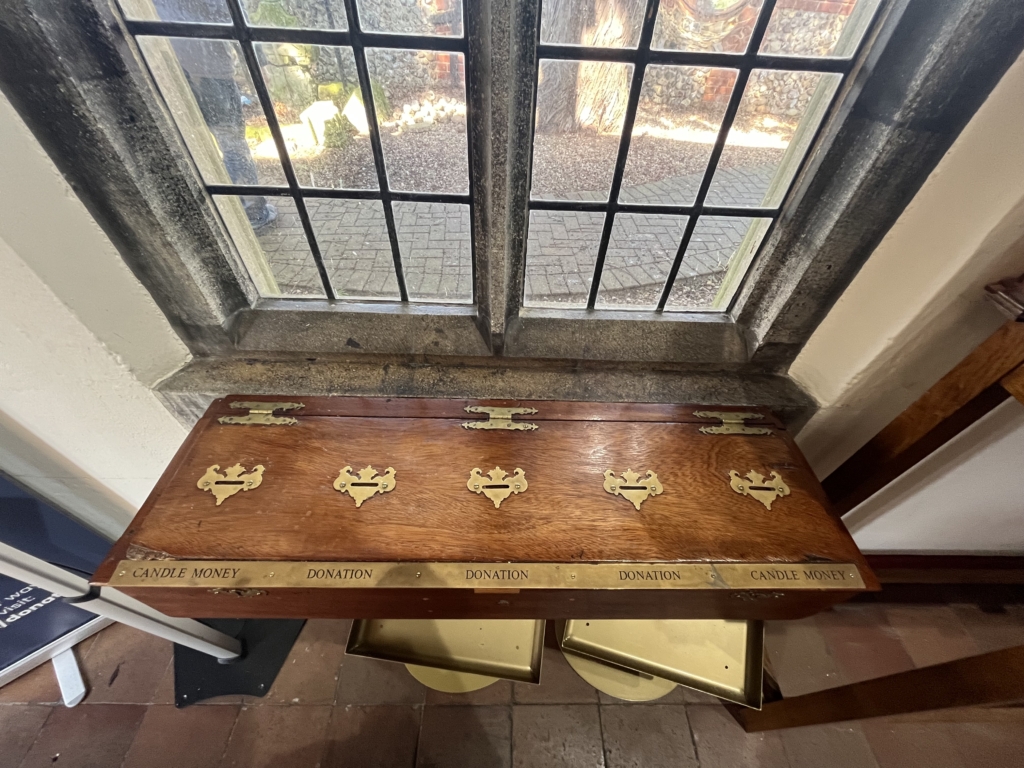
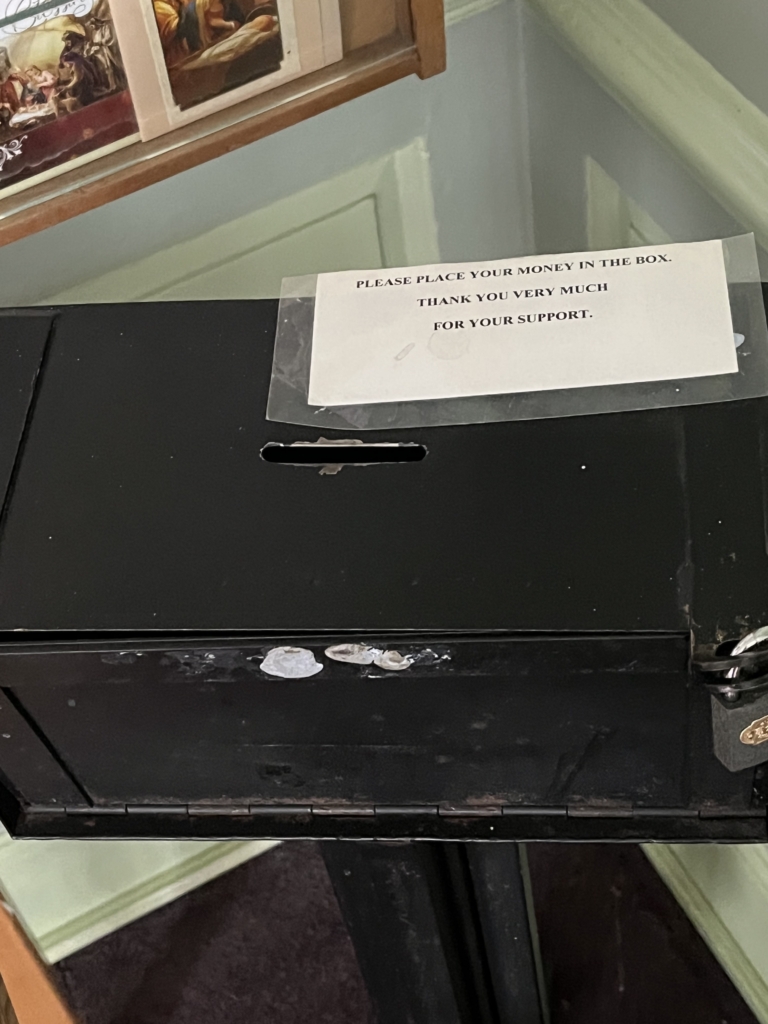
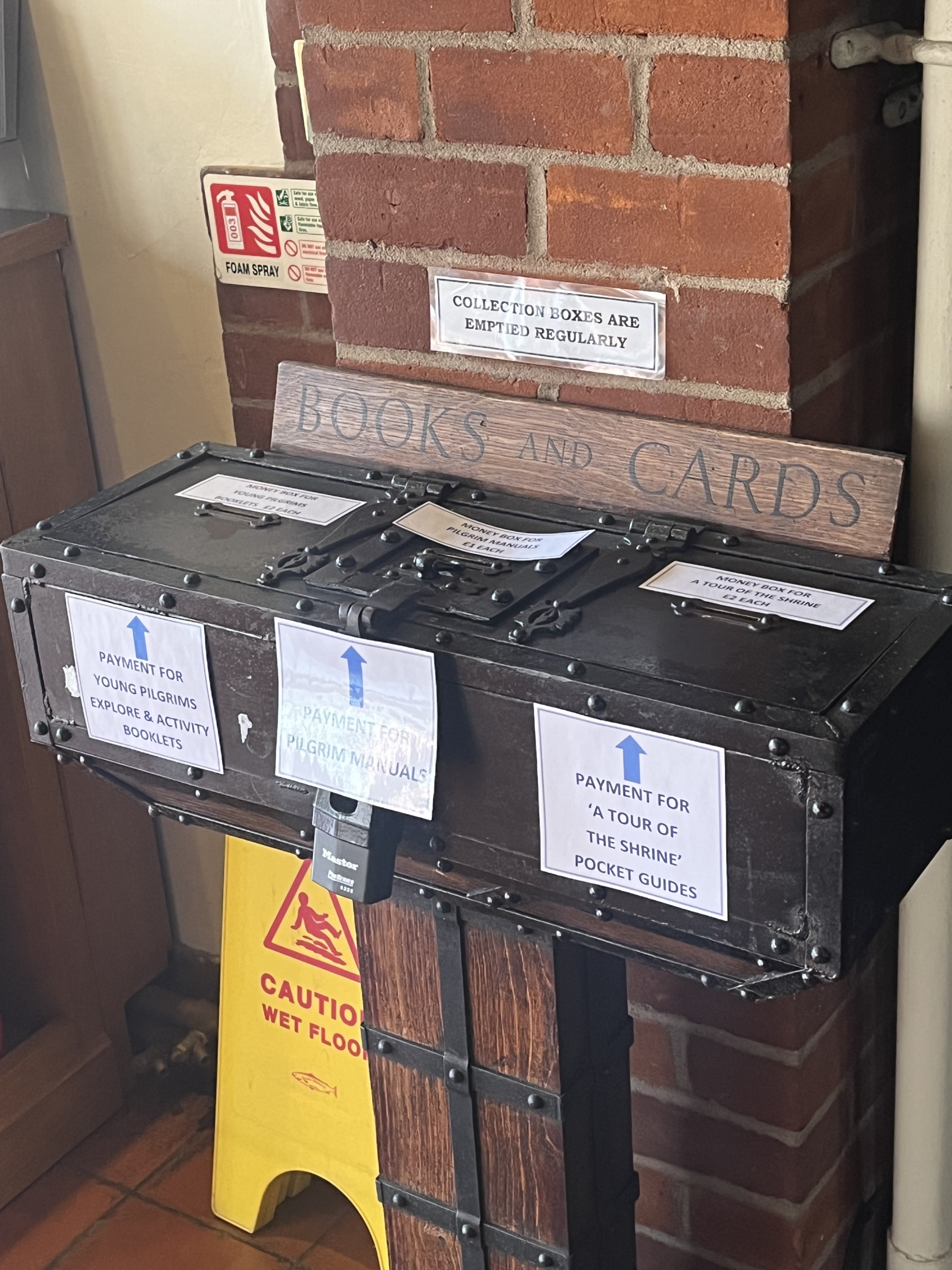
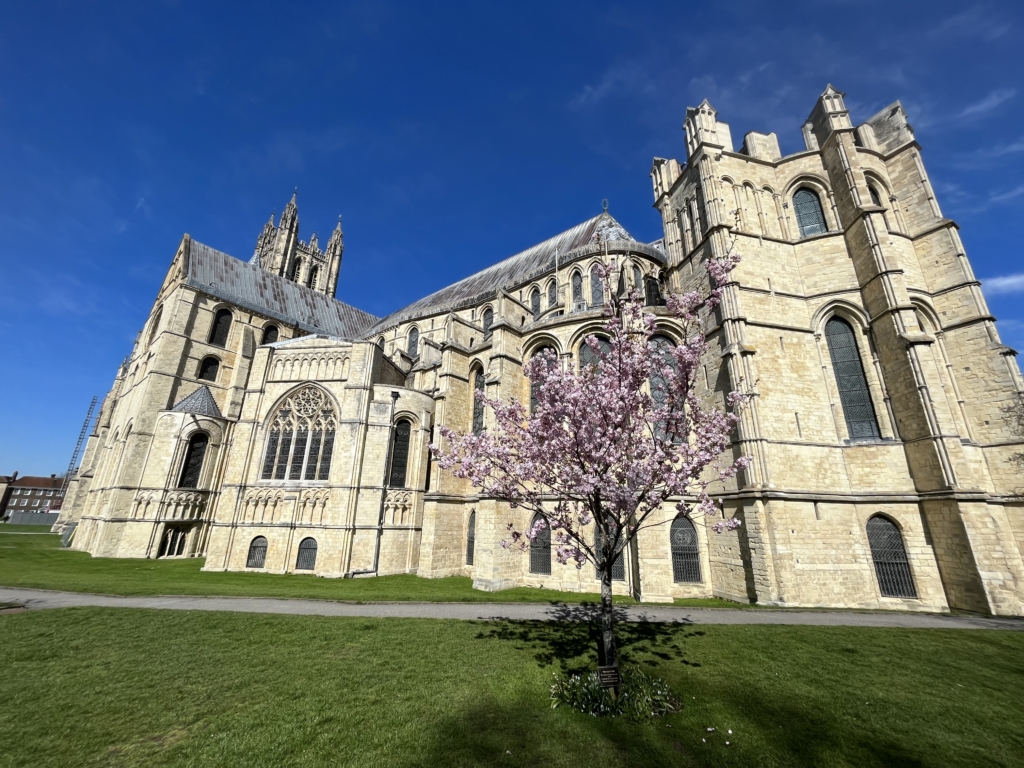
Once you reached the pilgrimage site there were plenty of opportunities and expectations to give. The East End of Canterbury cathedral had five donation boxes on the pilgrimage route around the cathedral (Again we see the importance of repetitions and mere exposure effect – we need to be reminded, repeatedly asked and exposed to the behaviours we want donors to adopt).
But also it is important to be asked for gifts and not just assume that the mere exposure effect will work – in Basel Cathedral a lay petitor would say in a loud voice when the cathedral opened ‘Donate to the construction of Our Lady and earn the great indulgence and great pardon’
How is your user journey or website reminding and giving repeated opportunities to give?
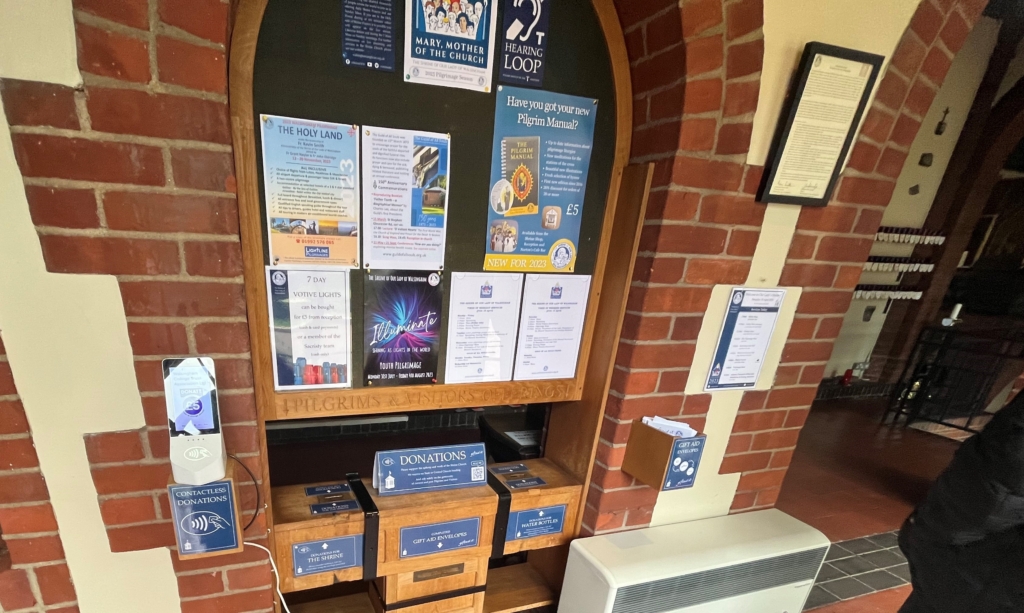
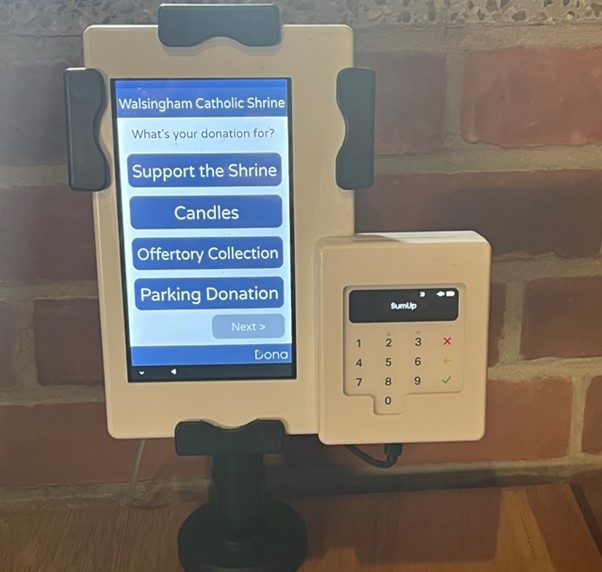
A variety of donation boxes in Walsingham today
And how do you encourage more donations at the site?
How we think about money –Mental accounting
One way to get your pilgrim to spend more money (on top of the donation) was through fairs where pilgrims could spend time, buy food and enjoy themselves. Events fundraising and paying a premium to be eating, drinking and supporting a good cause has been around for thousands of years. In 1248 there was a 15 day fair to accompany the moving of Edward the Confessor’s body to Westminster Abbey – to maximise the opportunity all other local fairs were banned (the importance of that exclusivity clause in your donor agreement!)
We use mental accounting to allocate our money – our charitable gifts, our religious duty, our food expenditure or leisure and pleasure budgets. Whilst donations on the pilgrimage route, or in the church, may have come out of the religious duty or charity mental account – additional money spent at the fair would come out of leisure and pleasure account. So you get two bites of the cherry.
How can you provide different ways for donors to give that come from different mental accounts?
Social proof by testimony
As part of the journey around the pilgrimage route around the shrine there were often individuals testifying to the power that the saints have made in their lives through cures or prayers answered. The person who delivers the story (fundraising or miraculous cure) has a huge power and influence – if we see someone like us – the same gender, from the same place, with the same accent, the same age, the same profession or identity doing something – and they are a likeable and credible person – that encourages us to believe what they say, and do what they ask. This offers a strong social norm for us to follow and be shown to work effectively in fundraising. This example comes from academic research and shows the real power of social norms when ‘people like me’ are used
If we match the messenger to the donor we will increase the success rate.
How can you tell the stories of the impact of donations to encourage more gifts?
How can we demonstrate that donors like them give?
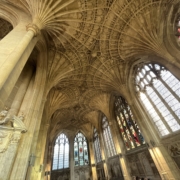
Canterbury Cathedral
4. Loyalty/Advocacy
Donors can be your best and most powerful advocates.
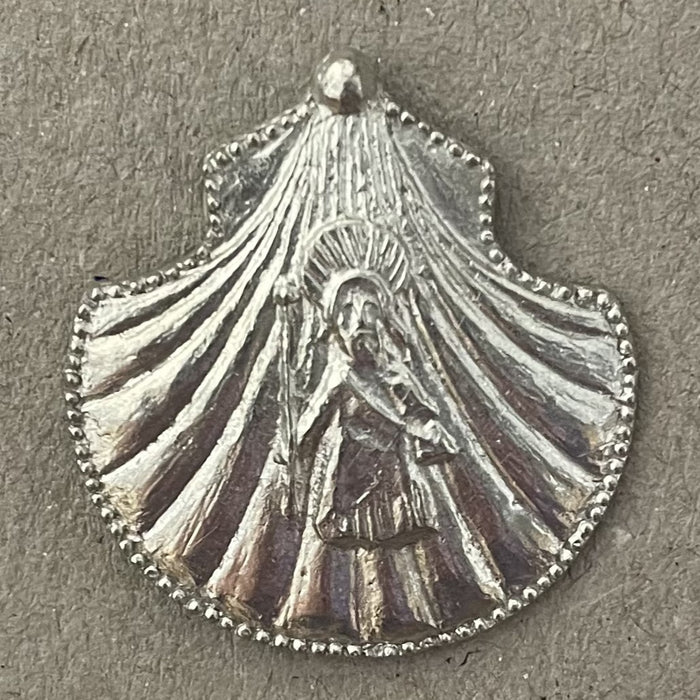
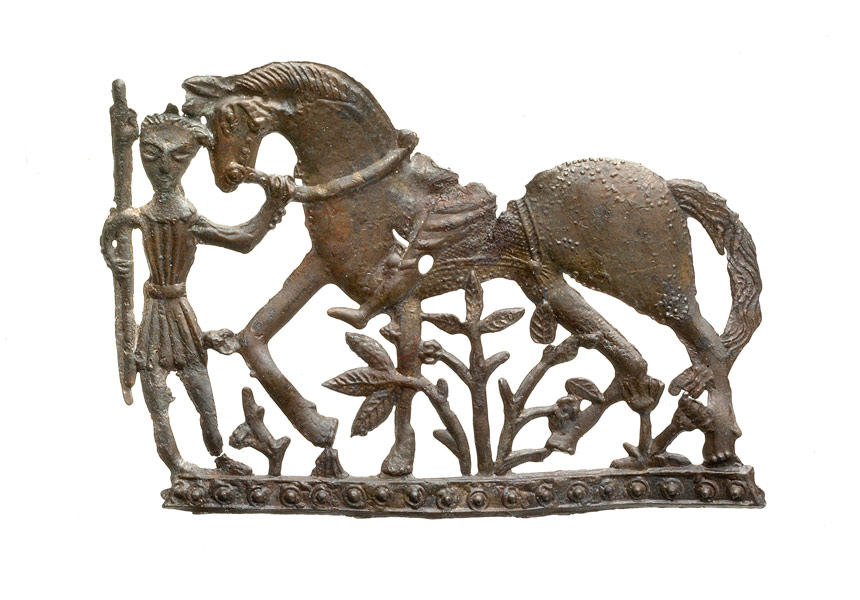
One way to help them demonstrate their loyalty and live out their identity as part of your tribe is through merchandise – and the medieval pilgrim market had this covered with pilgrim badges. These could be bought as souvenirs to demonstrate your identity as a pilgrim, to show you had been on pilgrimage and helped also raise additional funds (and come from a different mental account!) You wore them on your cloak or hat, put them in your prayer book or could nail them up at home. They showed to the world that they had been on pilgrimage and what tribe they belonged to. Each shrine had its own badges so you could collect them from various shrines demonstrating your piety and connection.
Pilgrim badge from St James of Compestella Pilgrim badge
How can you find ways for your donor tribe to demonstrate their loyalty?
By looking at medieval pilgrimages and how they raised funds, we can see some applications that can be used in our fundraising today. So
Repeat the message.
Segment your donors.
Target them with special offers.
Use powerful testimony of messengers like them.
Show the impact of gifts.
Provide opportunities for them to spend from different mental accounts.
Waiting for the next instalment or cheque in the post?
Emotional labour of fundraising?
Your cause not as exciting / easy to raise money for as another more exciting one.
How many of these ring true for you today – you are not alone! Fundraisers from 100 years ago (or three hundred years ago) experienced the same things!
Fundraising as emotional labour
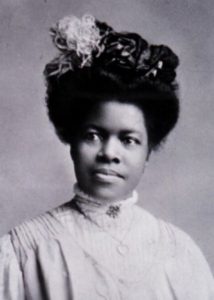
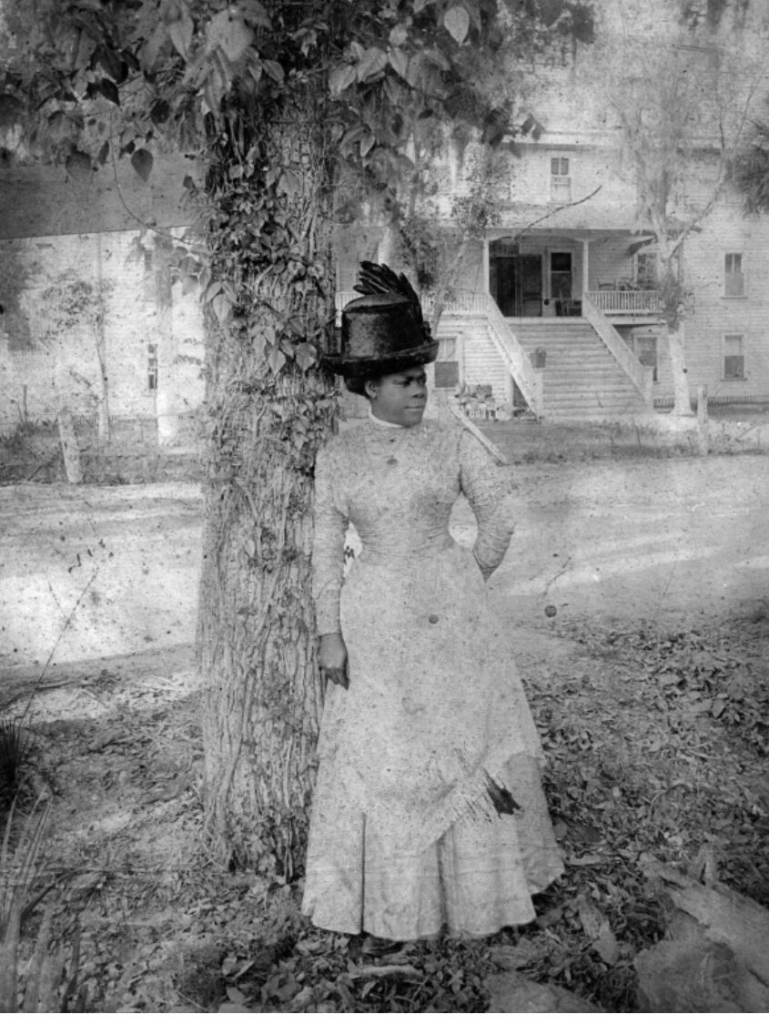
Nannie Helen Burroughs
“This money getting business destroys so much of one’s real self that we cannot do our best, feeling that we need money all the time”
So said Nannie Helen Burroughs civil rights campaigner and businesswomen over one hundred years ago.
The emotional burden of fundraising has not changed – many fundraisers care deeply about the causes that they secure funds for, describing fundraising as a vocation, which means detachment from the role and cause can be hard to find. Fundraisers invest a good deal of themselves in the cause they care about, striving to make the world a better place. You need money to deliver your mission, but the efforts to secure it can also be a constant worry.
This also speaks of a time before the separation of founder and fundraiser – to ensure that mission happened was everyone’s job and the responsibility fell heavily on the head of the founder/director of the charitable endeavour. The advantage of this was that everyone understand the role and importance of fundraising to achieving mission, rather than, in some charities, where delivering mission and raising funds are seen as separate and the fundraising team as the ‘necessary evil’.
Don’t get too dependent on that one donor
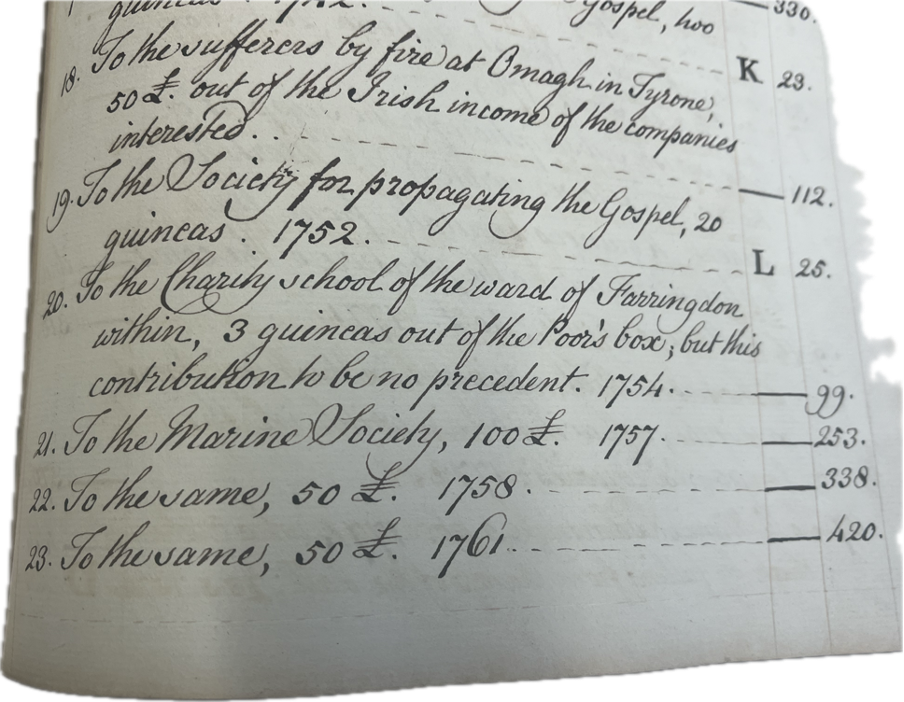
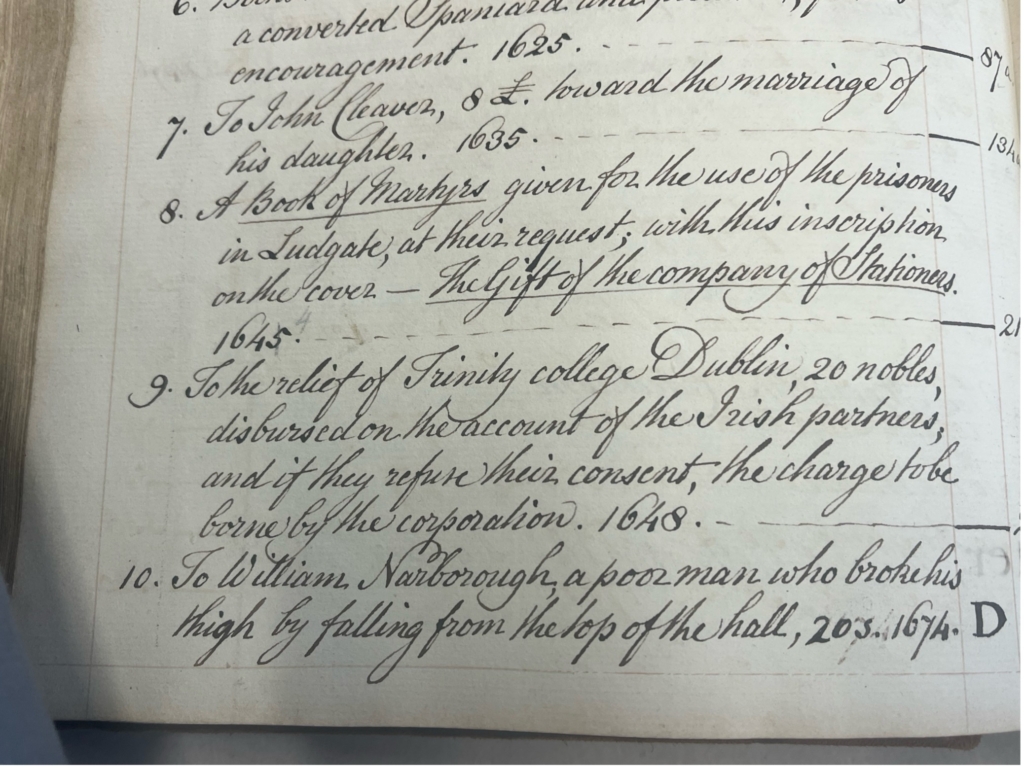
‘this contribution to be no precedent‘
From 1757 charity roll of the Worshipful Company of Stationers, a grant of 3 guineas to the Farringdon charity school with the caveat ‘this contribution to be no precedent‘. It is a concern of funders that we don’t become over reliant on their grants and keep asking them to support the work, but this is the earliest example where I have seen it written down.
Although the charity roll shows that further grants were given to support the school despite this warning about precedent – a good reminder that funders are not always consistent with their stated policies and do make exceptions (maybe a super fundraiser built a great relationship demonstrating the impact of the gift and secured these future gifts)
Not as glamorous as other causes
Trying to raise money for the Bristol General Infirmary – after foreign missions had raised £7,000 and the hospital only £772, John Addington Symons moaned
The General had ‘few novelties connected with it; no interesting pictures of …curious customs; no terrible demonstration of savage creatures and hideous abominations of devil worship; no ladies auxiliaries; no juvenile collectors‘
Echoing the criticism of Mrs Jellaby by Charles Dickens in Bleak House he says ‘we comparatively overlook our brethren.’
Rising cost of living & waiting for the cheque
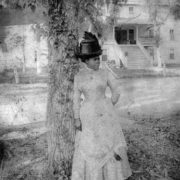
“The high cost of living has made us very anxious for us. May we hear from you now?”
Wrote Mary McLeod Bethune asking Madam Walker for support. The year 1917, how much has changed?
Or a letter to great financial supporters of her work, President and Eleanor Roosevelt
“We are now in desperate need of funds. My nights are sleepless with this load upon my heart and mind. I must have help. I believe there are friends who would want to help”.
Mary McLeod Bethune
Mary Macleod Bethune was a fantastic fundraiser and you can listen to this podcast about her life and work – raising money for her school by selling sweet potato pies to the workers on the dump, securing grants from J D Rockefeller and keeping her community of alumna close to secure regular funds.
Follow the grant guidelines and add the credit specified
Even in 1645 funders were prescribing how their donation ought to be credited. Another from the charity roll of the Worshipful Company of Stationers this time in 1645 when ‘A Book of Martyrs’ was given for the prisoners of Ludgate Gaol following an appeal by the prisoners. The roll details that the book be inscribed on the cover ‘The Gift of the company of Stationers.’
Same as it ever was …
Although these highlight the many ways that fundraising (and fundraising woes) have not changed in the past few centuries.
Perhaps as fundraisers we can find consolation (or frustration) in the fact that ‘it was ever thus.’
Although much is the same as it always has been, charity and fundraising are conditioned by time and place and it would be just as easy to pick up examples that showed ‘the past is a different country, they do things differently there’ (raising funds for pirates or for unmarried maidens to get married).
https://marinajones.uk/wp-content/uploads/2024/03/Mary.jpeg1125845adminhttps://marinajones.uk/wp-content/uploads/2022/12/f2b903e010104f5aa61ea1821a685913.pngadmin2024-04-09 08:13:082025-07-25 17:17:29Same at is ever was, same as it ever was …
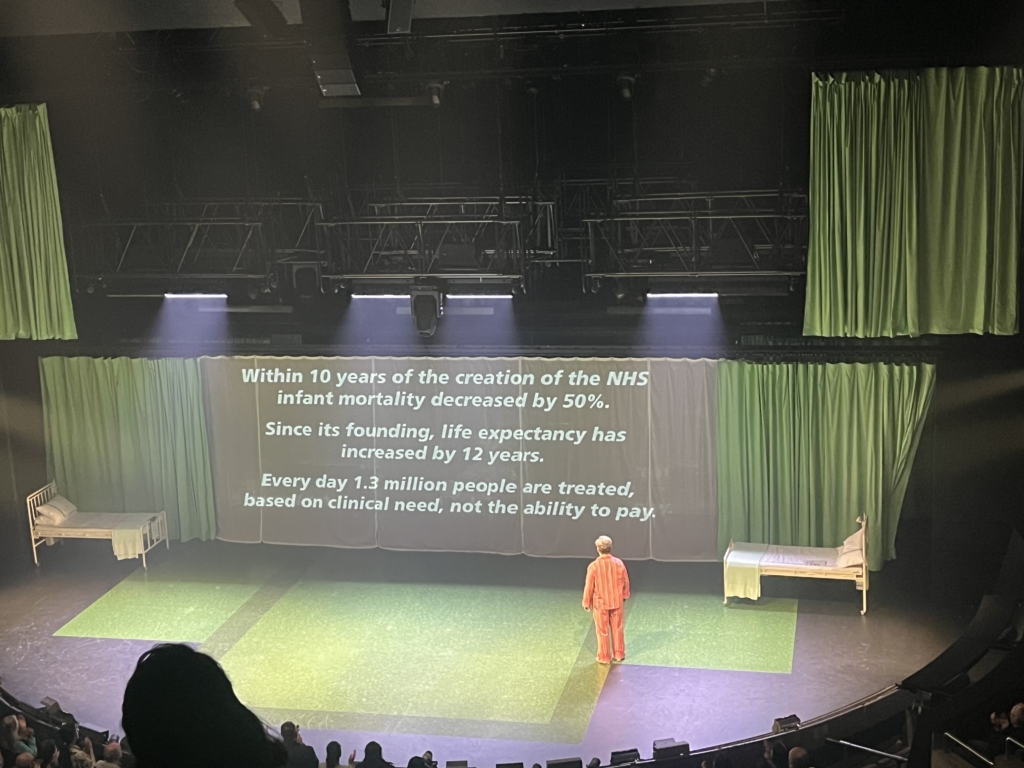
After watching Nye at the National Theatre and reading the play, I have been reflecting on the importance of philanthropy and fundraising to fund healthcare before the NHS was introduced in 1948 in the UK (and of course it has remained fundamental, but this article focuses on pre 1948 examples).
Playtext of ‘Nye’
Aneurin Bevan, known as Nye said he wanted to ‘replace the patchwork quilt of local philanthropies’ with a nationalised health service.
In the play he says:
“The health service is a complete mess, it is impossible to navigate and grossly unfair. The voluntary hospitals serve the rich, and the council hospitals serve the poor. The wealthy cities have all the facilities and all the specialists. And poor regions are stuck with Victorian hospitals falling apart”
Nye was inspired by the Tredegear Medical Aid Society where (quoting Nye in the play)
“All miners pay into it every week. And it covers the cost of six doctors and six nurses who take care of the whole town … The Tredegear Medical Aid Society covesr not only those who pay into it but those that don’t. Women, children, the elderly. .. And it works.
The mutual aid model of the Medical Aid Society was a well established one, and Nye wanted to ‘Tregegarise’ the whole country so everyone got the same health service
What was that patchwork quilt of philanthropies like?
To describe the provision of healthcare as patchwork is a very apt. The provision of healthcare relied on local patronage and campaigns, an inspired local leader, guild, monastery, legacy or philanthropist.
Here are just a few of the pre-NHS patches of how fundraising and philanthropy enabled healthcare and hospitals.
In the Bible, in the Last Judgement parable of the sheep and the goats in Matthew 25, Jesus says
Come, ye blessed of my Father, inherit the kingdom prepared for you from the foundation of the world: For I was an hungred, and ye gave me meat: I was thirsty, and ye gave me drink: I was a stranger, and ye took me in: Naked, and ye clothed me: I was sick, and ye visited me: I was in prison, and ye came unto me. Then shall the righteous answer him, saying, Lord, when saw we thee an hungred, and fed thee? or thirsty, and gave thee drink? When saw we thee a stranger, and took thee in? or naked, and clothed thee? Or when saw we thee sick, or in prison, and came unto thee? And the King shall answer and say unto them, Verily I say unto you, Inasmuch as ye have done it unto one of the least of these my brethren, ye have done it unto me.
Matthew 25, King James Bible
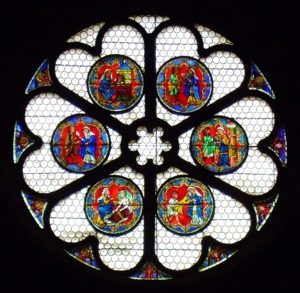
Caring for the sick in hospital and supporting hospitals was one of the corporal works of mercy and in Christianity, and in other faiths, a way of living out your faith. So churches, monasteries and religious communities frequently administered and raised funds for hospitals – you can read more about how here although it is frequently through an extrapolation of the existence of hospitals that we can see that some sort of organised fundraising must have been in action.
Stained glass window from Freiburg Minster, c1230 showing the six Corporal Works of Mercy
The first hospital founded by subscriptions was in 1719. Banker ‘Good Henry’ Hoare, also know as Henry the Magnificent made a donation of £10 and with three friends they founded the Westminster Hospital with the aim to ‘provide poor sick people…with necessary food and physic during illness‘.
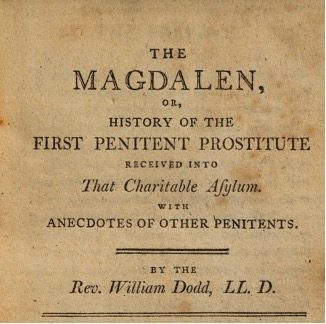
Selling sensational novels to raise funds was another way in which money was raised to support the work of hospitals. The Magdelen – History of the First Penitent Prostitute Received Into that Charitable Asylum. With Anecdotes of Other Penitents by the Rev. William Dodd was one such novel. It told, in letter form, the story of a young woman who was seduced by an inappropriate suitor, ended up pregnant and in care of the Magdalen hospital as part of her rehabilitation. These novels were very popular both for their salacious stories, as well as, raising the money needed to run the hospitals.
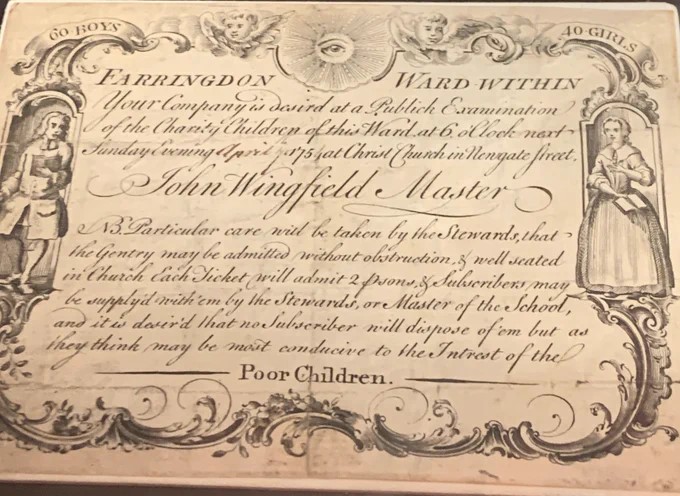
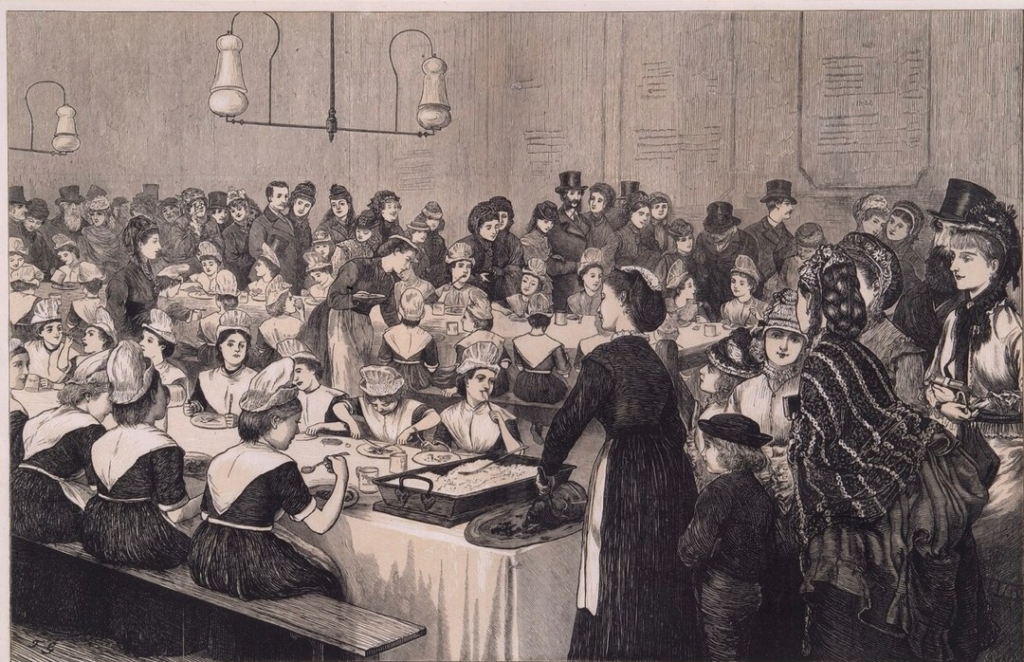
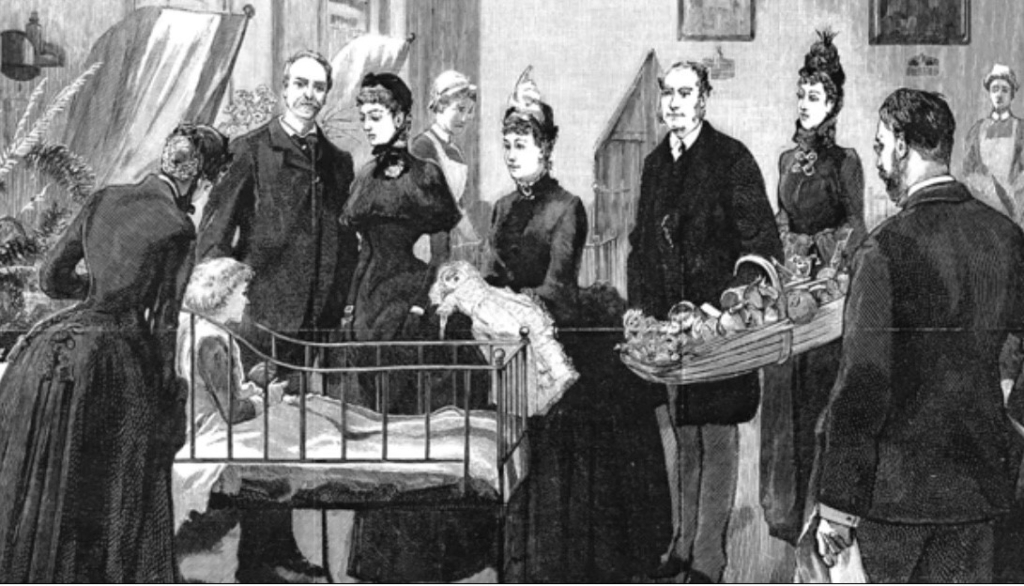
The appeal to raise the funds for the Foundling Hospital by Sir Thomas Coram took 17 years, beginning in 1728. Thomas Coram returned from his sea merchant career and was appalled by the number of children abandoned (known as foundlings) and wanted to provide for them with a new Foundling Hospital. Celebrity and well connected patrons were essential to the success and achieving his ambitions and the necessary funds. He enlisted William Hogarth the famous painter to be a Governor of the charity and he (and his celebrity painting friends – Reynolds and Gainsborough) donated paintings to be sold for the good of the hospital establishing an art gallery on site. Composer Handel also supported the Hospital with his Foundling Hospital Anthem which concludes with his famous Messiah and Hallelujah Chorus which raised over £7,000 for the hospital (there is a suggestion that ending this reflection on charitable giving with the Chorus links back to Matthew 25 and the parable of the sheep and the goats). Handel also donated an organ to the hospital which was repeatedly used for fundraising concerts. Coram is often credited with being one of the first fundraisers, but as we have been discovering there were paid and professional fundraisers much earlier. More Coram and the campaign for the Foundling Hospital here. Raising funds for the hospital’s continuing operation was an ongoing task and so public parades and public examinations of poor children such as the children from the Foundling Hospital were common place. They were used as a way to solicit contributions, thank donors and demonstrate the impact of the gifts in rehabilitating and training children (show don’t tell!) Attending Sunday lunch at the Foundling Hospital was a fashionable Sunday outing.
An invitation to examine the charity childrenSunday lunch at the Foundling Hospital with donors watching
In Birmingham in 1860s, it took just five days for Thomas Heslop’s campaign to raise the funds needed to create the Birmingham and Midlands Free Hospital for Sick Children. This shows a clear appetitive from the general public to support hospitals and the care of the sick.
May Seacole financed herself to go to the Crimean War to assist the soldiers, running her British Hotel caring for those that could afford to pay. She was the first woman to enter Sevastopol and was praised by Lord Rokesby for her bravery. When the war finished she was left nearly bankrupt with stock, and campaigns were held to support her (by The Times and Punch). A four day festival at the Royal Albert Hall attended by over 40,000 people was so badly organised that she barely received any of the proceeds – as captured in this Horrible Histories clip
#fundraisingfail Mary Seacole returned from the Crimea & was declared bankrupt – a 4 day fundraising gala Seacole Fund Grand Mimitary Festival attended by over 40,000 people raised only £57 because of poor organisation via Horrible Histories #fundraisinghistorypic.twitter.com/gs1YO33DJx
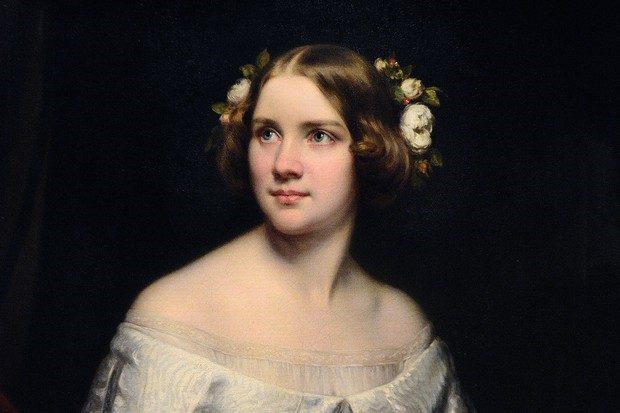
Famous singer Jenny Lind helped raise the funds for the England’s second children’s hospital in Norwich. The Norwich Hospital was the 17th established in England in 1772 (after first being proposed in 1758) and raised funds through subscriptions and fundraising sermons at the cathedral as was common at the time. As part of her world tour, Jenny Lind visited Norwich in 1847 for two sell out concerts. She stayed with the Bishop of Norwich at the cathedral. She was performing at St Andrew Hall and added a third concert especially so that the poor of the city could attend. She developed a strong relationship with the Bishop’s family and Katherine, the bishop’s wife, became godmother to Jenny Lind’s daughter. In 1849, Jenny Lind returned to the city and raised £1,253 for the poor of the city with a concert. But this was raised with no specific purpose in mind, and the city had to decide what to do with it. One suggestion, from Jenny Lind herself, was to stand in the marketplace and throw the money to the poor (certainly a novel way to distribute charity!) However, whilst they were deciding what the funds should do Great Ormond Street Hospital was founded in 1852, and the idea of a children’s hospital in Norwich was mooted. In 1853 this was unanimously endorsed at a public meeting. The funds that the Jenny Lind concert had raised were used to purchase the two houses that would form the hospital. The hospital was known locally as The Jenny.
Jenny Lind at the Jenny
1859 the Kings Hospital Fund introduced Hospital Shopping Days in London on a Tuesday in November when shops and cabs had to show poster and give a % of that day’s profits to charity. The first day raised £1,027 but was not repeated as the tradespeople felt that the Hospital Shopping Day was a levy imposed on them – a reminder that those involved in fundraising must feel is there choice about how they are supporting – philanthropy is often defined as ‘voluntary action for the public good’ (Michael Moody) – so extrapolating from that fundraising must be a voluntary choice about how to support the public good rather than a tax imposed!
Like the relic quests above, there were designated days for raising funds for certain causes and hospitals were often the recipients. In 1912 Liverpool League of Welldoers raised funds for the Hospital Saturday Fund by a ‘travelling Christmas tree’ on cart with presents and collection boxes.
Author Thomas Hardy made a rare guest appearance at the fundraising fair for the Dorset County Hospital in 1921 – the fair included processions, bands, a “Money Trail”, stalls, dancing in the evening and a Japanese daylight firework display. This fair raised 20% of the revenue needed for the hospital that year showing how important and necessary fundraising was https://historydch.com/news/archive2014/
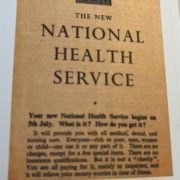
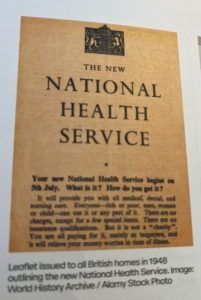
The leaflet issued to all British homes about the advent of the National Health service clearly stated:
“But it is not a “charity”. You are paying all paying for it, mainly as taxpayers, and it will relieve your money worries in times of illness”
The above examples are just a few ways in which healthcare was fundraised for and enacted pre 1948. There is much more research to be done on how funds were raised and organised for healthcare – pre and post the introduction of the NHS.
End of ‘Nye’ at the National Theatre
https://marinajones.uk/wp-content/uploads/2024/03/IMG_0639-scaled.jpeg25601713adminhttps://marinajones.uk/wp-content/uploads/2022/12/f2b903e010104f5aa61ea1821a685913.pngadmin2024-03-28 22:15:592024-03-28 22:16:00Pathwork quilt of local philanthropies
In the last few years gamification has been highlighted as a way to increase engagement with supporters – making charitable engagement more fun, and driving loyalty and community.
But it is not new in fundraising.
Competition and gaming elements can be seen in cathedral building in the thirteenth century – with areas of the city competing against each other to raise the most money (Pavia Gate vs Porta Nuevo Gate https://marinajones.uk/butter/).
But have you ever been asked to ‘winkle up’?
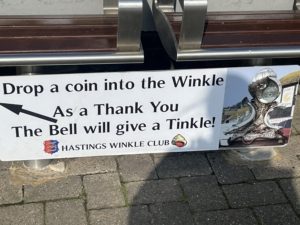
This is a particular request made by members of the Winkle Club in Hastings
Founded in the Prince Albert pub in Hastings in 1900 by local fisherman wanting to do something for poor local families and provide a special Christmas feast.
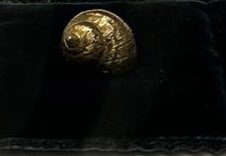
Each member is given a winkle shell (an edible sea snail – with snail removed and filled with wax) which must be produced if challenged to ‘winkle-up’ by a fellow member. If they cannot produce their winkle they are fined (originally 1 penny but now £1). The challenger must report the winkle up challenge before the week is out or pay a double fine!
They have become a local institution, in 1908
A hundred hungry men were served with dinner in the Harbour Shed, decorated with bunting, on Tuesday (31 Dec), while an estimated 750 children were given a good square meal dinner on Wednesday”.
Hastings Mail
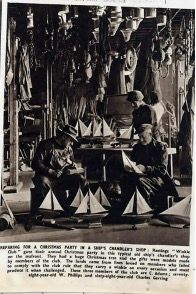
Members of the Winkle Club preparing for the annual Christmas party 1948
Pubs seem to be a fruitful place for the founding of charities as Howard Lake recently commented.
Additional fines and penalties were imposed, but all for fun, including
It is frequently easy to induce a member to ‘go over and Winkle Up old so-and-so there in the corner for a lark’, only to find that old-so-and-so is not a member. Another fine. All’s fair in Winkling-up and it all goes to charity
The Club’s rule also cite:
A favourite trick is for one member to say to another: “Put your winkle on the table for a moment; I should like to compare it with mine for colour” – or size or any other excuse. If the other fellow in a thoughtless moment puts his winkle down, he at once becomes liable for a fine. Moreover, no member may ever have two winkles in his possession. Another artful dodge is casually to invite a member to pick up and examine a second winkle with some appropriate remark – “Have you ever seen one like that?” or something of the sort. If he unthinkingly takes it, he is at once in trouble and a fine is duly levied“
The Winkle King
In the 1960s, Slogger Hoad was the Winkle King of Hastings and had special suit made out of 9,626 winkles which took six months to make (and can be seen at the Hastings Fisherman Museum)
Imitation is the sincerest form of flattery
The Winkle Club originally got the idea from the Hasting Acorn Club. This Club formed in the Royal Oak pub and has an acorn as their symbol, but the fisherman of the Prince Albert wanted something that reflected their fishing tradition so chose the winkle.
Cute local custom, yes, but also some fundraising lessons
So what can we learn from this local custom
Make donating fun – can you add gamification so that there is a fun and competitive element to your campaigns? The tricks that Winklers tried to play on each other to catch each other out and make more money aided the campaign. This can incentivise people to be involved in campaigns but also creates a sense of community which helps build loyalty. The fun element adds an extra dopamine happy chemical hit to their giving experience.
Your identity as a Winkler is important and a shared local one – recognising other supporters like you is important – whether it is asking someone to ‘winkle up’ or seeing a supporter has the tote bag or a badge identifying them as another supporter. We like to have ways to identify our support and have social proof of what others like us do.
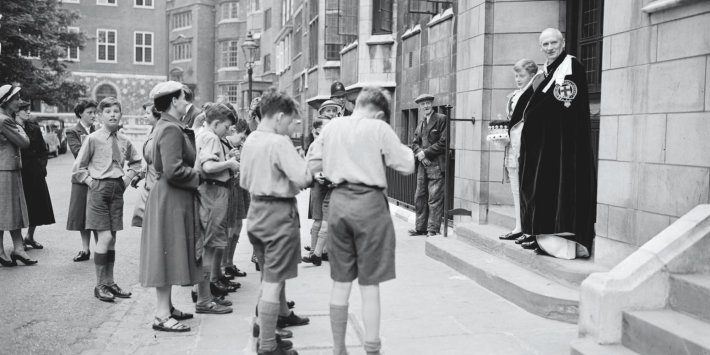
Celebrity winklers – having famous members helps promote your cause. Famous Winkle Club members include the late Queen, the Queen Mother, Norman Wisdom, Admiral Montgomery and Winston Churchill.
Adapt your offer to target segments of your supporters – Winston Churchill was presented with a special gold monogrammed winkle as an honorary member (see below) and the Queen was given a gold winkle made into a broach form. How can you treat special members differently to honour and recognise their status?
News stories – make the most of getting press stories about ‘winkle up’ challenges especially from your famous members.
In 1953 at the dress rehearsal for the coronation Field Marshal Montgomery charged the Mayor of Dover to ‘winkle up’ – the mayor having been to several functions that day did not have his winkle in that pair of trousers and had to pay a fine (reported in the Hastings & St. Leonards Observer 6 June 1953 Pg. 0007)
In 2008, Admiral Boyce was answering questions at a government committee when an MP asked one final question – did he have his winkle with him? The Admiral did not so paid the fine – but the MP who asked the question – Hastings MP Michael Foster did not have his either so was also fined (there was also a light hearted debate about whether he ought to have been challenged when at work!) See curiosities here https://winkleclub.org/curiosities/
Rewards – both the current opportunities to donate that I saw to donate to the Winkle Club on a recent trip to Hastings are fun. Wishing wells and a giant winkle shell that makes a noise when you donate. Make your donation boxes fun, interactive and engaging.
Rhyme as the reason effect -using rhyming messages can make them more memorable.
To listen to more about the history of fundraising you can listen to me on the Third Sector Podcast talking to news editor Andy Ricketts and senior multimedia reporter Lucinda Rouse on the development of the fundraising profession and perceptions of charity fundraisers through the ages.
You can hear about the parallels between contemporary fundraising methods and instances of their use centuries before, as well as past mistakes that could be avoided by better knowledge of fundraising history. It includes lots of examples of fundraising history, including a cathedral tower that was constructed by incentivising donors through a reprieve on a ban on eating butter during Lent.
https://marinajones.uk/wp-content/uploads/2024/03/Sommet_de_la_tour_de_Beurre_de_la_cathedrale_de_Rouen.jpg300450adminhttps://marinajones.uk/wp-content/uploads/2022/12/f2b903e010104f5aa61ea1821a685913.pngadmin2024-03-24 12:51:542024-03-24 12:51:55Hidden History of Fundraising – Podcast
We may request cookies to be set on your device. We use cookies to let us know when you visit our websites, how you interact with us, to enrich your user experience, and to customize your relationship with our website.
Click on the different category headings to find out more. You can also change some of your preferences. Note that blocking some types of cookies may impact your experience on our websites and the services we are able to offer.
Essential Website Cookies
These cookies are strictly necessary to provide you with services available through our website and to use some of its features.
Because these cookies are strictly necessary to deliver the website, refusing them will have impact how our site functions. You always can block or delete cookies by changing your browser settings and force blocking all cookies on this website. But this will always prompt you to accept/refuse cookies when revisiting our site.
We fully respect if you want to refuse cookies but to avoid asking you again and again kindly allow us to store a cookie for that. You are free to opt out any time or opt in for other cookies to get a better experience. If you refuse cookies we will remove all set cookies in our domain.
We provide you with a list of stored cookies on your computer in our domain so you can check what we stored. Due to security reasons we are not able to show or modify cookies from other domains. You can check these in your browser security settings.
Google Analytics Cookies
These cookies collect information that is used either in aggregate form to help us understand how our website is being used or how effective our marketing campaigns are, or to help us customize our website and application for you in order to enhance your experience.
If you do not want that we track your visit to our site you can disable tracking in your browser here:
Other external services
We also use different external services like Google Webfonts, Google Maps, and external Video providers. Since these providers may collect personal data like your IP address we allow you to block them here. Please be aware that this might heavily reduce the functionality and appearance of our site. Changes will take effect once you reload the page.
Google Webfont Settings:
Google Map Settings:
Google reCaptcha Settings:
Vimeo and Youtube video embeds:
Other cookies
The following cookies are also needed - You can choose if you want to allow them:
Privacy Policy
You can read about our cookies and privacy settings in detail on our Privacy Policy Page.