New research shows how people choose to pay strategically with cash or card. And that people use cash to forget ‘guilty’ purchases. How could this research apply to giving to charity?
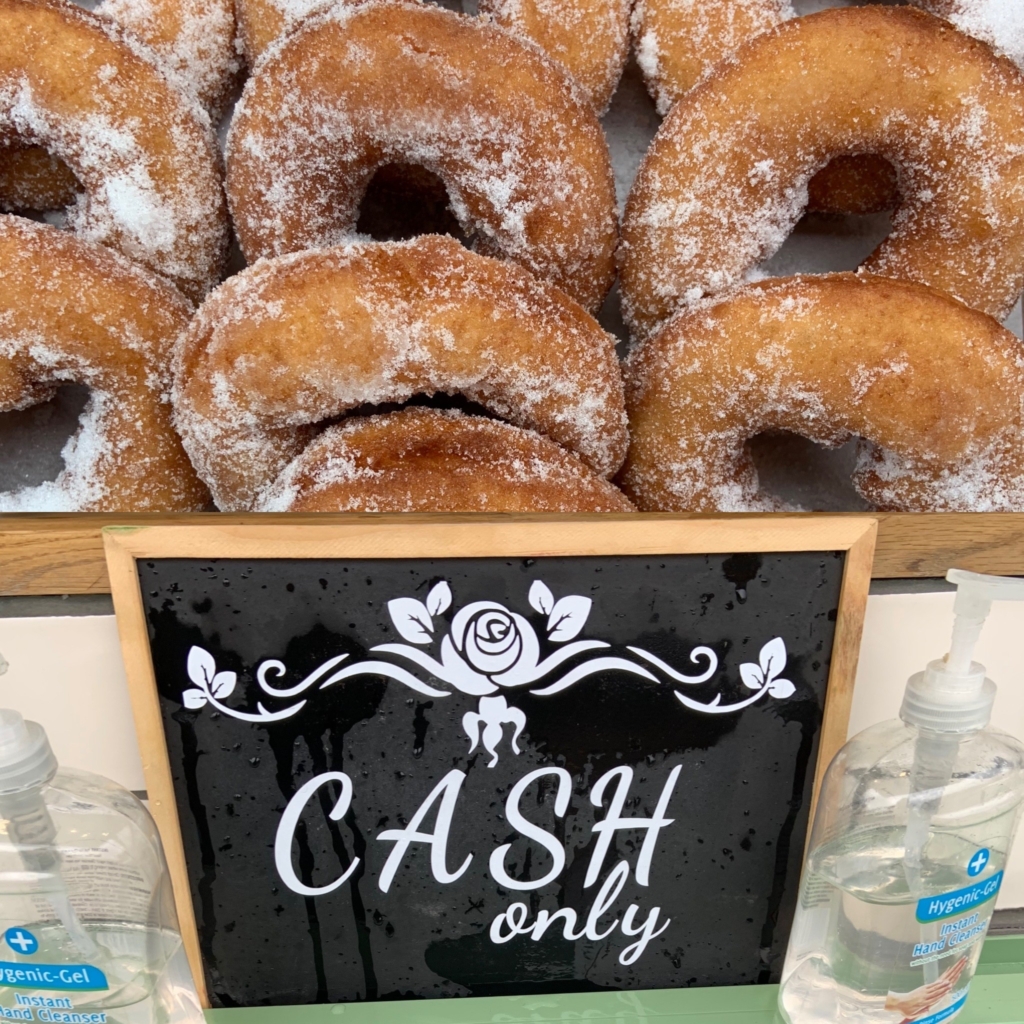
The research from the Notre Dame found that when people were paying for things that they found difficult to justify (a donut, an expensive bottle of water) or felt a bit guilty about they preferred to pay cash – this was less traceable, and they could forget the indulgent purchase. When there was no need to justify the purchase, they were happy to pay on a more traceable method (card/cheque).
This research was used data from over 100,000 transactions and then was verified in laboratory experiments.
Mental accounting
Richard Thaler, one of the founding behavioural scientists developed the concept of ‘mental accounting’ – that individuals classify pots of money differently according to their own systems and therefore are prone to irrational decision-making about money. Essentially all money is money and could be treated the same, but we create mental pots to spend on certain things and in certain ways. Thaler gives the example of how we think about a tax rebate as a windfall – as extra ‘found money’ that can be used for treats. We do not allocate it to tax refund for taxes we have already paid.
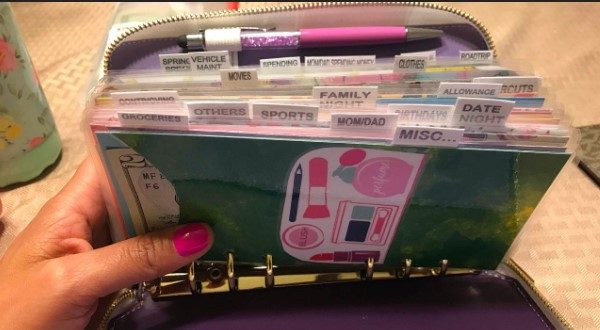
A recent TikTok sensation known as ‘cash stuffing’ saw people take the mental accounting literally – and take their salary out and put amounts in different envelopes for different reasons (rent, treats, food etc.,)
This research suggests that the classification system seems to extend into the form the money takes – ‘real/cash’ or ‘plastic/digital’. We think about it differently. We use it differently.
It suggests that vendors who are in the ‘guilty treat’ category could benefit from being cash only (or cash dominant.)
With the pandemic and advances in technology use of contactless payment methods increased. Jenny Roper, Head of Insight at Kinetic said at Nudegstock that for a behavioural change to become normal the disruption has to be significant and long lasting. When major terrorist incidents disrupted the public transport network the changes in transport uses were short-lived. It seems that the pandemic was a not a significant enough disruptor to totally change our attitude to and use of cash.
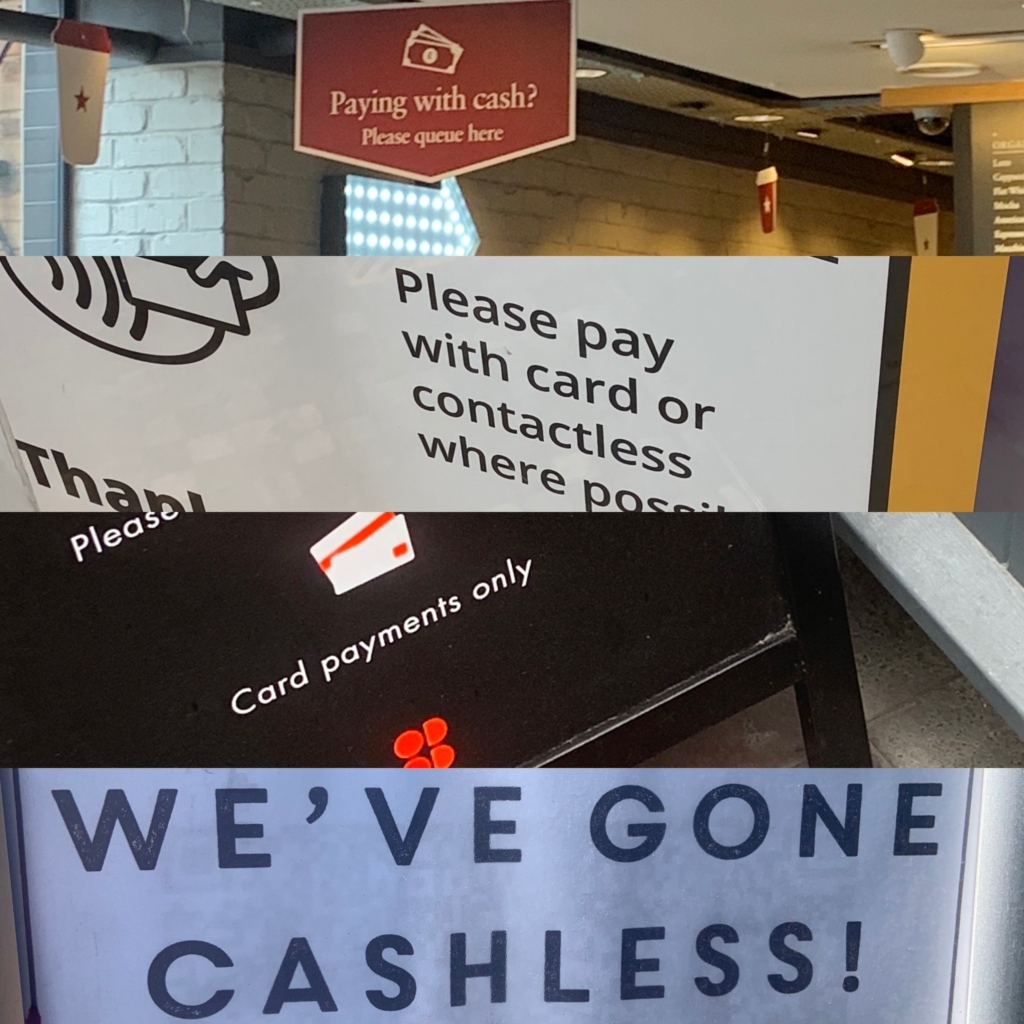
Many places are resolutely cashless.
But is that helping or hindering us as charities?
And how people can choose to make donations.
How is cash or card working for charities – a real world example
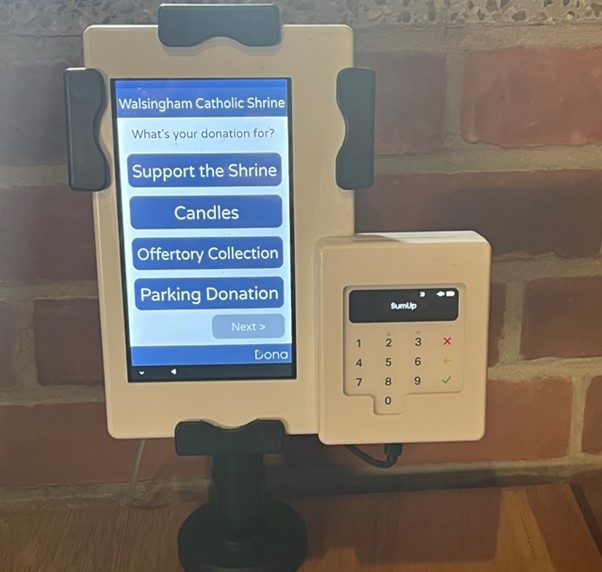
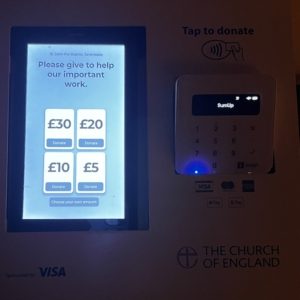
We recently did a post-show collection at the theatre. Participants from our award-winning ENO Breathe programme which uses opera singing techniques to help people recover from long Covid were performing lullabies that they had written on stage before a performance. Afterwards two participants spoke about the personal impact of the programme on their lives and journey towards recovery. Audience members were invited to support the programme with a donation – there were flyers on all seats, with a QR code, a vanity/slug URL to donate and cheerful staff inviting them to tap to donate on the way out.
But people still wanted to give cash (and we are fundraisers so of course we took it!)
About a tenth of the financial value of the donations that night was in cash. We had made it as easy and as friction free as possible to donate digitally – but people still wanted to give cash. To give cash was harder, they had to ask ‘do you take cash?’ and become involved in a more substantive interaction than simply tapping a contactless box. Those wanting and donating cash were generally older than those who tapped to donate.
How does the strategic choice of payment work when donating to charities?
It would be interesting to see this University of Notre Dame research could be extended and how strategy about payment method (cash/contactless) applies when people think about donating to charity? And how it plays into our mental accounting of our spending?
Are cash donations to charity the impulse guilty ‘treats’ that we don’t want traced? Like the ‘reward’ of a donut are they giving us that dopamine hit? This could imply a more instinctive ‘system one’ approach to the gift – and maybe for smaller amounts. Is cash more like Thaler’s ‘found money’ and able to be used on a whim? Or is cash in our mental accounting already a sunk cost that we have somehow mentally spent it as soon as we have taken it out of the ATM?
The need for it to be a traceable and receipt transaction perhaps implies it is a more effortful and thought through decision (a more system two reaction?) and might apply for more to more significant financial gifts.
Risks of annonymous giving
Of course, one side of cash giving is anonymity – the risk of money laundering, the foreign billionaire with a suitcase full of cash seeking to curry favour, or the risk of anonymous cryptocurrency. Fundraisers need to know the source of the funds for due diligence and acceptance of gifts. With both cash or a tap-to-give way we are not building a relationship with our donors. Building that relationship is so important for fundraisers as we want to thank our supporters, thank them, tell them about the impact of their gift, stay in touch and build a relationship with them, and ask them to continue supporting.
There is much more than can be explored, tested and learnt about the strategies people use to pay or donate.
When you donate – do you donate cash or contactless?
See previous blog on reactions to cash during the pandemic.
https://marinajones.uk/wp-content/uploads/2023/05/cash-donuts-.jpeg20482048adminhttps://marinajones.uk/wp-content/uploads/2022/12/f2b903e010104f5aa61ea1821a685913.pngadmin2023-05-22 16:14:582023-05-24 08:16:35Cash or card?
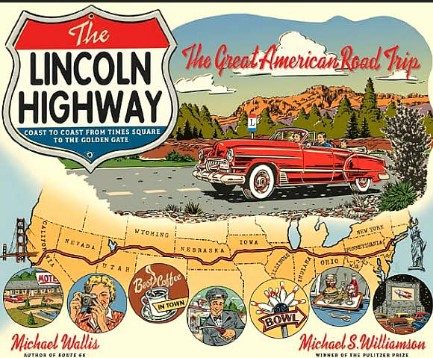
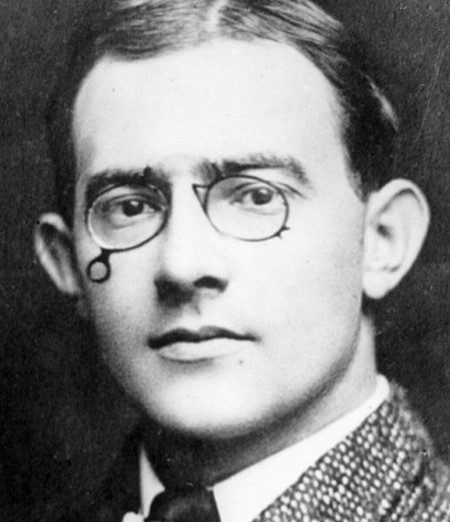
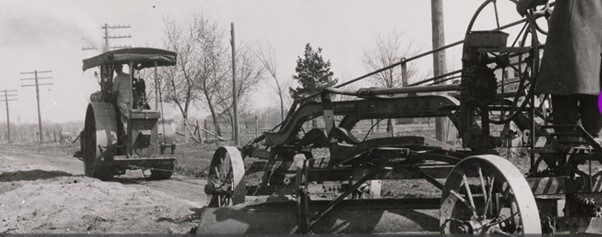
In 1912 he had an idea – as cars were becoming increasingly popular he wanted there to be a proper tarmacked road that would stretch from coast to coast of the USA. As there was no federal funding available at the time he needed to raise the funds.
Is it really philanthropic to build a road?
Payton and Moody give a definition of philanthropy as voluntary action for the public good and talk about moral imagination and that we are motivated to act:
Because things go wrong
Because the world can be better
A motorway might not be righting wrongs or feeding the hungry but as an enactment of Fisher’s moral imagination it was how he could see the world as a better place. Fisher’s vision came from a desire to reduce a journey of around 90 days on small and not linked dirt tracks that could not easily be navigated by cars – to 30 days on a continuous and metalled road.
Raising money for a motorway raises the question of who ought to be providing roads – is it the state? The market? Philanthropy?
Fisher asked Henry Ford over a pig pen at the Detroit Fair if he would support the highway, and he said come tomorrow and I will sign up but later changed his mind. Ford is a noted philanthropist but it was a ‘no – not me’ and ‘no- not this’ for this project. Henry Ford refused to support the highway as he thought that government not the public or industry ought to pay for roads.
How did Fisher raise funds for a highway and what can we learn / do we still do today?
Secure some lead gifts at the start of the campaign
Before you go public with a big appeal, you want to have some supporters lined up. This is sometimes known as the ‘private phase’ of a campaign when you talk to those nearest and dearest to you and get them to give big lead gifts. It is important to know you could raise the total and that you have people on board who support your vision.
In 1912 Fisher held a dinner for auto mobile industry friends to secure support and got $300,000 in pledges that night and then later $300,000 from Goodyear tyres and others. So in the first month he had secured $1m towards the project. And then could promote this success as he tried to secure more support.
FOMO
One of the greatest incentives to act is our fear of missing out. We react to the threat of loosing something. That is why the incentive of a ‘free offer’ motivates us – we feel we are missing out on something if we do not claim the ‘free thing’. This is called the loss aversion heuristic – and one of Fisher’s tag lines to his first friends and supporters evokes this loss aversion heuristic:-
‘Lets build it before we’re too old to enjoy it’
We don’t want to miss out so we act.
Messengers, identities and norms
Fisher himself was a powerful and respected person to ask for support of this scheme – he was a record breaking racing car driver and successful entrepreneur making his money via car headlights. So he was respected by others in the industry.
We are heavily influenced by who asks us to help.
We are also heavily influenced by who else is involved – we want to be with our group and do what the rest of our group is doing.
Fisher was great at tailoring the norms to his audience – and activating their shared identities as he asked them to commit.
We can also be primed by our identity – in this instance Fisher leant in heavily on the automobile ‘tribe’ and activating their commonality.
By getting these key automobile industry people on board he was lining up some pretty powerful messengers and creating a group norm. He created a group social norm for the car and accessory business to be involved in supporting this. As humans we are group animals and want to stay with the herd and the behaviour of others like us. Our brains have not evolved that much since we were tribes and hunting and gathering and needing to stay together.
What does your PESTLE analysis come up with? Grab an opportunity
Look outside your organisation and vision and see what is happening in the wider world. A PESTLE analysis (Political, Environmental, Social, Technological, Legal and Ethical opportunities) is often used to explore other factors that might help or hinder your work.
At the time when the highway was proposed, the US Congress were looking at how they could memorialise President Lincoln and had $1.5m set aside for a marble memorial. This project gave them a patriotic opportunity to name the highway after the 16th President.
Power of celebrity messengers
The public campaign was launched after the major donations were made by individuals and businesses.
Members of the public were invited to subsribe to me members of the Lincoln Highway Association with certificates of $5 to $100 available. Theodore Roosevelt and Thomas Edison both contributed and the press were alerted to help generate more support.
President Woodrow Wilson sent in a private cheque for $5 and was awarded with Highway Certificate #1 which was publicised and published in the press.
Certificates of membership are a great way to thank you supporters and for them to create a supporter identity.
They stalled in their fundraising target and used publicity to generate more funds and put pressure on state legislatures to support investment in the infrastructure.
Every Little helps …
14 pennies were sent from children in Anvik, Alaska after their teacher told them about the highway being in honour of President Lincoln. This inspired them to send this donation and their letter and patriotism was widely publicised. (Often the small or the large gifts can attract our attention – like after the catastrophic fire at Notre Dame the multi million donations from corporations caught the headlines but so did the story of a child who sent their pocket money– we are attracted by the extremes). Publicizing both the big and small shows that every little helps.
An element of competition
The exact route of the highway was kept secret. Keeping it secret meant that all the states that the highway could pass through remain highly engaged and involved in the process – competition can generate more publicity and interest.
Additional and helpful donations
There is always one donor who agrees with the vision but wants to do something different and special and personal. Can you include that?
One pledge was received to fund 17 drinking fountains in honour of mother is route passed through Illinois and they were added to the route.
The Lincoln Highway was dedicated in 1913 and federal funds were acquired to fund the highway – as philanthropy and fundraised income did not cover the whole cost.
So what does this tell us about campaigns today
Get key supporters signed up before you ask others
Who are your messengers? You can have different messengers for different target markets – for car fans you have a different messenger than patriotic school children. Campaigns can use the most appropriate messenger for each part of the supporter base.
How can you tailor your norms to your audience? And create shared social identities?
How can you demonstrate that it is normal for them to support? Can you show that others they like and respect have supported? How can you activate their identity as car fans/animals lovers/fighters for justice to suggest it is what people like them are doing?
How can you make your supporters feel that they would be missing out if they were not supporting?
Look at the wider world for what is happening and combine with other issues
Competition or gamification can keep supporters interested and involved in a campaign
How can the way you thank your supporters create an identity as a supporter?
How you can show the tangible value and impact of gifts big and small? What do 14 pennies by vs $300,000 from a big company donor?
Publicity is important – who else is supporting you and what stories can you tell and share about who is involved?
P.S. How do you even find about these sort of things?
Fundraising history can be discovered in all sorts of strange and unusual places. It is not collated together in a neat history book through the Rogare history project a volunteer team have tried to gather and curate a timeline (the first edited highlight is published here and the full timeline of over 300 entries will be open access soon)
So, I found out about this in a novel called ‘The Lincoln Highway’ by Amor Towles where Billy (an eight year old boy describes the origins of the Lincoln Highway)
“It was invented by Mr Carl C Fisher in 1912…. He believed American people should be able to drive from one end of the country to the other. He built the first sections in 1913, with the help of donations”
“People gave him money to build it?” asked Duchess in disbelief.
The Lincoln Highway
So keep your eyes peeled, you never know where you might come across a piece of forgotten fundraising history…
https://marinajones.uk/wp-content/uploads/2023/05/highway.jpg230526adminhttps://marinajones.uk/wp-content/uploads/2022/12/f2b903e010104f5aa61ea1821a685913.pngadmin2023-05-17 21:17:162023-05-18 09:33:08It really is true everything is a project in fundraising … but could you fundraise for a motorway?
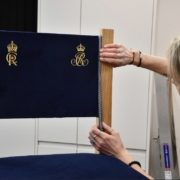
With the congregational chairs from the coronation of HRH Charles III being auctioned for charity it made me think about some historical examples of when royalty has been involved in fundraising. So I teamed up with fellow fundraising history fan Jayne Lacny from Notes on Philanthropy (who is also part of the Rogare history of fundraising project) to look at some historical examples of royalty and fundraising. (This list is by no means exhaustive but just a few historical fundraising moments that caught our attention.)
Why are royal patrons so important to fundraisers?
In decision science we often think about the messenger and who is asking us to help in a campaign. For a museum it could be a curator, for an international development charity an aid worker or someone who has had their life changed. We react strongly to who asks us to help – so consider who the messenger is. We are more likely to respond to someone we respect and trust. Therefore, a royal patron – as a symbol of the nation during war or as the ideal of patriotism, Christian charity– can be the perfect messenger for a fundraising campaign.
So a few #fundraisinghistory examples from 100 or more years ago.
The benefits of royal patronage
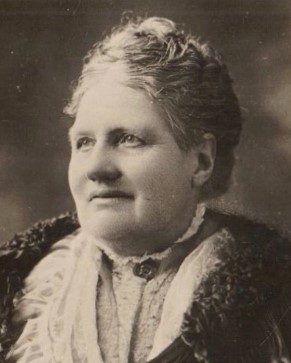
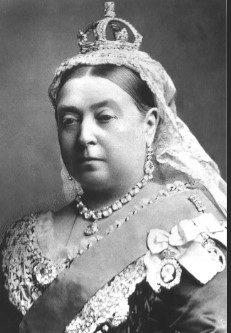
The royal family has always been notoriously cautious when selecting charities for patronage (and currently have 2862 patronages – of which 1187 are to registered charities). However, Queen Victoria and her family members were keen supporters of work being carried out during the 19th century with the Armed Forces in terms of temperance and spreading the evangelical word. Royal visits to sailors’ rests run by Dame Agnes Weston in Portsmouth and Plymouth were not unusual and were always welcomed.
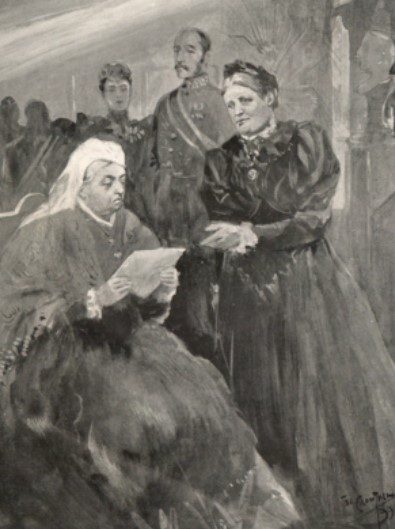
On a visit in 1895 to the rest at Devenport, Queen Victoria asked to sponsor a ‘cabin’ for sailors to stay in when ashore. Later, a sailor on hearing that the Queen had paid for the sponsorship out of her ‘own privy purse’ remarked to Weston –
‘I’ve sailed all over the world, and I have never come across such a thing before; the Queen’s my Queen and I’d die for her any day; but now she’s my Friend’’.
Weston told the Queen about this conversation when she was invited later to meet with her at Windsor. With tears running down her face, Queen Victoria replied, ‘Thank you so much for telling me this. I shall never forget it.’
Agnes WestonQueen Victoria meeting Agnes Weston at WindsorQueen Victoria
Reference – Weston, A. (1909). My Life Among the Bluejackets. London: James Nisbet and Company Ltd, pp.211-225.
Healthcare and royalty intertwined
Over the decades, royalty has devoted itself to supporting healthcare in this country (pre- and post-NHS) and many of our large – and not so large – hospitals have benefited hugely from the family’s connections. Dorset County Hospital is no different, for example, Queen Adelaide, widow of William IV, became patroness of the hospital’s 1841 bazaar and generously donated items for the occasion. The hospital has another fascinating link with royalty.
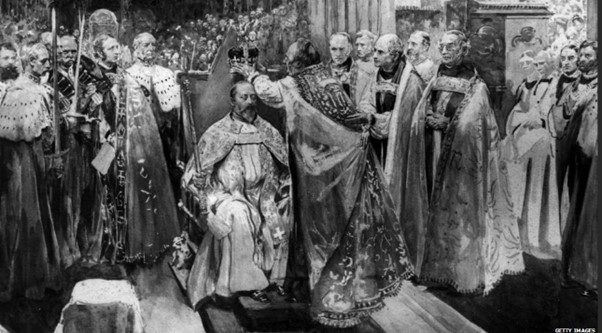
British surgeon and anatomy expert, Sir Frederick Treves (1853-1923), known for befriending the Elephant Man (Joseph Merrick), had been Surgeon Extraordinary to Queen Victoria. When returning home to Dorchester to receive the freedom of the borough, he donated a new operating table to Dorset County Hospital, ‘the best he could find’. However, things took an unexpected turn as in 1902, just days before the coronation of Edward VII, Treves had to perform a life-saving appendectomy on the seriously ill future King. The successful pioneering op involved draining an abscess that was sitting on the appendix through a small incision. The coronation went ahead without delay as a result.
Coronation of Edward VII
Reference booklet on Dorset County Hospital, 175 years of rural healthcare, 1840-2015.
Alexandra Rose Days
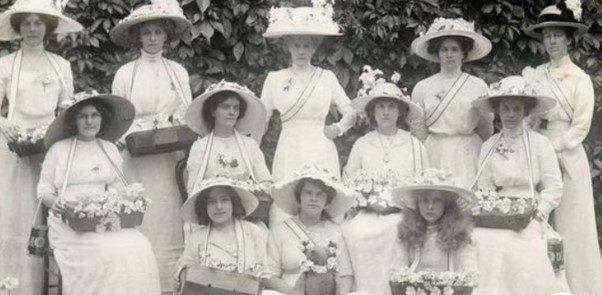
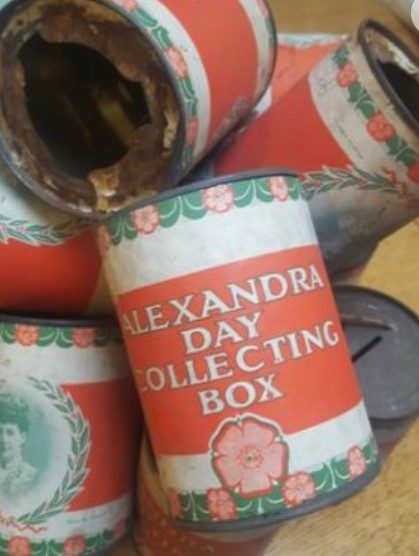
In 1912, the Dowager Queen Alexandra and her court were trying to find a way to mark the 50th anniversary of her arrival in England. Princess Alexandra had toured the country on her arrival in England in 1862 before marrying Edward VII – with photography and train travel more widespread she became a well-known figure who was held in high esteem by the British public. A procession was proposed to celebrate the anniversary, but the Queen wanted something that would benefit the charities that she cared about. Inspired by a priest from her homeland, Denmark, who sold the roses in his garden to raise funds for the hospitals, the Queen evolved the idea to sell flowers – silk and paper ones to raise funds for her favourite charities– and the Alexandra Rose day was formed.
The artificial flowers were made by young women from the John Groom’s Cripplegate and Flower Girls Mission which homed destitute, orphaned and disabled young people.
The first event raised over £32,000 (more than £2.5m in today’s money). The funds supported many of Queen Alexandra’s favourite charities and it became an annual fundraiser each June. By tradition the Prime Minister bought the first flower. The charity is still working today and focuses on food poverty.
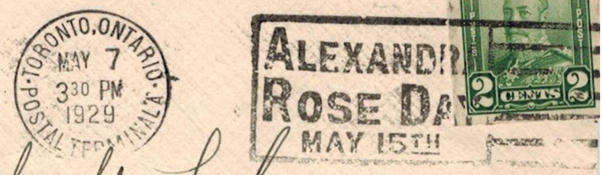
To promote Alexandra Rose Day they used a variety of methods from Players cigarette cards (the illustration below) and stamping notices on letters to highlight the forthcoming annual fundraiser.
You can see some vintage footage of Alexandra Rose day here:
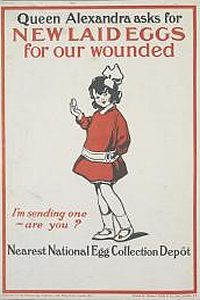
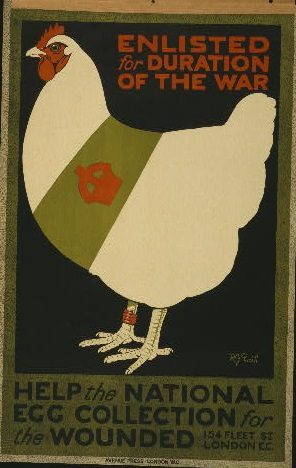
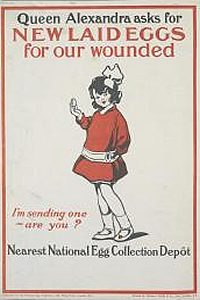
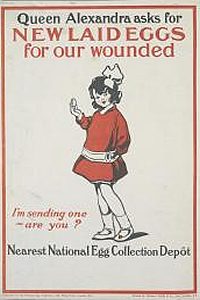
Queen Alexandra was actively involved in other campaigns and became the Royal Patron for the National Egg Collection during World War One – which asked British subjects to donate eggs to send to soldiers on the front and wounded soldiers recovering in the UK and Europe. The posters were emblazoned with ‘Queen Alexandra asks for new laid eggs for the wounded.’ Her involvement in the campaign rocketed its popularity and success and over a million eggs were collected thanks to her involvement. You can read more about the campaign in this blog.
Princess Mary Christmas Box campaign
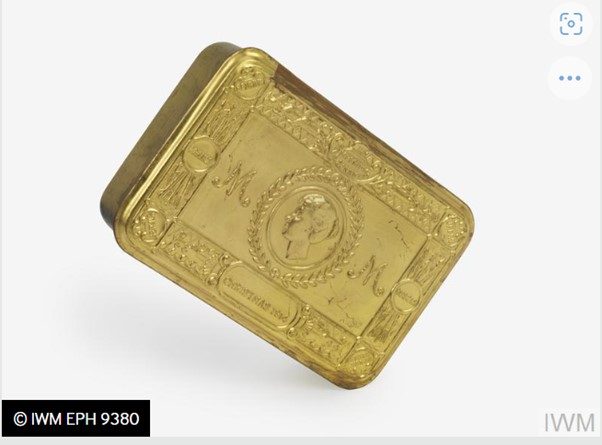
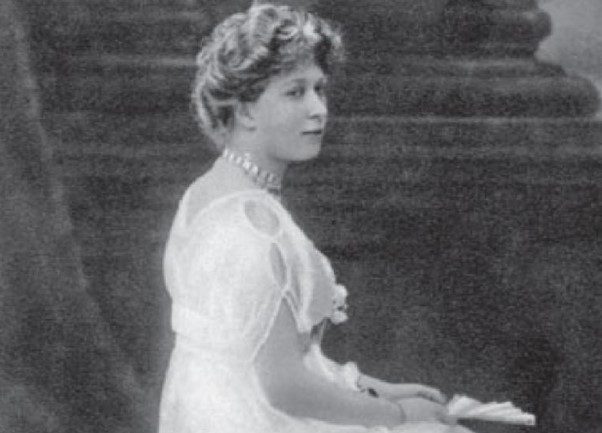
On Christmas Day 1914 400,000 Christmas boxes were distributed to serving frontline soldiers – this was a morale boosting fundraising campaign led by Princess Mary (the 17 year old daughter of George V). The Princess initially wanted to pay for a gift for each soldier from her own allowance but this was not deemed practical so a public appeal was launched. This is the appeal that Princess Mary wrote in early October 2014:
“I want you now to help me to send a Christmas present from the whole nation to every sailor afloat and every soldier at the front. I am sure that we should all be happier to feel that we had helped to send out little token and love and sympathy on Christmas morning, something that would be useful and of permanent value and the making of which may be the means of providing employment in trades adversely effected by the war. Could there be anything more likely to hearten them in their struggle than a present received straight from home on Christmas Day? Please will you help me?”
Letter from Princess Mary to the British Public
A very charming plea. The British public were told to send their donation to HRH Princess Mary, Buckingham Palace, S. W. and mark their envelopes ‘Sailors and Soldiers Christmas Fund’
The Times listed those that had already contributed in late October and the campaign was very popular and £162,591 and 12 shillings and 5 d was raised. In The Illustrated War News Princess Mary was described as the ‘royal Santa Claus’
What was in the box?
Christmas boxPrincess Mary
The boxes contained cigarettes, a card from Princess Mary and a picture of the King and Queen. And the committee even considered non-smokers and an alternative was box with acid tablets and a khaki writing case with a pencil and envelopes was provided. Nurses were were given chocolates instead and there were special boxes with spices or sweets created for Sikhs, Gurkhas and other regiments.
Now anyone who has been involved in organising sending out Christmas cards for donors knows how long it takes … and although 400,000 boxes were delivered that first Christmas many did not get them in time. Because of this delay the cards read wished them a Victorious New Year.
The success of the campaign and demand meant that it was extended from soldiers and sailors to all those in uniform as well as parents of the fallen and those who were prisoners of war had them saved until they returned home.
The fund closed in 1920 and over 2.6 million boxes were distributed. And there was still a surplus of funds which was donated to Queen Mary’s Maternity Hospital for wives and children of the RAF.
Going once, going twice …
It was not always leading the campaign as the asker that was important, sometimes just donating an item to an auction could be as beneficial. The London Library was threatened with bankruptcy after Westminster removed their exemption from the business rates – Winston Churchill wrote a letter to The Times about it – the Queen donated a book on Cellini from Queen Victoria’s library and the Queen Mother donated a silver wine cooler. Other literary figures also contributed including a bronze from Henry Moore, a Barbara Hepworth painting, T S Eliot’s personally transcribed ‘The Waste Land and manuscripts from Graham Greene and John Betjeman. The auction at Christie’s raised over £25,000 and the library was saved.
The methods used by royal patrons in their support of charities mirror the patterns and common fundraising techniques of the day.
https://marinajones.uk/wp-content/uploads/2023/05/Coronation-chairs.jpeg7631117adminhttps://marinajones.uk/wp-content/uploads/2022/12/f2b903e010104f5aa61ea1821a685913.pngadmin2023-05-05 16:53:112023-05-05 16:56:02Fundraising and royalty – a few historical royal fundraisers
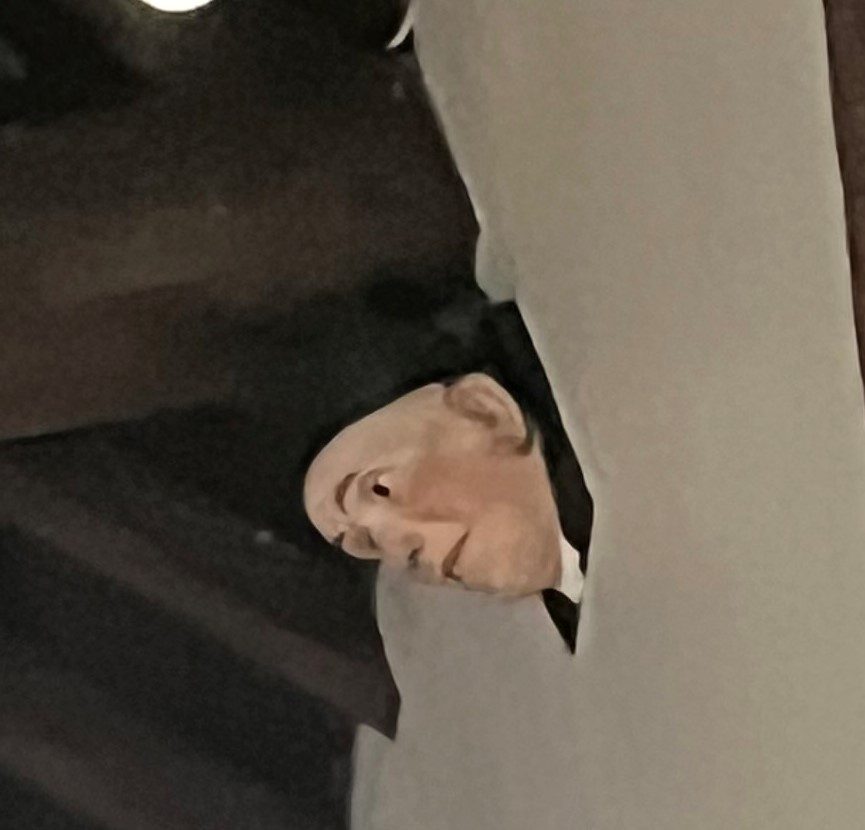
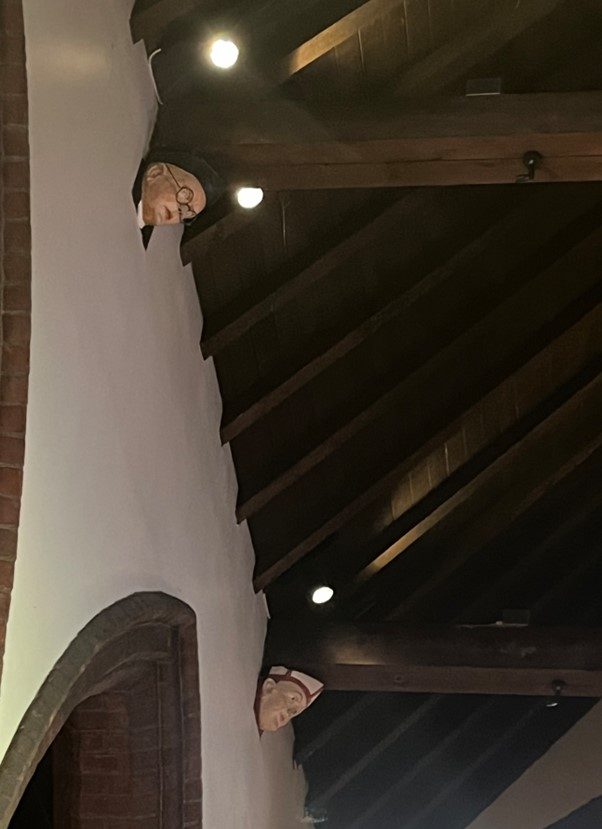
As you may know, I love a good bit of donor recognition and I may have found a new favourite – a boss with your donor’s face on – a very special way to credit that important supporter.
Bosses are usually seen in church and are protrusions of wood, stone, or metal – in churches they are often decorated with faces or stories (or astronauts at York Minister following the Blue Peter competition in the 80s). The bosses you can see below have been used to commemorate key donors and benefactors – a very personal thank you and suited to the setting.
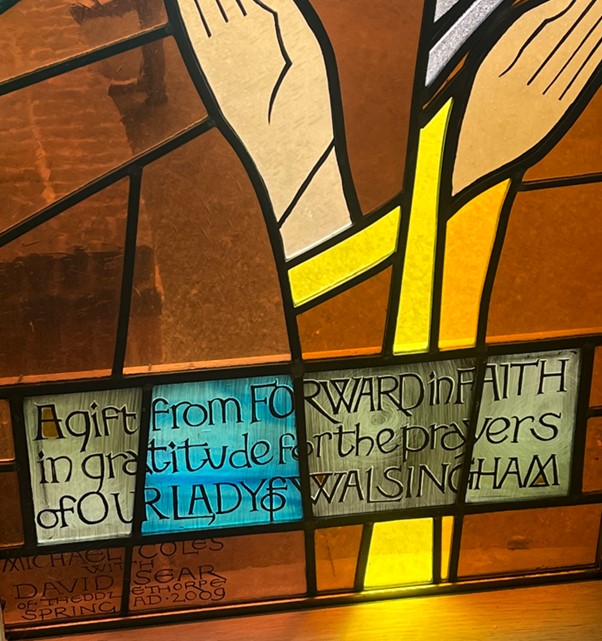
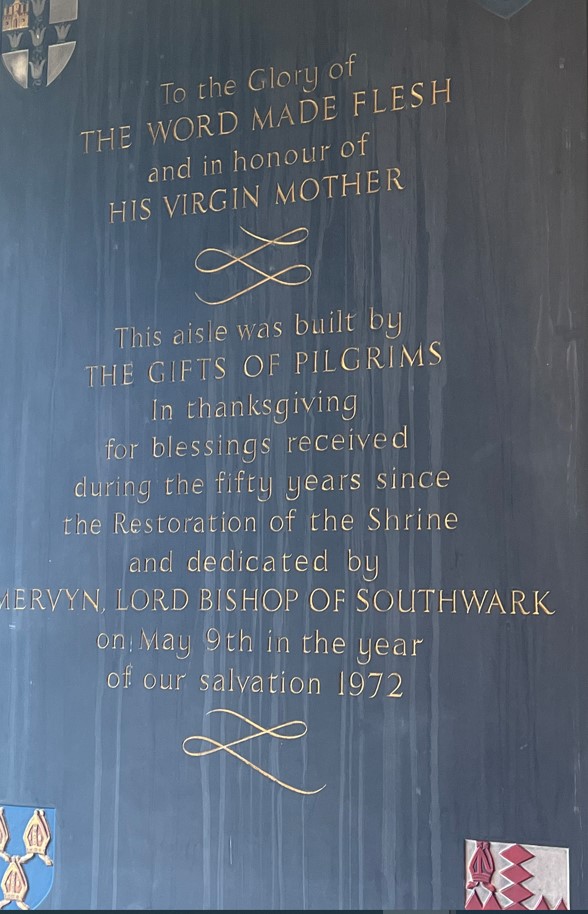
These are from the Shrine of Our Lady of Walsingham where we were recently on pilgrimage. The Shrine was founded in 1061 by a noble patron, Richeldis de Faverches, and philanthropy, patronage and fundraising have always played a part in its ability to deliver its mission (more about that in a future blog).
But this got me thinking (and in the week when the CAF 2022 Giving Report came out and religious organisations continue to get 17% of all UK donations and the highest average gift) about how churches as the innovators of many of ways that we acknowledge donors that we still see today. And a few that have fallen out of fashion…
Your face here …
The donors who made cathedrals or churches possible were often included in the fabric of the building as a way of acknowledging their gift.
In glass
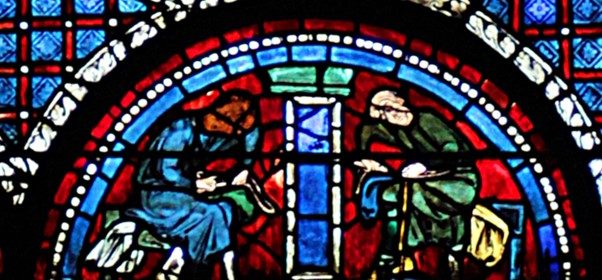
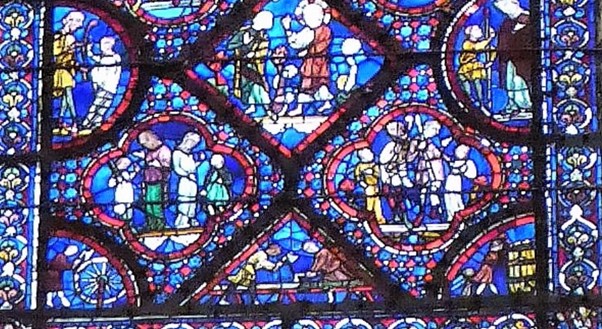
Glass was very expensive and the windows were frequently sponsored. Many of the local guilds supported a window and they are immortalised in the windows often with the tools of their trade. See below for close up of the carpenters, wheelwrights and coopers in the Life of Noah window (left) and the shoemakers who supported the Parable of the Good Samaritan (right) from Chartres cathedral in France (and common in many cathedrals and churches). They offer a personal and high profile social reinforcement of the charitable commitment.
Although, not all gifts were welcome … when Notre Dame was being built in the twelfth century there was a controversy when the local group of prostitutes wanted to pay for a window in honour of the Virgin Mary (not showing the guild they belonged to as was traditional!) The gift was turned down by the embarrassed bishop. (Thanks to Rhodri Davies for this example)
And it was not just glass, but frescos and painted into altars.
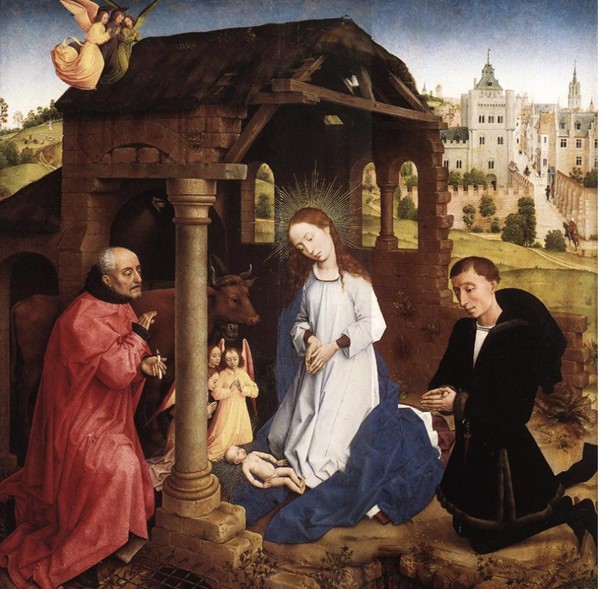
In the fourteenth and fifteenth centuries donors included themselves in paintings they commissioned on altar panels. It highlighted their contribution to the church and also their personal piety – but was very much a donor led decision about the credit! Many of these portraits came as part of generous bequests to ensure that their souls would be prayed for in perpetuity for a double motivation.
Below, Braque, the donor, is seen dressed in modern clothes and praying at the Nativity Scene. This is the central part of the triptych of an altar painted by Rogier van der Weyden in the fifteenth century.
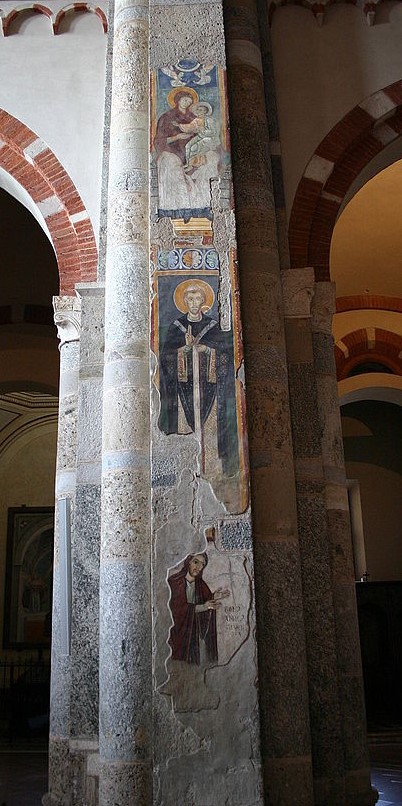
And a thirteenth century example of donor recognition with the donor painted into a fresco in Sant’Ambrogio in Milan alongside the Madonna and Child.
Future proof your credits – c15th style
What do you do if you have already had a donor portrait painted and you get married?
Or members of your confraternity die?
Simple – just add or remove them from the painting.
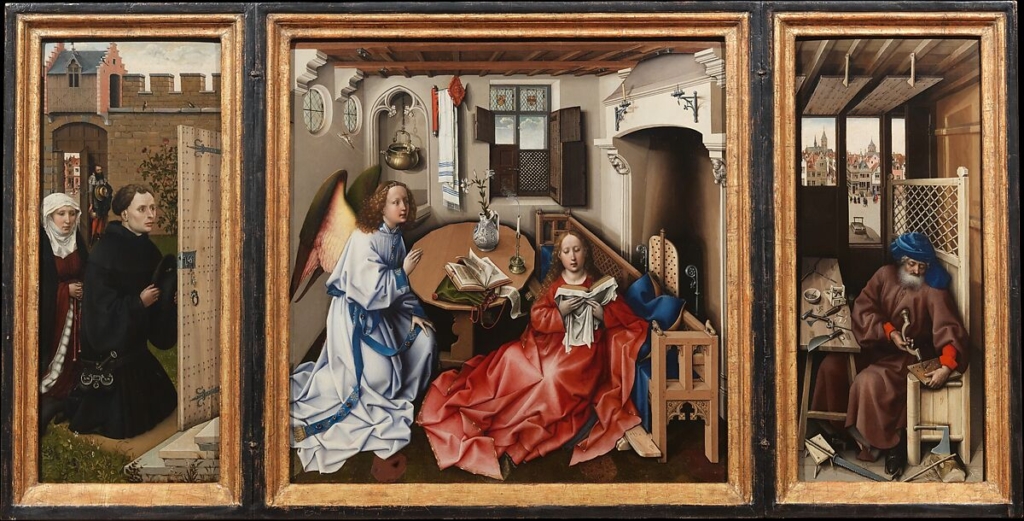
Which is what happened in this painting attributed to the Tournai workshop of Robert Campin. This painting was completed in 1425 and shows the donor Peter Engebrechts kneeling on the left. After his marriage his kneeling wife, Margarete Scrynmaker, was added in behind him and their coat of arms can be seen in the stained glass window in the central panel.
(When altar paintings were decommissioned and acquired as art the donors are frequently adapted into saints!)
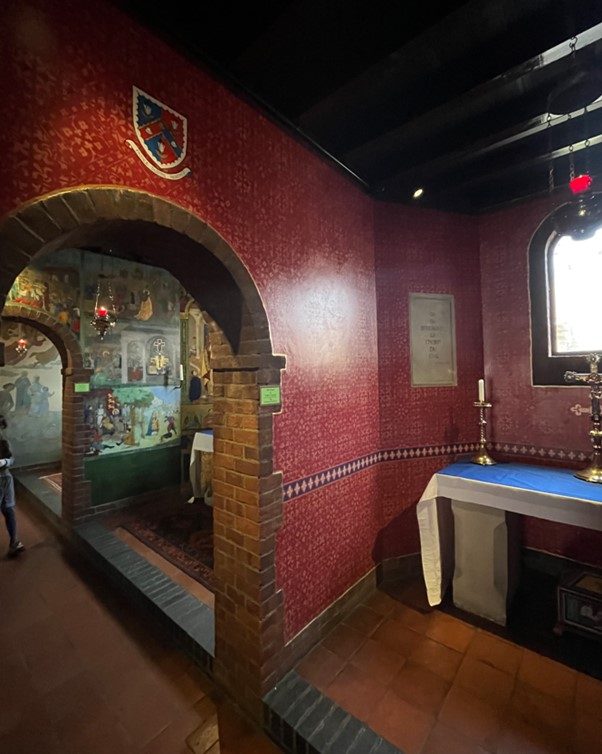
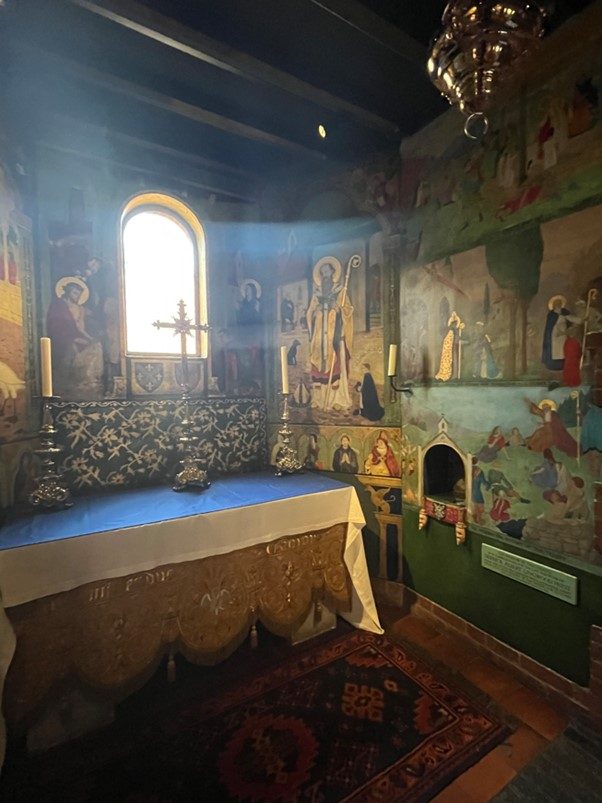
Using a coat of arms might seem like just a medieval practice but was used again during a recent chapel restoration at the Shrine of Our Lady of Walsingham – see the coat of arms on the wall.
And as a donor you could also include your dog
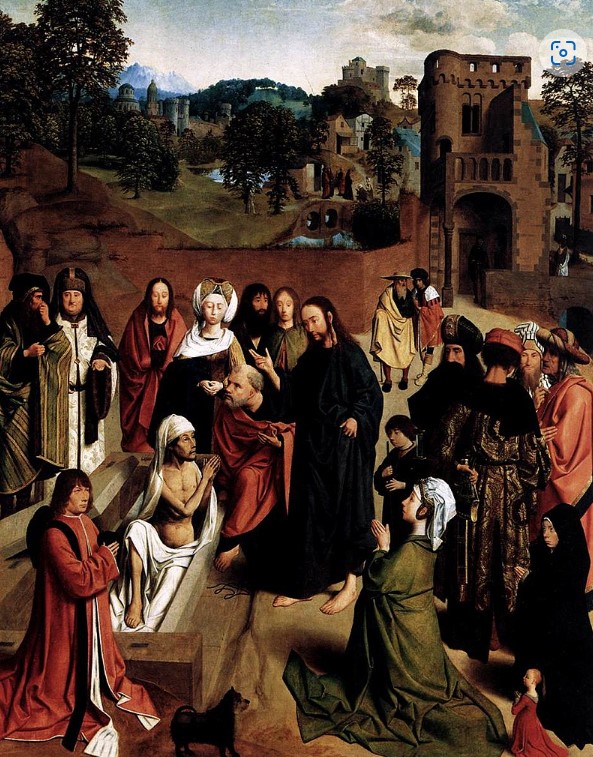
In this altar painting of the Raising of Lazarus the donor, his noble family and even his dog and commemorated and immortalised in this fifteenth century painting by the Dutch painter Geertgen tot Sint Jans .
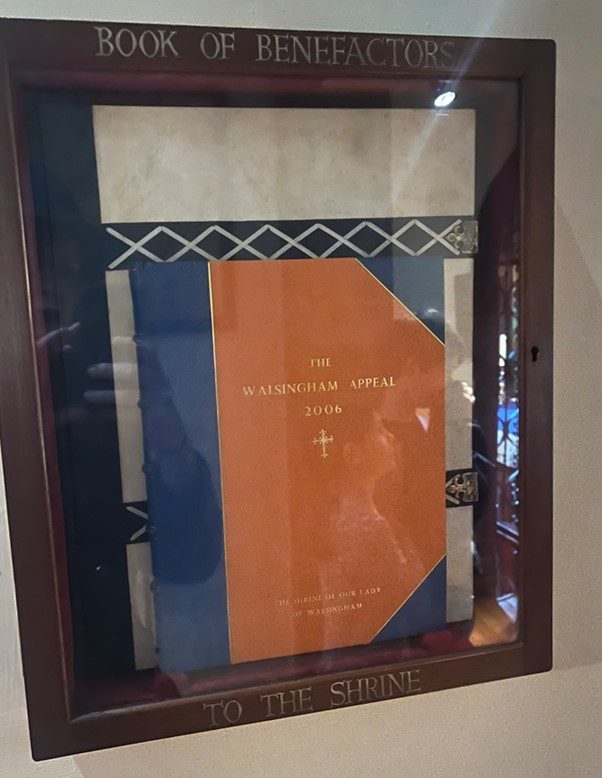
I explored the 1140 Benefactors Book from St Alban’s Abbey in an ‘I Wish I Thought of That’ talk and you can read more about the importance of donor recognition and why it works see this article I wrote for SOFII SOFII · Celebrating donor recognition through history and exploring why it works) and you can see the Walsingham Benefactors’ Book below.
And back to Walsingham and donor credits
A very brief history of Walsingham
Richeldis had a vision of the Virgin Mary who instructed her to build a replica of the Holy House (Mary’s house in Nazareth where she was told that she would give birth to Jesus – the Annunciation happened).
Following this vision Richeldis used her funds and influence to create the Holy House. Walsingham became a pilgrimage destination where prayers were answered and healing miracles occurred.
Visited by many kings including Edwards I, II and III and Henrys VI, VII and VIII (with two of the six wives). Wills from the time show legacy bequests being received to give thanks for prayers answered at the site.
Pilgrimages resumed in 1897 following the destruction of the monasteries and the creation of the Shrine was led by Fr Hope Patten who through noble patrons (land donated by Sir William Milner) and mass involvement of committed pilgrims raised the money to make it happen.
Double naming
One challenge that can occur in fundraising is that things are named in perpetuity so you can’t change them, or do not have the contact details of the donor’s next of kin to ask about future use. With many legacy gifts to church they come with the request that the soul of the deceased is prayed for in perpetuity so an added moral imperative to honour the donor’s request.
What do you do?
Leave it forever, or discreetly remove the plaque?
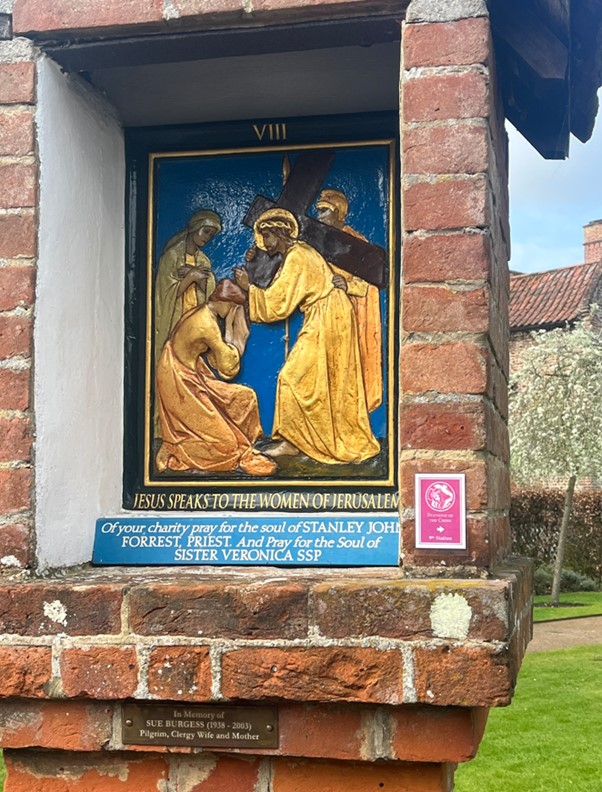
Why not name twice as has been done here on the outdoor stations of the cross… the original in blue and the brass plaque below acknowledging the support of the donor who helped with a more recent restoration.
Ticking off the list
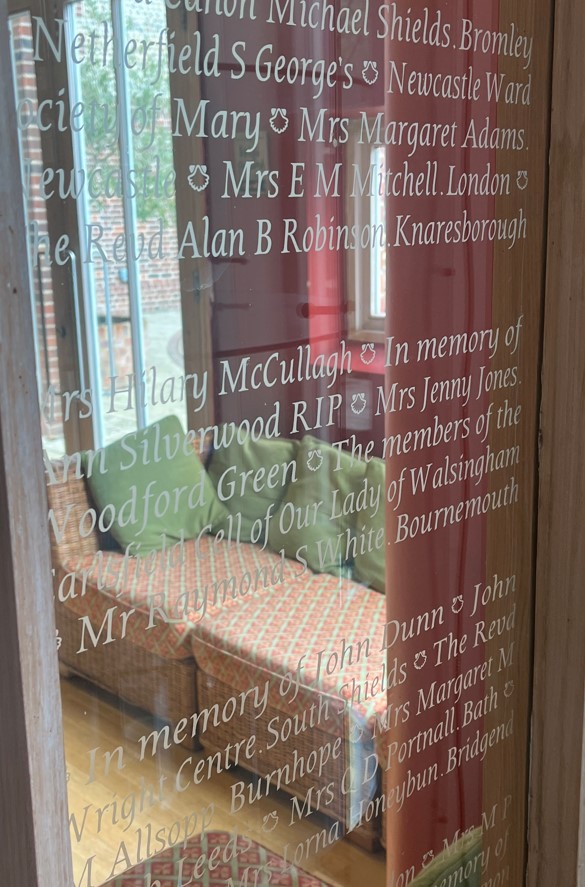
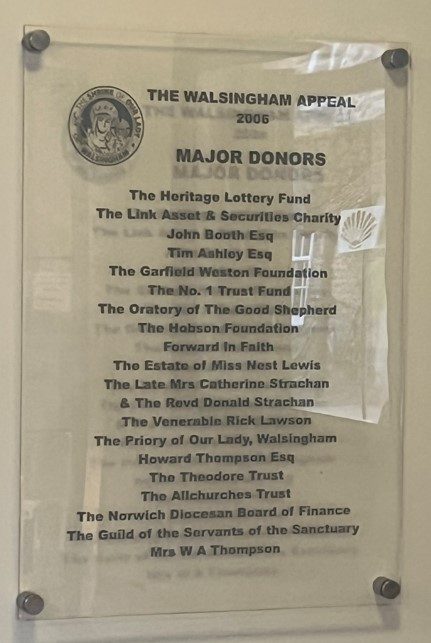
Walking through the grounds of the Shrine, you can play tick off all the usual suspects on your ‘donor recognition checklist’ and like the bosses, there are some unusual ways to solve some of the challenges that can face fundraisers trying to recognise multiple donors over decades.
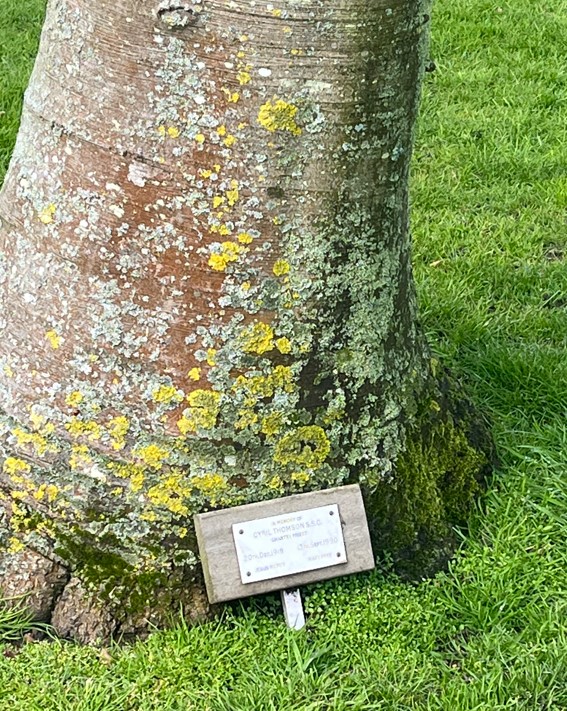
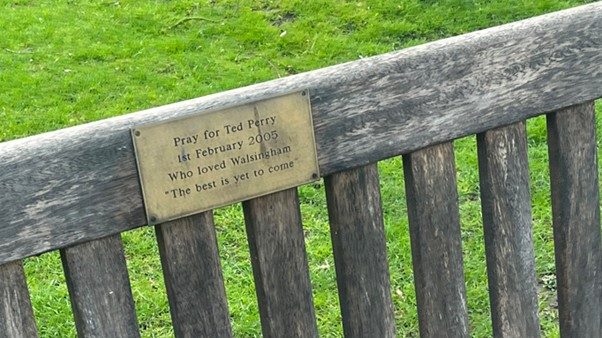
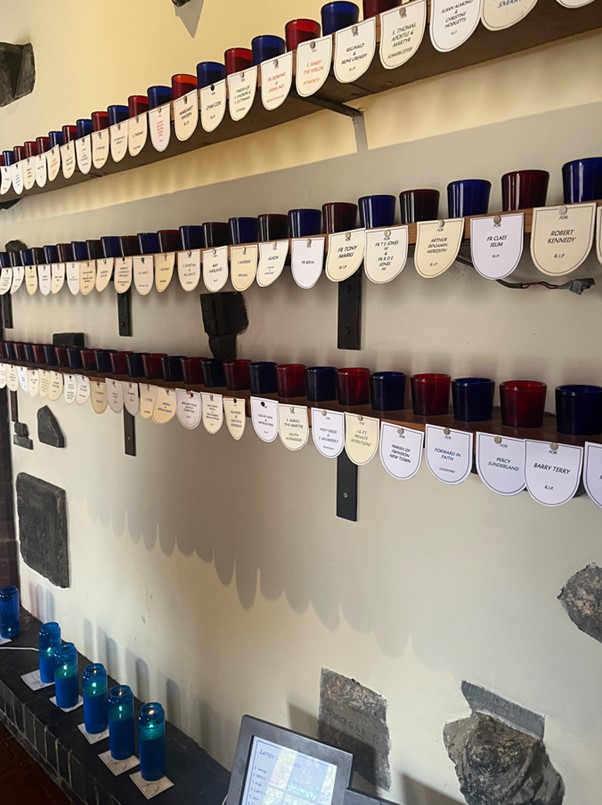
So …we have donor recognition on benches, trees, candles, stained glass windows, plaques (institutional and personal), rooms and a benefactors’ book (I think the only thing missing was a name a brick!)
Legacy
Walsingham like many charities is one that relies on legacy gifts and sometimes legacy gifts don’t just come with money but with items that are connected to the charity and that have deep meaning for the givers that they want to gift to the charity. Having accommodation for pilgrims means there is ample room to have these treasures on display.
Keep asking
And throughout there are ways to give now, give in your will and be connected to projects. Don’t forget to keep asking.
Donation boxes remain an important tool for fundraisers – read more about why they work or don’t in this previous blog.
Explore the past to inspire the future
Often when we look to the past in fundraising, we see that things have been done the same way for many centuries which can be reassuring that we are doing it right. But we can also find interesting examples that can inspire how we thank donors today. It doesn’t have to just be a wall with names on it – you can be fun, you can connect with your cause, your building and integrate their donor and their gift into the very fabric of what they are doing in creative and personal ways.
https://marinajones.uk/wp-content/uploads/2023/04/head.jpg830865adminhttps://marinajones.uk/wp-content/uploads/2022/12/f2b903e010104f5aa61ea1821a685913.pngadmin2023-04-21 16:26:582024-04-28 15:35:41A boss – my new favourite donor recognition
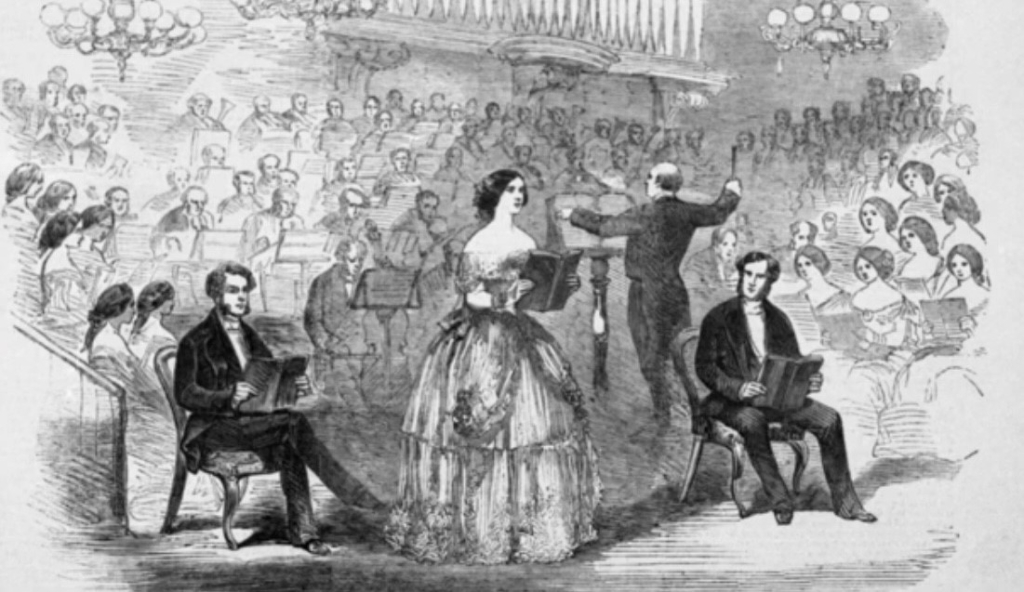
Since the massed choir sang Handel’s Hallelujah Chorus in 1749 to raise funds for the Foundling Hospital – fundraising concerts have been a popular tool in a fundraiser’s arsenal. They were common practice throughout the nineteenth century and were especially popular for female opera singers – often as tangible way to signal for their virtues (feminine and charitable) and build their brand.
Charity to rescue a reputation (part 1)
In the early nineteenth century, singer Angelica Catalini frequently gave charitable concerts for hospitals, in response to natural disasters and wars. However, her reputation was nearly ruined in 1809 when she refused to take part in a benefit concert for the Middlesex Hospital – instead offering a personal donation of £20 (The Times, 1809). This perceived lack of charity caused a sensation
“This gesture enraged the British public which saw the amount as paltry; in direct response to this animosity, Catalini staged several charity concerts in London and other cities”
Hilary Porris
Imagine a singer today being shamed into a fundraising concert!
Christian and feminine virtue
“charity had turned into a branch of fashion in the nineteenth century”
Frank Prochaska
Philanthropy and Christian charity were expected and desired virtues for women and for many allowed them influence and activities outside the home. For female opera singers, charity particularly helped to demonstrate their Christian character and feminine virtue (and remove suspicion of other stereotypes associated with actresses and performers). Basically, participating in fundraising charity concerts helped cement your brand.
Although the popular stereotype of an operatic diva was to be demanding and difficult (not much has changed there!) many of their own autobiographies include altruistic narratives about their charitable deeds. These narratives are somewhat stylised and uniform in their delivery which casts doubt on the veracity of the specific incidences described. Frequently they tell stories of how the soprano felt compelled to act charitably and make a significant anonymous donation following a chance encounter with a poor person in need of support (and often her singing and art is improved because of this charitable action). This altruistic trope shows an expectation that singers would be actively engaged in philanthropic acts.
Salaries of sopranos generated sensational press coverage as opera stars were tabloid fodder. In some cases a suspicion of fundraising concerts can be seen with accusations that the monies raised were not going where they ought to, or that the sums raised were exaggerated or too much spent on overheads and raising the funds (plus ca change!).
The philanthropic nightingale
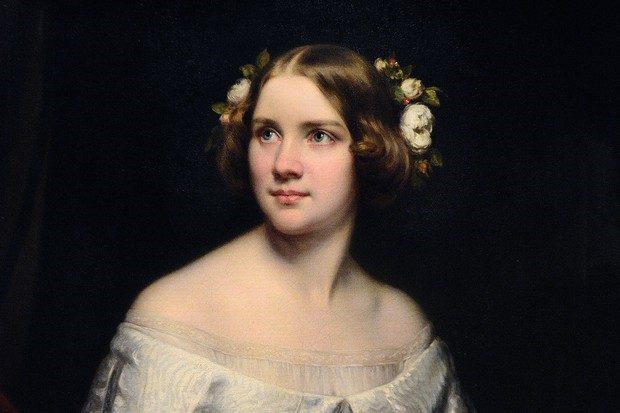
One of the most notorious singers and fundraisers was Swedish soprano – Jenny Lind – the Swedish Nightingale.
Jenny Lind used her talents and time to raise funds for causes that she cared about. Reportedly a quarter of her concerts were given to raise funds for charity. Porris dubs here the ‘patron saint of beneficent prima donnas’
PT Barnum (of The Greatest Showman fame – where Jenny also appears) said of her
“a visit from such a woman, who regards her artistic powers as a gift from Heaven for the amelioration of affliction and distress, and whose every thought and deed is philanthropy, I feel persuaded will prove a blessing to America”
Quoted in Rhodri Davies’ excellent book ‘What is philanthropy for?
One example of her fundraising and philanthropy can be seen in Norwich and the creation of the UK’s second children’s hospital.
Before the introduction of the NHS, local hospitals had to raise their own funds through subscriptions and events. The Norwich Hospital was the 17th established in England in 1772 (after first being proposed in 1758) and raised funds through subscriptions and fundraising sermons at the cathedral as was common at the time.
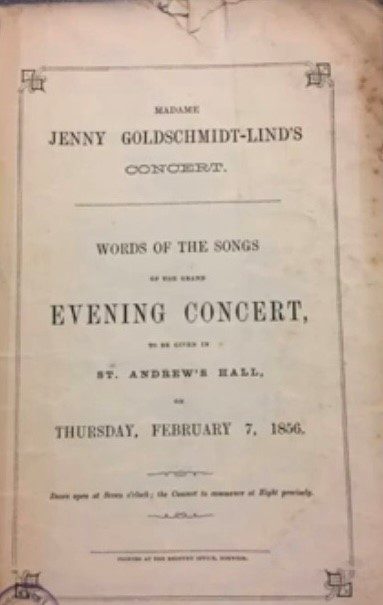
As part of her world tour, Jenny Lind visited Norwich in 1847 for two sell out concerts. She stayed with the Bishop of Norwich at the cathedral. She was performing at St Andrew Hall and added a third concert especially so that the poor of the city could attend. She developed a strong relationship with the Bishop’s family and Katherine, the bishop’s wife, became godmother to Jenny Lind’s daughter.
In 1849, Jenny Lind returned to the city and raised £1,253 for the poor of the city with a concert. But this was raised with no specific purpose in mind, and the city had to decide what to do with it.
One suggestion, from Jenny Lind herself, was to stand in the marketplace and throw the money to the poor. Certainly a novel way to distribute charity!
However, whilst they were deciding what the funds should do Great Ormond Street Hospital was founded in 1852, and the idea of a children’s hospital in Norwich was mooted. In 1853 this was unanimously endorsed at a public meeting. The funds that the Jenny Lind concert had raised were used to purchase the two houses that would form the hospital.
The hospital was named after Jenny Lind becoming the Jenny Lind Children’s Hospital. (There is no record I have seen on whether she insisted on naming rights, it was in recognition of her support or celebrity link). In 1854 the hospital opened, and in the first year saw 275 outpatients and 51 in patients. Jenny continued to return to Norwich to sing at fundraising concerts for ‘The Jenny’ as the hospital became known locally.
Jenny said of the project
“Of all the money which God allowed me to give away when my poor throat could call an audience to listen to it’s production. None has borne a more nobler fruit than the Jenny Lind Hospital of Norwich.”
However, the fundraising concerts were not enough to fund the ongoing upkeep of the hospital and subscriptions were regularly sought. For example, Norwich High School paid an annual subscription of £30 to fund a cot at the hospital.
Jenny Lind is famous for both her voice but also the number of concerts (estimated at a quarter of her concerts were for charity) she gave where the funds were raised to support charities she cared about.
Charity to the rescue of reputation (part two)
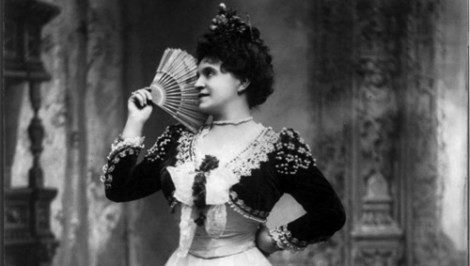
In 1906 Marcella Sembrich prima donna did a fundraising concert in New York to raise funds for the musicians of the Metropolitan Opera Company who had lost their instruments in the San Francisco earthquake.
This was to repair her reputation. When the quake struck, according to her own reports, she went back to hotel room three times despite the danger to get something suitable to wear and the final time rescue her jewels. The fundraising concert was clearly an attempt to improve the optics of the situation and restore her reputation – however the newspapers clearly had cottoned on to this and did not give it enough praise. Subsequently an anonymous letter appeared in the paper and chastised them for their lukewarm response to her concerts saying:
“It has surprised me in reading the account of Mme Sembrich’s concert to-day in your paper to find no expression of appreciation of the really heroic feat she performed in thus grandly ministering to the suffering members of the Metropolitan orchestra and chorus. By no means recovered from the shock of her horrible experience in San Francisco she took no pains to spare her own health (in other words her voice, the most precious of her possessions) but worked with unstinted seal and whole hearted, unself-conscious generosity to bring relief through straining means to unfortunate musicians”
Although this might have been a face saving and reputation mending exercise, Sembrich’s extensive archive contains details her deep involvement in charity. It is full of thank you letters and letters of appreciation from wealthy and influential people so philanthropy and her charitable work was clearly important to her.
And today…
The pull of celebrity messengers for campaigns continues. Although no longer championed universally as a Christian or feminine virtue there remains an expectation of engagement in philanthropy for any celebrity – of using your time and singing talent for the wider good. Today opera singers are involved in supporting charities they care about – and like Catalini, Lind and Sembrich using their talents and time to perform for charities they care about, and/or at opera houses fundraising events.
Hilary Poriss ‘Prima Donnas and the Performance of Altriusm’ in Cowgill and Poriss (eds) The Art of the Prima Donna
Alexandra Wilson ‘Opera in the Jazz Age’
Rhodri Davies ‘What is philanthropy for?’
https://marinajones.uk/wp-content/uploads/2023/03/Catalini.jpg626575adminhttps://marinajones.uk/wp-content/uploads/2022/12/f2b903e010104f5aa61ea1821a685913.pngadmin2023-03-30 08:19:122023-03-30 08:29:51Saving your reputation by singing & charity …
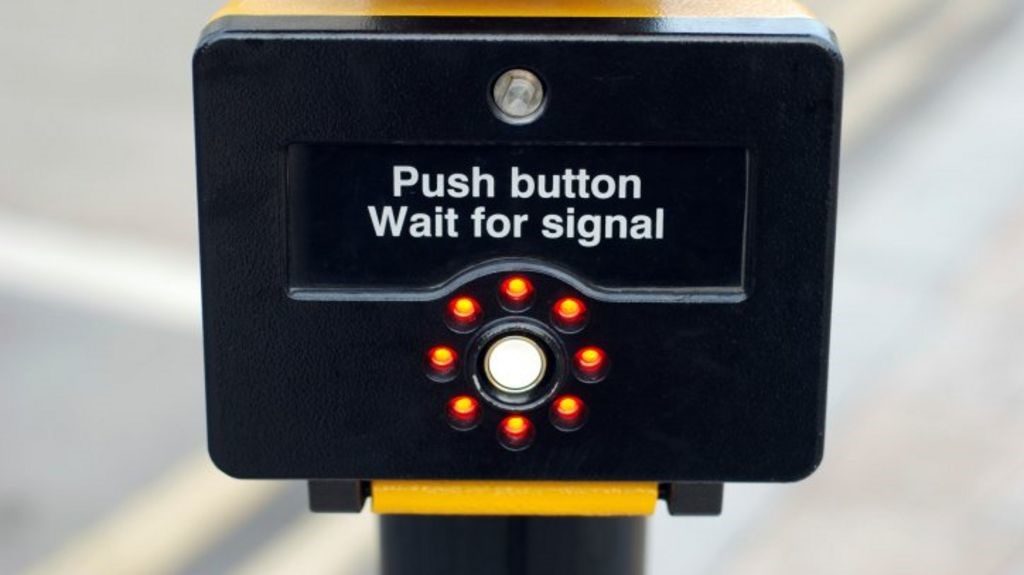
Pressed the button on the traffic lights (again and again) to get the lights to change?
Rubbed a dock leaf on a stinging nettle sting?
Bought a more expensive branded pain killer because it is ‘more effective’?
Pressed control ‘S’ – to save the document on the computer (when autosave is enabled)?
What do these all have in common?
They are all forms of placebos.
(And yes, really, pressing the button for the traffic lights doesn’t work.)
90% of traffic lights are automatic and pressing the button has no impact.
The active ingredient in painkillers is the same whether you pay 59p or £3.99 – it is the same formulation.
Dock leaves may not have any impact on stings.
But pressing the buttons (also known as placebo or idiot buttons), gives us the illusion of control.
And as humans, we want control.
Think about the little car icon on Uber – we like to know where and how far away the car is – knowing this gives us a feeling of control. We cannot make it arrive faster but feel soothed by the knowledge.
Placebos give us that illusion of control.
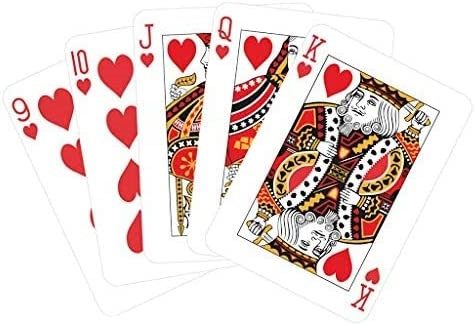
‘The Illusion of Control’ is a theory formulated by Harvard’s Ellen Langer in the 1970s. She discovered it when dealing poker cards out of order (so not sequential around the table but at random – people still had the same number of random cards but not dealt around the circle in the ‘normal’ way.) People objected “The cards somehow belonged to the other person, even though you couldn’t see them.”
Having control reassures us that our actions have consequences – that we have power to effect change.
“taking some action leads people to feel a sense of control over a situation and that feels good, rather than just being a passive bystander.”
Ellen Langer
Placebos reinforce in our brains that our actions have positive consequences. ‘I pressed the button and so the lights changed’ – a tiny amount of reward neurons are triggered in the brain. Your brain associates the pushing of the button with the little green man appearing. You have the power – you are in control.
Even when we know that something is a placebo – it still works. When patients are told they are taking a placebo pill their brains still triggers pain relieving neurons (as can be seen in an FMRI scanner) and the pain is not felt as strongly.
We believe it works. And so it does.
As Daniel Kahmenan says “you will believe the story you make up.”
“The placebo effect is more than positive thinking – believing a treatment or procedure will work. Its about creating a stronger connection between the brain and the body working together”
Professor Ted Kaptchuk
Importance of self-placebos
Placebos are not just medical – they are also personal. Placebos are an internal way that we prime ourselves – give ourselves subconscious clues about behaviours or reactions that we want or expect.
Does the smell of coffee makes you feel more awake?
Does first sip of a cocktail might make you feel tipsy before the alcohol hits your blood stream?
Before an important presentation or pitch, have you ever
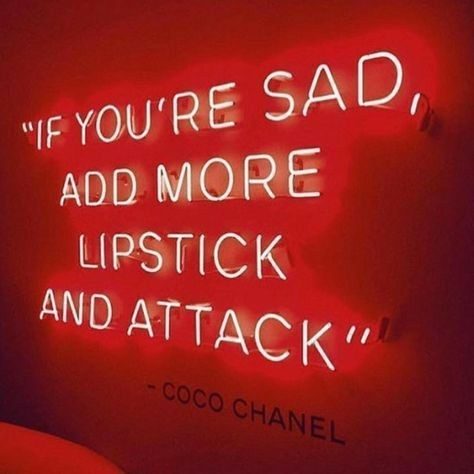
Put on the fancy (red) lipstick
Worn high heels for a Zoom call where no can see your feet
Even if you know that the shirt or tie has no quantifiable influence on the outcome of the meeting – the ‘I feel smart’ or ‘last time I wore this shirt, this good thing happened’ becomes subconsciously primed in our heads.
The rituals that we engage in reinforce the neural pathways and make it a desired behaviour to repeat. Inside our brains a complex neurobiological reaction is taking place – neurons are firing and releasing the happy chemicals – dopamine and endorphins are triggered. These reactions make us feel better & reinforce that sense of control.
Finding our own self placebos – from what we wear, what we do – can be really beneficial.
We develop and reinforce in ourselves these internal anchors.
“The attention and emotional support you give yourself is often not something you can easily measure, but it can help you feel more confident in the world,”
Ted Kaptchuk
Fake it ‘til you make it
You can make yourself feel better (more confident/cute, ready for the meeting) by using your placebos – by putting on those heels, the lipstick or the jacket with the fancy lining.
So find your placebos – and use them to kick start the reaction you want.
Give yourself a placebo today.
https://marinajones.uk/wp-content/uploads/2023/03/Coco-lipstick-quote-1.jpeg474474adminhttps://marinajones.uk/wp-content/uploads/2022/12/f2b903e010104f5aa61ea1821a685913.pngadmin2023-03-22 19:01:492025-09-17 21:27:30Power of a good lipstick
At the start of the World War One, only 40% of UK food was home grown with Britain relying on imports from America and Europe. In November 1914, contributor to Poultry World Frederick Carl proposed a scheme to send 20,000 fresh eggs to the front to boost morale. This was the start of an international movement that saw 32 million eggs donated – an altruistic act and fundraising campaign with some interesting lessons for fundraisers today.
“There is no more valuable nutrient of recuperative food than a fresh egg’
The War Office
In 1915 villages across England had set up their own Egg Collection Depots and were recording the weekly tally of donated eggs. On 20th January 1915 an article headed ‘New laid eggs for wounded soldiers; who will help?’ in the Chichester Observer and West Sussex Recorder launched the local scheme. It announced the opening of the Chichester Egg Collection Depot and that Mrs Close, the coordinator ‘hopes to find someone from each village to undertake to collect the eggs and convey them’ to Chichester.
By January 1918 over 41 million eggs had been collected for soldiers and sailors, with 32 million being sent to Europe to hospitals . Poultry World even suggested that chickens should all be on active service.
So what can fundraisers & campaigners learn from this egg movement ?
Giving agency and power to those that want to help
At times of crisis people want to be doing something to help. They want to do something that feels relevant and useful to what is happening.
In WW1, donating eggs was a practical way to help – the eggs were being sent to soldiers, sailors and those recovering from injury.
The egg campaign really fits into the sweet spot in the centre of this ven diagram from Bluefrog and Mark Phillips about what and why donors want to support. The eggs solve a problem together.
When crisis strikes how can our calls to action empower people to connect with our cause and feel that they are making a difference and solving the problem.
Support in your own way
People could donate eggs but could also donate money – people were asked to spare one egg a week or one penny. (At the end of the war over £5,000 was left in the funds). People want agency and choice about what they are doing to help.
Power of celebrity (and royal) patron
We react strongly to who asks us to help – who the messenger is. We are more likely to respond to someone we respect and trust – and a royal patron – as a symbol of the nation during war – was the perfect messenger for this campaign.
In 1915, the National Egg Collection acquired a Royal Patron, Queen Alexandra, wife of George V, and the number of donated eggs jumped up to over 1m.
Letters of appreciation were also published from Lloyd George and Field Marshall Hague expressing gratitude for the eggs. The messenger also really matters for the thank you.
Which messengers are you using in your campaigns to ask for support? Are they likeable and relatable? Do they have celebrity pulling power, or are they authentically linked to the cause? Who are the messengers for the ask? But also who ought to send the thank you message?
Social power of giving
As herd animals we like to do what other people are doing, and know what is the normal expected of us (in a fMRI scanner social rejection is seen to be just as painful as physical pain – so staying with the group is best).
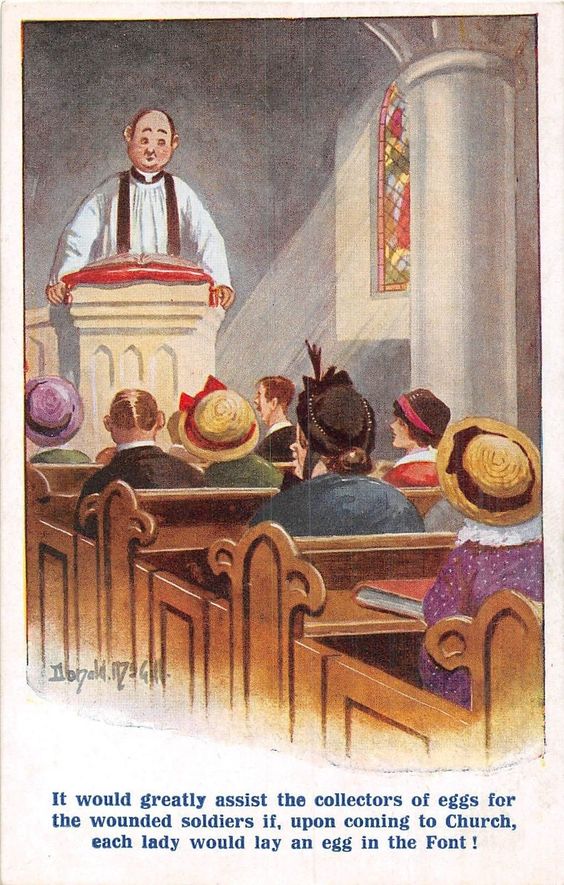
There were egg services at church where everyone was encouraged to bring their egg donation. This uses the power of social norming – if everyone is turning up to church with an egg you will look unchristian, uncharitable or unpatriotic if you are not making your contribution. This poster highlights the campaign
What can you do to promote the social aspect of giving? Or show that other people, like them, are also giving in this way?
Targeted campaigns
As well as posters for churches, there were also poster campaigns targeted at children and engaging them as altruistic givers – and creating a social norm and peer pressure to donate.
How can the same target different segments of your potential donor base?
Personalisation& connection
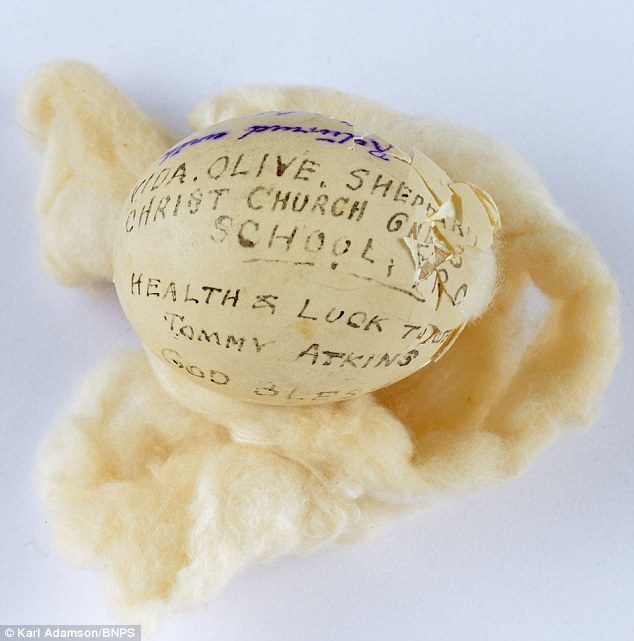
Egg donors were encouraged to write messages on their eggs to the soldiers that they were sending them to. These became known as ‘eggograms’ – and sometimes got replies.
In 1915, 13 year old Vida Sheppard in Somerset sent an egg with the message
“Health and luck to dear Tommy God bless him”.
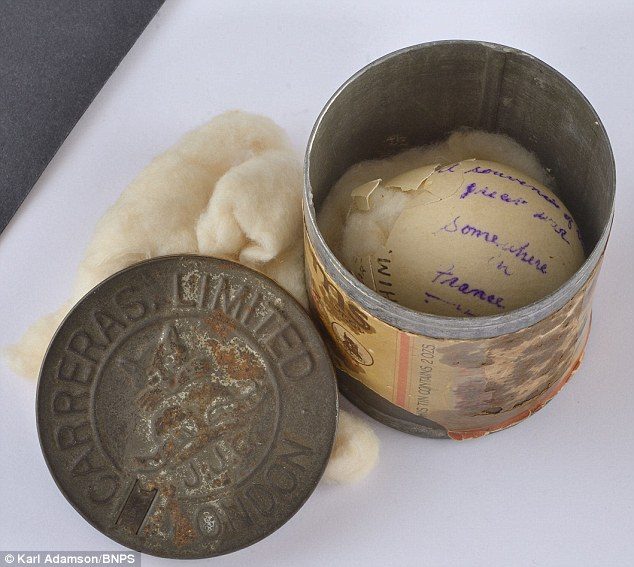
Private Devall, Royal Army Medical Corps received the egg, ate it and then returned the egg with a letter saying he had sent the egg back as a ‘souvenir of this terrible war’ but had ‘enjoyed very much’ eating the egg and ‘I must conclude thanking you for your kind wishes and please accept the same from me in return.’
Vida kept the egg was for the rest of her life.
After being hospitalised in a gas attack, Private McMillan (9th Argyll and Sutherland Highlanders at the Australian Base Hospital in France) received an egg from Nora Freeman, a pupil at Englefield Green Schools. He wrote back to Nora to say:
“You people in your comfortable homes have not the remotest idea what the eggs mean to us out here, to say nothing of the pleasure they give. A chap’s been out in the trenches for a year, eighteen months, perhaps 2 years; he’s never seen an egg! He wakes up one morning and finds himself in a clean and comfortable hospital bed. Someone comes along with one of your fine newly laid eggs. I should just like your girls to see the delight on that fellow’s face.”
Hatfield Parish Magazine, 1914-18 British Journal of Nursing
And another wrote
In the battle of … I had the misfortune to be shot through the head; I was taken to hospital, and after being made comfortable in bed my first meal consisted of an egg bearing your address, and as I come from Wootton Bassett I thought I must write and thank you for it. I wish you could see the joy on the poor fellows’ faces when they get the eggs; it would fully repay you for all your trouble. Again thanking you, Yours truly, T. Tucker.
Adding a ‘tell us why you made this donation today’ text box to a donor journey increased donations by 30% when I added it to a campaign – people want to share their reasons for giving with you. It makes them more connected and gives you great insight into their why (and why at this time, and why this campaign).
Create a sense of urgency – there were also ‘autograph a egg weeks’ driving donations up.
How can we build a real connection between donors and recipients?
Showing donors that the donation has been received and has had a positive impact in the lives of those that need is important and builds connection, trust and encourages an ongoing philanthropic relationship.
Donor recognition
Recognising the support of those you have helped is really important to campaigners and fundraisers.
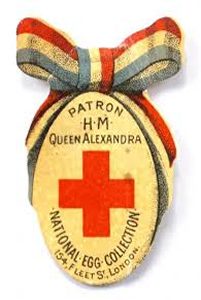
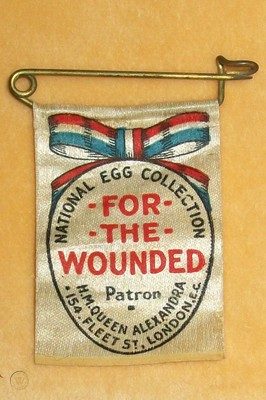
For the National Egg Council there were flag days where people could buy small flags (like pin badges) or ribbons to wear and show their support. The importance of a visual way to show support of a campaign is a useful one. We still have badges, stickers, bracelets or poppies and social media banners now to show support of campaigns.
But how can you recognise and thank millions of people who have donated over 32 million eggs?
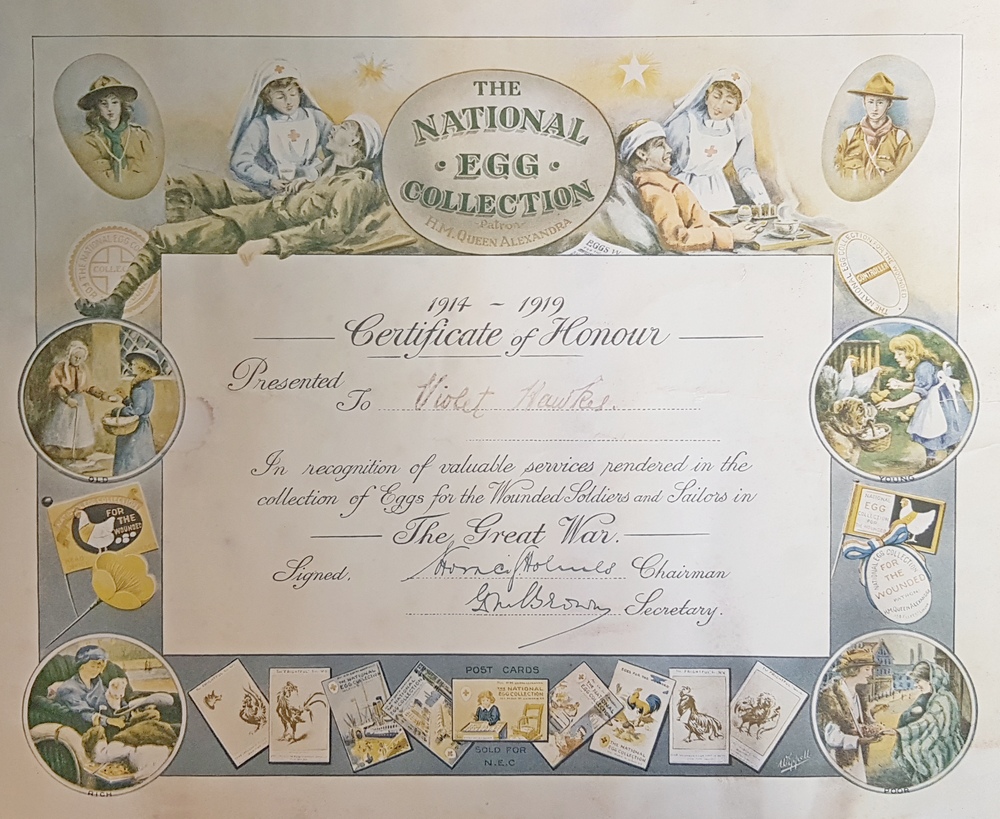
In order to make those who altruistically and patriotically were part of a campaign feel valued and connected, The National Egg Council found a solution. They printed Certificates of Honour recognising the “valuable services rendered in the collection of eggs for the wounded soldiers and sailors in the Great War”
The newspapers also reprinted the letter of thanks and appreciation from Field Marshall Hague specifically ‘reproduced in facsimile upon paper suitable for framing’ so everyone could have their ‘cut out and keep’ thank you letter.
Donors don’t need fancy and expensive recognition – they want to feel appreciated and connected to the cause and valued for their contribution. How are your thank yous and recognition programme building that sense of connectedness and community?
Activate supporter’s identity
The national egg campaign used emotive and patriotic language evoking their patriotic duty to help.
‘Do your duty by the wounded men. You cannot eat eggs and feel that the wounded are going without.’
There is no substitute for eggs in maintaining a man’s vitality, hastening his convalescence or even in preserving life.’
This patriotic and emotive language might not resonate as strongly today, but we can activate our supporters’ identity – as a parent, as a campaigner for justice, as a lover of the arts. Or we can look at activating their national, regional or even more local identity – as can be seen by the competitive element also introduced in the campaign…
Competition
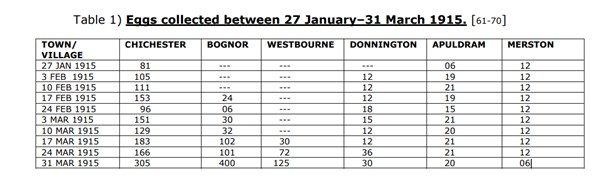
A certain amount of inter-village rivalry can be seen in the publishing of number of donations of eggs by villages in local papers. People want to be seen to do good (and perhaps more good than their neighbours). A letter from a Mr W E Humley in the Chichester Observer publicly shamed the people of Bognor for not donating as many the people of Chichester. The letter clearly had an effect and the Bognor egg donations went up – and a friendly rivalry sprang up between the Chichester, Westbourne and Bognor communities to be seen as the most generous.
Humans are competitive – how you can harness that competitiveness for good in a campaign?
If it works once, it can work again
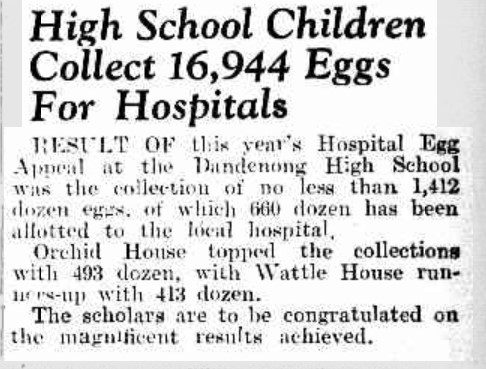
The egg collection scheme was repeated in World War Two with High School Students collecting eggs in Australia. If a campaign is successful you can always repeat it (but learn from it too – and don’t just keep doing it forever – do it because it is needed and works)
So when planning your campaign, think about
How can your donors solve a problem that you both care about
The messengers for your campaign
The social norms you want to create
How do you trigger important identities to your donor?
How people can show their loyalty (badges, ribbons, bracelets)?
Can you use competition to encourage donations?
How will you make it personal to the donor – how can they share their why and their story
Letting the donor know that the gift has been received and see the impact it has made
https://marinajones.uk/wp-content/uploads/2023/03/header.jpg175602adminhttps://marinajones.uk/wp-content/uploads/2022/12/f2b903e010104f5aa61ea1821a685913.pngadmin2023-03-16 08:31:302026-11-08 17:43:27How do you say thank you for 32 million eggs?
Thinking about fundraising history, and the decision science behind why donation boxes work (or don’t) I wanted to explore a few historical examples and trends.
Many of the donation boxes that you may remember are quirkier ones, or ones that are salient with the charity they are trying to raise funds for.
What’s the earliest donation box?
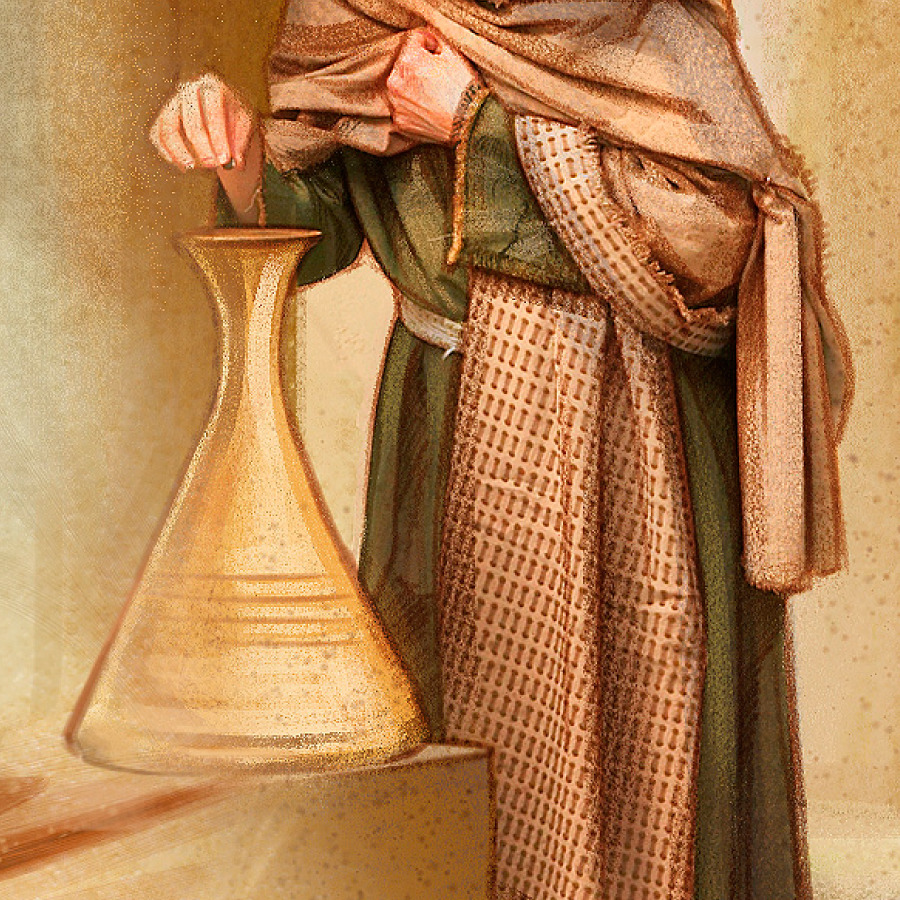
The earliest donation boxes I am aware of are the ones in The Temple in Jerusalem (referenced in the Mishnah) – doubtless there were many examples before this. We can say with some certainty that these were in place at the time of Jesus, about 30AD, and plausibly a considerable time before that. Technically known as the glazophylakion there were thirteen different donation boxes.
Nine were specifically for what was owed in tax; the remaining four were for voluntary donations with specific objects carefully marked on them. So donation box three was for a burnt and sin offerings, and eight was for incense. Nine, ten, eleven and thirteen, were for voluntary donations for things such as cleansing lepers and other charitable good works.
As well as the earliest example of a donation box – it is also a really early example of giving the donor agency and choice about where their gift went. This was not ‘a drop in the ocean’ coin for general funds – no – there were thirteen different donation receptacles – you had obligations to meet – but you could also choose whether you were funding lepers or other good works.
This choice, or gamification, is still used today as can be seen in the Design Museum. You could choose which aspects of their work you donate to (this can also be seen in UK supermarket Waitrose where customers got a green coin token to vote on which local charity to support). Donors want to have choice and agency over what they support.
So even thousands of years ago – we knew donors wanted to support specific aspects of the work rather than just put money in the general pot.
Salience
The Temple donation boxes were not the hole in the wall donation boxes that you might traditionally think of in church fundraising (do go down this rabbit hole of church donation boxes Donations (@churchdonationsbox) • Instagram photos and videos) – but were salient to the setting. They were shaped like trumpets – wide at the top and narrowing to the bottom. Now this had a practical function of driving the coins down to the bottom but also made them stand out visually. There are numerous Biblical references to trumpets but none that could be definitely shown to say why they were shaped this way.
The Widow’s mite and feedback loops
When we drop a coin into a donation box we get the instant feedback of the sound that the coin makes. We can hear it (other people can hear it). Putting a note into the donation box just doesn’t have the same aural power. When we hear the noise, we are reassured that the gift has been received BUT also get the dopamine (happy brain chemical) hit of hearing we have done good – rewarding us for making the donation. (The beep or vibration of a digital gift has the same impact).
There are various examples in the Bible that talk about donations to The Temple.
The widow’s mite is one particularly famous one – a poor widow gives two small coins to the collection box and it is all she has. You can imagine this would barely make a sound as it is dropped into the trumpet donation box.
In contrast, you have the hypocrites – Jesus criticises them for trumpeting their donations and being ostentatious about their giving – you could imagine the sound a handful of coins thrown into the donation trumpet with force would make clanging about and emphasising the size of the gift. The use of the word trumpeting is interesting here. The hypocrites want everyone to hear that they have made a big gift.
Fun ones
The ones that attract attention are often interactive in some way and involve watching the coin roll down to the bottom – an unpredictable outcome (gamification again) and encouraging the pester power of children to repeat.
These games can encourage repeat donations.
Here is a simple way to nudge bigger gifts – at this National Trust property they added a sticker that shows a £ coin and primes a default (bigger) donation – nudging away from a few coppers.
Primal power – the eyes have it
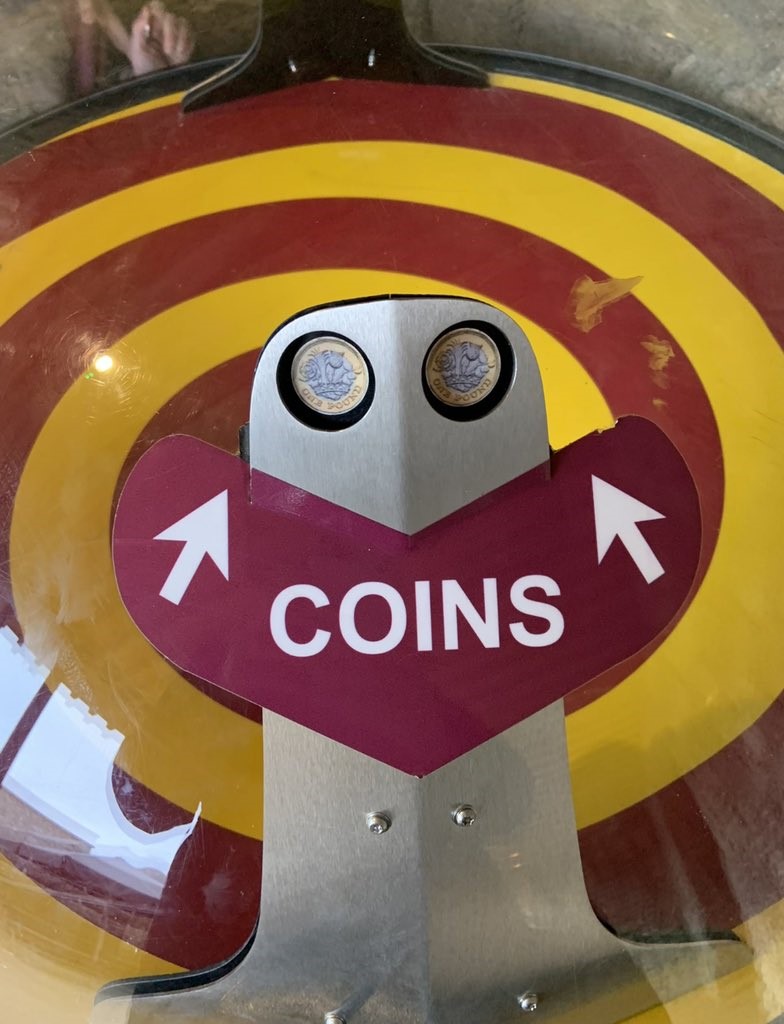
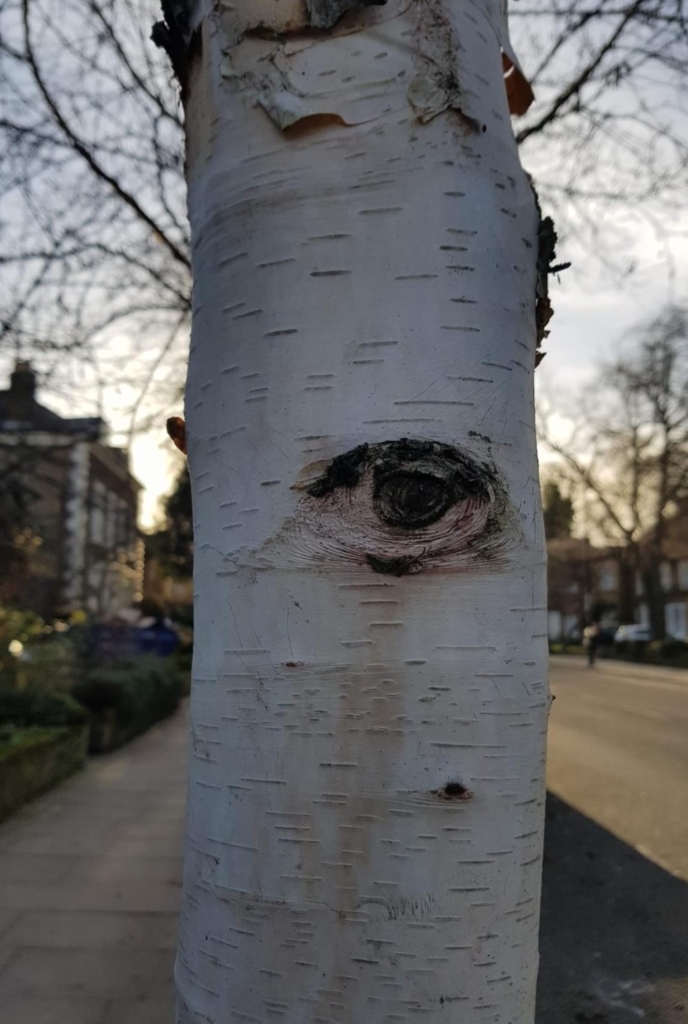
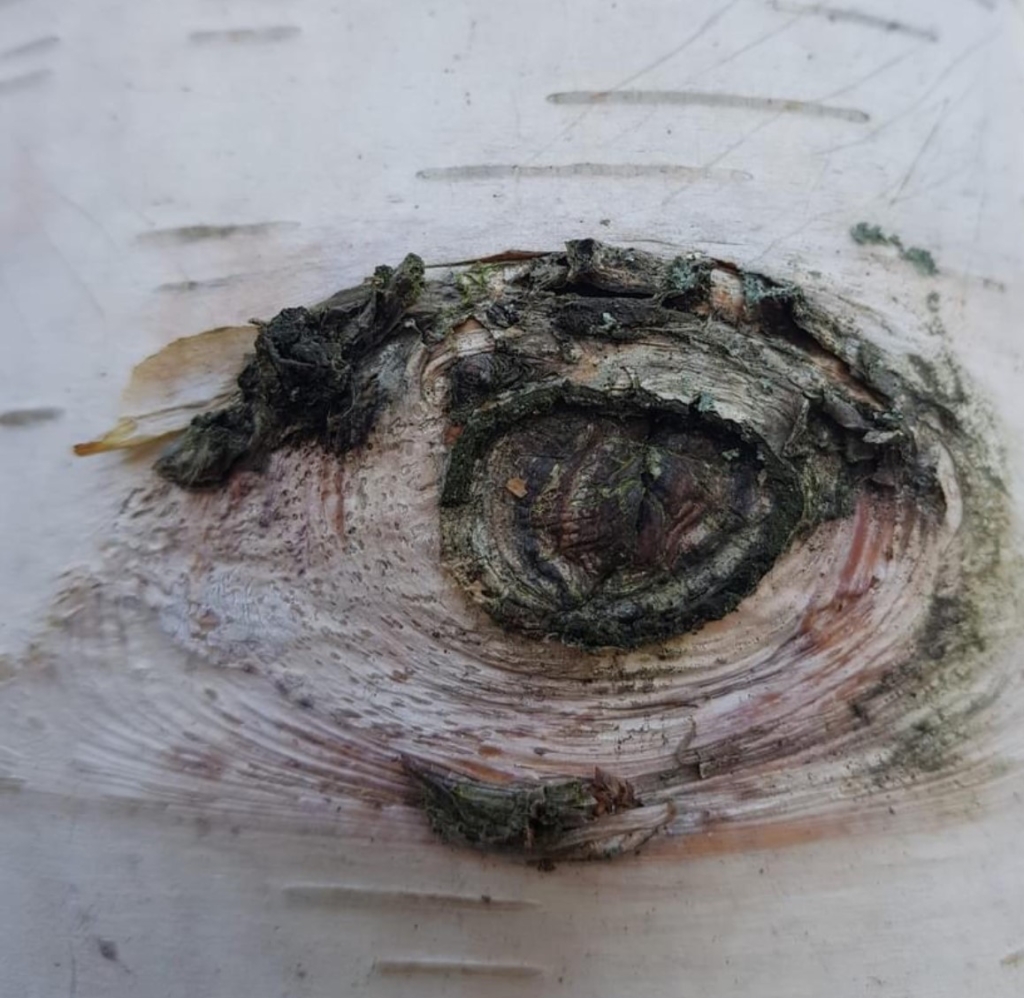
In evolutionary psychology our brains are hard wired to be attracted by primal things like faces. Faces attract that primal part of our brain and grab our attention. Our hunter gatherer ancestors learned to look out for, and potentially like other faces. We are constantly searching for threats and rewards in our peripheral vision. When we catch sight catches of a face (or face like object) we subconsciously assess whether it is friend or foe.
Our system 1 (the fast, intuitive, instinctive) area of the brain that dominates the majority of our reactions, is looking at faces and what they represent. That is why we see faces and eyes in trees and in clouds.
The eyes have it….
Eyes in particular attract our attention. Big eyes attract more attention.
We follow eyes and where they are looking in adverts.
Who are the cereal box mascots looking at?
They are not looking at you – a grown up – they are looking at their target market – a (51cm) human child.
Look…
Check it out next time you are in the supermarket.
So eyes can have a powerful impact on donation boxes and in asking for money
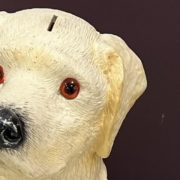
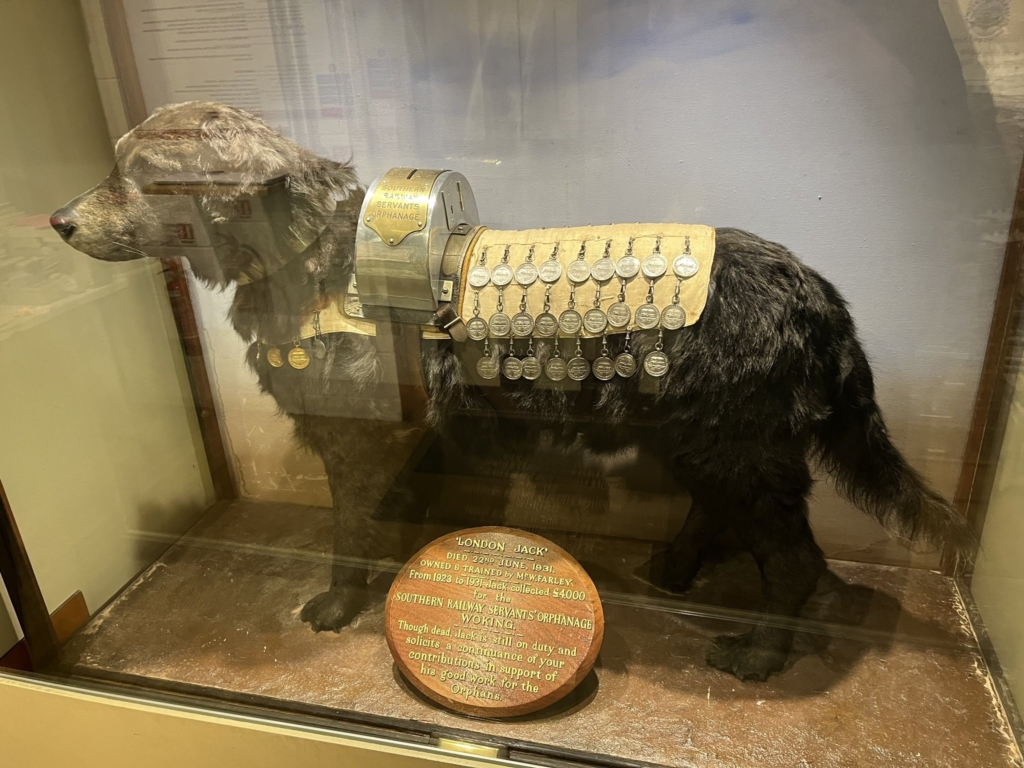
In the 1920s a dog with a collection box strapped to his back used to walk around the railway station collection donations for the Southern Railway Orphanage – his name was London Jack and he raised over £4,500. You can imagine the power of a dog looking up at you as you are asked for a donation.
Jack died and was subsequently stuffed and put on display at Bournemouth station where he still ‘worked’ collecting donations until 1967. He is now at the Bluebell Railway Museum (and still has a donation box and continues to collect money for homes).
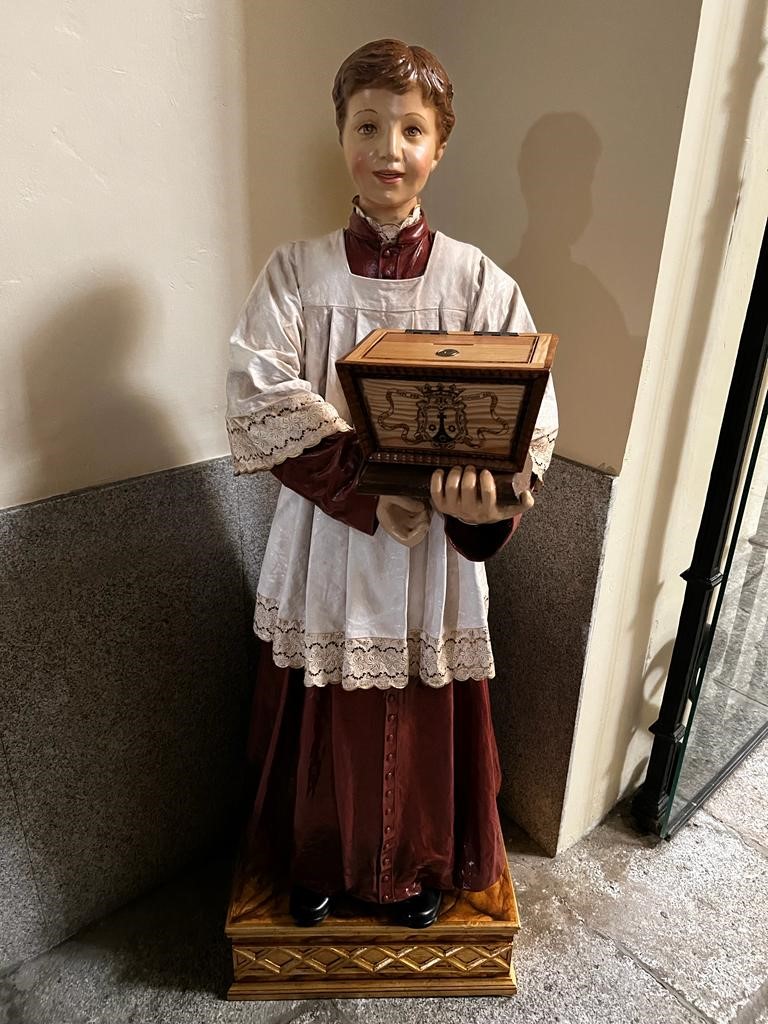
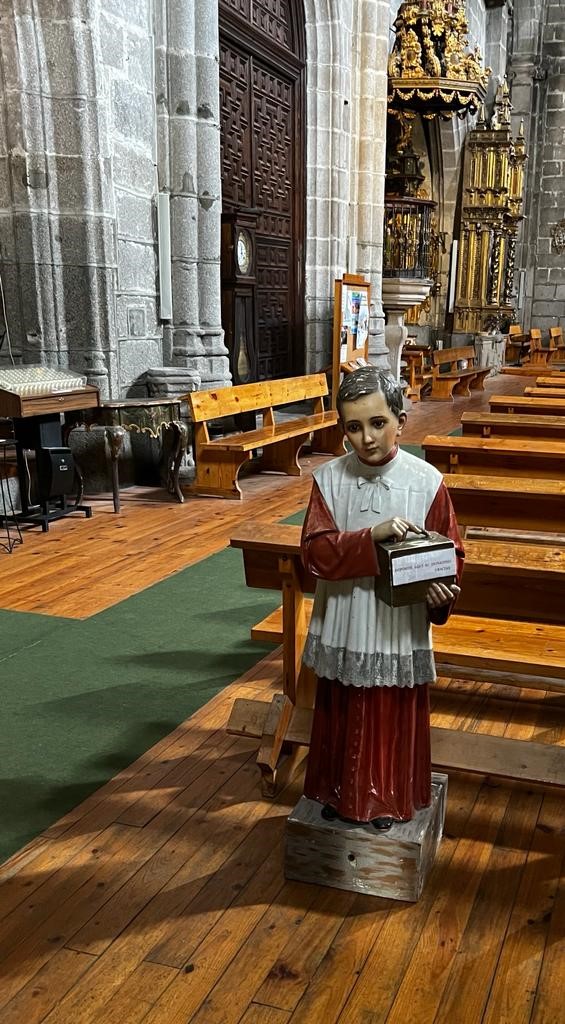
There was a trend (and it is hard to pin point exactly when it began) of anthropomorphic donation boxes. Some of the earliest seem to be from the Spanish Church (these examples are in the city of Avila).
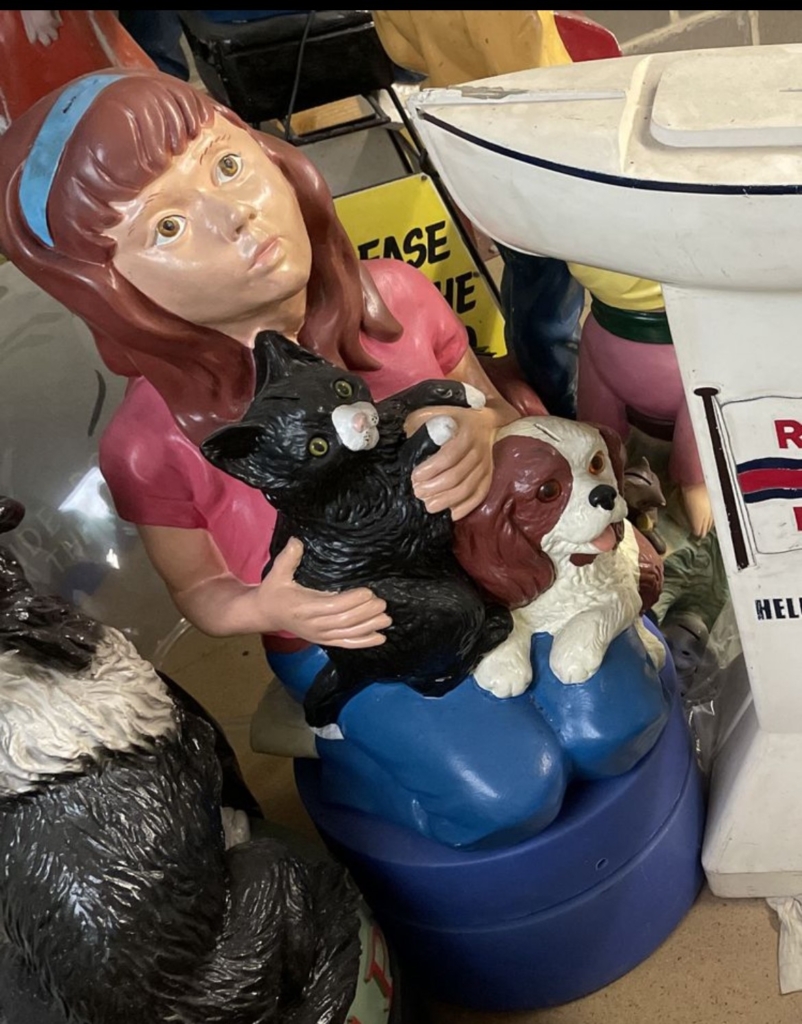
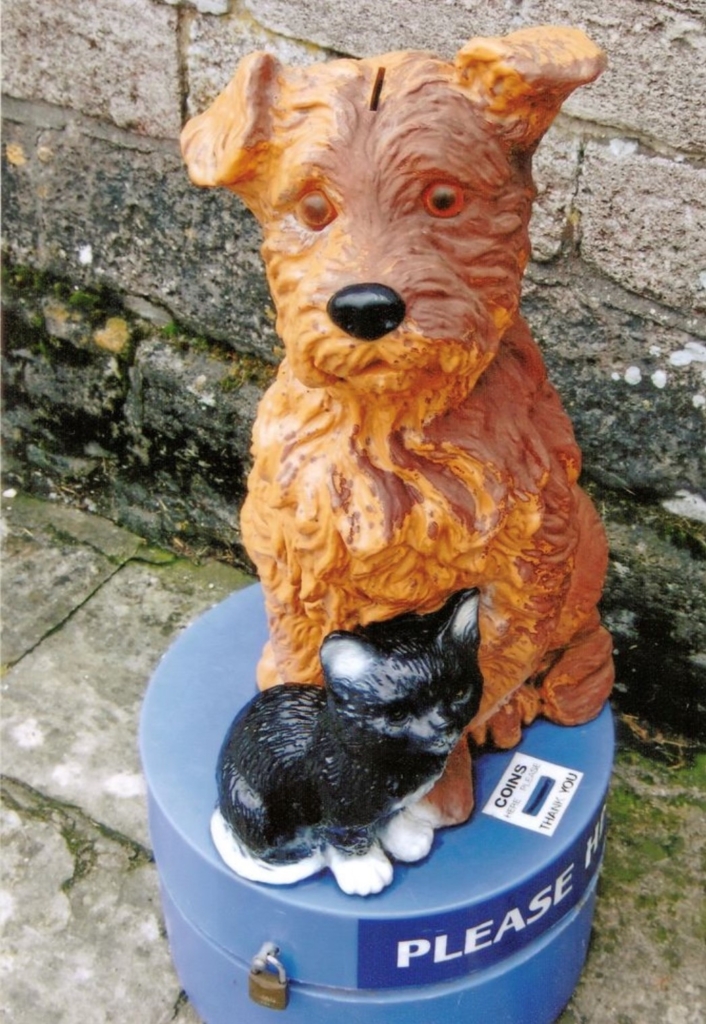
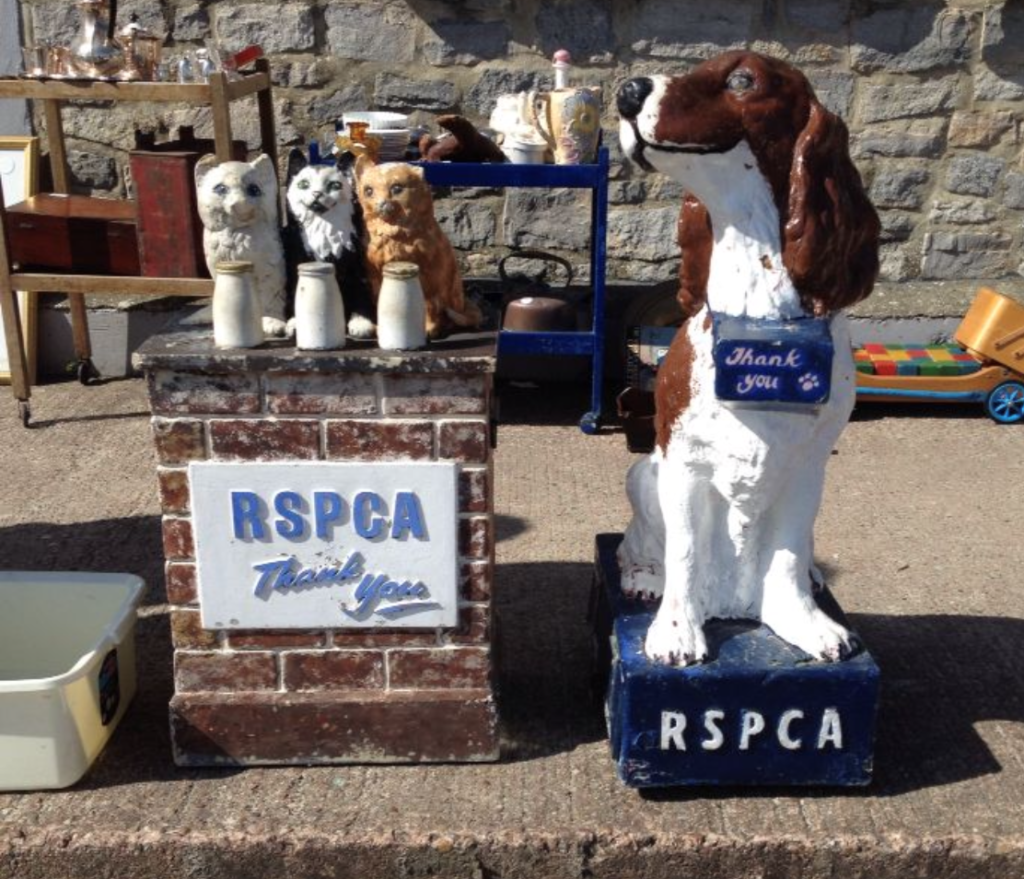
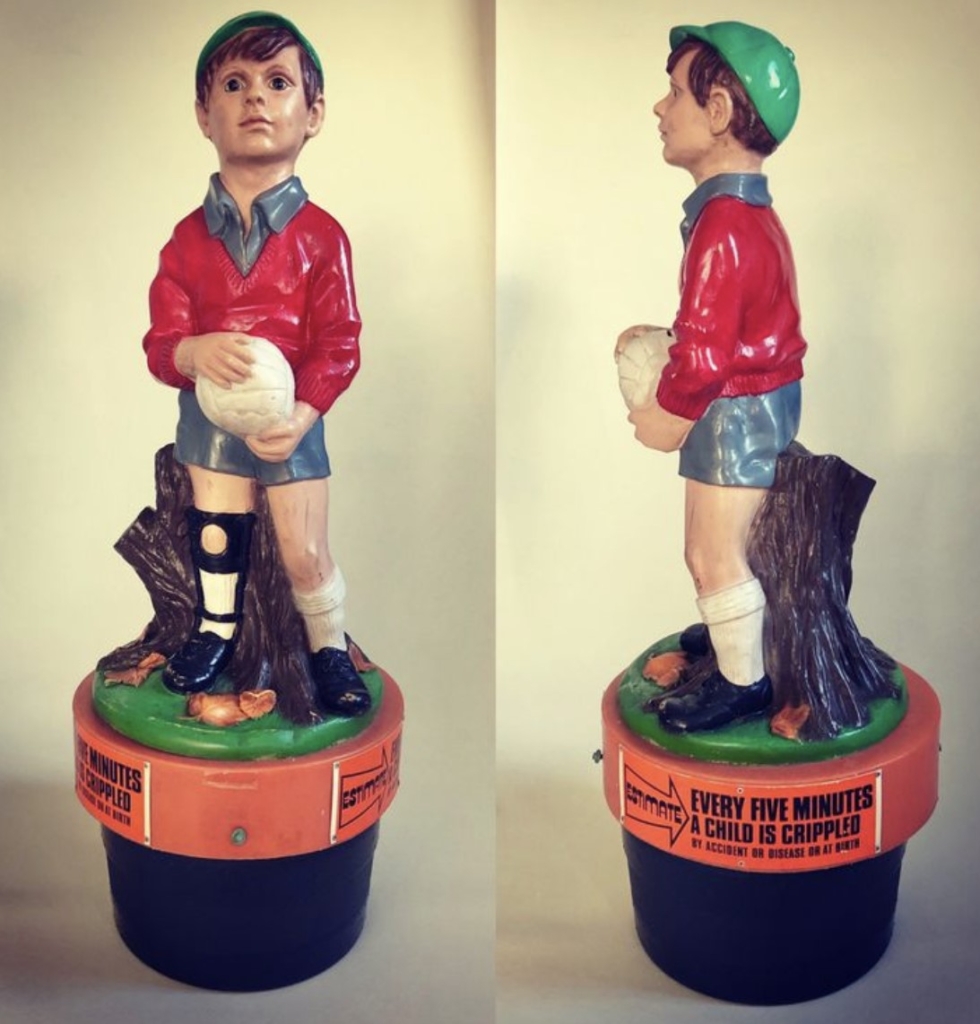
I remember from childhood, and I am sure other people remember, children shaped donation boxes, often depicting a child with a disability or who were in need holding a donation box. There were, and still are, animal shaped ones.
Look again at the donation boxes above – and look at the eyes and where they are looking?
Some are looking at you directly (beseechingly).
Some at the donation box – where you need to direct your action.
When neuro-marketing experts watch your eyes looking at adverts they see our gaze is drawn to the face in the advert and particularly the eyes.
We are programmed to pay attention and care for smaller humans so this might by why children are particularly powerful in these examples. The children or the animals are also relevant, or salient, to the charity that they are collecting money for. Viewing objectively cute images (animals or children) promotes caring behaviour and captures attention (Nittono, Fukushima, Yano Morya, 2012)
If people believe their actions are being observed they act in more moral and pro-social ways. There is a famous experiment with an honesty jar in an office for contributions from office workers to pay their tea and coffee. Next to the suggested price list, they tested the impact of different images on the amount that people paid. Pictures of flowers one week, and pictures of eyes the next. Eyes performed best and increased how honest people were in putting money in the kitty – judgemental eyes increased contributions even more. From Totem poles with deities watching, to Lord Kitchener pointing at you, eyes have made us behave better, or even park more considerately.
Having eyes watching increases pro-social behaviours like donating to charity – this is why these children and dog shaped donation boxes should be particularly effective.
Having just dots in an eye formation has the same impact. An experiment showed that three dots were arranged either as a “pyramid,”
In many charities, you spend more time and more money designing and making the donation box than it generates.
Although, it will not necessarily be a strong revenue stream, it could be a way of playing the long game and sending out messages to supporters about the need for support. As David Burgess says – your charitable status is not a case for support – but being exposed to the message repeatedly does subtly have an impact on donors. You are showing that you are a charity, that you do get support. You are promoting the social norm of giving, if you also have a ‘thank you’ sign or message on or near the box you are also showing that donors are thanked, recognised and appreciated.
Donation boxes might not be the most effective way for people to give, or to build a relationship with you and your charity – but they do fill that system one impulse to make a gift at that time and immediately (or you need a combined way to get both gifts and data – like this one based in a church).
People want to give – and without a mechanism you could be missing out on that chance for people to make a difference.
During a recent campaign I led, we had donation forms, we had QR codes and we had contactless donation points – yet people still wanted to give real money – cash has a strong draw (see more about the use of cash here Dirty cash I (still) want you. Money talks. – Marina Jones)
Keep testing
As with all behavioural interventions you need to test what works for your organisation and your supporters.
In the world’s largest experiment with decision science, Bluecoats in Liverpool tested how to make their donation box more effective by applying decision science principles on defaults, anchors, reciprocity, salience, reduced friction, and a bit of primal eye power. You can read more about it in my chapter in ‘Experimenting with behavioural economics in the arts and cultural space’ chapter in Change for Better‘Experimenting with behavioural economics in the arts and cultural space’ – on the world’s largest arts fundraising experiment and how cultural charities can use decision science.
What could you apply to your donation box, and fundraising?
How can, and do, our modern donation boxes (especially) digital ones give that aural reward and dopamine feedback loop? Do we get a rewarding sound? A ping or vibration on the phone with contactless?
Can you prime the types of gifts you want?
Could you make the donation box salient to your charity?
How can you give donors power and agency over where the gift goes and what aspect of your work they are supporting?
Sound and smell are two of the most powerful senses but often overlooked when we think about designing donation boxes – how could you incorporate that?
How could you use eyes – on or near – your donation box to grab attention and promote pro social behaviour?
Can you capture their details as well as their donation without them loosing interest and reverting to system 2?
Or you can always write a novel from the point of view of the donation box
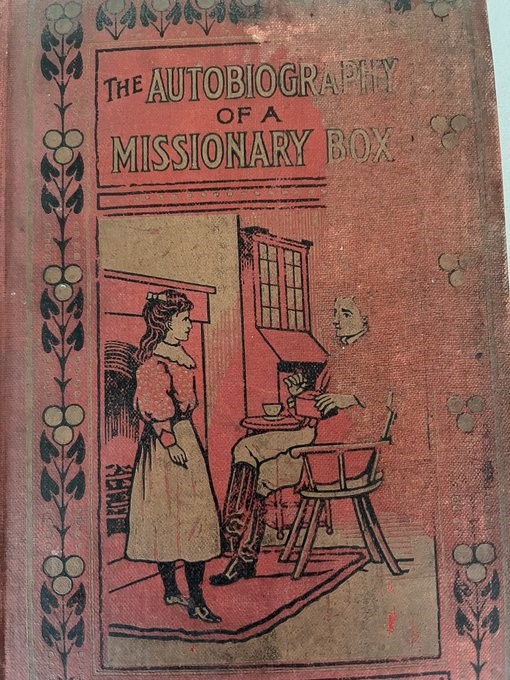
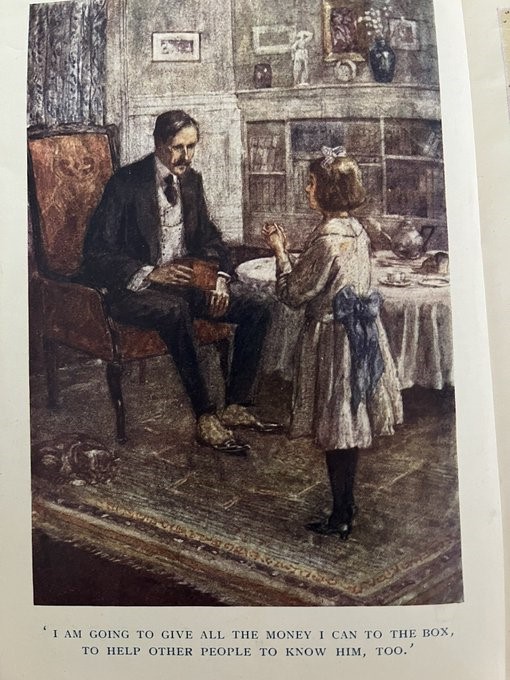
Very charming novel ‘The Autobiography of a Missionary Box’ – told from the perspective of a Juvenile Missionary Society donation box and published and raising funds for the Religious Tract Society. The box is taken by Rose who is unimpressed but through the inspiration of the maid Susan (the box reminds her of home), Rose and her family discover the joys of giving.
https://marinajones.uk/wp-content/uploads/2023/03/IMG_6256-1.jpg5021170adminhttps://marinajones.uk/wp-content/uploads/2022/12/f2b903e010104f5aa61ea1821a685913.pngadmin2023-03-07 17:06:002023-03-09 13:37:59Donation boxes – love them or loathe them they are here to stay
“What’s in a name? That which we call a rose by any other name would smell as sweet”
Romeo & Juliet
As a Marina you don’t get to meet many other Marinas.
Growing up there was one – a friend of my grandparents who always gave me small presents as another member of small and select ‘Marina club’.
In the early days of Facebook, I joined a group of the other Marina Campbells (Campbell was my maiden name) from around the world to celebrate the shared name and its uniqueness.
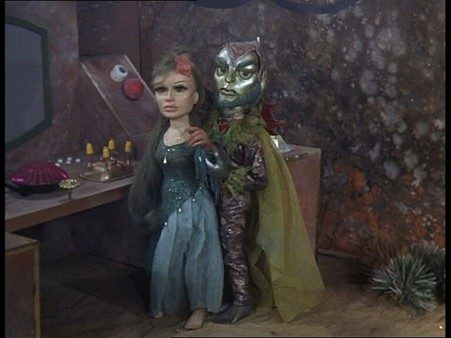
Since, I have met philanthropists and opera singers called Marina. And more recently Marina Abramovic. There are also Princesses and artists (and a Stingray character) but your own name always has a specific power. And your name has a power in unexpected ways – in the products you buy, the causes you support and your identity – and also in fundraising.
Aqua Marina from Stingray
So what links a Tudor queen, a Victorian Duchess, and a teenager in New York in 2005?
They are all called Katharine (or Katarina) and used their names to raise money,
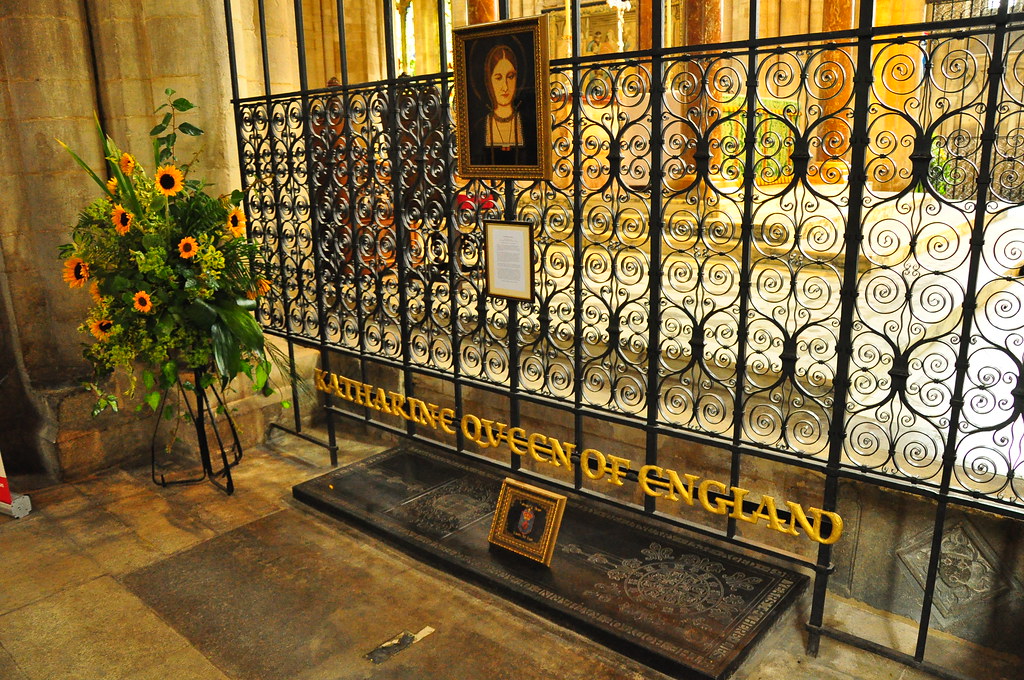
In early 1883 an article appeared in the newspaper lamenting the state of disrepair of the tomb of Katherine of Aragon, king Henry VIII’s first wife. In 1643 Queen Katherine’s tomb had been vandalized by Oliver Cromwell’s soldiers who stole the gilding. Since then one of the cathedral clergy had reused the original tomb stone in his summerhouse. And the tomb inside the cathedral remained vandalised.
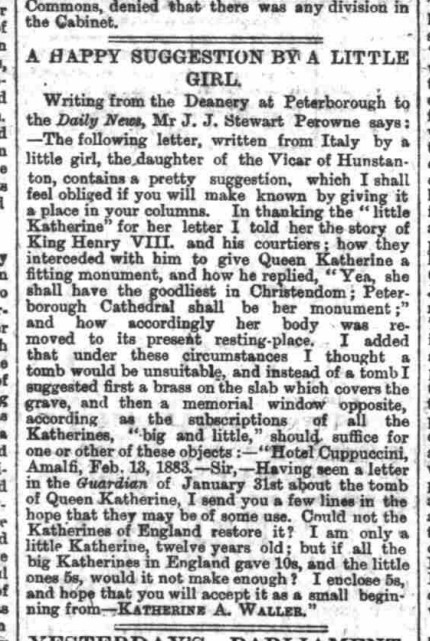
A 12 year old girl called suggested an answer.
“Could not all the Katherine’s of England restore it? I am only a little Katherine, twelve years old; but if all the big Katherines in England gave 10s an, the little ones 5s would it not be enough?
The Evening Telegraph, 13 March 1883
Her name was Katherine Waller.
So went up the call to arms, in 1882 to ‘every girl called Kate’ to support Queen Katharine’s memorial.
This letter sparked a campaign, led by another Katharine – Katharine Clayton. Katharine wrote to wealthy ladies called Kate and sought funds from ‘ladies of the name of Catharine resident in all parts of the world’ to support by this campaign with donations. Katharine Clayton was later awarded Freeman of the City of Peterborough for her services to philanthropy for her support of this campaign and lifetime of charitable works.
With the help of an aristocratic patron (yes another Catherine) this time a Duchess – the Duchess of Westminster, Catherine Caroline Cavendish the campaign grew. The newspaper campaign requested “all liege ladies called Catharine are requested each to send a shilling to the Dead on Peterborough for this pious object.” In 1888, they had raised half the funds needed.
Another aspect of the campaign was sales of a book entitled ‘The Catherine’s of History’ written by Rev H J Swallow – again capitalising on the power of the name.
The campaign was successful, and a replacement tomb was put in place in 1895 with newspaper reports claiming that the Katherines of England, America and Australia had made it possible.
In 1924, nearly 30 years after the completion of the campaign, Katherine Clayton received a visit from the Spanish Ambassador and the Secretary of the Royal Academy of History of Madrid to thank her for her ‘kind undertaking’ in preserving the memory of a Spanish queen. They offered their ‘warmest expression of admiration and thanks’ for creating this memorial. (29 years to receive thanks for raising the money…..is that a record?)
And a 13 year girl in Manhattan in 2005…?
13 year old Manhattan student Katrina Petrillo raised $1,000 for Hurricane Katrina victims by selling lemonade to raise funds for the Red Cross after Hurricane Katrina. Katrina had been teased by classmates for being Hurricane Katrina and decided with friends to do something positive when asked why she said “I realized my name is going to go down in history as one of the biggest storms ever” (Salkin, 2005).
So, why did this work?
Because of something called the ‘cocktail party effect’ .
Katherine Waller’s suggestion taken up by Katherine Clayton and the Catherine, Duchess of Cavendish campaign drew on an innate understanding of our psychology and which has only more recently been scientifically demonstrated.
Cocktail party effect
In behavioral science the ‘cocktail party effect’ is essentially selective attention. At a cocktail party or any loud social setting, we can hear our own name amongst the hubbub – we are the most important to ourselves and we pay attention to things that resonate with our sense of self.
This draws on a deep identity connection to our own name. Ever since we were born our neurons have been trained to react and fire together when they hear our own name (or names similar to our own).
So as a Katherine you are wired to hear and pay attention to Katherine.
“You lie, in faith, for you are called plain Kate, And bonny Kate and sometimes Kate the curst, But Kate, the prettiest Kate in Christendom, Kate of Kate Hall, my super-dainty Kate”The Taming of the Shrew
As a Marina I am wired to hear and react.
Marketing teams use it all the time, which is why so many marketing communications use your name in the subject line and look like this:
Hearing our names means that our ears prick up, we pay more attention to what is being said.
There is also another phenomena – the name letter effect – another form of implicit egotism. The name letter effect was discovered in the 1980s by Belgian researcher Jozef Nuttin (Nuttin, 1987). It means that we are subconsciously drawn to people or things that share the same initial letter (or the same letters as are in our name, or same birthday month). So in Lab tests – Hank did like Honda more than non-matching brands. These links are subconscious and Hank could not tell you why he likes Hondas – a post rational (system 2) explanation would see him talk about its features or miles per gallon etc., but the real recent might just be the name letter effect. As founding father of behavioural science, Daniel Kahmenan says “you will believe the story you make up.”
(So do I buy Mac products because I am a Marina or am I making up a story as to why I like them?)
So what does this mean for fundraising?
In 2008, data from seven emergency hurricane appeals were examined including Hurricanes Katrina, Mitch and Rita. Researchers Chandler, Griffin, and Sorensen found donors who shared an initial with the hurricane were overrepresented in the donors. So donors beginning with ‘K’ were 31% more likely to have given to support Hurricane Katrina relief in the 6 months after the hurricane.
‘M’ named people made up 30% more of the donor population during the two months period after Mitch devastated Honduras and Nicaragua in 1998.
Sharing the same first name or letter has also been shown to help donors identify more with fundraisers (Burger, Messian, Patel, del Prado& Anderson, 2004 and Bekkers, 2010 in an article entitled ‘George gives to geology Jane’)
A lab experiment showed a request to give to a child in need resulted in 61% giving but adding the name, age and a picture increased giving rates to 90% (Kogut, Ritow, 2005)
Learning the fundraisers’ name increased the average gift size by 50% (Bohnet and Frey, 1999) For alumni fundraisers donors were more likely to give when their first name was similar to the name of the university.
Knowing someone’s name builds a connection, a relationship, when we know the name – the name of the beneficiary – even the name of the fundraiser we are more likely to give (people give to people!)
So 12 year old Katharine Waller was using this effect over a hundred years before it was names and proved to work. Katherine knew the innate and personal call – the cocktail party effect of asking someone with the same or similar name to make a gift. (This is one of the reasons why decision science is fascinating – we know these things work, we have seen them used, maybe unconsciously used them ourselves, but as our understanding of the science develops we can prove they work, and test how they work and see what is happening inside our brains as these things work)
How could this work for you in your fundraising?
How can you use the cocktail party effect in your communications?
Can you tie your campaigns to names?
Segment by name and test a campaigns on them (or for someone special with the same letter, we often like to do things for those we love more than ourselves, try parents or pets.)
In theory you could assign your portfolio of all your donors along name letter lines, so David would look after the Dawns, Daniels and Dianas. Or Claire could fundraise for capital.
Use stories with named beneficiaries.
Send emails from people at the organisation not just the charity – and make sure they are signed by a real person.
Test other identity factors (birthday)
A bit more history
There is more to be written about our fundraising Katherines.
Katherine of Aragon was known for her philanthropy, supporting education and women’s education and her patronage of the arts.
Katharine Clayton (1847 – 1933) was awarded Freeman of the City of Peterborough for her services to philanthropy. Her father was a social reformer who passionately believed in proportional representation. He stood down as a Conservative MP but could not quite align with the Liberal party enough to join but was friends and held similar positions with political philosopher John Stuart Mill.
Katharine was a member of Kensington Society a discussion group for women along with her sister Louise Clayton. Katharine attended suffrage meetings with Emmeline Pankhurst and was the founder of the National Union of Women’s Workers which exists today as the National Council for Women. This was founded with her and the Bishop’s wife, Louise Crichton. Louise was anti-suffrage during the Bishop’s lifetime but changed her mind after his death.
Katharine sat on 21 local committees in Peterborough, including
Mother’s Union – involved for over 29 years as President and Secretary and an embroidered banner she made is displayed in St John the Baptist church in Peterborough
Board of Governors for a local school for poor working class boys
City Education Committee
Public Library Committee
Social Purity League
League of Nations
Flower Show (Secretary)
Peterborough District Music Festival
British & Foreign Bible Society
Florence Saunders Nursing Association – Florence Saunders was a canon’s daughter and was one of the first women to train as a nurse. After her London training she came back and trained up other women to work as district nurses and work in the slums. The 1898 inaugural Peterborough Trade Union march raised money to support her work. Again more research needed on Florence Saunders and her fundraising activities.
Work in philanthropy, as fundraisers and on organising committees, often gave women a place and role outside of the home in Victorian times.
With thanks to Hazel Perry for sharing her research into Peterborough, Katherine Clayton, Katherine Waller and the campaign.
https://marinajones.uk/wp-content/uploads/2023/02/c-of-a-six.jpg6281200adminhttps://marinajones.uk/wp-content/uploads/2022/12/f2b903e010104f5aa61ea1821a685913.pngadmin2023-02-24 21:25:302023-12-14 20:28:22What links Henry VIII’s first wife, a Victorian Duchess and a 13 year old student from Manhattan in 2005?
Oldest child was off on Year 6 residential – and in preparation the whole class had to make waistcoats for their teddies to wear.
So far so charming.
But it is a great example of social norming in action.
It means that there is no social stigma about wanting a bear on the trip as you have all made and have a waistcoat to show off. So normalising the need for a cuddly toy and creating a class and group norm. For the trip, the default now is that you are bringing a bear.
Creating a strong class social norm.
The bear in his snazzy waistcoat
Simple but effective use of behavioural insight.
And a bonus also learn pattern cutting and practicing sewing.
Our brains have evolved to feel social rejection in the same way that we feel real pain – as our primitive selves needed to be with the group to get food and shelter – that is why doing what is normal for the group is so important.
That is why decision science is so fascinating – it is the way that our brains have evolved and how they instinctively react. What we know now about how our brains work helps us to understand what is happening inside our brains and why social norming is such a powerful driver of behaviour.
Why we say ‘I’ll have the same’ when ordering in a restaurant or a pub.
Why we want the badge or the sticker everyone else has got.
We want to do what people like us are doing.
We want to belong to the tribe.
In 1813, Princess Marianne of Prussia used the power of social norming (and a bit of royal celebrity messenger) to appeal to Prussian aristocrats to give their gold jewellery for the Prussian cause against Napoleon. This proved a popular way to fundraise and the gold items were exchanged for iron jewellery emblazoned with ‘Gold gab fur Eisen’ (‘I gave gold for iron’). It became the social norm to wear these iron rings and broaches, and gold was considered unpatriotic.
How does this work in fundraising?
Often donors don’t know what is normal and what they ought to give.
Indecision leads to inaction.
No choice, or too many choices can stop people making a decision, or a gift.
Help them by showing what the norm is.
Without an anchor of what a suitable amount is they can find it hard to know what is the normal or range of donations – and they don’t want to look too mean, or too generous. (see the blog on anchors Apprentice & Anchors – Marina Jones)
But social norming can be used as well.
There are numerous experiments for public radio fundraisers that show when the fundraiser references the previous caller being the same gender, or from the same city, as the person calling, the donor is more likely to give a similar donation to that person. This is creating a norm for people like you. People then know what is normal for someone like them, for their tribe.
Badges, stickers, t-shirts, tote bags can also do it and also create a visual social norm.
You can interrogate the data and look at what the most frequently occurring gifts are – the median gift and use this in your copy.
By adding ‘most people give at this amount’ to your appeals you are helping guide supporters by giving them a clearer pathway and creating a strong social norm.
But be mindful of this – have a strong baseline dataset to know if ‘most people’ do give at that level otherwise you could be misleading donors, or you could be anchoring supporters to a lower gift.
You can can look at the data and show them how normal it is for people like them (the same town, gender, membership level) to give gifts at £X level and use it in your campaigns.
But test what works – sometimes providing a norm or an anchor could drive donations to this point (which may be lower that then could give). In some other tests I have done with anchor amounts having no anchor amount shown provided higher average donations. Test what works for your audience and for each campaign.
How can you find ways to say that giving – and giving from people like them – is the normal thing to do?
https://marinajones.uk/wp-content/uploads/2023/02/bear-scaled.jpg25601920adminhttps://marinajones.uk/wp-content/uploads/2022/12/f2b903e010104f5aa61ea1821a685913.pngadmin2023-02-23 09:06:092025-07-25 18:45:58Social norming in action … with bears in waistcoats
We may request cookies to be set on your device. We use cookies to let us know when you visit our websites, how you interact with us, to enrich your user experience, and to customize your relationship with our website.
Click on the different category headings to find out more. You can also change some of your preferences. Note that blocking some types of cookies may impact your experience on our websites and the services we are able to offer.
Essential Website Cookies
These cookies are strictly necessary to provide you with services available through our website and to use some of its features.
Because these cookies are strictly necessary to deliver the website, refusing them will have impact how our site functions. You always can block or delete cookies by changing your browser settings and force blocking all cookies on this website. But this will always prompt you to accept/refuse cookies when revisiting our site.
We fully respect if you want to refuse cookies but to avoid asking you again and again kindly allow us to store a cookie for that. You are free to opt out any time or opt in for other cookies to get a better experience. If you refuse cookies we will remove all set cookies in our domain.
We provide you with a list of stored cookies on your computer in our domain so you can check what we stored. Due to security reasons we are not able to show or modify cookies from other domains. You can check these in your browser security settings.
Google Analytics Cookies
These cookies collect information that is used either in aggregate form to help us understand how our website is being used or how effective our marketing campaigns are, or to help us customize our website and application for you in order to enhance your experience.
If you do not want that we track your visit to our site you can disable tracking in your browser here:
Other external services
We also use different external services like Google Webfonts, Google Maps, and external Video providers. Since these providers may collect personal data like your IP address we allow you to block them here. Please be aware that this might heavily reduce the functionality and appearance of our site. Changes will take effect once you reload the page.
Google Webfont Settings:
Google Map Settings:
Google reCaptcha Settings:
Vimeo and Youtube video embeds:
Other cookies
The following cookies are also needed - You can choose if you want to allow them:
Privacy Policy
You can read about our cookies and privacy settings in detail on our Privacy Policy Page.