
In praise of library fundraising & philanthropy
So a few fundraising and philanthropy examples featuring or inspired by libraries, including:
- Legacy gifts
- Naming rights
- Campaign publicity
- Donor crediting
- New funding models ensuring long term support
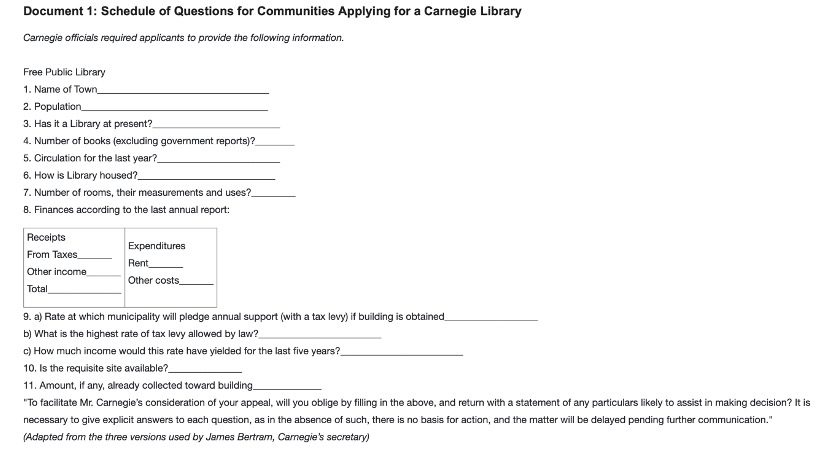
- Early grant application forms
- And inevitably Andrew Carnegie
- Earliest library gift
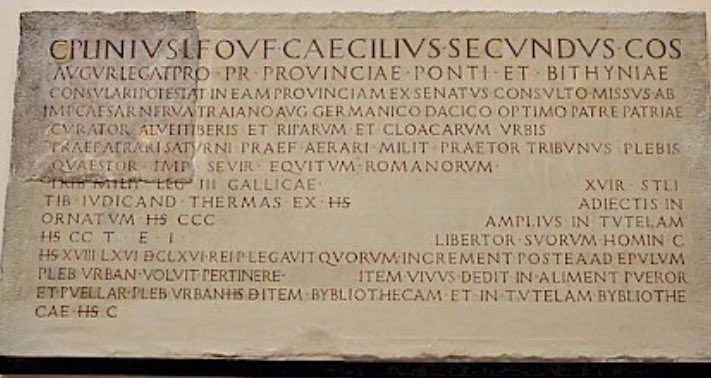
Pliny the Younger, a first century Roman letter writer, lawyer, author, magistrate and sometime philanthropist, is the first noted library donor. He donated over 1,600,000 sestertii to construct the library at Como with additional funds to maintain it. Like many funders, he paid in instalments with the largest 1,000,000 sestertii to fund the building but also made maintenance instalments (always important to convert capital donors into revenue ones.)
Pliny’s will details his bequests for the public good including gifts to the public baths and their upkeep (we like a legacy bequest that comes with maintenance costs.) In his will, he also supported Freemen of the city which included spend on an annual dinner. The will does not include another gift to the library but notes his life time gifts which included 100,000 sesterii for the upkeep of the library.
- Naming rights
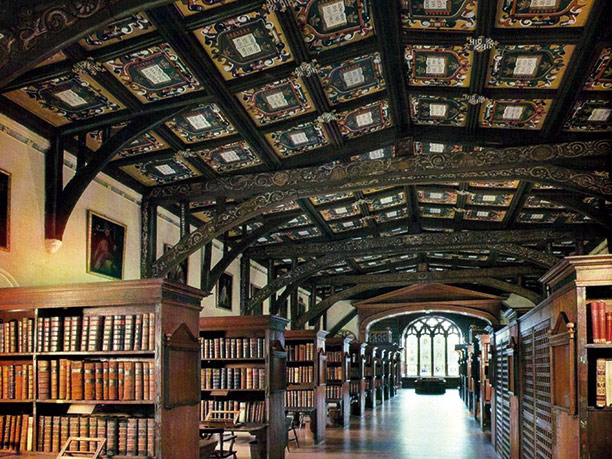
The Bodleian in Oxford is named after its founder and patron – Sir Thomas Bodley.
Sir Thomas re-founded the library in 1602. The first Oxford library had been founded by a 1327 legacy gift from Bishop of Worcester, Thomas Cobham. Through patchy patronage it was maintained for a century but in fell into disrepair until Sir Thomas offered to develop the library – with assistance from his recent fortune from a marriage to a wealthy widow, and Oxford dons the library was reinvigorated. Officially Bodley’s Library it became known as the Bodleian.
To secure support for the library, Bodley created an early form of a ‘Friends of’ with a Vellum bound book that was a ‘Register of Donations.’ This book was kept on prominent display so visitors could not miss it, but was also used to record all donors and their gifts. He wanted this register “to stir up other men’s benevolence to help furnish it with books”. He also used an element of fear in soliciting gifts – so soon after the Reformation and various book burnings – donating books to this new library was a way to keep them safe.
Bodley had the Librarian, Thomas James, greet all visitors and introduce hem to the Library which encouraged making a gift.
This personal welcome and the chance to have the donation recorded in the ‘Register of Donations’ proved so popular that he had to become a bit more selective about recording donors in the register – saying they would need to ‘better their gifts’ if they wanted inclusion.
Interestingly he also refused donations of ‘riff raff’ books which included ‘modern’ works such as Shakespeare!
When he died, his will also included a legacy gift of £7,000 gift towards the library – disappointing friends and family who had expected to be more kindly remembered.
(It is interesting to note that the founding of the library comes at the time of the new Statute of Charitable Uses of 1601 which codified charitable purposes especially for the ‘relief of aged, impotent and poor people’ – when so many were concerned with the poor it is interesting to see that Thomas Bodley focussed learning and a library – a criticism that was levelled at Carnegie and Rockefeller 300 years later!)
- Running a campaign
In the 1731, American Founding Father Benjamin Franklin ran a public subscription scheme to fund the Library Company of Philadelphia. This was to be a subscription library where his literary set, the Junto – a group of “like minded aspiring artisans and tradesmen who hoped to improve themselves while they improved their community“.
Before he embarked on the fundraising campaign for the library, he used a newspaper publicity to raise awareness and educate the public.
He was also one of the first to use donor segments dividing his prospect pipeline up into – likely to give, might give, and others. He always wanted the person soliciting the gift to fade into the background and that gifts be seen “not as an act of mine but of some public spirited gentleman.”
- Founding Fundraising
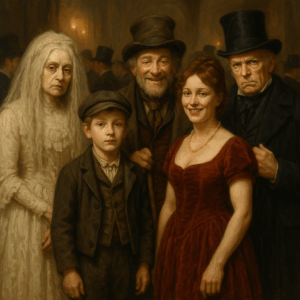
In 1872 to raise funds to found the Los Angeles Library a Dickens Party was held where participants dressed up as their favourite Dickens character. The funds raised purchased the first books of the library including Hints to Horse-keepers and On the Sheep Industry.
- Andrew Carnegie
Hands up who had a Carnegie library in their home town? Here was my local.
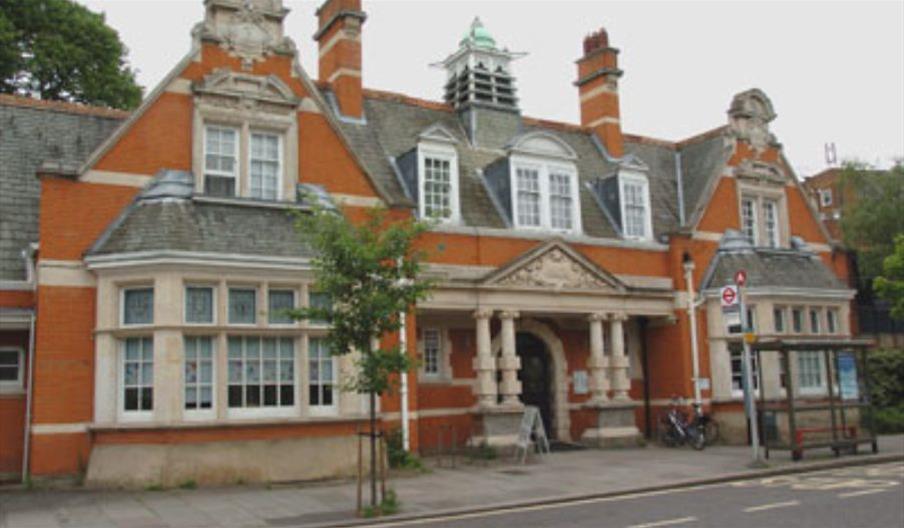
There were over 2,500 built in the UK, US but also in New Zealand, Mauritius, Malaysia, Fiji, France, Belgium and Serbia.
Carnegie invested over $56.2m into the construction of the libraries – but the funds were not just handed over to towns to create a library. Carnegie wanted the each recipient town to demonstrate the need for the library and commit to the ongoing cost of maintaining it. Towns who were interested in having a Carnegie library had to submit a proto grant application form with a schedule of questions to answer including demonstrating need, that they have a site ready for the library and can provide annually 10% of the cost of the library’s construction to support its operation.
Carnegie was often criticised for prioritising libraries and building his philanthropic legacy over helping those that who were hungry and in desperate need. See these cartoons from Puck magazine:
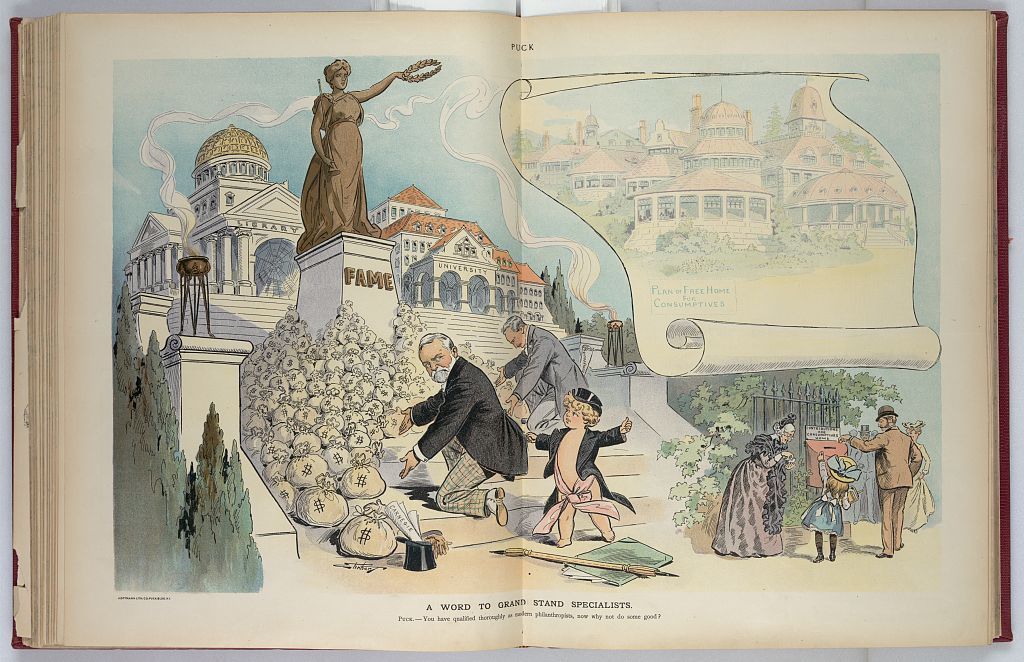
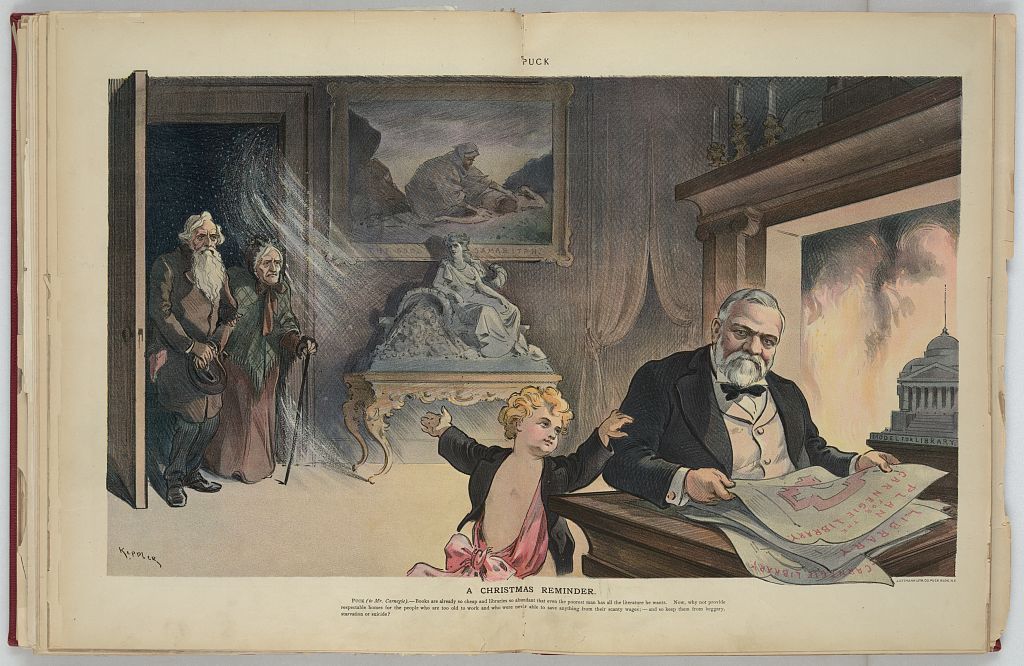
Carnegie’s plans and approach led to libraries being municipally and state funded rather than private philanthropic institutes. Interesting to see the impact of mega philanthropy influencing the enactment of public policy.
The investment that Carnegie put into libraries is cited as the main reason for the growth of female librarians as they needed more library workers and it was considered an appropriate profession.
In 1997 Bill and Melinda Gates followed this lead and aimed to get every US library onto the internet – once they complete this in 2002 they expanded the programme globally, founding the Global Libraries Initiative in 2004. In 2014 the foundation shifted focus to health and science programmes and tapered down the grant giving in libraries ending in 2018.
- Libraries receive donations
Libraries often received bequests – most of the two thousand scores in the Los Angeles Library came from bequests including 752 scores from the founder of the LA Philharmonic William Andrews Clark Jnr and Meredith Wilson (writer of The Music Man) gifted his sheet music.
- Victory Book Campaign
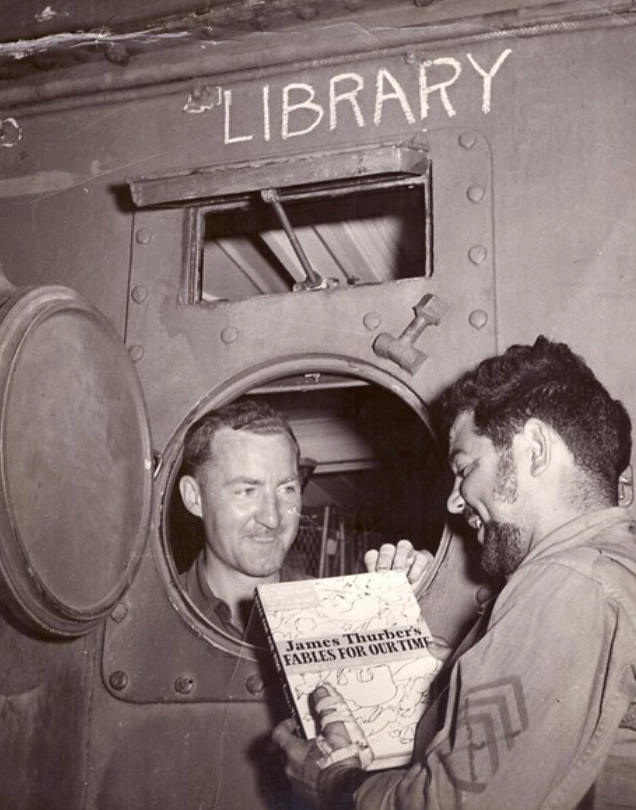
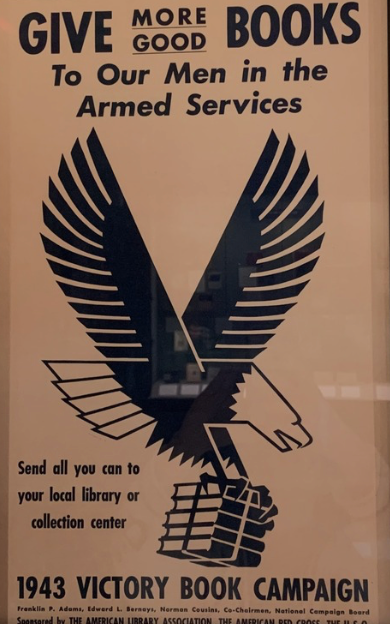
Throughout 1942/43 there was a Victory Book Campaign to send ‘Good Books’ to service men – they set a target of 10m and received over 17m (although not all were suitable). Read more about it here. The challenge with asking for donations like this is that they received unsuitable books – too many handbooks. too many people clearing out their shelves, too many beloved books that were not in the right condition to send abroad. We have a tendency to want to give stuff, and stuff that we care about when a tragedy strikes. Read more about our desire to give stuff not money here. As well as restorative and pleasant books to read, they also needed funds to purchase technical manuals – rare books that were donated were sold at auction to fund these purchases.
War is one of the worst things that can happen to books – an estimated 20m books burned in the UK or were ruined by water damage putting out fires. By the end of the war 1/3 of books in Germany were gone.
- Researching the past
And libraries are also a fantastic place to find out about curious and not so curious bits of fundraising history.
Here are a few finds:
A celebrity and royal filled auction to save the London Library from bankruptcy in 1960. Items for the auction included
- Barbara Hepworth painting
- T S Eliot’s personally transcribed ‘The Waste Land’
- Graham Greene & John Betjeman manuscripts
- A silver coaster from the Queen Mother and a book from the Queen
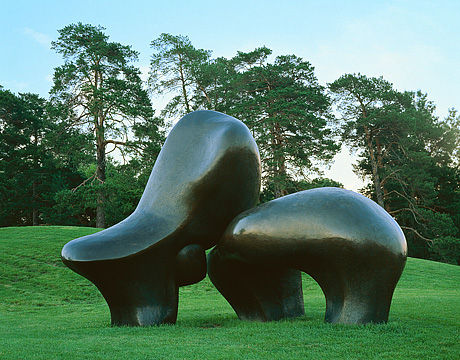
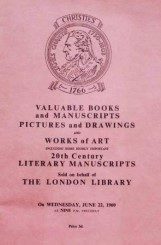
£25,000 was raised at the auction at Christie’s to avert the crisis and clear their debts.
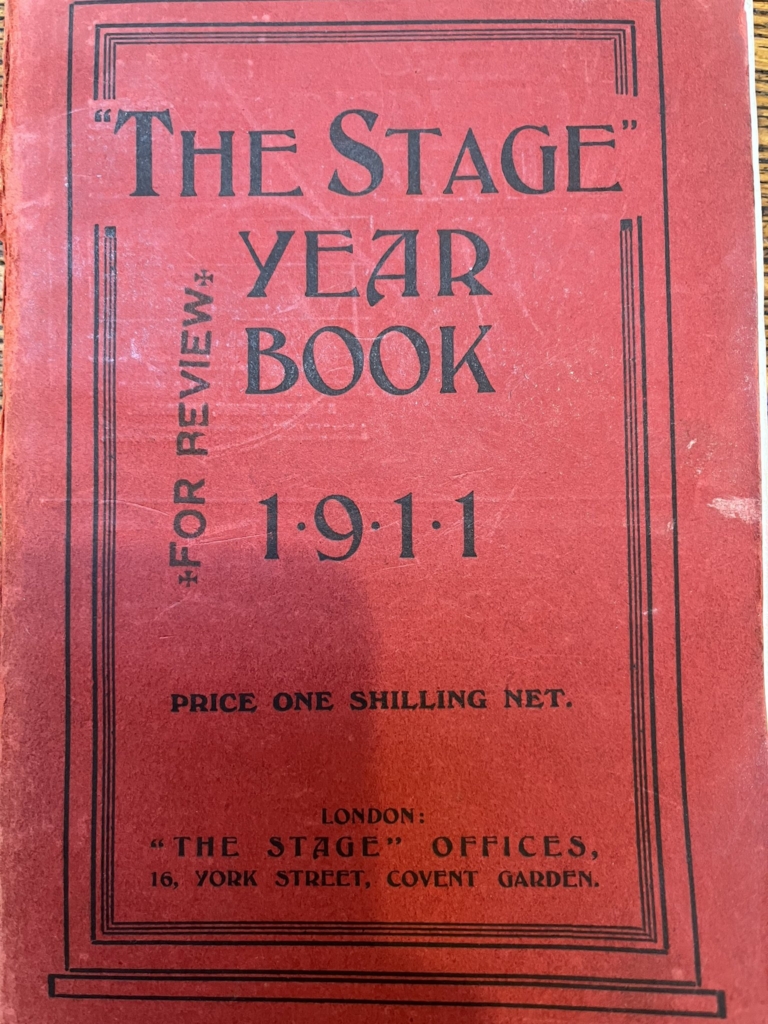
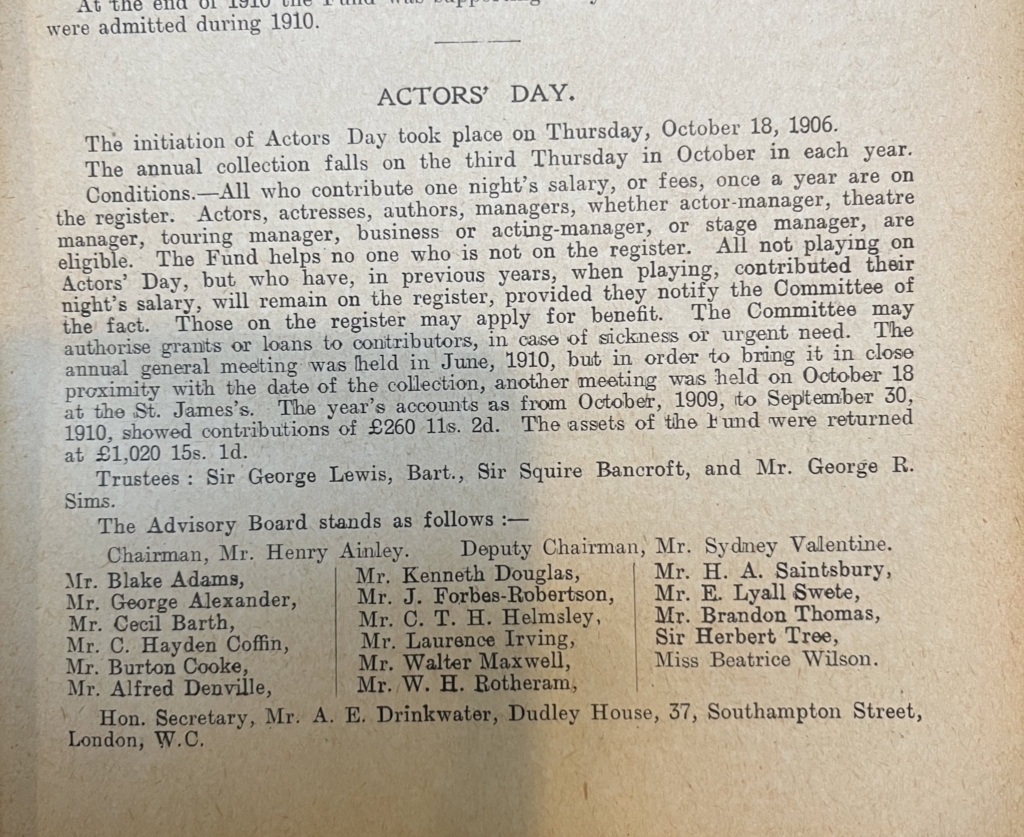
And discovered in the Bishopsgate Institute from The Stage Yearbook 1911 detailing Actors Day an annual day in October each year when actors, stage management and theatre administration donated one day’s wages to supporting others in the profession – a guild/mutual aid type of enterprise.







Leave a Reply
Want to join the discussion?Feel free to contribute!