It really is true everything is a project in fundraising … but could you fundraise for a motorway?
But could you fundraise for a motorway?
That’s what Carl C Fisher.
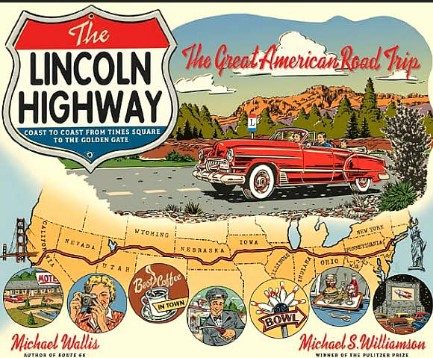
In 1912 he had an idea – as cars were becoming increasingly popular he wanted there to be a proper tarmacked road that would stretch from coast to coast of the USA. As there was no federal funding available at the time he needed to raise the funds.
Is it really philanthropic to build a road?
Payton and Moody give a definition of philanthropy as voluntary action for the public good and talk about moral imagination and that we are motivated to act:
- Because things go wrong
- Because the world can be better
A motorway might not be righting wrongs or feeding the hungry but as an enactment of Fisher’s moral imagination it was how he could see the world as a better place. Fisher’s vision came from a desire to reduce a journey of around 90 days on small and not linked dirt tracks that could not easily be navigated by cars – to 30 days on a continuous and metalled road.
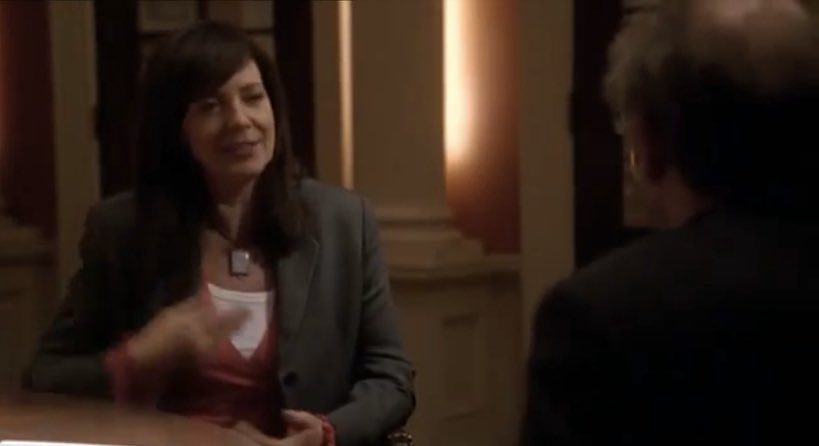
Philanthropy also changes over time and is a reflection of the place, culture and time. In 1912 fundraising for a highway in US was a cause to raise funds for but not now in the West. But as CJ says in The West Wing when offered £10bn to fix the world the project she would choose was highways “its not sexy” but is crucial for infrastructure and connectivity especially in countries that do not have roads.
Who ought to build roads anyway?
Raising money for a motorway raises the question of who ought to be providing roads – is it the state? The market? Philanthropy?
Fisher asked Henry Ford over a pig pen at the Detroit Fair if he would support the highway, and he said come tomorrow and I will sign up but later changed his mind. Ford is a noted philanthropist but it was a ‘no – not me’ and ‘no- not this’ for this project. Henry Ford refused to support the highway as he thought that government not the public or industry ought to pay for roads.
How did Fisher raise funds for a highway and what can we learn / do we still do today?
- Secure some lead gifts at the start of the campaign
Before you go public with a big appeal, you want to have some supporters lined up. This is sometimes known as the ‘private phase’ of a campaign when you talk to those nearest and dearest to you and get them to give big lead gifts. It is important to know you could raise the total and that you have people on board who support your vision.
In 1912 Fisher held a dinner for auto mobile industry friends to secure support and got $300,000 in pledges that night and then later $300,000 from Goodyear tyres and others. So in the first month he had secured $1m towards the project. And then could promote this success as he tried to secure more support.
- FOMO
One of the greatest incentives to act is our fear of missing out. We react to the threat of loosing something. That is why the incentive of a ‘free offer’ motivates us – we feel we are missing out on something if we do not claim the ‘free thing’. This is called the loss aversion heuristic – and one of Fisher’s tag lines to his first friends and supporters evokes this loss aversion heuristic:-
‘Lets build it before we’re too old to enjoy it’
We don’t want to miss out so we act.
- Messengers, identities and norms
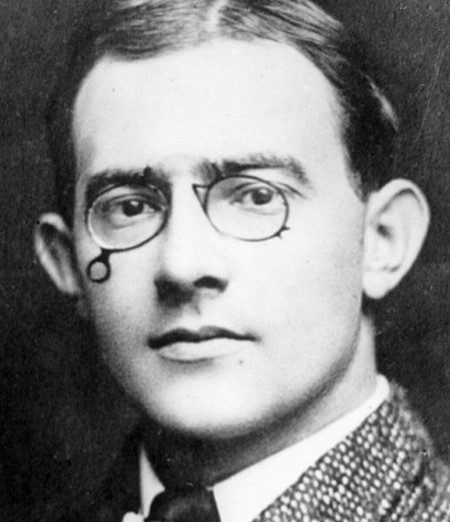
Fisher himself was a powerful and respected person to ask for support of this scheme – he was a record breaking racing car driver and successful entrepreneur making his money via car headlights. So he was respected by others in the industry.
We are heavily influenced by who asks us to help.
We are also heavily influenced by who else is involved – we want to be with our group and do what the rest of our group is doing.
Fisher was great at tailoring the norms to his audience – and activating their shared identities as he asked them to commit.
We can also be primed by our identity – in this instance Fisher leant in heavily on the automobile ‘tribe’ and activating their commonality.
By getting these key automobile industry people on board he was lining up some pretty powerful messengers and creating a group norm. He created a group social norm for the car and accessory business to be involved in supporting this. As humans we are group animals and want to stay with the herd and the behaviour of others like us. Our brains have not evolved that much since we were tribes and hunting and gathering and needing to stay together.
- What does your PESTLE analysis come up with? Grab an opportunity
Look outside your organisation and vision and see what is happening in the wider world. A PESTLE analysis (Political, Environmental, Social, Technological, Legal and Ethical opportunities) is often used to explore other factors that might help or hinder your work.
At the time when the highway was proposed, the US Congress were looking at how they could memorialise President Lincoln and had $1.5m set aside for a marble memorial. This project gave them a patriotic opportunity to name the highway after the 16th President.
- Power of celebrity messengers
The public campaign was launched after the major donations were made by individuals and businesses.
Members of the public were invited to subsribe to me members of the Lincoln Highway Association with certificates of $5 to $100 available. Theodore Roosevelt and Thomas Edison both contributed and the press were alerted to help generate more support.
President Woodrow Wilson sent in a private cheque for $5 and was awarded with Highway Certificate #1 which was publicised and published in the press.
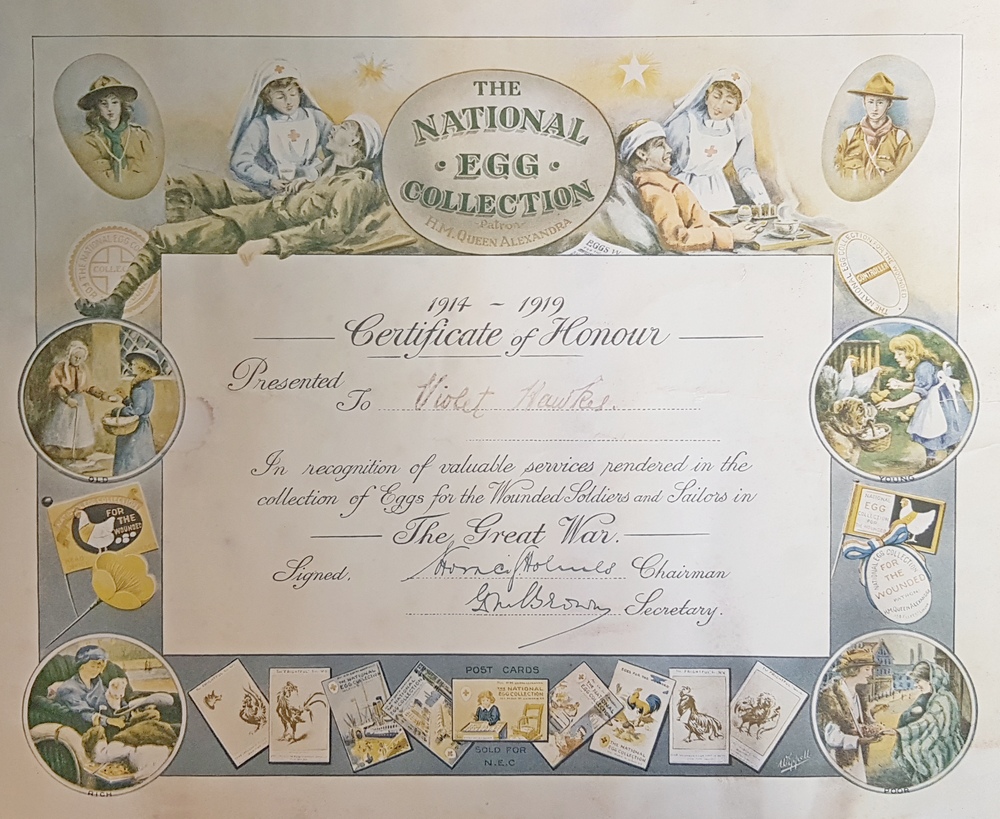
Certificates of membership are a great way to thank you supporters and for them to create a supporter identity.
They stalled in their fundraising target and used publicity to generate more funds and put pressure on state legislatures to support investment in the infrastructure.
- Every Little helps …
14 pennies were sent from children in Anvik, Alaska after their teacher told them about the highway being in honour of President Lincoln. This inspired them to send this donation and their letter and patriotism was widely publicised. (Often the small or the large gifts can attract our attention – like after the catastrophic fire at Notre Dame the multi million donations from corporations caught the headlines but so did the story of a child who sent their pocket money– we are attracted by the extremes). Publicizing both the big and small shows that every little helps.
- An element of competition
The exact route of the highway was kept secret. Keeping it secret meant that all the states that the highway could pass through remain highly engaged and involved in the process – competition can generate more publicity and interest.
- Additional and helpful donations
There is always one donor who agrees with the vision but wants to do something different and special and personal. Can you include that?
One pledge was received to fund 17 drinking fountains in honour of mother is route passed through Illinois and they were added to the route.
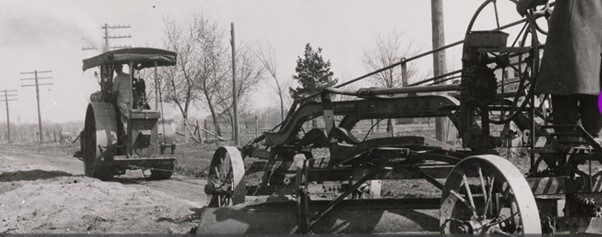
The Lincoln Highway was dedicated in 1913 and federal funds were acquired to fund the highway – as philanthropy and fundraised income did not cover the whole cost.
So what does this tell us about campaigns today
- Get key supporters signed up before you ask others
- Who are your messengers? You can have different messengers for different target markets – for car fans you have a different messenger than patriotic school children. Campaigns can use the most appropriate messenger for each part of the supporter base.
- How can you tailor your norms to your audience? And create shared social identities?
- How can you demonstrate that it is normal for them to support? Can you show that others they like and respect have supported? How can you activate their identity as car fans/animals lovers/fighters for justice to suggest it is what people like them are doing?
- How can you make your supporters feel that they would be missing out if they were not supporting?
- Look at the wider world for what is happening and combine with other issues
- Competition or gamification can keep supporters interested and involved in a campaign
- How can the way you thank your supporters create an identity as a supporter?
- How you can show the tangible value and impact of gifts big and small? What do 14 pennies by vs $300,000 from a big company donor?
- Publicity is important – who else is supporting you and what stories can you tell and share about who is involved?
P.S. How do you even find about these sort of things?
Fundraising history can be discovered in all sorts of strange and unusual places. It is not collated together in a neat history book through the Rogare history project a volunteer team have tried to gather and curate a timeline (the first edited highlight is published here and the full timeline of over 300 entries will be open access soon)
So, I found out about this in a novel called ‘The Lincoln Highway’ by Amor Towles where Billy (an eight year old boy describes the origins of the Lincoln Highway)
“It was invented by Mr Carl C Fisher in 1912…. He believed American people should be able to drive from one end of the country to the other. He built the first sections in 1913, with the help of donations”
“People gave him money to build it?” asked Duchess in disbelief.
The Lincoln Highway
So keep your eyes peeled, you never know where you might come across a piece of forgotten fundraising history…