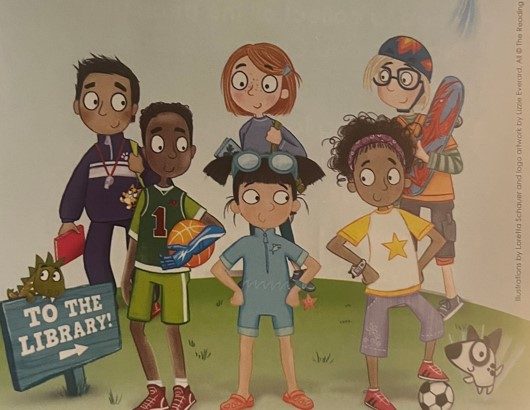
Completing the library summer reading challenge with the children – where primary school aged children need to read six books over the summer and get stickers and a medal. I was thinking about what would make a fundraising reading challenge.
Too often when fundraising appears in fiction it is a negative way – corruption, begging, ‘psychic blackmail’, self-interest, brand building, giving for guilt or spite, ‘cookie pusher’ (seen below in Lego form), attending charity events with no sense of the charity or cause, and generally reinforcing negative stereotypes about motives and efficacy of charities. They often show how charity is embedded into the fabric of our society and how we interact with them – one of the most frequent is donating unwanted things to charity shops.
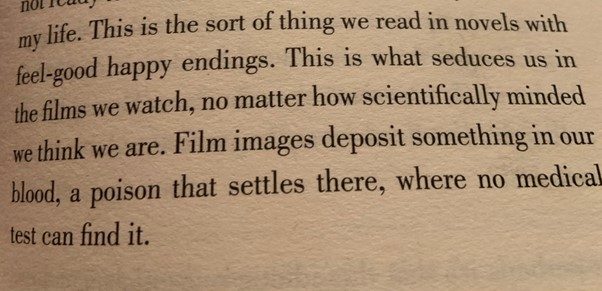
However, stories have a powerful impact on us and the way in which we see and experience the world. This is something is called cultivation theory – and our perception of the world around us is learnt from the culture we consume which we unconsciously mimic. When we are watching theatre and seeing stories come to life we have increased empathy for the people in the stories, their issues and it changes political attitudes.
We become, in a sense, what we read or consume– so a summer reading challenge to celebrate fundraising in and philanthropy fiction.
However, amongst the general negativity, there are some stories that celebrate and champion fundraisers and fundraising and what can be achieved.
Here are a few…
‘A fairy godmother is just another word for a philanthropist. A rich person who gives money to causes’
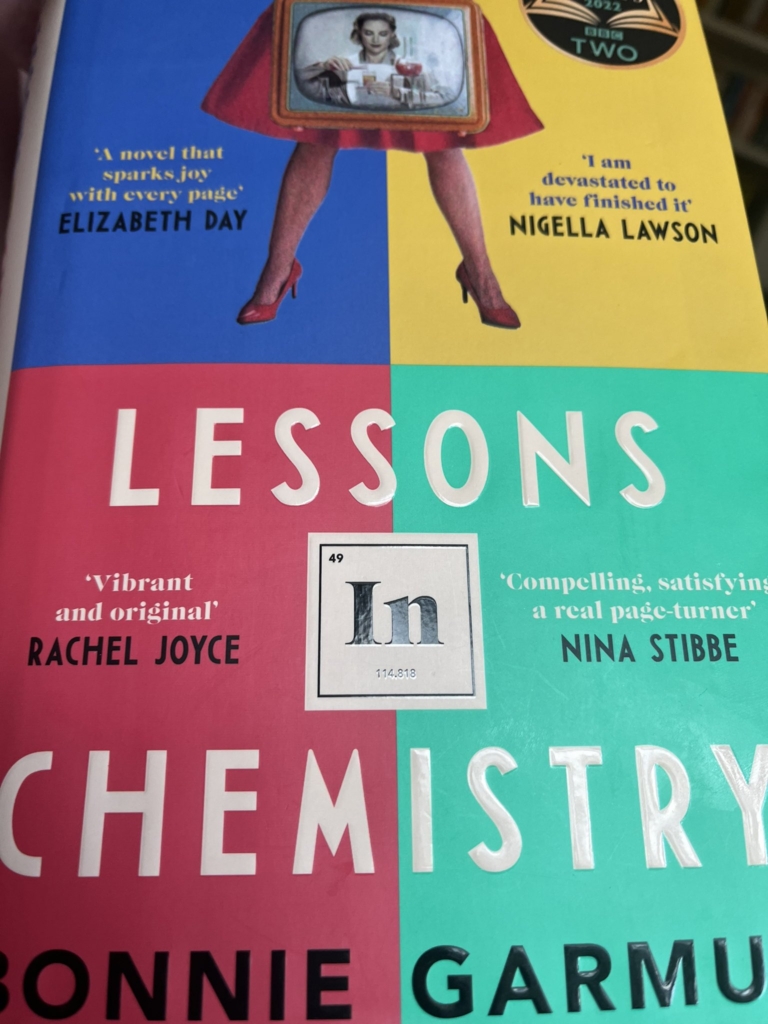
Lessons in Chemistry
Being described as charitable can be a shortcut to saying someone is a good person such as Lady Russell in Persuasion
Lessons in Chemistry and the impact of academic grants to succeed (more on that here)
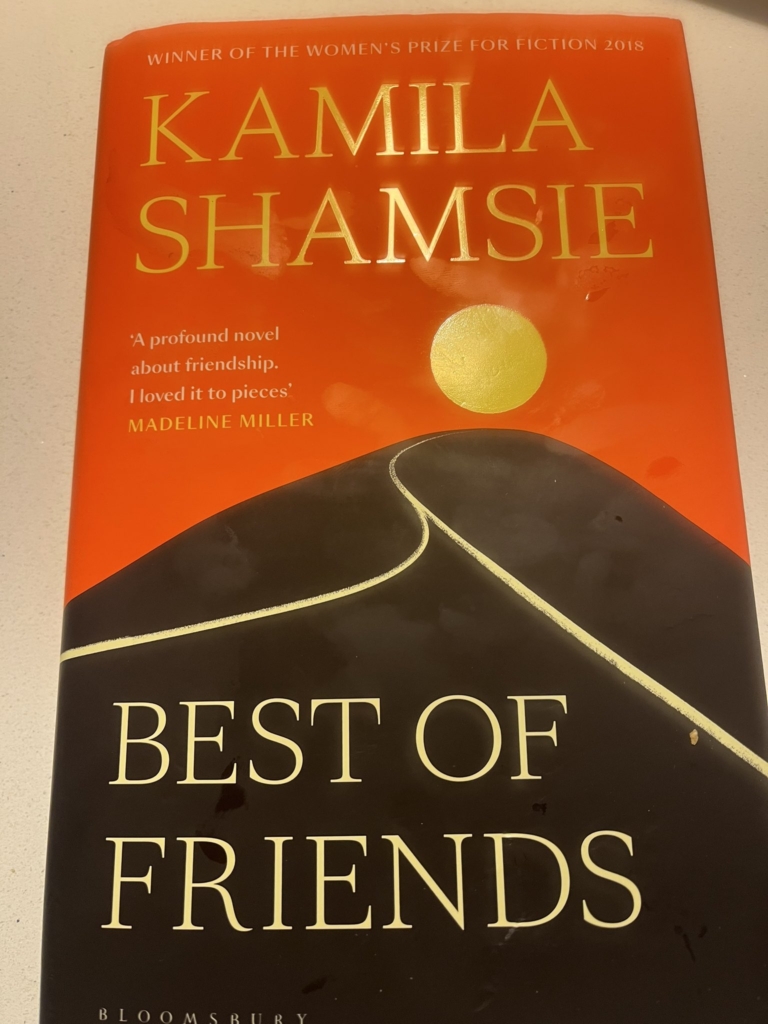
Great donor stewardship seen in personalised thank you notes from the CEO in Best of Friends by Kamila Shamsie
Positive community action and fundraising to save a local business in The Book Lovers by Emily Henry
Employment and opportunity by a particular legacy gift in J L Carr A Month in the Country
Fundraisers as charming in Death and the Penguin by Andrey Kurkov
Fundraisers as a job in Lost in A Good Book by Jasper Fforde
Hermione founding the The Society for the Promotion of Elfish Welfare and campaigning for societal change in Harry Potter and the Goblet of Fire
Donor care in Trust by Hernan Diaz
All gifts of whatever size being appreciated and valued in Rodham by Curtis Sittenfeld
A great exploration of what to do with wealth and working for a non profit in Pineapple Street by Jenny Jackson
First lines featuring fundraising
… so I am not sure these will rival dreaming of Manderley, possessing a fortune and wanting a wife, or the best of times but two stories that begin with fundraising
“Film legend and ‘60s It Girl Everyn Huge has just announced she will auction off 12 of her most memorable gowns through Christie’s to raise money for breast cancer research” 7 Husbands of Evelyn Hardcastle
And how’s this for a (philanthropic) first line?
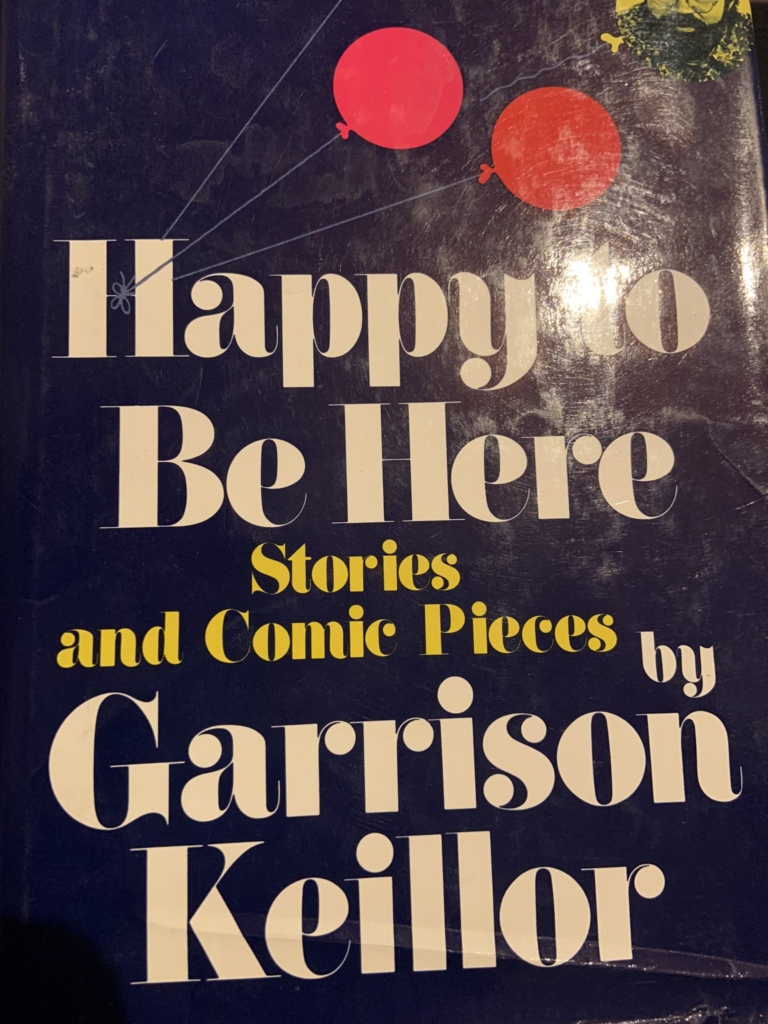
‘It was one of those sweltering days toward the end of the fiscal year when Minneapolis smells of melting asphalt and foundation money is as tight as a rusted nut’ Jack Schmidt, Arts Administrator
And, a counter argument to too many books talking about high overheads
The Diamond Brothers in the Blurred Man and I know what you did last Wednesday by Anthony Horowitz
“It was hard to believe that a charity worth millions of pounds could operate from such a small, shabby place. But maybe that was the point. Maybe they didn’t want to spend the money they raised on plush offices in the West End. It’s the same reason Oxfam shops always look run down. That way they can afford another ox”
How do we give money away … if you had millions… two literary suggestions for how to explore the issues
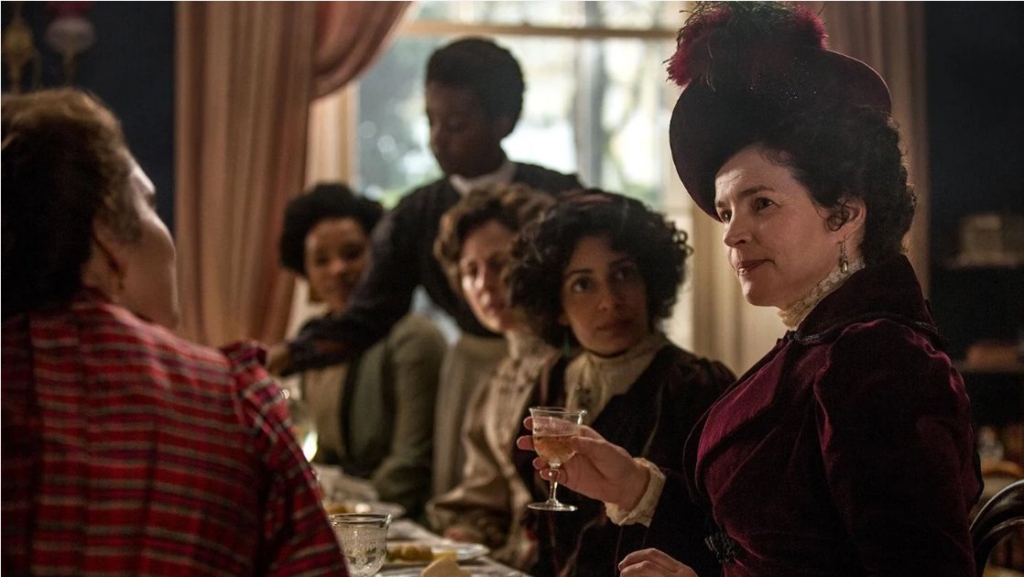
Howard’s End– as an after party diner game ‘How ought I to dispose of my money?’ with the host pretending to be a millionaire on the point of death discussing and debating how to dispose of the fortune and young Margaret Schlegel advises cash and the autonomy for individuals to choose what they need:
“Give them a chance. Give them money. Don’t dole them out poetry books and railway tickets like babies/ Give them the wherewithal to buy these things … give people cash, for it is the warp of civilisation whatever the woof may be”
Thanks to Rhodri Davis for this example.
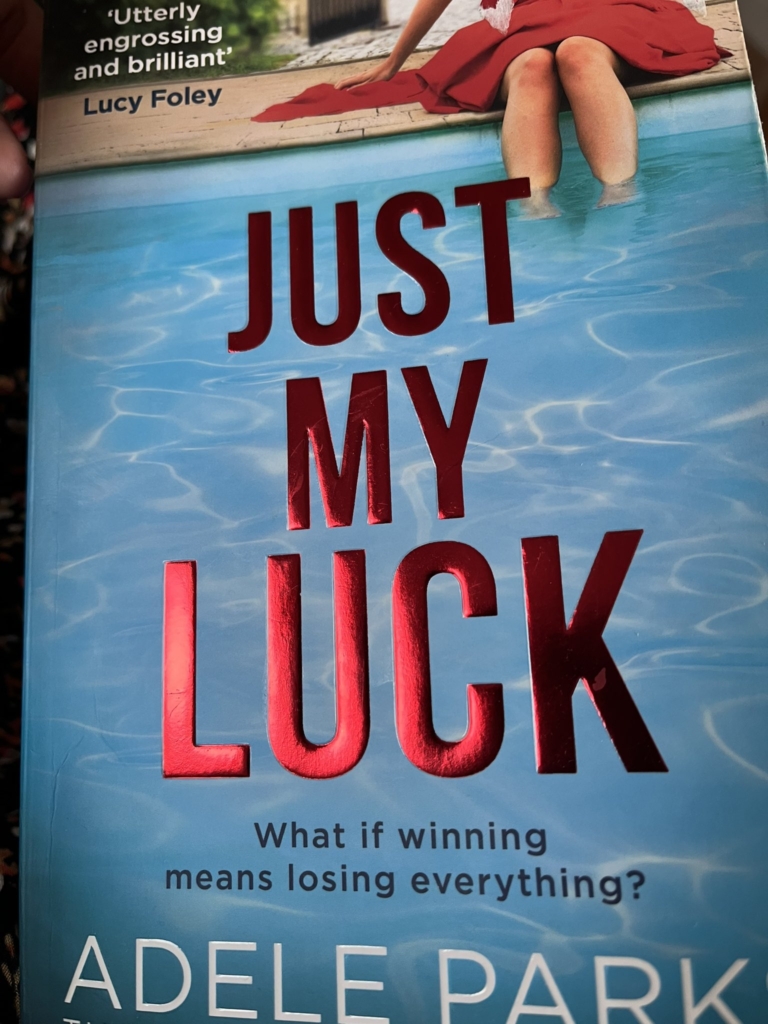
Just My Luck how much of a £12.8m lottery win do you give to charity and how do you decide which ones have the most impact
And a few bits of fundraising history unearthed through fiction
In contrast to the actual summer reading challenge which for the second year in a row doesn’t have cartoon children reading (there is at least a book in the picture this year). Here I am reading….
So … If we saw more positive portrayals of fundraising and charities in novels would it improve more people’s perception of fundraising and the good we do?
If you want to read more about how what you watch and read impacts you, here are three further sources.
For more examples of how fundraising, charity and philanthropy appears in fiction and in films and tv, you can follow my other account on twitter/X under ‘Philanthropy in fiction’ and follow a rather haphazard approach to interrogating what stories tell us about fiction.
Cue – eye roll from the fundraiser, and a back-to-basics explanation of how fundraising works to the well-meaning Development Committee member who suggested it.
It is a truth universally acknowledged that billionaire in a possession of a good fortune must be in want of making a donation to your charity … to badly paraphrase Jane Austen.
But what happens when the 3Cs (capacity, commitment and connection) are in place and you do ask actually the wealthiest and most generous philanthropist of your generation for financial support for your cause?
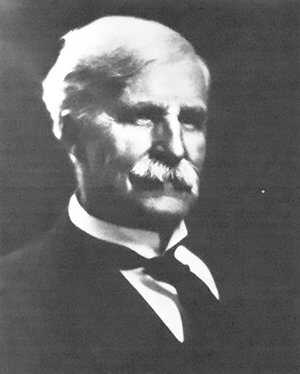
That’s what another Gates did – Frederick T Gates who secured a major gift from the biggest philanthropist of his day – John D. Rockefeller.
Following his success, he wrote 19 maxims on how to ask for charitable donations to causes.
Frederick T Gates
So what do these ‘Rules of Procedure’ say and do they still apply today?
“every gift… will depend not a little on their estimation of the importance of the canvasser.”
Who makes the ask remains a crucial factor in fundraising success, and one of the skills of the fundraiser is to decide who the right person to make the ask is – and to match it to the donor.
‘The importance of the canvasser’ is subjective – often it is the fundraiser who asks but for some donors the CEO or Chair of the Board is going to be the person they think is the most important person to ask them for the gift, for others it might be a peer-to-peer ask from another donor like them who asks them to join them in supporting the cause, for others it might be the Project Manager, the Curator or the Artist.
And sometimes a combination of all of these – and the skill of the fundraiser is to choreograph the dance between the various parties and pick the right canvasser for the right donor.
“Keep absolutely and serenely good humoured! …. Never argue with a man, never contradict him”
This speaks to the emotional labour a fundraiser has to perform– like customer service, hospitality staff or flight attendants the fundraiser is generally expected to manage their behaviour, emotional response and personal presentation in a certain way to ensure that the job is done smoothly and gifts secured.
The power dynamics in the donor/fundraiser relationship have ever been present.
Although, Gates speaks of making yourself as charming as possible to potential donors there are moments when we have to challenge the potential supporter, he says
“Never oppose anything which he says, that you are not absolutely bound to oppose by the very essence of your mission, in all else yield”
With the power dynamics in play at what point do we stop, and disagree based on mission, personal or organisational values, cause or other beliefs? And does our organisation support us if and when we do?
Gates goes on to speak about a values driven fundraising approach:
“do not ask a man for a dollar until you are in the depths of your soul satisfied that, viewed from the highest motives your cause fully justifies all the gifts and sacrifices you ask. Allow nothing to induce you to undertake a canvas that does not possess you through and through”
Do we need to believe in what we are asking for?
Gates was a Baptist Minister and asking for funds to support religious and wider education. For him the fundraising part of the role was a vocation, not a profession.
Are we asking for projects that we are passionate about? that you know where the money will be spent, the impact it will have, and the difference you are enabling the donor to make? That you, as the fundraiser, are informed and trust in the charity that you work for. Would we ever recommend another charity, or way to give the support the donor wanted?
“Dress well. Put on your best clothes and let them be costly … People size up one’s importance and dignity very largely by personal appearance and the size of their gifts … People are judged by these apparent trifles of personal appearance far more often than is expected”
Yes, when making the ask you want to wear your ‘best clothes’. To feel confident and different outfits might engender this confidence – and a subjective application of your ‘best’ clothes for the job – for some that is lipstick and heels, for others formal business attire, and for others it will be jeans and a t-shirt, or appropriate work clothes. Clothes often act as a placebo to help us feel more in control of the situation – read more about the placebo effect here. It depends on the ask, the cause, the charity, ourselves and the donor.
Are we judged by what we wear? Often, but there is a greater understanding perhaps from billionaire donors, or any other type of donor, that the person asking can come as their authentic self – whether that is the fundraiser or the CEO – in jeans or in heels (or both).
Sometimes a donor might want to meet you in a venue that has a particular dress code or expectation. Other times, like when visiting a building site for a capital project you might have to specify the dress code for the donor.
“Provide yourself with an elegant personal card .. cut off all your titles and do let the card even indicate your business”
Now Gates was writing at a time when those tasked with fundraising were in other organisational positions – the title of fundraiser did not appear on the payroll – he was an ordained minister and working for the Baptist Education Board trying to found a new university for Chicago.
Russell James III has done research on job titles used across fundraising teams and what works or doesn’t to help donors know who to talk to when considering gift. The title Director of Advancement was the worst performing title most disliked by donors – with only 7% saying they would contact someone with this title – however, more than 21% indicated that they “would definitely contact” a Director of Donor Advising. Often our job titles reflect our institutions and structures and are not helpful to supporters. Whilst removing them might be a step too far – do we need to rethink titles that are more meaningful to our supporters?
And when you fear a no …
“It is a good plan never to allow a man to give a final ‘no’ or to commit himself in words definitely and finally against your cause. If you see it coming … excuse yourself before the fatal word has come out and withdraw so as to give your excuse of coming again”
Fundraisers can often be frightened of receiving a no from a donor, and here Gates implies that we should leave before that ‘fatal word comes out’. However, but there are said to be 9 types of no and knowing what kind of ‘no’ you have got can help you shape the next conversation and ask…
“But though he declined, do not regard or let him regard the mater as closed. You will be near him again in a few days and things may look different to him. And how you have enjoyed the call and would like to call again”
Keeping the possibility of another conversation is important – that you can find the right project, area of work, amount, canvasser or hook that makes saying yes right for the donor.
“you should keep your enterprise well exploited to the public through the daily press. Never let a week pass without some public notice of your work”
Now with social media this sort of thing is not an issue, and multiple communications a day could appear in the feed of your potential donor. Continuing to champion your message on social media, in the traditional press and with other opinion formers remains important and how those outside your direct spheres of influence can hear about the impact of your work. Having the top five stories or facts about your charity that your board or development committee can share at a dinner party might have the same impact.
Making the ask
And when in the making the ask Gates has move advice … now a word of caution on the language – some of it is not how we would talk about donors now (victim and fish) but the focus on active listening, body language and allowing the donor to decide are important.
“Go straight to your subject without palaver … awaken the happy anticipation that your stay will be brief .. by going straight to the point at once”
“You must keep you victim, if I may so call him …. Good natured”
“give your fish the reel and listen with the deepest interest to every syllable”
(Active listening good – referring to your potential supporter as a hooked fish maybe not so good)
“If you find him big with gift, do not rush him too early to the birth”
“Make him feel that he is making the gift, not that it is being taken from him by violence”
“Appeal only to the noblest motives”
“Your victim will, himself, unconsciously and instinctively decide”
“if he is taciturn.. keep your own mill going, while you watch his face”
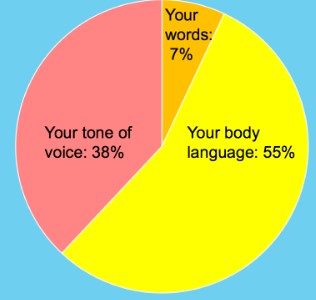
It is important to remember how we receive information and that the words are only 7% – the body language of your donor can give you 55% of what they are thinking so focussing on the non verbal clues is an important skill for a fundraiser.
And rather alarmingly…
“People bleed more easily after a vein has been opened”
Although there does seem to be truth in this – it is a device called the Benjamin Franklin method or the ‘foot in the door method’. Once someone has done something once for you, however small, they are more inclined to do something bigger for you. Is it Ken Burnett who says that a person who donates once is a responder but does not become a donor until a second gift.
And a bit more about Frederick Gates, his fundraising career & success with Rockefeller
Frederick T Gates, like his father before him was a Baptist minister and worked with the Baptist Academy and the American Baptist Education Society to raise funds for schools and seminaries.
They wanted to create a new university in Chicago but received ‘no encouragement’ from Rockefeller in this undertaking.
Gates and the team undertook methodical fundraising “arranging them [potential donors] in order of their ability and to indicate in connection with each name the amount that they might fairly be expected to give him some idea of the man in a series of brief remarks attached to each name”
What did these proto prospect research notes look like?
Well, this was definitely in pre GDPR/data protection days and not designed to be read by the donor! The notes include:
“ignorant man. Will perhaps show you his fine horse and library”
“He will be glad to see you and talk freely but you will need all your wit and wisdom to land him”
All of these conversations were used to get pledges of those that might be interested in supporting the scheme.
A previous scheme for a Baptist University in Chicago had failed and Rockefeller was suspicious of getting involved in another. Demonstrating how important trust is in the donor relationship is.
Civic and religious pride was also invoked in the campaign – and there was a debate over whether the great Baptist University ought to be in Chicago or NYC. There was also competition between the Baptists, Presbyterians and Methodists on which denomination might found one in Chicago first.
Gates worked to understand what was important to Rockefeller. Rockefeller’s background and interest in education and shaped the proposal accordingly (now this might be a bit too donor centric for today’s taste) but the university expanded to support feeder schools and the systemic change to the system. After reading through detailed plans in a ‘confidential’ board paper entitled ‘The Need of A Baptist University in Chicago as Illustrated by a Study of Baptist Collegiate Education in the West’ ‘found’ its way to Rockefeller.
Rockefeller was starting to get keen to meet Gates and know more about his plans, but his wife got a cold and it had to be rescheduled. But Rockefeller was also keen to know public opinion. So Gates galvanised a press campaign championing the virtues of the university scheme.
In 1899 Gates was introduced to Rockefeller, but Rockefeller said he was ‘very busy’ and that Gates could write to him. Gates used this invitation to his full advantage.
“I can now write with very great care choosing all my words and making proper qualifications and reservations where needed and fortifying my points as tactfully as possible”
Rockefeller was impressed by the business minded approach of the letter and the solutions to the education issues proposed and the understanding it showed of the complexity of the problem and its solution. It demonstrates the importance to know your field and respect the expertise of those funding and working in the area.
Gates wrote to Rockefeller on the Sunday.
On the Tuesday, he was invited to lunch with Mr Rockefeller on the Wednesday.
At that first lunch on the Wednesday, they did not even discuss the funding proposal but talked about general topics.
On the Thursday Mr Rockefeller invited him to accompany him to Cleveland on a business trip.
This all happened in January, in February Rockefeller was publicly on board and suggesting names of useful committee members and donors (just the kind of donor we like!)
Don’t be afraid to ask for what you need – and don’t always take the first offer
In a reverse of the traditional nos of fundraising – this time it was the fundraiser who said no.
Rockefeller offered $400,000 towards the Chicago University project
Gates said ‘no – that’s not enough’
Rockefeller raised it to $500,000
But Gates kept going
$600,000 was agreed on (towards the target of $1m for the project)
Sometimes we need to be braver in the ask – what we need to thrive, not just survive.
The celebrity support of Rockefeller helped bring in the other gifts and a further $200,000 in matched gifts was raised shortly after.
“even the ‘hard nuts’ are coming into line’
Once a campaign is perceived to have prominent and influential support others are more likely to join. Supporters often want to know ‘who else is giving?’ so they feel that their gift is a normal and desirable thing for people like them.
And the rest is history….
In 1892 Rockefeller asked Gates to be his personal agent and help him decide on where to give
Gates notoriously told Rockefeller
“Your fortune is rolling up, rolling up like an avalanche! You must keep up with it! You must distribute it faster than it grows! If you do not, it will crush you and your children and your children’s children.”
Gates helped Rockefeller develop his approach to giving and look at the root causes of issues like education and medicine rather than just providing relief. In 1901 Rockefeller Institute for Medical Research was founded looking into disease prevention and Gates’ advice led to the creation of the Rockefeller Foundation in 1913.
So if you do have the capacity, commitment and connection with a billionaire remember
Who asks is important
Set your charm on stun – but don’t forget your integrity
Wear your ‘best clothes’ – whatever that means for you
https://marinajones.uk/wp-content/uploads/2023/08/gates-eyes.jpg109495adminhttps://marinajones.uk/wp-content/uploads/2022/12/f2b903e010104f5aa61ea1821a685913.pngadmin2023-08-16 20:37:032024-10-27 13:10:45Why don’t you ask Bill Gates?
Yawning and laughter are contagious because of ‘mirror neurons’ – basically when we see an action like yawning it fires neurons in our brains that make us yawn. Do we mirror kindness we see in novels? We rarely see charitable giving… … if we saw more charitable giving and philanthropy in novels, would we be more generous?
“Novelists generally make their philanthropists fools”
F B Morey-Coutts in The Times 1884
What are we invertedly learning about philanthropy and fundraising through fiction?
Stories are memorable. People pay attention to stories and learn through stories. When engaged in a story mirror neuron ensure you feel and experience the emotions of protagonist- and add to knowledge of how you would react in real life. They are a space where we imagine, we learn how to behave, how to react, how to explore and what social norms are.
Quoted from ‘Voices of the Lost’ by Hoda Barakat
In ‘Hooked’ stories are compared to a Trojan horse – we accept the free gift of an entertaining story but also unknowingly absorb the message.
“opposable thumbs let us hang on; stories told us what to hang on to”
Wired for Story
When philanthropists and fundraising appear in novels what are we then absorbing?
Often philanthropists are fundamentally bad and there is the oft repeated trope of the villain who gives philanthropically to mask their corporate and capitalist crimes. Reputational laundering in both fiction, and the popular press, seems to be a dominating motivation for any charitable donation.
When I started this project at the start of lockdown in March 2020 it was to capture and collate some examples of philanthropy and fundraising in fiction. It has never been a systematic undertaking but rather an odd assortment of half remembered moments from stories, books I have read, poetry and reading with the children, films, tv shows, plays and operas watched (and I am not sure why the Philanthropy in Fiction Twitter @Philanthropyin3 account started anonymously) All of them tell us something about what we think about philanthropy – about people giving time, talent or treasure voluntarily for their own version of public good.
Philanthropy in novels and tv shows tells us about how we want to the world to be, about cultural and societal expectations and understandings of charity – from Jane Austen’s Emma going on a charitable visit to the poor sick families, to Scarlett O’Hara and Melly Wilkes giving up their wedding ring at the charity fundraiser for the Cause, to Biff and Chip raising money for Comic Relief in the Oxford Reading Tree books for primary schools – we are learning about philanthropy in time, in place and aspiration.
Beth Breeze in her ‘In Defence of Philanthropy’ talks about how we don’t like those that give too much or too little (we prefer the Goldilocks effect – not too much, not too little – just right – the middle option). Breeze talks about do-gooder derogation where those that stand up publicly for their values and do them publicly and actively are derided and dismissed as having false motives. Philanthropists, like vegans are dismissed as seeking praise or doing it for the wrong motives.
There are good and selfless and well-motivated, pious, thoughtful philanthropists and acts of philanthropy in novels but they are in the minority. I want to find more.
And continue to share those that I find along the way.
https://marinajones.uk/wp-content/uploads/2023/01/Fl3EoVnWAAIxTeX.jpeg13501080adminhttps://marinajones.uk/wp-content/uploads/2022/12/f2b903e010104f5aa61ea1821a685913.pngadmin2023-01-01 22:14:312023-02-06 16:29:58Philanthropy in fiction
We may request cookies to be set on your device. We use cookies to let us know when you visit our websites, how you interact with us, to enrich your user experience, and to customize your relationship with our website.
Click on the different category headings to find out more. You can also change some of your preferences. Note that blocking some types of cookies may impact your experience on our websites and the services we are able to offer.
Essential Website Cookies
These cookies are strictly necessary to provide you with services available through our website and to use some of its features.
Because these cookies are strictly necessary to deliver the website, refusing them will have impact how our site functions. You always can block or delete cookies by changing your browser settings and force blocking all cookies on this website. But this will always prompt you to accept/refuse cookies when revisiting our site.
We fully respect if you want to refuse cookies but to avoid asking you again and again kindly allow us to store a cookie for that. You are free to opt out any time or opt in for other cookies to get a better experience. If you refuse cookies we will remove all set cookies in our domain.
We provide you with a list of stored cookies on your computer in our domain so you can check what we stored. Due to security reasons we are not able to show or modify cookies from other domains. You can check these in your browser security settings.
Google Analytics Cookies
These cookies collect information that is used either in aggregate form to help us understand how our website is being used or how effective our marketing campaigns are, or to help us customize our website and application for you in order to enhance your experience.
If you do not want that we track your visit to our site you can disable tracking in your browser here:
Other external services
We also use different external services like Google Webfonts, Google Maps, and external Video providers. Since these providers may collect personal data like your IP address we allow you to block them here. Please be aware that this might heavily reduce the functionality and appearance of our site. Changes will take effect once you reload the page.
Google Webfont Settings:
Google Map Settings:
Google reCaptcha Settings:
Vimeo and Youtube video embeds:
Other cookies
The following cookies are also needed - You can choose if you want to allow them:
Privacy Policy
You can read about our cookies and privacy settings in detail on our Privacy Policy Page.