

Summer Reading Challenge: Fundraising edit (fiction)
Completing the library summer reading challenge with the children – where primary school aged children need to read six books over the summer and get stickers and a medal. I was thinking about what would make a fundraising reading challenge.
Too often when fundraising appears in fiction it is a negative way – corruption, begging, ‘psychic blackmail’, self-interest, brand building, giving for guilt or spite, ‘cookie pusher’ (seen below in Lego form), attending charity events with no sense of the charity or cause, and generally reinforcing negative stereotypes about motives and efficacy of charities. They often show how charity is embedded into the fabric of our society and how we interact with them – one of the most frequent is donating unwanted things to charity shops.

However, stories have a powerful impact on us and the way in which we see and experience the world. This is something is called cultivation theory – and our perception of the world around us is learnt from the culture we consume which we unconsciously mimic. When we are watching theatre and seeing stories come to life we have increased empathy for the people in the stories, their issues and it changes political attitudes.
We become, in a sense, what we read or consume– so a summer reading challenge to celebrate fundraising in and philanthropy fiction.
However, amongst the general negativity, there are some stories that celebrate and champion fundraisers and fundraising and what can be achieved.
Here are a few…
‘A fairy godmother is just another word for a philanthropist. A rich person who gives money to causes’
Lessons in Chemistry
- Being described as charitable can be a shortcut to saying someone is a good person such as Lady Russell in Persuasion
- Lessons in Chemistry and the impact of academic grants to succeed (more on that here)
- Great donor stewardship seen in personalised thank you notes from the CEO in Best of Friends by Kamila Shamsie
- Positive community action and fundraising to save a local business in The Book Lovers by Emily Henry
- Employment and opportunity by a particular legacy gift in J L Carr A Month in the Country
- Fundraisers as charming in Death and the Penguin by Andrey Kurkov
- Fundraisers as a job in Lost in A Good Book by Jasper Fforde
- Hermione founding the The Society for the Promotion of Elfish Welfare and campaigning for societal change in Harry Potter and the Goblet of Fire
- Donor care in Trust by Hernan Diaz
- All gifts of whatever size being appreciated and valued in Rodham by Curtis Sittenfeld
- A great exploration of what to do with wealth and working for a non profit in Pineapple Street by Jenny Jackson
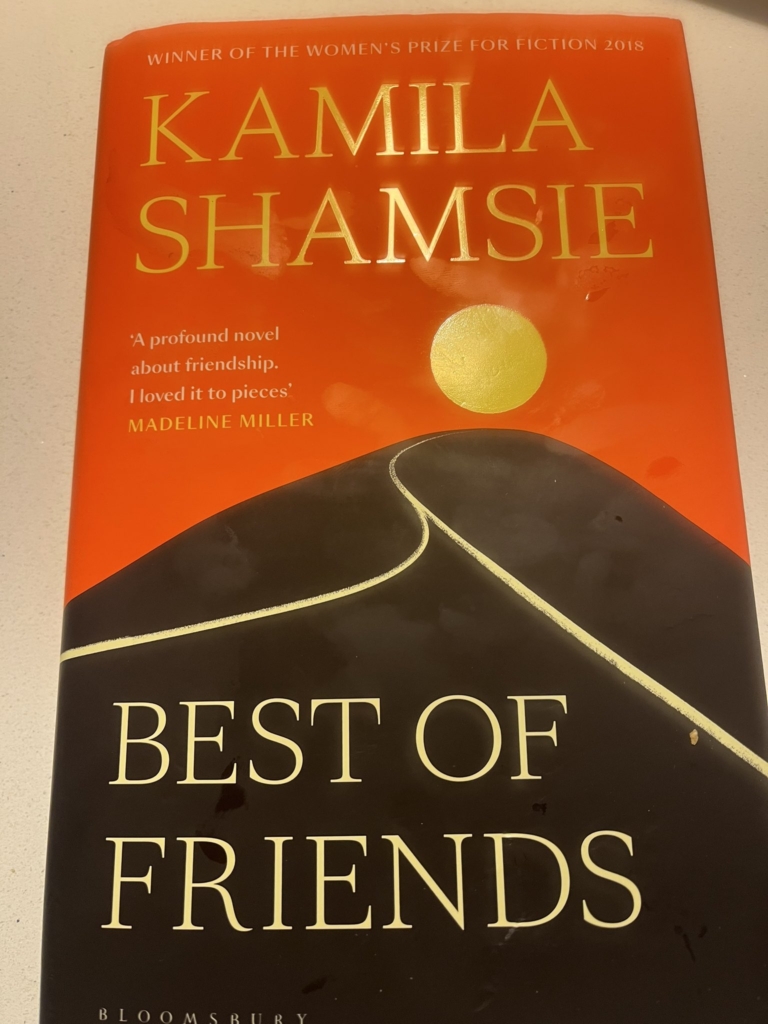
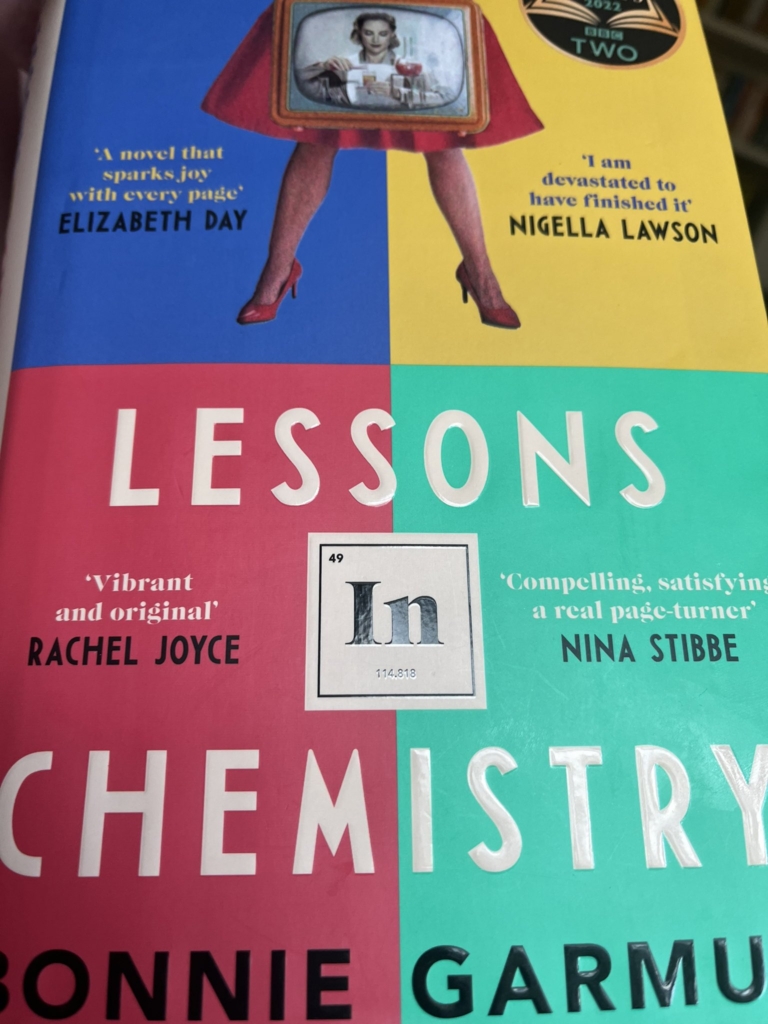
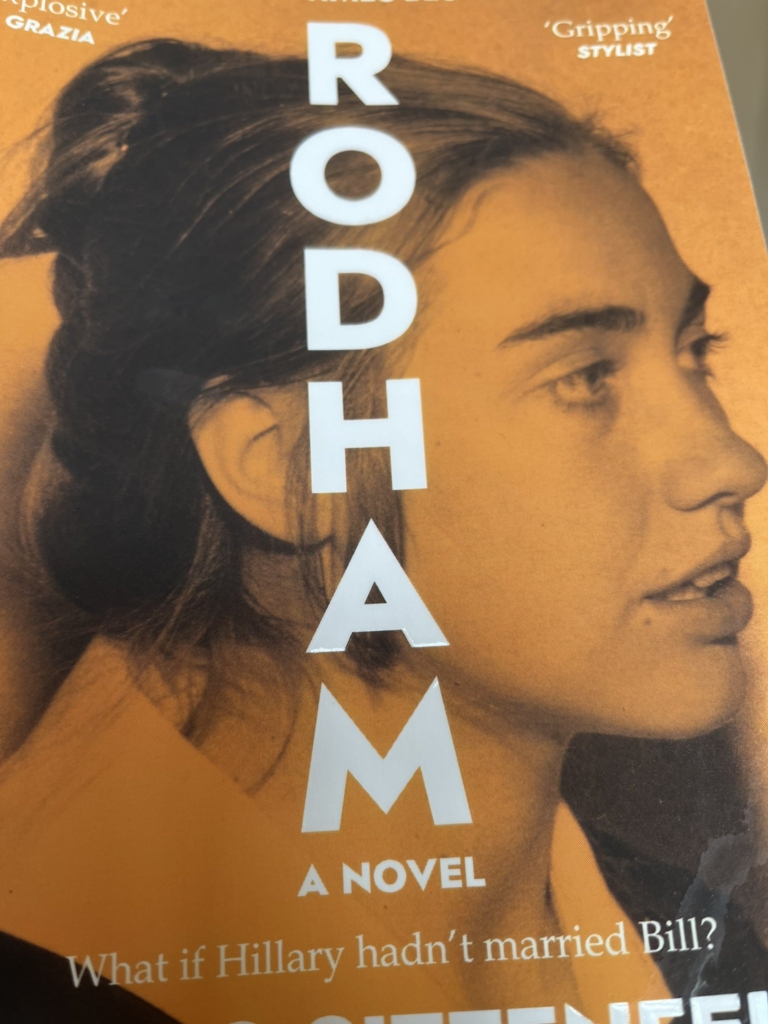
First lines featuring fundraising
… so I am not sure these will rival dreaming of Manderley, possessing a fortune and wanting a wife, or the best of times but two stories that begin with fundraising
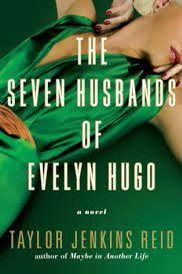
“Film legend and ‘60s It Girl Everyn Huge has just announced she will auction off 12 of her most memorable gowns through Christie’s to raise money for breast cancer research” 7 Husbands of Evelyn Hardcastle
And how’s this for a (philanthropic) first line?
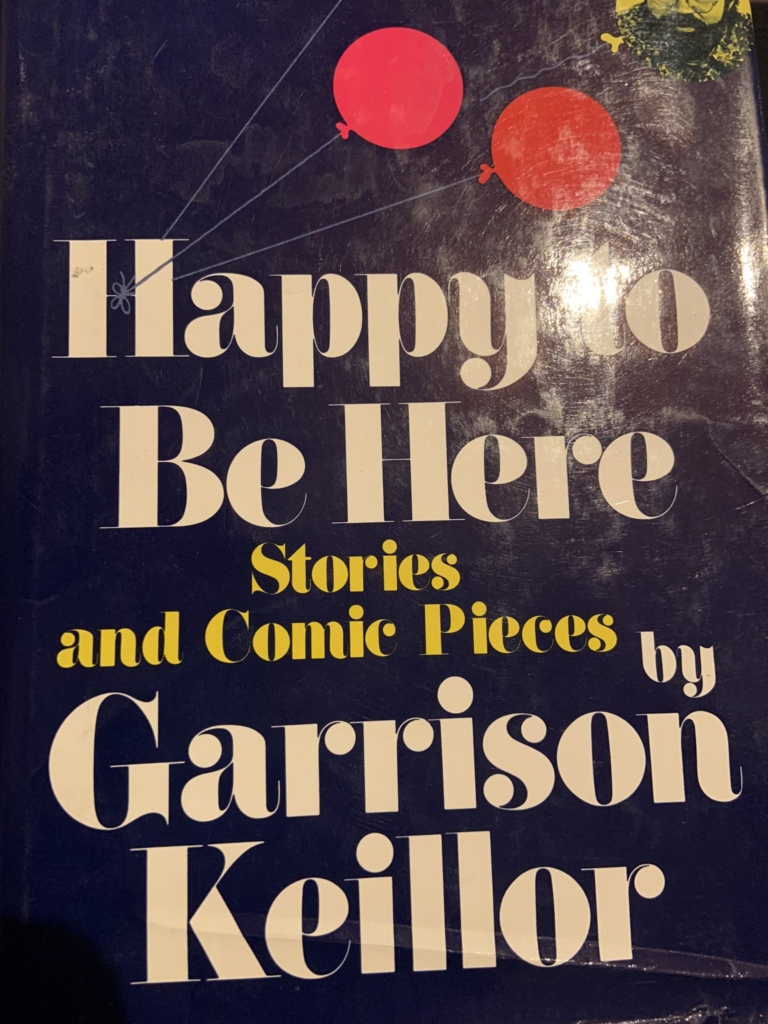
‘It was one of those sweltering days toward the end of the fiscal year when Minneapolis smells of melting asphalt and foundation money is as tight as a rusted nut’ Jack Schmidt, Arts Administrator
And, a counter argument to too many books talking about high overheads
The Diamond Brothers in the Blurred Man and I know what you did last Wednesday by Anthony Horowitz
“It was hard to believe that a charity worth millions of pounds could operate from such a small, shabby place. But maybe that was the point. Maybe they didn’t want to spend the money they raised on plush offices in the West End. It’s the same reason Oxfam shops always look run down. That way they can afford another ox”
How do we give money away … if you had millions… two literary suggestions for how to explore the issues
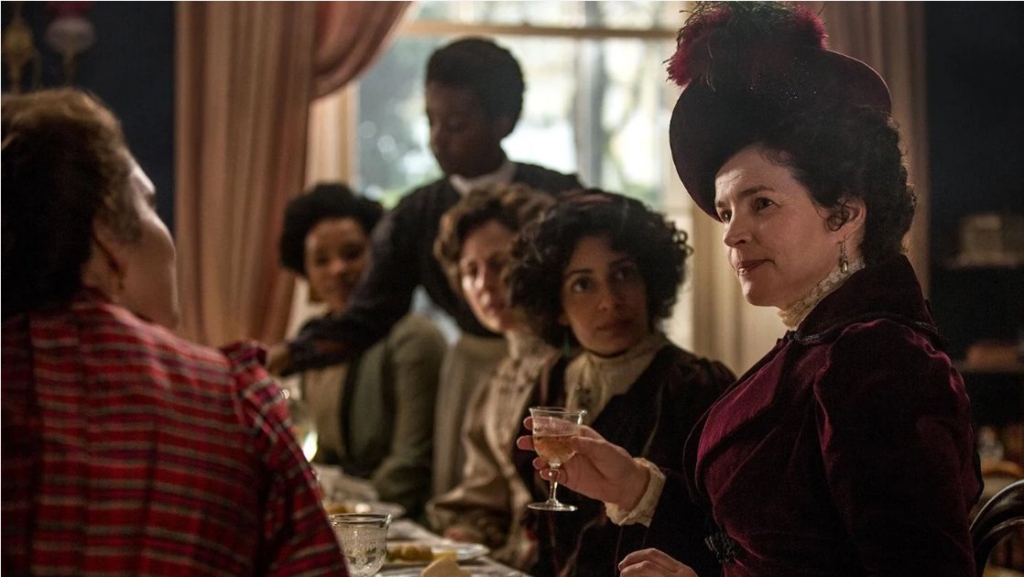
Howard’s End– as an after party diner game ‘How ought I to dispose of my money?’ with the host pretending to be a millionaire on the point of death discussing and debating how to dispose of the fortune and young Margaret Schlegel advises cash and the autonomy for individuals to choose what they need:
“Give them a chance. Give them money. Don’t dole them out poetry books and railway tickets like babies/ Give them the wherewithal to buy these things … give people cash, for it is the warp of civilisation whatever the woof may be”
Thanks to Rhodri Davis for this example.
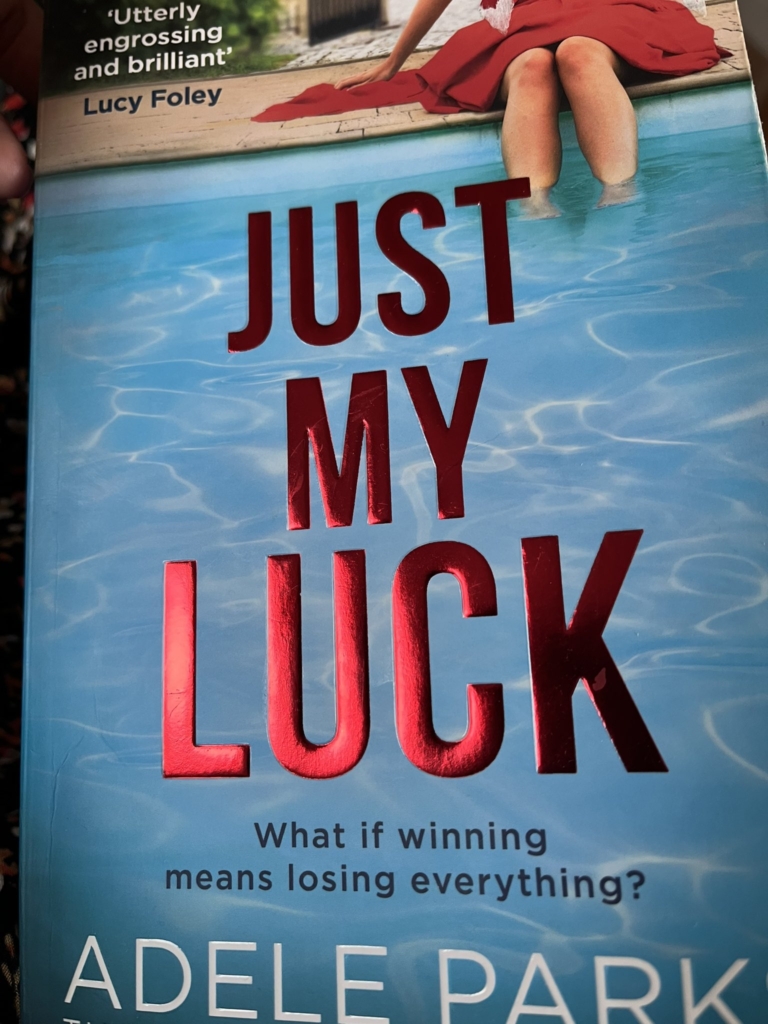
Just My Luck how much of a £12.8m lottery win do you give to charity and how do you decide which ones have the most impact
And a few bits of fundraising history unearthed through fiction
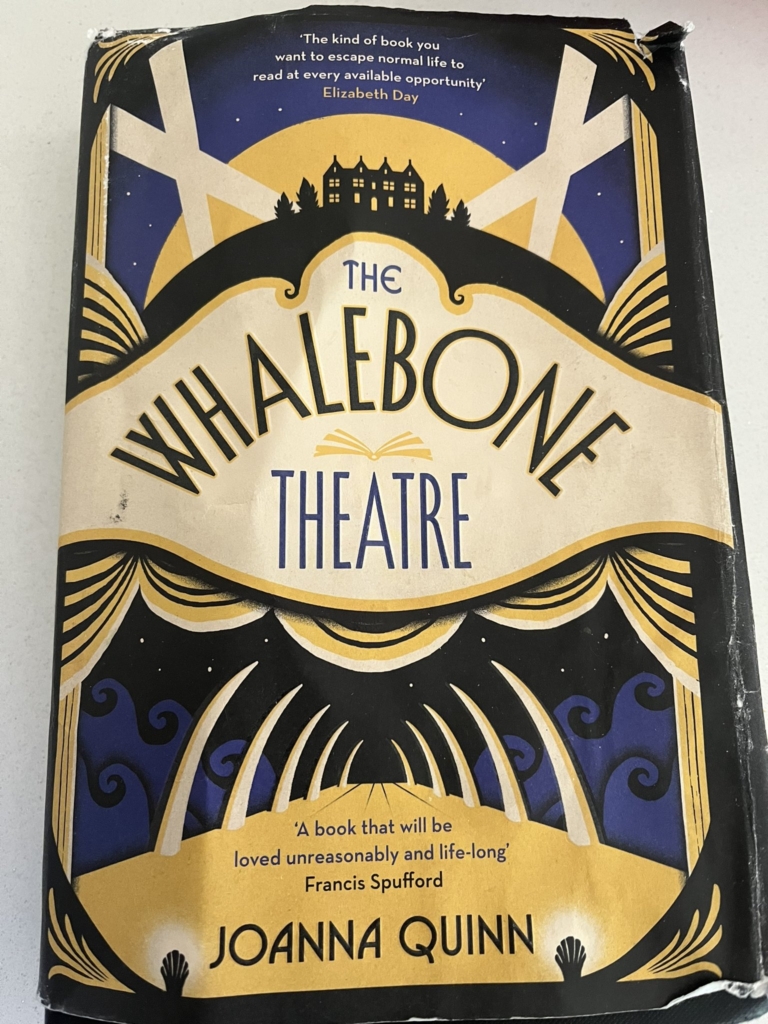
- Spitfire Crowdfunding campaign in The Whalebone Theatre by Joanna Quinn (which you can read more about here and how a blank cheque sparked a fundraising revolution https://marinajones.uk/spitfirefund/ or listen to this to learn more Spitfire: The People’s Plane – Crowdfunding – BBC Sounds)
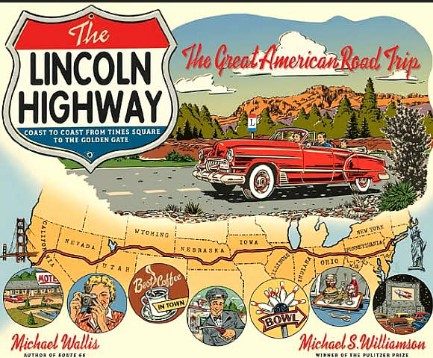
- Raising funds for a highway from The Lincoln Highway by Amor Towles which inspired this blog It really is true everything is a project in fundraising … but could you fundraise for a motorway? – Marina Jones
In contrast to the actual summer reading challenge which for the second year in a row doesn’t have cartoon children reading (there is at least a book in the picture this year). Here I am reading….



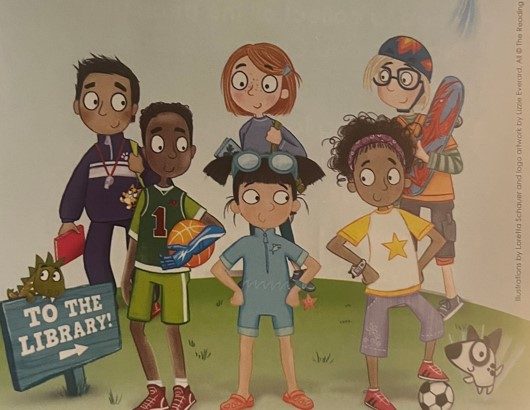
So … If we saw more positive portrayals of fundraising and charities in novels would it improve more people’s perception of fundraising and the good we do?
If you want to read more about how what you watch and read impacts you, here are three further sources.
- Theatre making us more philanthropic and empathetic The Science of Live Theatre | Psychology Today
- An academic analysis of volunteering on TV Portrayals of Volunteering on U.S. Television: A Textual Analysis – Kimberly Wiley, Marissa Evans, 2022 (sagepub.com)
- How children learn about charity, philanthropy and voluntary action an assessment of the literature Philanthropic tales: A critical analysis of how philanthropic citizenship is represented in children’s picture-books – problems and possibilities – Alison Body, Jayne Lacny, 2023 (sagepub.com)
For more examples of how fundraising, charity and philanthropy appears in fiction and in films and tv, you can follow my other account on twitter/X under ‘Philanthropy in fiction’ and follow a rather haphazard approach to interrogating what stories tell us about fiction.








Leave a Reply
Want to join the discussion?Feel free to contribute!