Make it easy pee-sy; what can fundraisers learn from WC design
There are thousands of tiny design choices that help make our interactions easier and simpler as we move around the world. This design architecture makes it easier for our brains to process what is asked of us.
We see it on trains, planes and on public transport.
And on restaurant menus – and you can use these to help with your fundraising here and here.
But, we also see it in bathrooms – so what do we see and why does it work.
So here are some ways that behavioural nudges in bathroom design could be used to add nudges to your fundraising
1. Make it easy – colour coding & availability
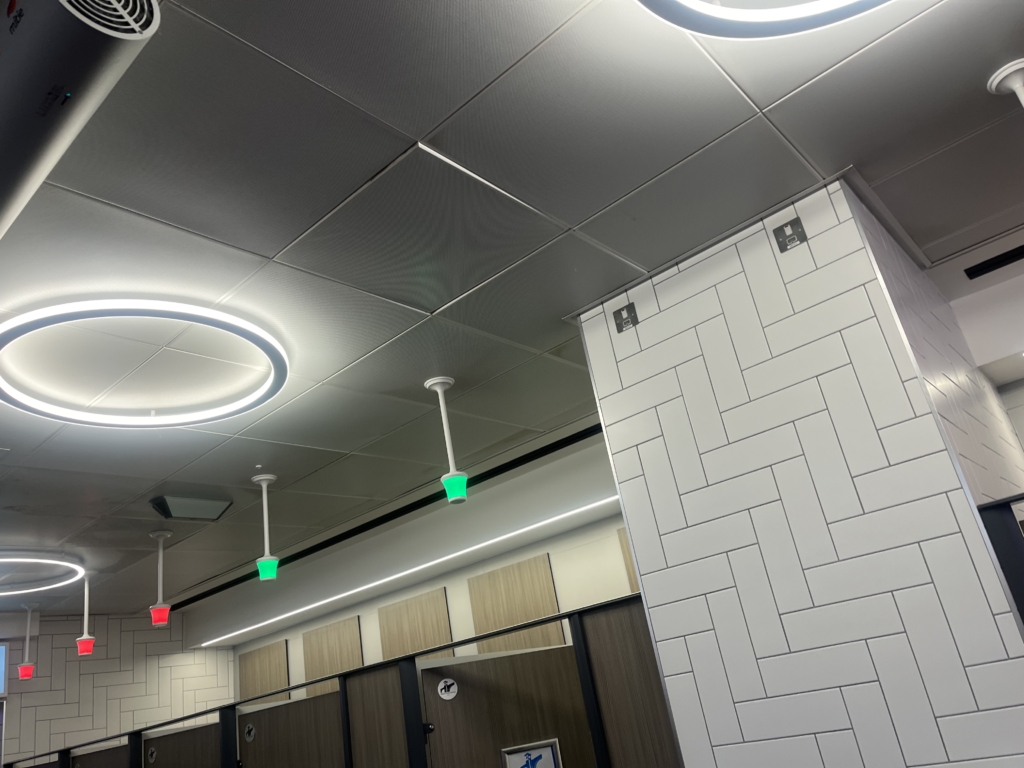
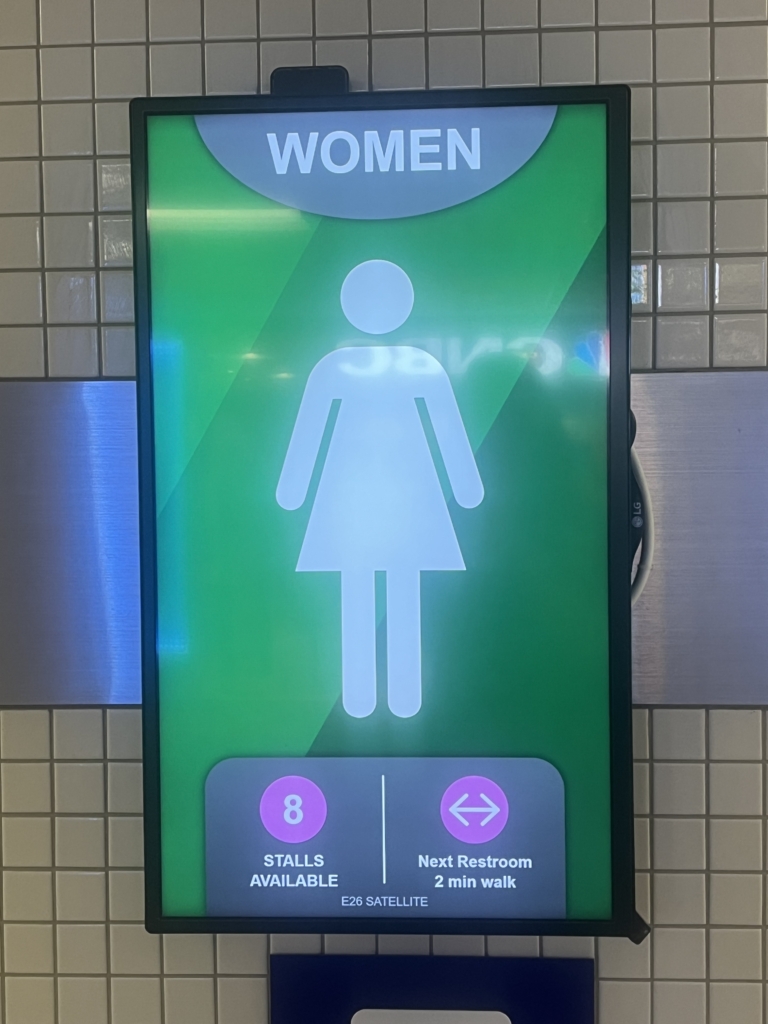
These WCs at Kings Cross station have lights above the stalls – green for free and red for occupied (this lighting scheme is also used in car parks).
Green in travel means go, and red says stop (also danger, anger, love and lust). Red traditionally means warning, and gets our attention – our primitive brains have evolved to respond quicker to red, and this quicker processing answers the evolutionary imperative and keeps us safe and away from danger.
So, if colours have this powerful and innate reaction in our brains, how can we use them to help our fundraising? To help guide our donors and to increase the fluency of a donor journey?
And, what colour should your donation buttons be?
- Red for attention and urgency? If we can process it faster and know it grabs attention? Does red prime people to stop? Or increase the sense of urgency and demand action?
- Or green for go?
- Or a contrasting colour to your brand colour to stand out in a different way?
(I have not seen any experiments or data to show what works for one charity – we need to test the most impactful colours with our donor base and with specific appeals)
2. Why do banana skin safety cones increase safety?
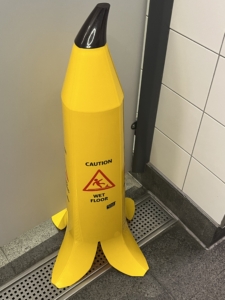
We have a pre-existing knowledge that bananas are slippery.
This knowledge has been around since 1800s (or as long as people have eaten bananas and dropped them onto a hard surface). In the 1800s bananas were popular in New York but poor sanitation meant rotted on the streets and became slippery and the comedy gag developed. This well known trope is recognised by children and adults and in different cultures.
So scientists applied this knowledge to the safety cone – testing various shaped warning signs to warn people.
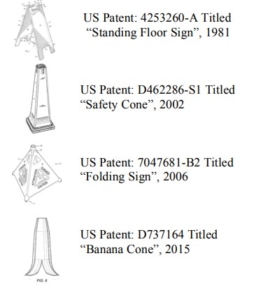
So banana shaped safety warning codes attract our attention because they are a novelty shape and colour and it links to our pre-existing knowledge that bananas as are slippery. The tests demonstrated that a banana shaped warning code reduced incidents and accidents.
- How can we use our supporters pre existing knowledge of tropes or shapes (or fruit) to inform behaviour?
3. Feedback loop
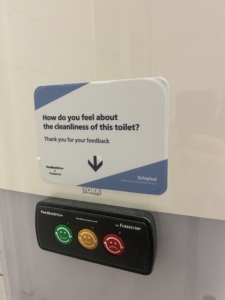
We appreciate immediate feedback that demonstrates the instant impact of our actions and choices – pressing a button gives us a reward – an ego boost – for contributing our opinion. This feedback about the cleanliness of the toilets gives us positive way to feedback. These buttons also enhance our agency by adding to our illusion of being in control . – it also links into the Ikea effect that we value something more if we have been involved in the construction of it. Offering feedback is a way of engaging and demonstrating our connection.
- How can we ask for feedback from our supporters on the impact they make? That gives them an ego boost for participating, allowing us to quickly adjust our behaviour.
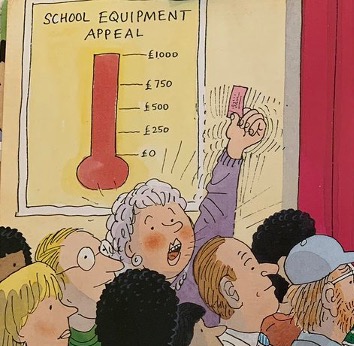
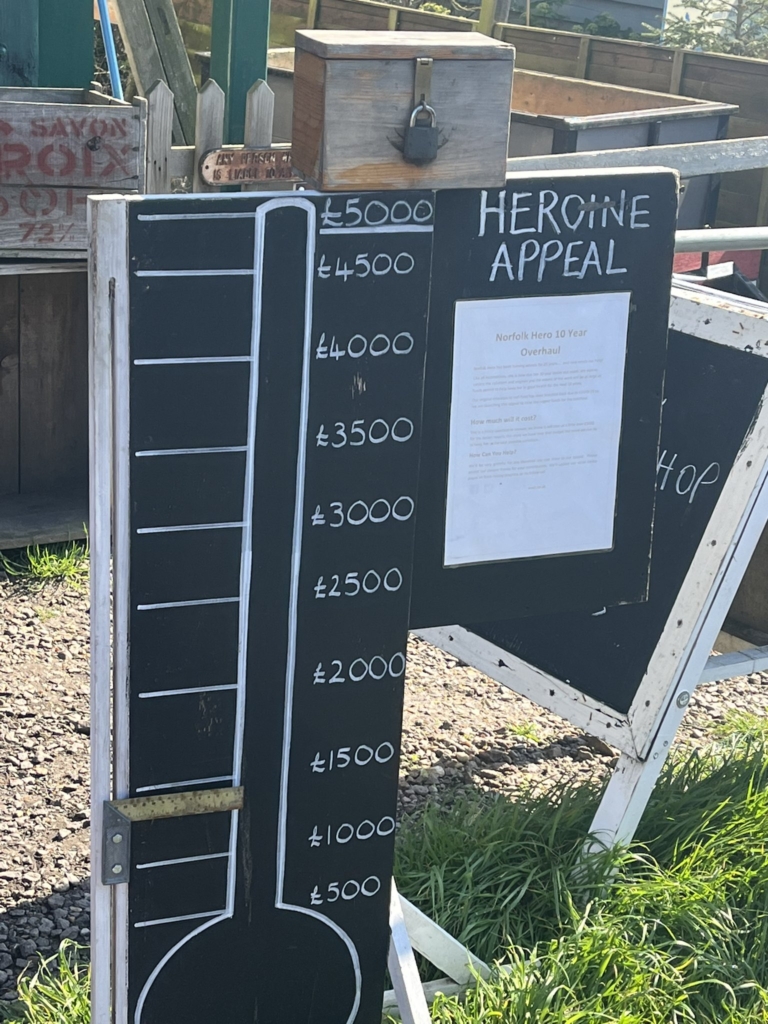
It can be something as simple as seeing the line rise on the fundraising thermometer – online, or a more old fashioned physical one likes these examples
4. To pee or not to pee
An enormous amount of scientific time and effort has been spent trying to get men to reduce spillage when using urinals. A few notable examples:
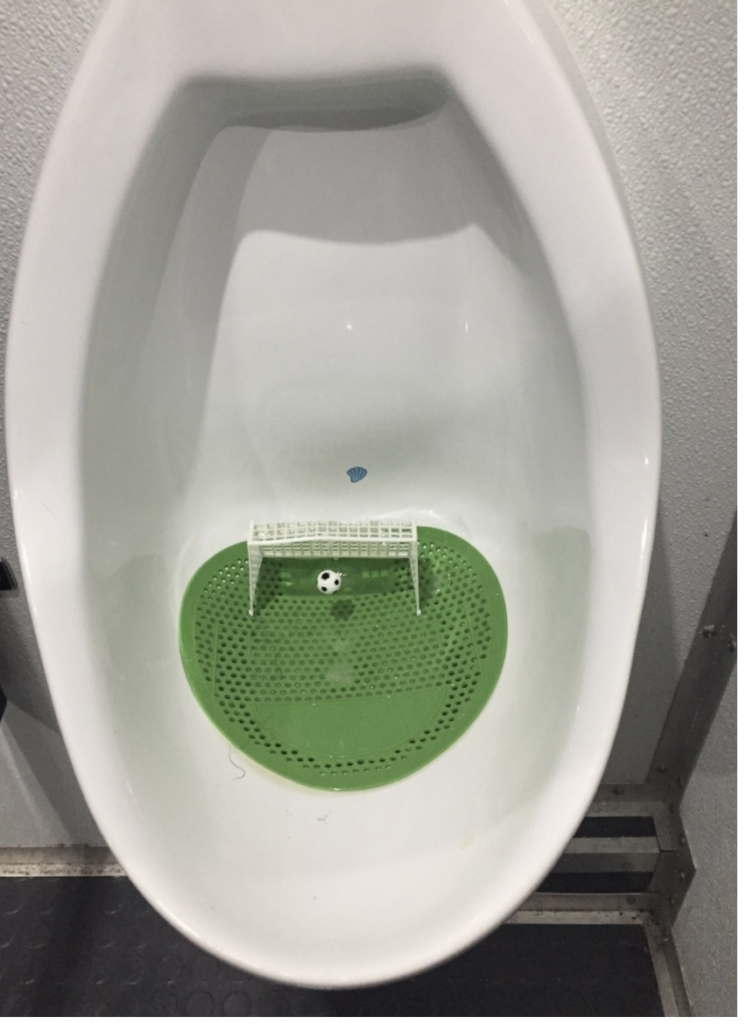
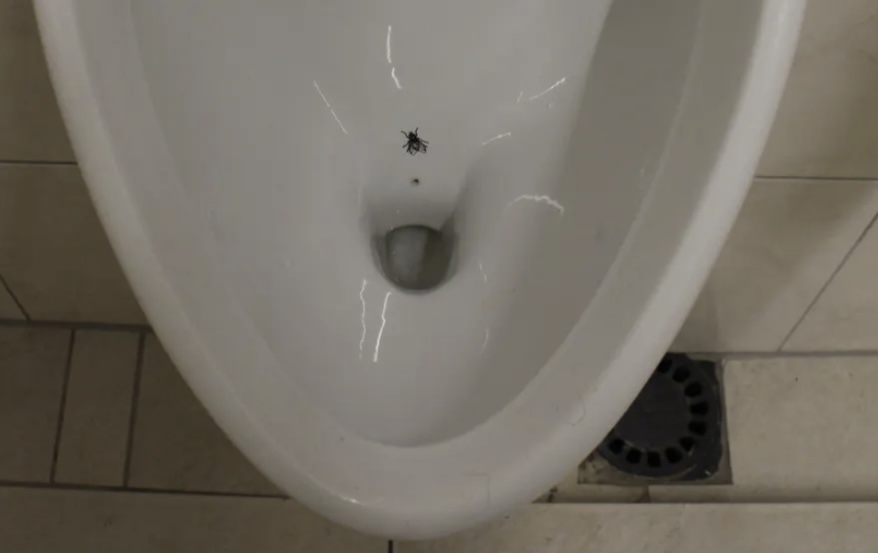
The fly example (right) at Schiphol airport reduced spillage by 80% and reduced cleaning costs by 8% – showing the power and efficacy of these fun but simple nudges.
And a drunk driving one…testing if you can ‘drive’ straight.
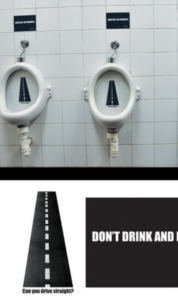
- How could you apply this to your fundraising? And make a simple process more fun and engaging? More of a rewarding game?
5. Clear expectations
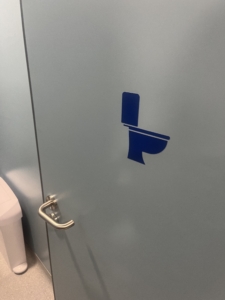
Public spaces are increasingly using visual signage – these from the People’s Museum in Manchester show you want to expect in the different WCs. We process images faster than words so this speed up cognitive processing and makes it easier for our brains to know what behaviours are expected.
- How can you use visual signage and infographics to help donors process the information that you want them to know and understand what action you want them to take?
6. Catch people where they are
The mere exposure effect says that the more we are exposed to a message, the faster and easier it is for our neurons to process. The more we see the message, the faster we get at processing and understanding it.
How can you prime them to think about making a donation when they are in the WC?
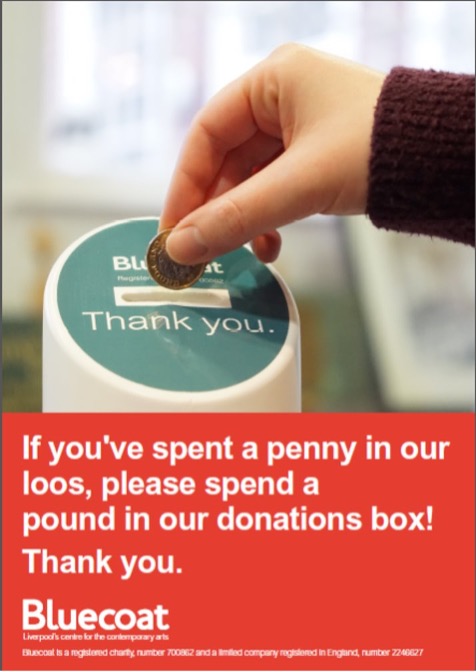
I am a big fan of posters on the back of toilet doors. Repeating messages that they have seen in other campaigns can nudge towards the desired behaviour. The Bluecoat example below shows someone giving and invites you to make a gift – when you see the donation box in the foyer you have been primed to put money in it.
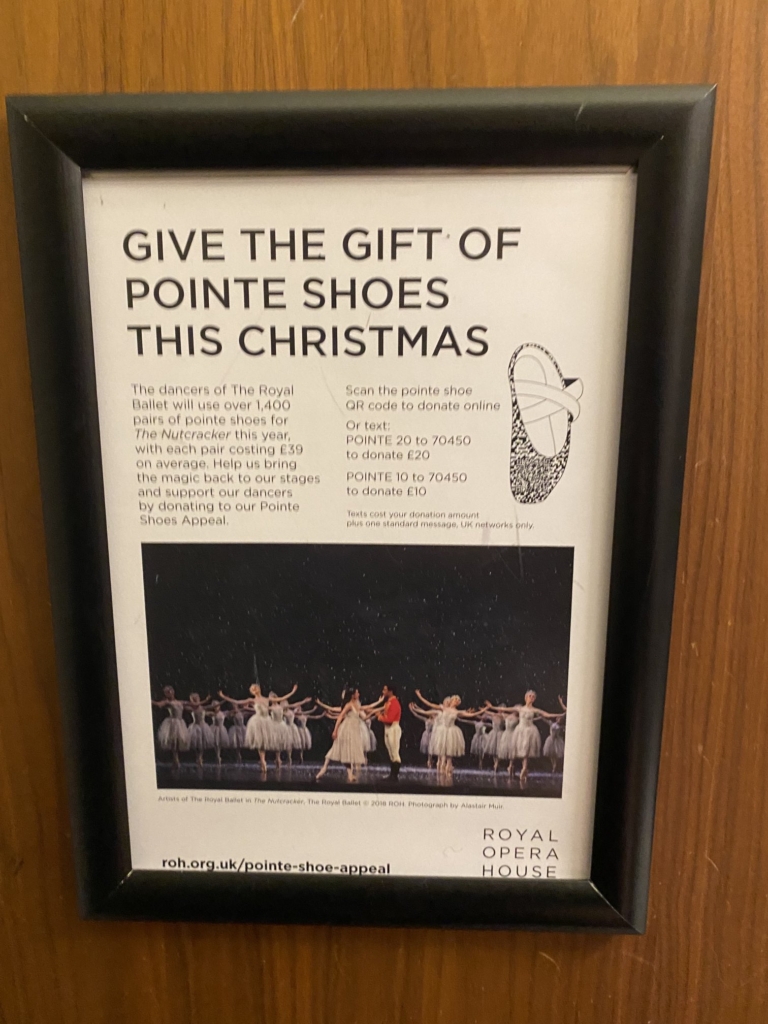
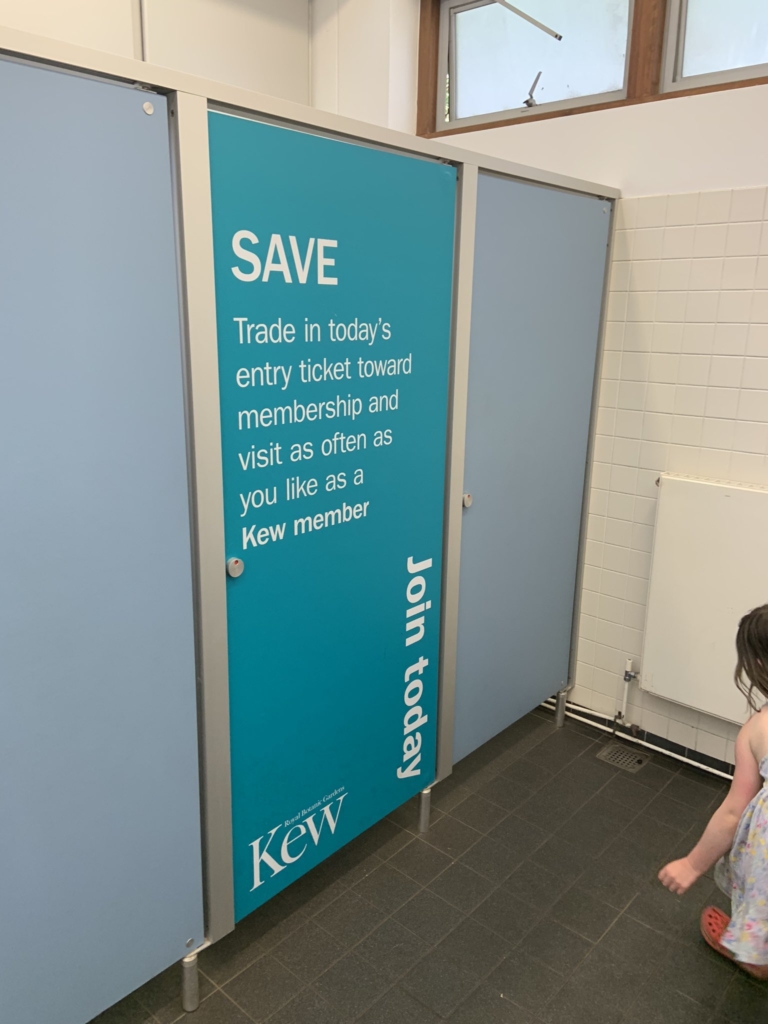
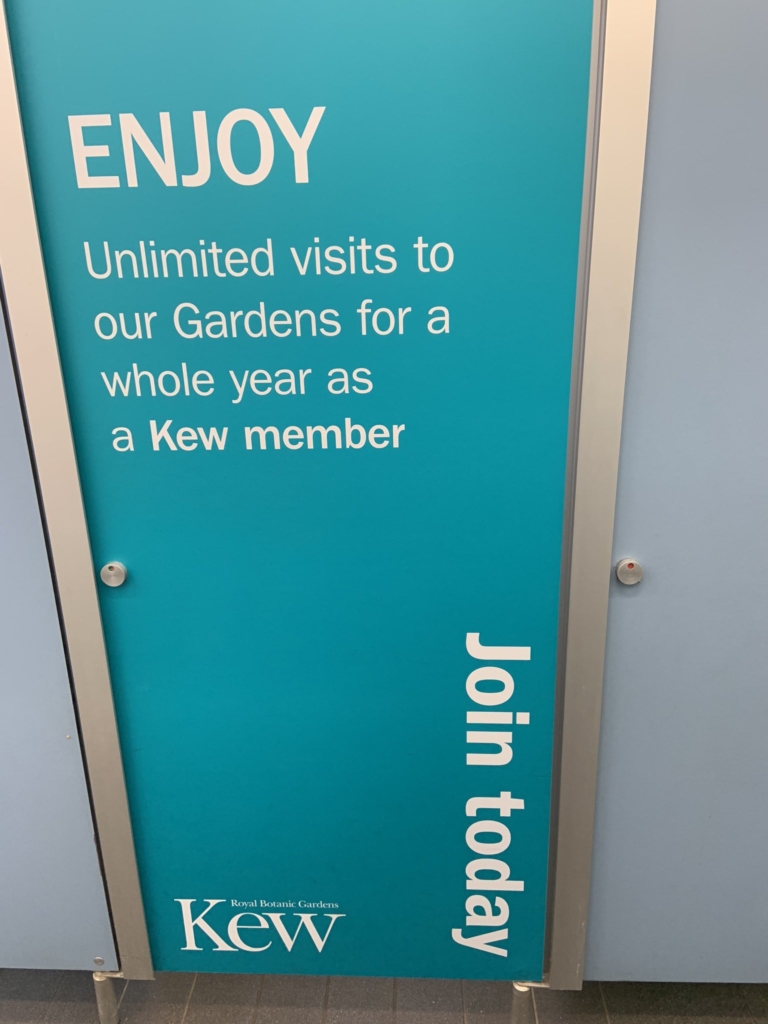
Or use the doors as a whole advert like these bold ones at Kew Gardens.
7. Donor recognition can go anywhere – even bathrooms!
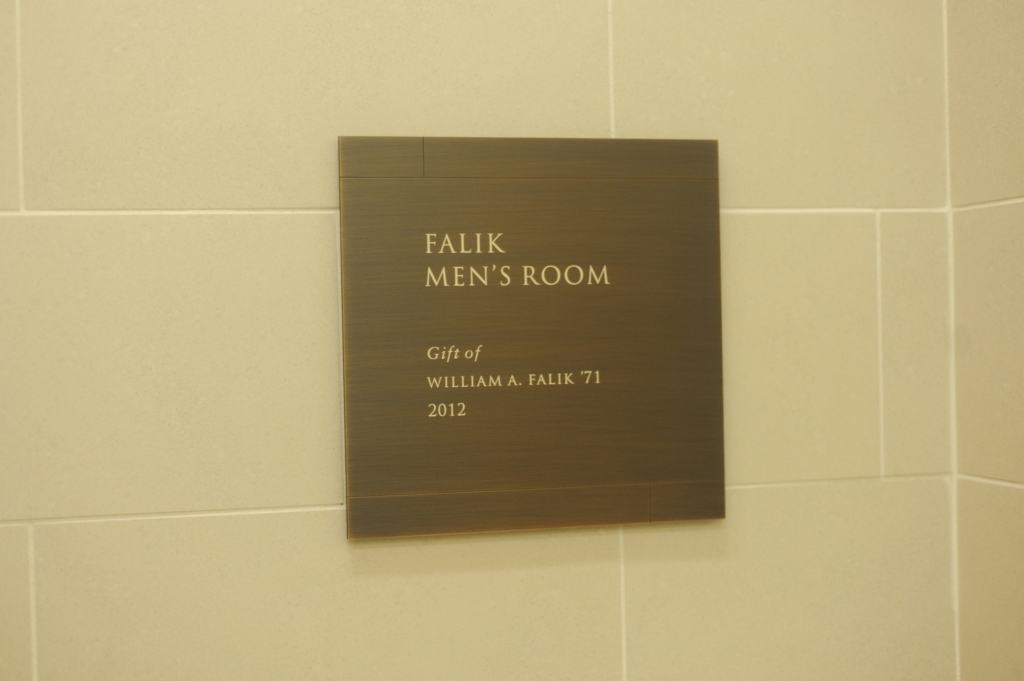
Harvard graduate William Falk wanted to fund a fellowship in public interest law to honour his father but when it came to naming rights he joked with the dean “The only thing I’ve ever been able to name with a name like ‘Falik’ is a restroom.” (pronounced ‘phallic’) and so his gift is recognised there.
After hearing that philanthropist Heidi Roizen was turned down by Stanford University with her offer of a gift to name a bathroom, Brad Feldman offered to name a bathroom at MIT but they also deemed it ‘inappropriate’. His local college in Boulder heard about it and invited him to make a gift to name a bathroom there and so he did. They received a donation of $25,000 and his donor credit includes this quote up in the bathroom
The best ideas often come at inconvenient times — don’t ever close your mind to them.
This has inspired him in a philanthropic bathroom donating career – he now has four bathrooms – each with a $25,000 gift his decided value of a bathroom naming right!
Another donor at the University of Pennsylvania has this quote up to recognise his gift
“The relief you are now experiencing is made possible by a gift from Michael Zinman”
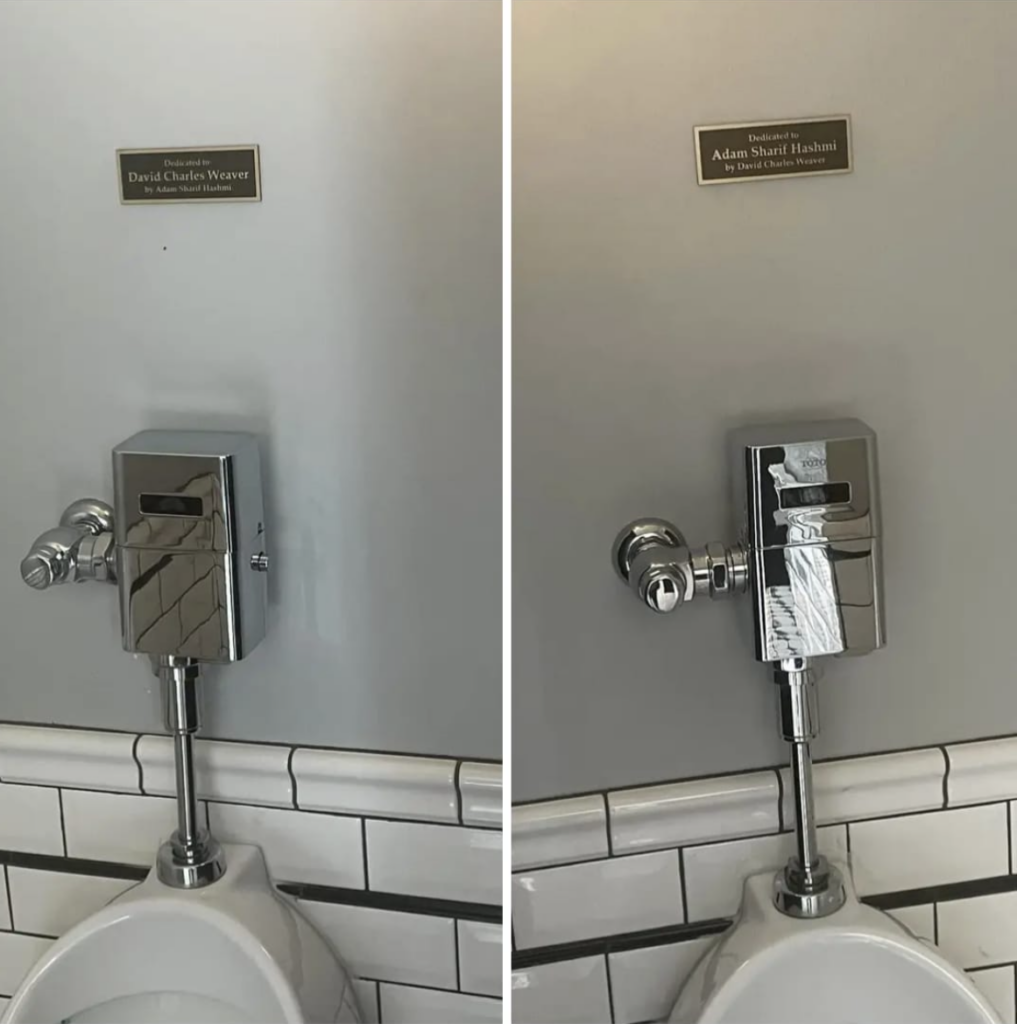
Naming rights is not just a solo activity – it can be a fun way to celebrate your friendship – these two urinals are next to each other – Adam gifted one to his friend David, and David reciprocated and named one for Adam.
Whilst these all celebrate the joys of naming rights – naming a toilet block after a legal wrangle and a small donation a charity named a toilet block after an MP.
Donor credits really can go anywhere.
So what can we learn from WC design and behavioural nudges
- Make it easy – make it visually easy to process what you want the donor to use
- Colour code it – use familiar shapes and colours to guide the donor journey
- Find ways to provide a feedback loop and give them a hit of dopamine (one of the happy chemicals)
- Show the impact of their donation on the total target or the project
- Make the process fun and engaging
- Use images – they are easier for our process than just words
- Repeat your message – repeatedly expose donors to your messages
- Donor crediting can go anywhere and for the right donor might be the right project
Read more about
Nudges on trains, planes and on public transport.
And on restaurant menus – and you can use these to help with your fundraising here and here