Mollie Moon – fundraising for social change
When we think about social change we think in terms of great leaders, of the justice of the change, of the collective action of many to be effect the change they want to see in the world.
We celebrate the individuals and what happened. We think about being on the right side of history, of moral fibre, of progression.
We don’t want to think about the logistics. We don’t want to talk about the money. We don’t think about the fundraising.
We just talk about the injustice overcame.
This speaks to the taboos in our society talking about money.
Social change does not happen in a vacuum and however much we want to think change happens because of well meaning people doing the right thing. To get change you need to organize. To organize you need money. And to get money you need to ask. As academics Bekkers & Wipeking (2007) say the main reason that someone gives to a charitable cause is because they were aware of the need and were asked.
So how were these social change movements funded?
Even when you start digging into how these movements were funded is obscured – partly through what is recorded in the archives from social change, and that within that fundraising is not prioritized.
When we think of the civil rights leaders and the activists – we think of Martin Luther King, Rosa Parks on the bus, we think of the ‘I have a dream speech’, we think of the hundreds of thousands marching on Washington, the sit ins and the civil disobedience, the horror of Jim Crow laws, we think of an organized nonviolent movement
As historian Tanisha C Ford says
“The civil rights movement has become crystalized in our collective and national consciousness as this ideal movement, led by principled and charismatic male leaders that showed the power of racial liberation”
but as with all history it is
“never simple, never perfect and new never obedient”
We don’t think about how that change was funded. We prefer a narrative of passion good people making that social change. Of civil rights won, voting rights gained, a step towards equality – rather than a fundraising campaign, donor segments for targeted asks, fundraising events and securing grants. To make these things happen didn’t just take guts and determination. It took organization. It took donor lists. It took asking. It took preparation, passion, persuasion. It took stewardship.
It took fundraisers.
And today I want to share and celebrate some of those stories of fundraising for social change
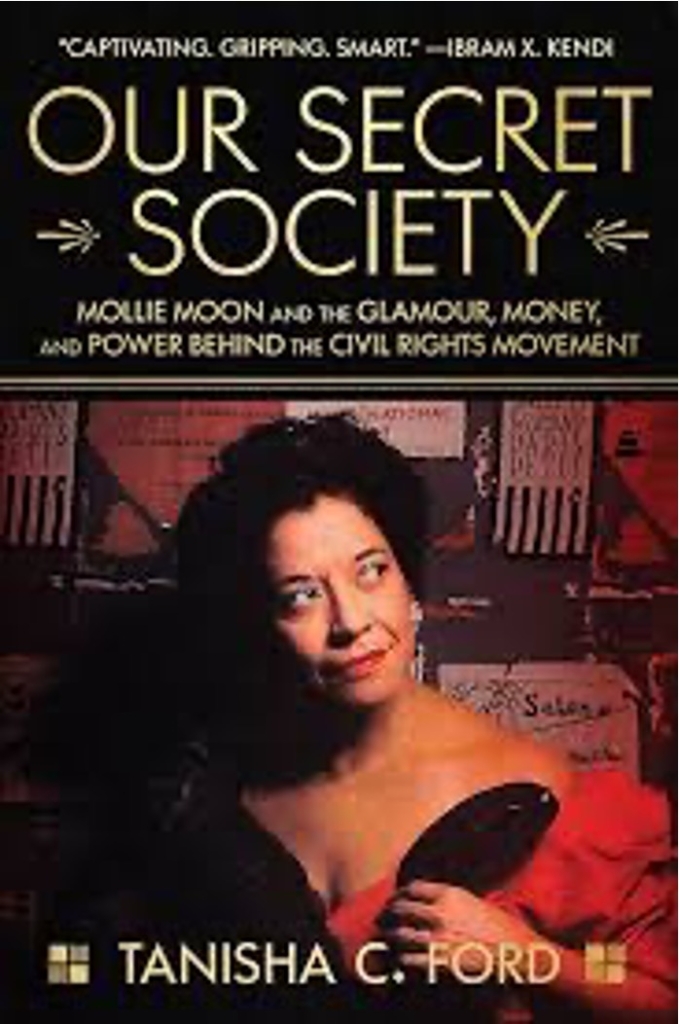
Let me introduce you to Mollie Moon a fundraiser who I learned about in Tanisha C Ford’s book Our Secret Society.
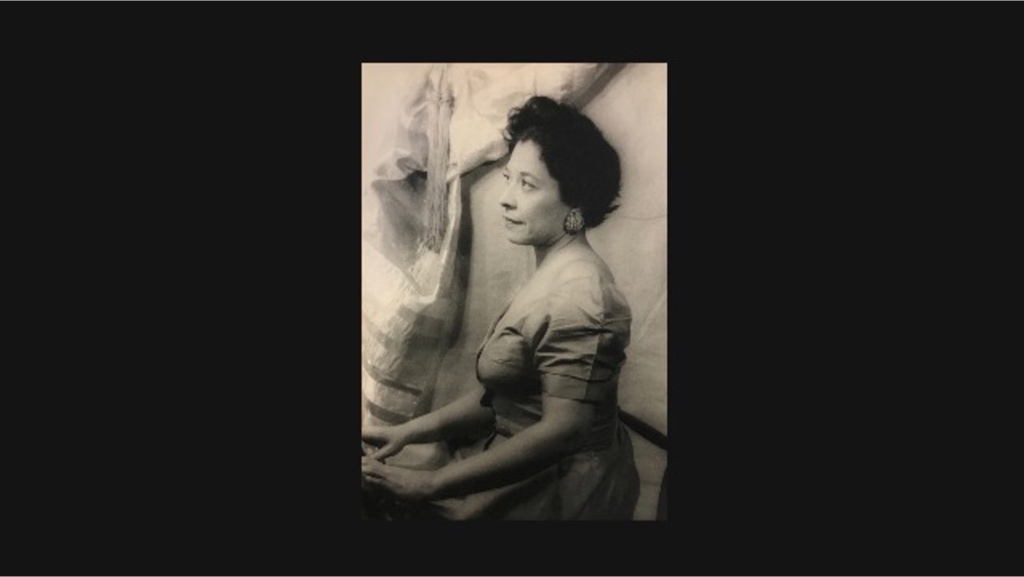
Mollie was a fundraiser and activist who played a crucial role in the civil rights movements raising money from African American grassroots supporters and also courting the wealthy New York philanthropists and grant givers
Ford notes that Mollie Moon had the fundraisers skill of choreography and
“bringing the right people – politicians, artists, European aristocrats and philanthropists together in the right rooms”
As we understand and study more about history, the history of the civil rights movements and the role that women played we are increasingly finding active and involved women who played pivotal roles in social change and as fundraisers.
Mollie Moon was born in 1912 in Ohio. She trained to be a pharmacist at college before her interest in social work and moved to New York. She went to Moscow with a bit part in a propaganda film (the communist equated the cause of civil rights with workers’ rights) and returned home via a few years in Berlin. On returning to New York, she worked at the Department of Social Services. The National Urban League was founded to “to enable African Americans to secure economic self-reliance, parity, power and civil rights.”. Mollie founded the National Urban League Guild – one of the key fundraising arms of the League and for decades was a leading fundraiser, activist and campaigner.
So what did Mollie do? Why is she so important in the civil rights movement?
What lessons can fundraisers learn from her about fundraising, and fundraising for social change?
1. Create the event that everyone wants to be at – and that all your supporters can afford to attend
In 1941 Mollie founded the Beaux Arts Ball – a major fundraiser.
Now events fundraising has been around since Biblical times so what did Mollie do differently?
The Beaux Arts Ball was the equivalent of today’s Met Gala. This was the must go to / must be seen at society event. The ball was costumed and the costumes allowed a certain level of licentiousness and risqué skimpy outfits.
Mollie recognized that within this type of event the audience attending had very different motivations
- the great night out gala guest
- the support the artists gala guest
- the support the cause
and she catered for all of these.
The gala model was criticized by some as all events fundraisers is for costing too much vs its ROI and perpetuating the conspicuous consumerism of the Gilded Age. Detractors saw it as at odds with the needs of the League’s work to help the poorest amongst them struggling to get by.
There was concern that these types of glamourous social events would price out in the grassroots community supporters. But Mollie ensured that there was a sliding scale of prices to suit all purses. This made sure that the grassroot community supporters and the white philanthropists could attend and paid proportionally according to their means.
Mollie was pressurized to take the event downtown into Manhattan (from Uptown Harlem) to appeal more to wealthy white elites but held her ground. She wanted to keep it in Harlem and keep its grassroots origins. There was a home court advantage of making whites come to a traditionally black space
These balls raised thousands of dollars for the Guild and its work. Throughout the decades it evolved in terms of location (from Harlem to South Bronx to the Waldorf Astoria in Manhattan) and themes (from costume to fashion) as every fundraiser knows you want to have the calendar highlight event but you need to keep it fresh and your loyal audience coming back for more.
Her work on the balls was trivialized as being a socialite (she was called ‘a beauty with a social mission’ by the Pittsburgh Courier) bringing in both racist and sexist assumptions about the breadth, approach and strategy involved in raising this money.
2. Fundraising – is also education
Mollie spent a lot of telling rich white Americans why racism is bad and how it impacted on her day-to-day life. If you cannot see something happening you cannot understand that it is happening or what it means. Telling the truth and giving powerful testimony is an important but also an emotional labour for fundraisers. And Mollie had to do that. She also, as many fundraisers do, had a guiding role in understanding what the donor wants and finding the right project for them to support. This match making of matching the donor to the project is a key fundraising attribute.
3. The power of an emergency appeal
Mollie knew the power of urgency and the need to act now. She rebranded appeals to create a sense of urgency to get people to come
“Unless the citizens of Harlem respond to this call, the continuation of the cultural program at the center will cease and the community will cease and the community lose one of the most progressive institutions of its kind”
Tanisha C Ford
4. Celebrity endorsers
We listen to the message more when it is someone likeable and with authority that is endorsing it – so from Beaux Arts Ball to the other events – having the names of prominent sponsors on the event advertisement was crucial. And Mollie used this to her advantage – the adverts in the papers for the balls contained lists of celebrity patrons and endorsers including Orson Welles, Paul Robeson, Katherine Dunham, Billie Holliday and Marlon Brando.
It was not just their endorsement she also wanted their talent. She arranged fundraisers of Paintings by Famous Amateurs getting Dwight Eisenhower and Bojangles amongst others to paint pictures and auctioning them for the League.
5. Power of press
Mollie used her networks and contacts to get stories of the fundraisers and the League’s work into the press. She didn’t just focus on the news section but also society and fashion.
6. Importance of CPD
Like every good fundraiser Mollie understood the power of professional development and training. She ran programmes to train and inspire volunteers to go out asking.
7. Importance of being organized
fundraising doesn’t happen in a vacuum. You need to be organized. You need to know who has given and when, who knows who, who asked who. Mollie and the Guild had donor rolls, lists of last donation and last contact like any good fundraisers CRM system.
But fundraising for social change – like any kind of fundraising – is not easy.
It raises questions about who you work with.
So who did Mollie work with?
One of the key people was Winthtrop Rockefeller – known as Win – grandson of John D Rockefeller. He positioned himself as a rebel. A former a soldier, expelled from Yale, worked Texan oilfields. Win Rockefeller did not want to trade on family name, but had cash and connections (and perhaps an element of rebelling against the establishment family by supporting civil rights)
Win was known for saying:
“its not enough to contribute money. People must make the gift of themselves of their own time, their creative talent and spiritual strength”
A precursor of the 3 TS of fundraising – treasure, time and talent
How you treat donors differently? (They aways know)
The National Urban League suffered controversy in 1949 when a newspaper leaked the existence of separate donor lists. A list for downtown Manhattan white donors offered exclusive events and a list of uptown Harlem African American supporters invited to engage in the struggle. This caused their membership to drop 150,000.
This feeds into an issue at the centre of funding for social change
Who do you take the money from and if you take money from certain people does that change what you are fighting for?
Are there more ‘donor friendly’ projects that are less radical projects and therefore more palatable? Within the civil rights movement was education for African Americans more fundable than voting rights? How do you know what cause to focus on when there are so many urgent needs? How led are you by where the money is vs the cause you are fighting for?
Ebony magazine said that taking white money reproduced white supremacy and racial hierarchy and for many within the movement taking money from wealthy philanthropists or foundations for many perpetuated the capitalist structure that had so benefited from slavery.
Do you like Greenpeace say you wont solicit corporate money? Or like the Mackenzie Scott grant recipients, Frida- the young feminist fund, take the money and then release a statement saying how you fundamentally disagree with the wealth that created it? Take it and hold your nose? Have more money for the education programme but not enough for the activist work?
These were fundamental challenges for those fighting for social change – and social change is not just one agenda item, it is a broad movement, some want fast radical change – you have to hold the collective together as well as get the money.
When there are mixed motives for giving, do you take the cash or question the principles?
Many businesses supported civil rights movement and made donations because it was good for business. Companies like General Electric and American Airlines wanted to attract the new wealth African American professional classes to spend their money with them.
Although there were those that genuinely supported the cause and championed it, in 1962 a business man’s lunch aim to raise $3m for the League and a business man stood up to say cost of racial prejudice costing business $7.5bn
Competition for limited resources – but play to your unique strengths
There was competition between different organsiations trying to achieve the same aim – sounds familiar? There have always been arguments about too many similar charities doing the same thing. The National Urban League and the NAACP (National Association for the Advancement of Coloured People) were in competition for donors and resources. However they each played to their strengths and structures – the National Urban League was 501c3 so had structure to receive grants and tax efficient giving but could not be politically active – the NAACP was a 501c4 so could lead on sits ins and strikes.
Things change – do you?
Funding models change and evolve over time. Can you and the movement you are funding?
In 1963 a new president of the National Urban League, Whitney Young declared they would no longer be a ‘nickel and dime’ outfit signifying a strategic shift from small grassroots membership to major philanthropic contributions. This strategy had a powerful impact shifting the funding model – from being 18% foundations to 75% and pushing down the grassroots membership support. By the end of 60s 14% of annual income coming from African American donors. It is worth noting that the money from African American donors came without restriction but often the money from philanthropists comes directed towards programme.
Legacy fundraising for social change?
Social change always feels immediate and urgent – so you would not be thinking about legacies for it. Your ideals and aspirations would be that the problem has been solved by the time that the legacy is realised. But there were two substantial legacies that helped support the civil rights movement – which speak to sophistication of the methods used by the fundraising divisions of the movement (and that somewhere in an archive the legacy brochures might exist…)

Dorothy Parker left her literary estate to Martin Luther King having been a funder and supporter of civil rights in her lifetime, which got her put on the FBI watchlist. After he was assassinated the copyright for her works moved to the NAACP which still approves use of her work and benefits from her estate.
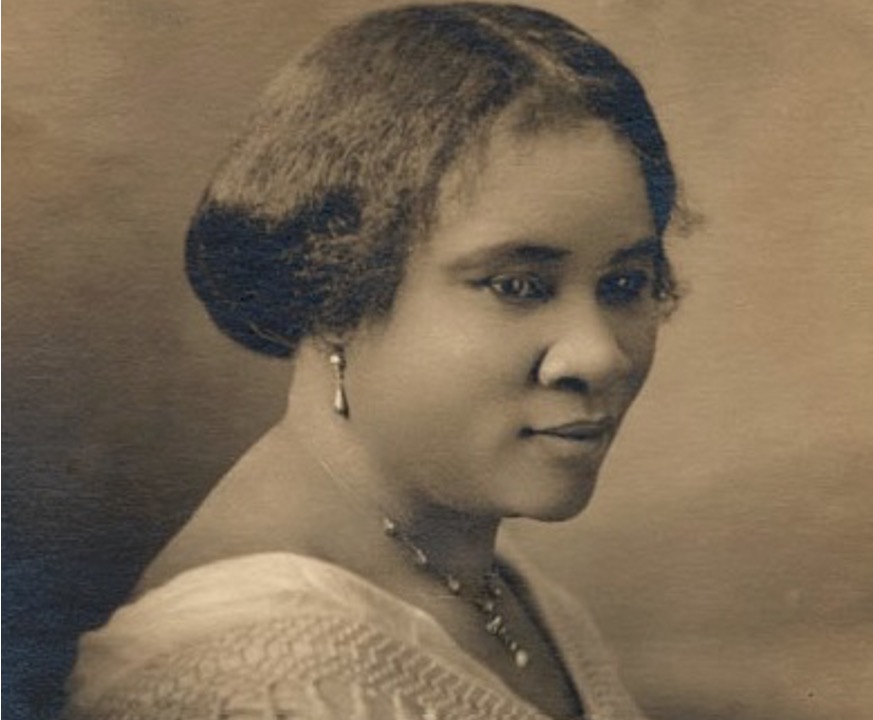
Madam CJ Walker left a left legacy to the NAACP against the advise of her financial advisors who thought that it was a nascent organisation that wouldn’t last. The Secretary of the NAACP Walter White said in the 1950s that ‘Madam Walker’s generosity virtually saved the NAACP in the dark days of depression.’
As with any legacy gift you never know what it may go on to accomplish …
To read more about Madam CJ Walker read this article in celebration of Madam CJ Walker and her philanthropy and for a wider discussion of her will and legacy read here.
So how should we fundraise for social change?
With fundraising for social change and with the history of fundraising there is a challenge of what gets recorded and how we record history.
What does the academic world regard as historic? Where are gendered and racial lens applied to what ‘counts’ as what is worth recording.
With most history we rely on written records. And when you are campaigning to change laws less is written down.
Fundraising history hidden at the best of times – and especially within social change movements. We don’t want to talk about the money that made change happen. And that means the history of fundraising, social change is poorer – we don’t get to hear the impact of powerful players and fundraisers like Mollie Moon.
And with all fundraising history – money talks. Major foundations have archives that record what was given and to which organizations. This fails to record and recognize the many small gifts by hundreds of thousands – the National Urban League did have 501c3 status but many campaigning organisations didn’t so there are not records of these gifts.
Where we look for the items that form this history is also different. In writing the history of Mollie Moon Tanisha C Ford has used ephemera – menus from gala, newspaper reports not just traditional
“recognizing that Black women’s documents, objects and keepsakes are rarely housed in brick-and-mortar archives. To tell our stories we must be willing to dig in unexpected places, to utilise objects and other materials that archives and museums might consider of little use. And we must approach this work with an ethic of care that honours our subjects.”
Even in Mollie’s lifetime we see how history gets forgotten, remembered and retold. At the 1972 at the Beaux Arts Ball was led by all male board celebrating the history of the National Urban League. Mollie was present but there was no mention of her contribution and work and this led to a backlash from a new generation of activists who sought to get Mollie’s place and skills recognized.
When we tell our history we are always as Tanisha C Ford says
“how we choose to remember people, how we choose to forget, what we omit and distort’
changes the narrative of how the fundraising for social change happens.
We can be too close to an event to see it – we may need to reevaluate it and see the complexity
Philanthropy is always historically and culturally placed . They raised funds to keep slavery, to stop women getting the vote and to marry off unmarried ladies.
What is right side of history now that we will look at differently in 100 years and be shocked that there was an anti side?
And where will that fundraising appear in the history of social change?