Saving your reputation by singing & charity …
Operatic fundraising concerts
Since the massed choir sang Handel’s Hallelujah Chorus in 1749 to raise funds for the Foundling Hospital – fundraising concerts have been a popular tool in a fundraiser’s arsenal. They were common practice throughout the nineteenth century and were especially popular for female opera singers – often as tangible way to signal for their virtues (feminine and charitable) and build their brand.
Charity to rescue a reputation (part 1)
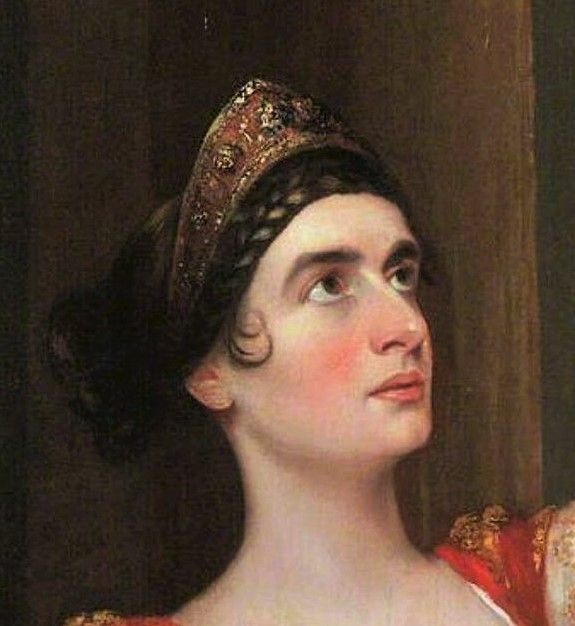
In the early nineteenth century, singer Angelica Catalini frequently gave charitable concerts for hospitals, in response to natural disasters and wars. However, her reputation was nearly ruined in 1809 when she refused to take part in a benefit concert for the Middlesex Hospital – instead offering a personal donation of £20 (The Times, 1809). This perceived lack of charity caused a sensation
“This gesture enraged the British public which saw the amount as paltry; in direct response to this animosity, Catalini staged several charity concerts in London and other cities”
Hilary Porris
Imagine a singer today being shamed into a fundraising concert!
Christian and feminine virtue
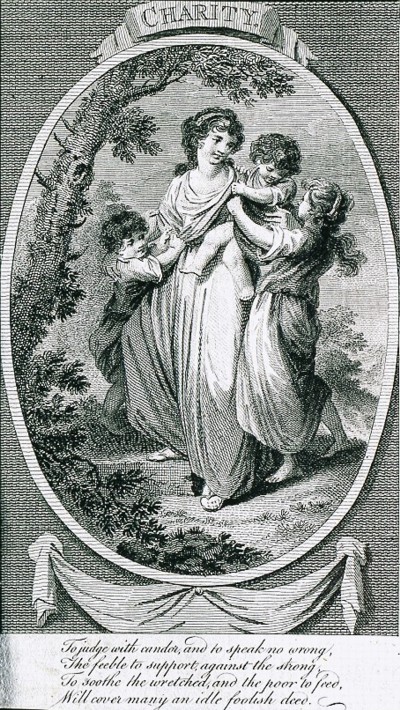
“charity had turned into a branch of fashion in the nineteenth century”
Frank Prochaska
Philanthropy and Christian charity were expected and desired virtues for women and for many allowed them influence and activities outside the home. For female opera singers, charity particularly helped to demonstrate their Christian character and feminine virtue (and remove suspicion of other stereotypes associated with actresses and performers). Basically, participating in fundraising charity concerts helped cement your brand.
Although the popular stereotype of an operatic diva was to be demanding and difficult (not much has changed there!) many of their own autobiographies include altruistic narratives about their charitable deeds. These narratives are somewhat stylised and uniform in their delivery which casts doubt on the veracity of the specific incidences described. Frequently they tell stories of how the soprano felt compelled to act charitably and make a significant anonymous donation following a chance encounter with a poor person in need of support (and often her singing and art is improved because of this charitable action). This altruistic trope shows an expectation that singers would be actively engaged in philanthropic acts.
Salaries of sopranos generated sensational press coverage as opera stars were tabloid fodder. In some cases a suspicion of fundraising concerts can be seen with accusations that the monies raised were not going where they ought to, or that the sums raised were exaggerated or too much spent on overheads and raising the funds (plus ca change!).
The philanthropic nightingale
One of the most notorious singers and fundraisers was Swedish soprano – Jenny Lind – the Swedish Nightingale.
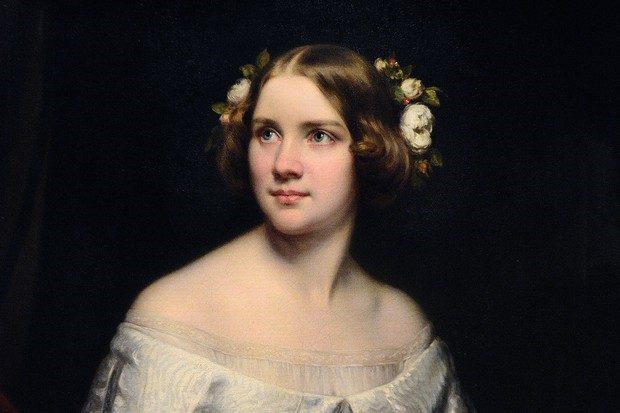
Jenny Lind used her talents and time to raise funds for causes that she cared about. Reportedly a quarter of her concerts were given to raise funds for charity. Porris dubs here the ‘patron saint of beneficent prima donnas’
PT Barnum (of The Greatest Showman fame – where Jenny also appears) said of her
“a visit from such a woman, who regards her artistic powers as a gift from Heaven for the amelioration of affliction and distress, and whose every thought and deed is philanthropy, I feel persuaded will prove a blessing to America”
Quoted in Rhodri Davies’ excellent book ‘What is philanthropy for?
One example of her fundraising and philanthropy can be seen in Norwich and the creation of the UK’s second children’s hospital.
Before the introduction of the NHS, local hospitals had to raise their own funds through subscriptions and events. The Norwich Hospital was the 17th established in England in 1772 (after first being proposed in 1758) and raised funds through subscriptions and fundraising sermons at the cathedral as was common at the time.
As part of her world tour, Jenny Lind visited Norwich in 1847 for two sell out concerts. She stayed with the Bishop of Norwich at the cathedral. She was performing at St Andrew Hall and added a third concert especially so that the poor of the city could attend. She developed a strong relationship with the Bishop’s family and Katherine, the bishop’s wife, became godmother to Jenny Lind’s daughter.
In 1849, Jenny Lind returned to the city and raised £1,253 for the poor of the city with a concert. But this was raised with no specific purpose in mind, and the city had to decide what to do with it.
One suggestion, from Jenny Lind herself, was to stand in the marketplace and throw the money to the poor. Certainly a novel way to distribute charity!
However, whilst they were deciding what the funds should do Great Ormond Street Hospital was founded in 1852, and the idea of a children’s hospital in Norwich was mooted. In 1853 this was unanimously endorsed at a public meeting. The funds that the Jenny Lind concert had raised were used to purchase the two houses that would form the hospital.
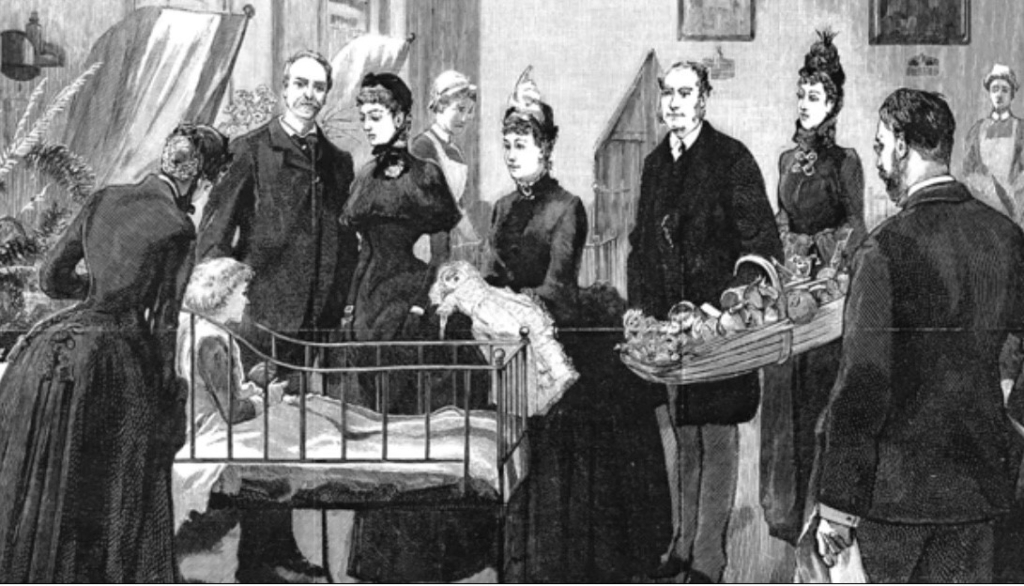
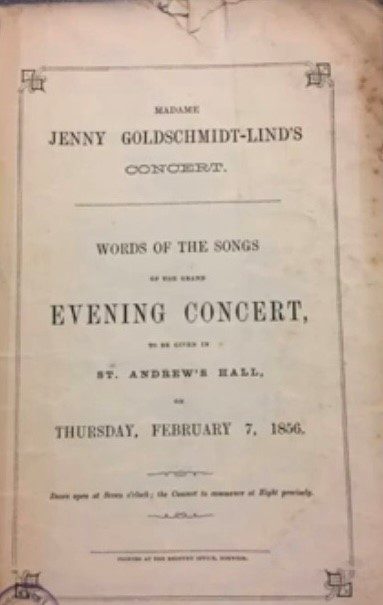
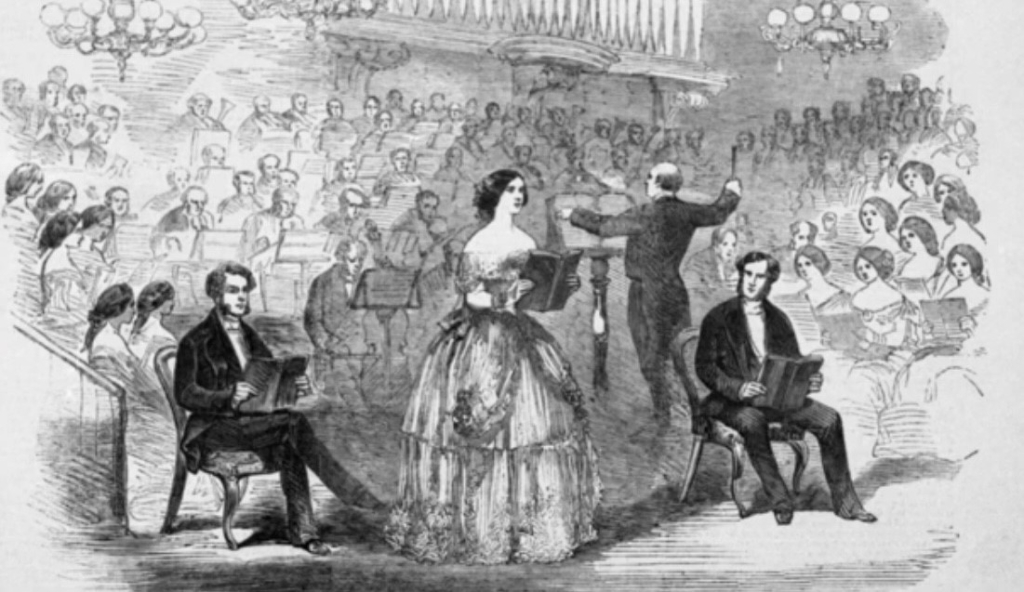
The hospital was named after Jenny Lind becoming the Jenny Lind Children’s Hospital. (There is no record I have seen on whether she insisted on naming rights, it was in recognition of her support or celebrity link). In 1854 the hospital opened, and in the first year saw 275 outpatients and 51 in patients. Jenny continued to return to Norwich to sing at fundraising concerts for ‘The Jenny’ as the hospital became known locally.
Jenny said of the project
“Of all the money which God allowed me to give away when my poor throat could call an audience to listen to it’s production. None has borne a more nobler fruit than the Jenny Lind Hospital of Norwich.”
However, the fundraising concerts were not enough to fund the ongoing upkeep of the hospital and subscriptions were regularly sought. For example, Norwich High School paid an annual subscription of £30 to fund a cot at the hospital.
Jenny Lind is famous for both her voice but also the number of concerts (estimated at a quarter of her concerts were for charity) she gave where the funds were raised to support charities she cared about.
Charity to the rescue of reputation (part two)
In 1906 Marcella Sembrich prima donna did a fundraising concert in New York to raise funds for the musicians of the Metropolitan Opera Company who had lost their instruments in the San Francisco earthquake.
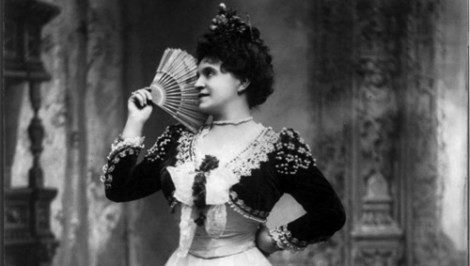
This was to repair her reputation. When the quake struck, according to her own reports, she went back to hotel room three times despite the danger to get something suitable to wear and the final time rescue her jewels. The fundraising concert was clearly an attempt to improve the optics of the situation and restore her reputation – however the newspapers clearly had cottoned on to this and did not give it enough praise. Subsequently an anonymous letter appeared in the paper and chastised them for their lukewarm response to her concerts saying:
“It has surprised me in reading the account of Mme Sembrich’s concert to-day in your paper to find no expression of appreciation of the really heroic feat she performed in thus grandly ministering to the suffering members of the Metropolitan orchestra and chorus. By no means recovered from the shock of her horrible experience in San Francisco she took no pains to spare her own health (in other words her voice, the most precious of her possessions) but worked with unstinted seal and whole hearted, unself-conscious generosity to bring relief through straining means to unfortunate musicians”
Although this might have been a face saving and reputation mending exercise, Sembrich’s extensive archive contains details her deep involvement in charity. It is full of thank you letters and letters of appreciation from wealthy and influential people so philanthropy and her charitable work was clearly important to her.
And today…
The pull of celebrity messengers for campaigns continues. Although no longer championed universally as a Christian or feminine virtue there remains an expectation of engagement in philanthropy for any celebrity – of using your time and singing talent for the wider good. Today opera singers are involved in supporting charities they care about – and like Catalini, Lind and Sembrich using their talents and time to perform for charities they care about, and/or at opera houses fundraising events.
References
Jenny Lind: Her Life, Her Struggles, and Her Triumphs Charles G. Rosenberg
Hilary Poriss ‘Prima Donnas and the Performance of Altriusm’ in Cowgill and Poriss (eds) The Art of the Prima Donna
Alexandra Wilson ‘Opera in the Jazz Age’
Rhodri Davies ‘What is philanthropy for?’