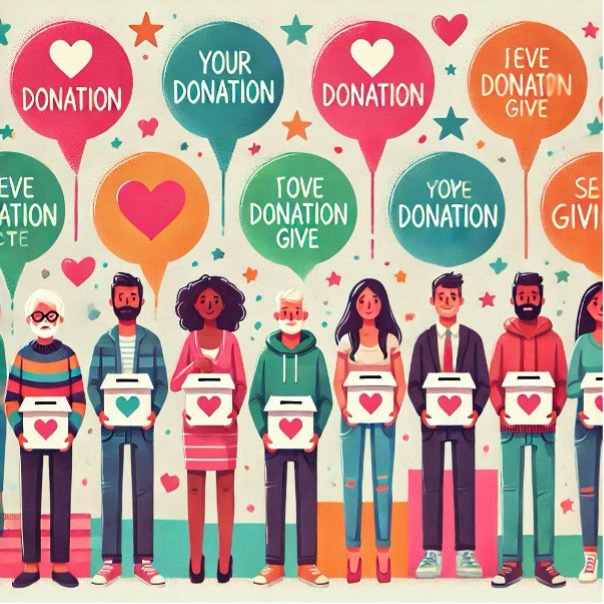
Every donation tells a story
Every donation tells a story
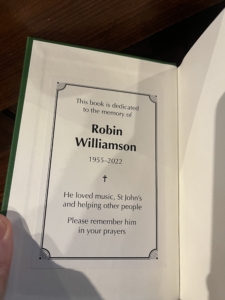
At church we have just got a new set of hymn books and a member of the congregation donated the funds for them. She wanted to share why.
She had chosen to donate in memory of her late husband and spoke so beautifully about the reasons – because he had loved music, and for many years played viola in the local orchestra. He had also loved Ralph Vaughan Williams (who worked on compiling the first English Hymnal). He had been a dedicated worshiper at the church, and member of the PCC. An opportunity and a need arose, new hymn books needed to be purchased; so she explained that she had made the gift to purchase the hymn books in his memory.
As fundraisers too often we focus on the story we tell to secure the gift, and not the story that the donor has to share about their why.
This why can have many different aspects, including
(to repurpose some of the 9 nos of fundraising as 5 why’s…)
Every donation tells a story – it reflects different parts of someone’s life and the connections they have – to beliefs, to music, to favourite things, to memories, to people, to their professional life, to your charity, to the specific fundraiser. Just knowing that it was ‘in memory of’ is not the same as hearing the story, and the multiple reasons, connections and layers as to why this gift was made – to this, at this time and why it was meaningful and important.
Every donation tells a story – how can we encourage donors to share that story?
There are many ways we do this as fundraisers:-
- Many charity runs allow you to personalise your running bib to say who you are running for and why ‘For mum’, or ‘For David’ or ‘To fight cancer’.
- Seat dedications in a theatre can do the same – and tell some amazing and personal stories including a seat dedicated to an opera loving cat or a volunteer who had dedicated decades to a theatre or a chance for a bit of fun.
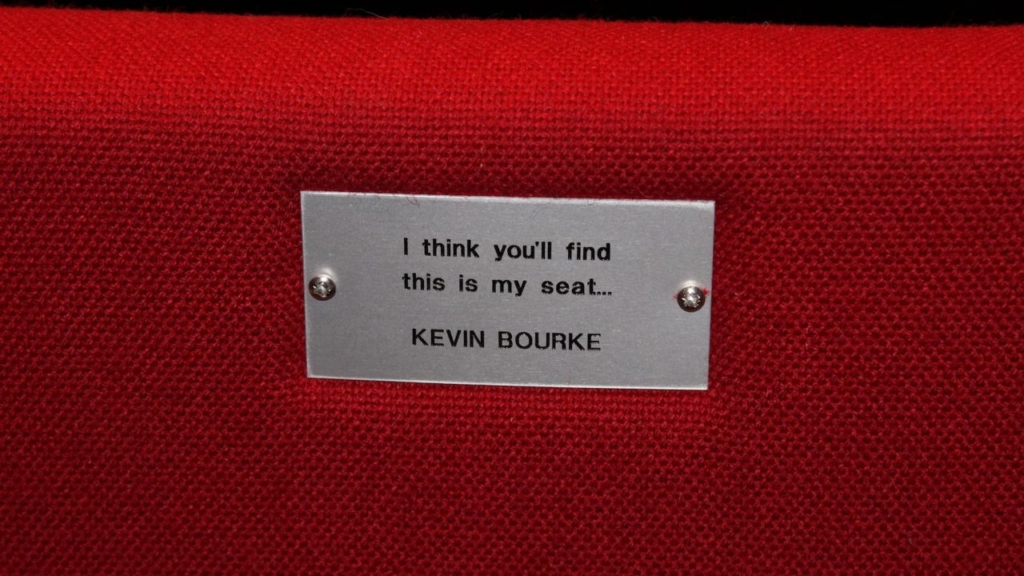
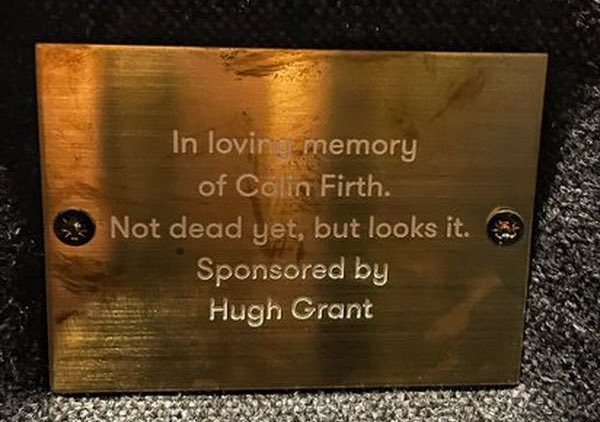
- Memorial benches, can do the same as well. Sometimes they add a flavour of the character or hint at a further stories.
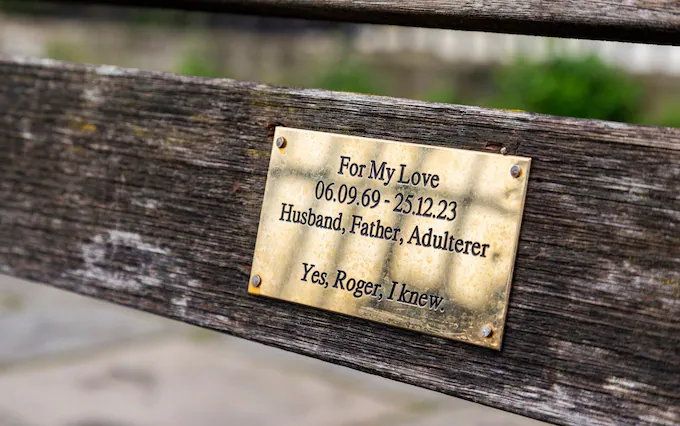
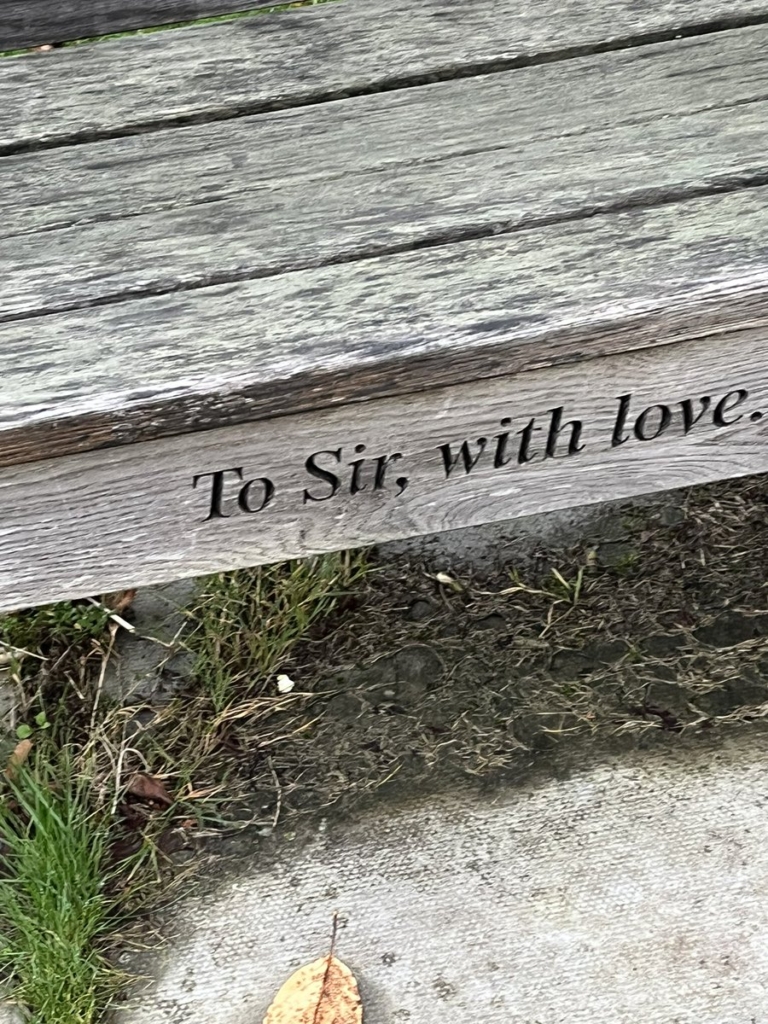
However the limited character count of these often limits the donor being able to tell the full story of their why.
So allowing that story to be told fully in the donor’s words can create greater connection, and there is evidence that it increases donation and conversion rates.
- In legacy materials, adding in the option which allows someone to tell you why they are leaving a gift in their will gives you the loveliest stories. Even without a formal invitation to tell their why, I have found that legacy pledges can be accompanied by letters that detail their history with your charity and their favourite memories.
- I remember one example, how a couple met at the theatre through joint friends, seeing Fonteyn and Nureyev ‘I was hooked in more ways than one, in the group was a beautiful lass in a green dress’. Five years later they were married and enjoyed a lifetime as members going to the ballet together. The letter detailed a life time of memories together, of sitting in the cheap seats, to being able to sit in the stalls, and how social groups were formed around attending. She had died and this legacy gift reflected their shared passion, but the letter also shared the oddness and mixed emotions of returning to the theatre without her to see the latest production of Swan Lake which they had first seen together with Fonteyn and Nureyev.
- During the pandemic, we added an option with online donations asking people the reason that people were making the gift now. This produced some extraordinarily powerful reasons and stories. We categorised the common themes of these messages to create five different social norms. We then, with permission, used this feedback from supporters for to further support the campaign. There were five common reasons that came out – creating five ‘people like you’ norms to encourage further gifts.
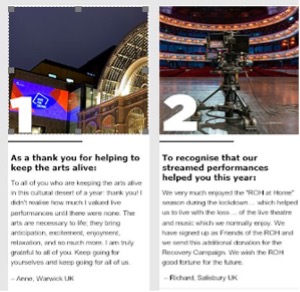
Yes these (with permission) form amazing testimonies that may encourage other donors to give as we did for the pandemic ones. But it also makes the very act of giving more personal and more powerful for your supporters.
Why is that?
Daniel Kahneman in Thinking Fast and Slow talks about the two selves – the experiencing self and the remembering self.
The experiencing self is the one answering the direct question of the experience right now, and the remembering self that answers the questions ‘how was it, on the whole?’. The remembering self is the “one that keeps score and governs what we learn from living” – so it the remembering self that catalogues and keeps the memory and how we remember an experience is stronger than the actual experience itself.

Inviting, encouraging and providing the opportunity for supporters to be able to share their why and build their story is therefore really important. By articulating their story – either through telling you, or writing it down – you are cementing it as part of their story, their narrative, their identity and their memory. It becomes embedded as a memory.
“Memories are all we get to keep from our experience of living, and the only perspective that we can adopt is as think about our lives is therefore that of the remembering self”
Daniel Kahneman
By a supporter sharing their story it becomes part of their remembering self
Fundraisers are told to be storytellers and create stories in which the donor can be the hero, and their gift is making that transformation. As Daniel Kahneman says:
“we all care intensely for the narrative on our own life, and very much want it to be a good story, with a decent hero”
But sometimes we miss out the chance for them to share their story and their why in a meaningful and nuanced way.
And sometimes that story might be mundane
- Because I was asked
- Because I wanted to help
- Because I like Eileen and she asked me
- Because I am doing a fundraiser next year and I want people to support my cause
- Because I can
- Because I wanted to say thank you
But sometimes it can be very rich and very personal.
How can you find out your donors whys?
- Why this
- Why now
- Why in this way
- Why this much
- Why you
And by giving them both the opportunity to give and the opportunity to share their story we are making the giving process and connection much deeper.
Every donation tells a story … what’s yours?
And how can you help your supporters to tell you their why?