Legacy fundraisers cultural list …
Where do we see legacies in literature, poetry, plays, opera and music?
Some fun examples and lessons to be learned from them.
A fun cultural list for legacy fundraisers …
Music
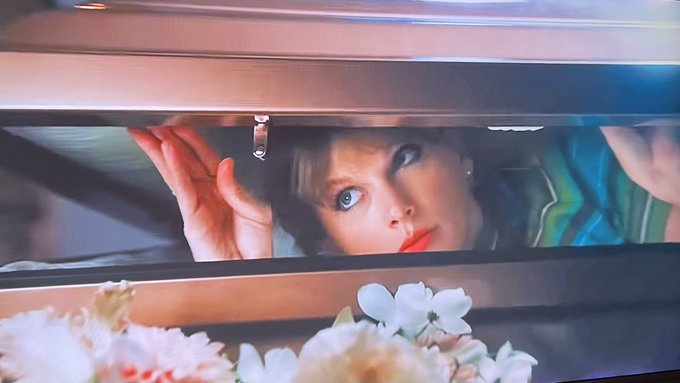
- Anti Heroine – Taylor Swift
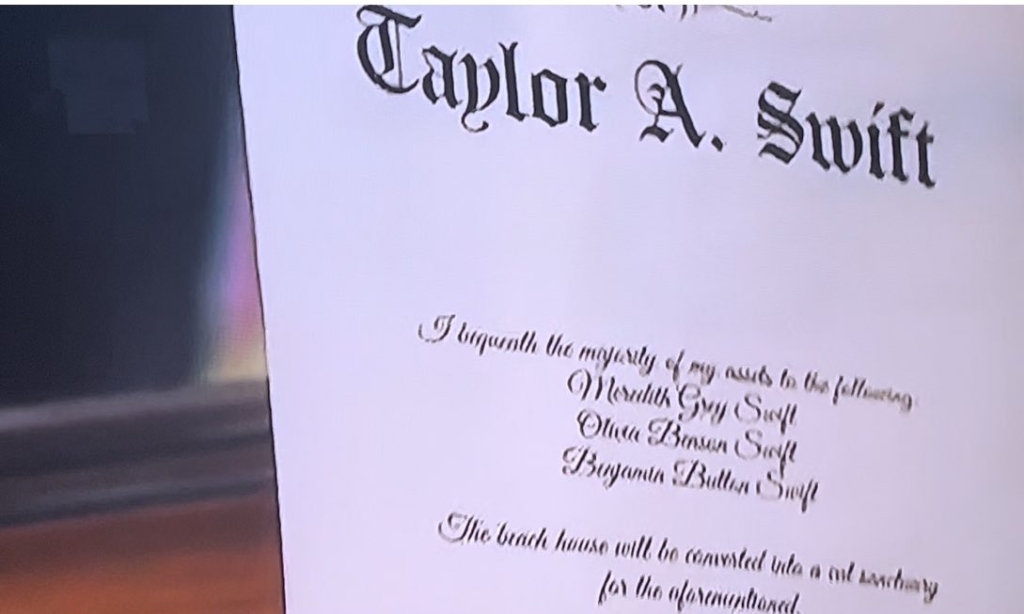
The rise of charitable legacies to spite relations or family is often cited and results in contested wills – in the song ‘Anti Heroine’ Taylor Swift leaves the money to the cat sanctuary and her family are surprised as they wanted to get their hands on the cash. During the funeral scene the will is read saying:
‘The beach house will be converted into a cat sanctuary for the aforementioned’
If pledgers speak to their family about their wishes before they die it can avoid these contested wills.
Full video here https://www.youtube.com/watch?v=b1kbLwvqugk
.
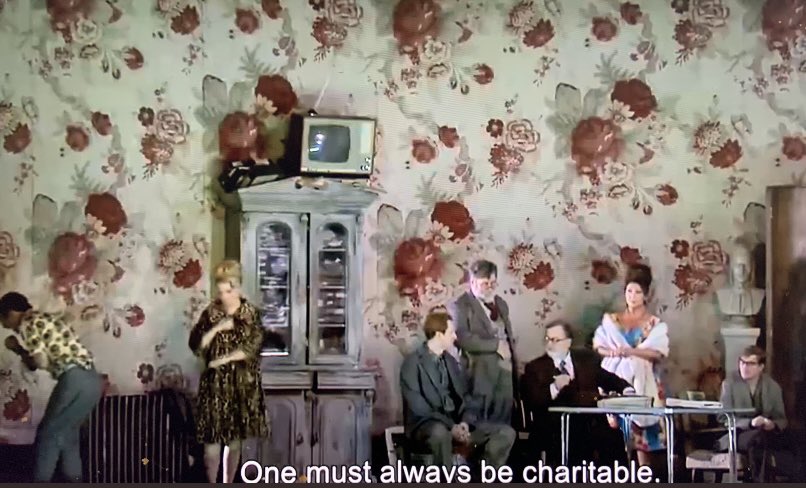
2. Gianni Schicchi
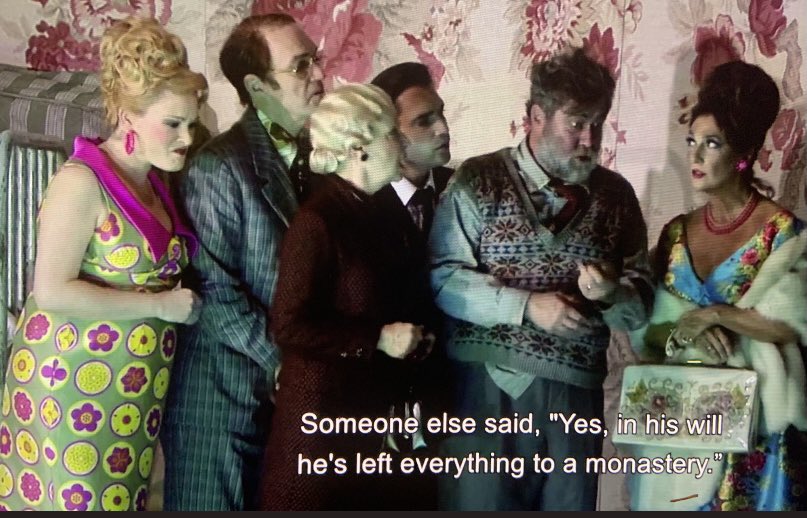
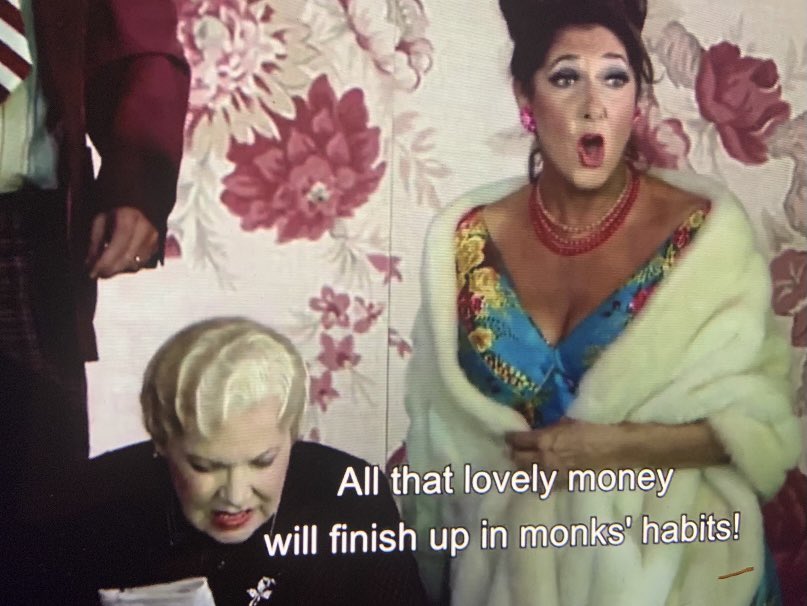
Scheming relatives in Puccini’s Gianni Schicchi when hearing of the charitable intention of their dying relation plot to rewrite his will to their advantage – but they still want to appear charitable so include a small bequest to the monastery.
.
And in literature – where a bequest is central to the plot
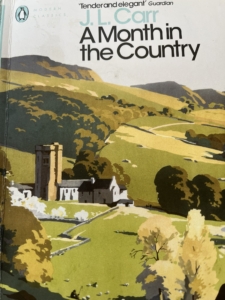
3. A Month in the Country by J L Carr
Tom Birkin’s employment is based on a legacy bequest with conditions. The church’s Fabric Fund won’t get the £1,000 legacy until the deceased wishes are honoured to uncover the hidden painting (with £25 set aside for it)
4. The Warden
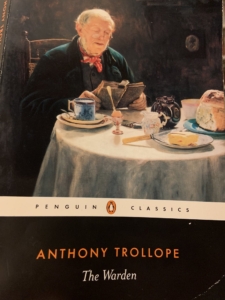
The Warden (could be subtitled ‘When charitable legacies go wrong’) by Anthony Trollope centres around whether Hiram’s will and charitable legacy to create a hospital for 12 wool carders of Barchester. This has been correctly enacted and the good management of the land affords the warden a higher income and greater benefits to those living there – as times have changed and they do not follow the strict conditions of the will.
John Bold a reformer launches a campaign in the press to protest how the will has been enacted. Mr Harding, at the advice of the archdeacon stands his ground. Trollope is concerned with contemporary scandals and suspicions ‘that the grasping priests of the Church of England are gorged with wealth which the charity of former times has left for the solace of the aged, or the education of the young’
The arguments are played out in the popular press, pamphlets and courts. Dr Pessimist Anticant (pause for a moment to admire the name) publishes a pamphlet on ‘Modern Charity’ contrasting the legator’s generousity with the warden’s current ‘avarice’ And reformer Mr Popular Sentiment (a fictional Charles Dickens) has written a novel about the whole almshouse system and scandal – Trollope highlights the power of fiction to inform and influence us saying ‘monthly novels convince, when learned quartos fail to do so“.
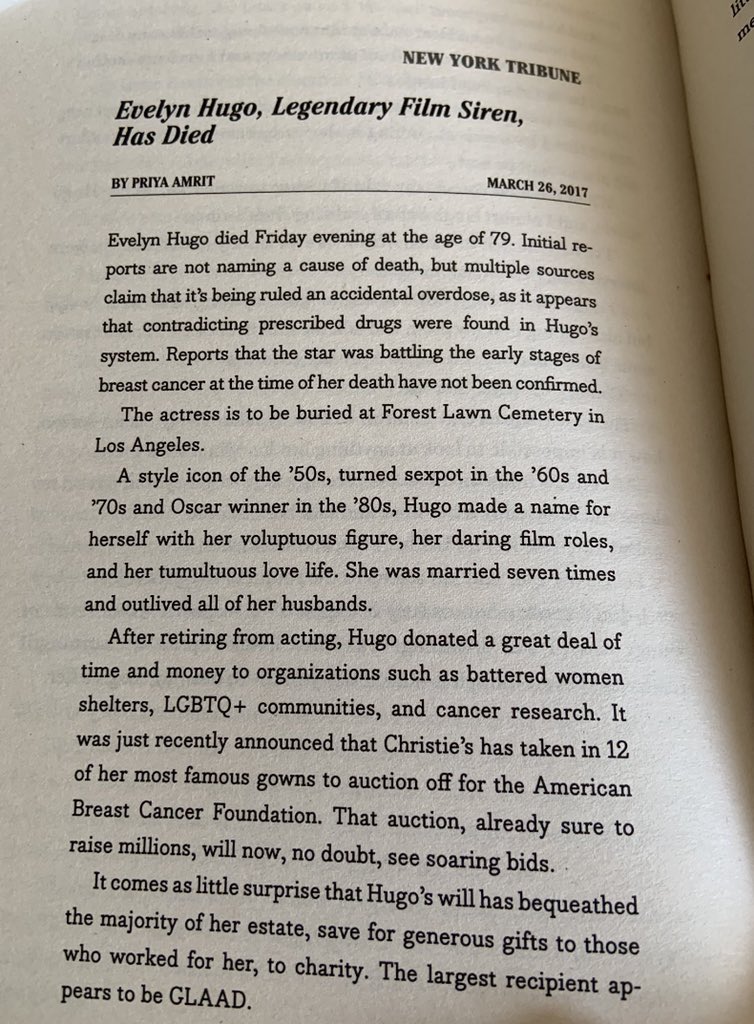
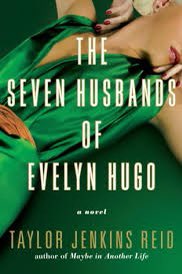
5. The Seven Husband of Evelyn Hugo
It is rare for a book to begin with a charitable bequest – but that is just what Taylor Jenkins Reid’s ‘The Seven Husbands of Evelyn Hugo’ does – her in death giving reflect her lifetime giving. It shows that as well as money items can be donated and sold to benefit the charity.
Do you offer your supporters the chance to donate items or just money?
.
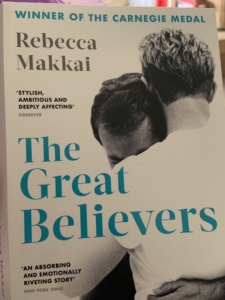
7. The Great Believers
This novel takes place during the AIDS crisis and the story centres on a character who is navigating a substantial art donation for a university gallery.
“What we’re hoping for is a flat out bequest. She hasn’t given to the annual fund since 1970, and those were small gifts… People like that tend to underestimate how much they have”
This highlights a truth often seen in legacy fundraising that your prospects may be asset rich but cash poor – but incredibly loyal. Just because someone hasn’t been coming or giving a lot doesn’t mean that you are not important.
The fundraiser protects the wishes of the legator over the gallery’s more commercial plans for the space. It is important that legators have trust that their legacy wishes will be honoured and enacted.
Poetry
6. Bristol and Clifton – John Betjeman
And this poem by John Betjeman ‘Bristol and Clifton’ talks of in memory given for the his late wife. The poem also talks of brass donor plaques and congregational collections.

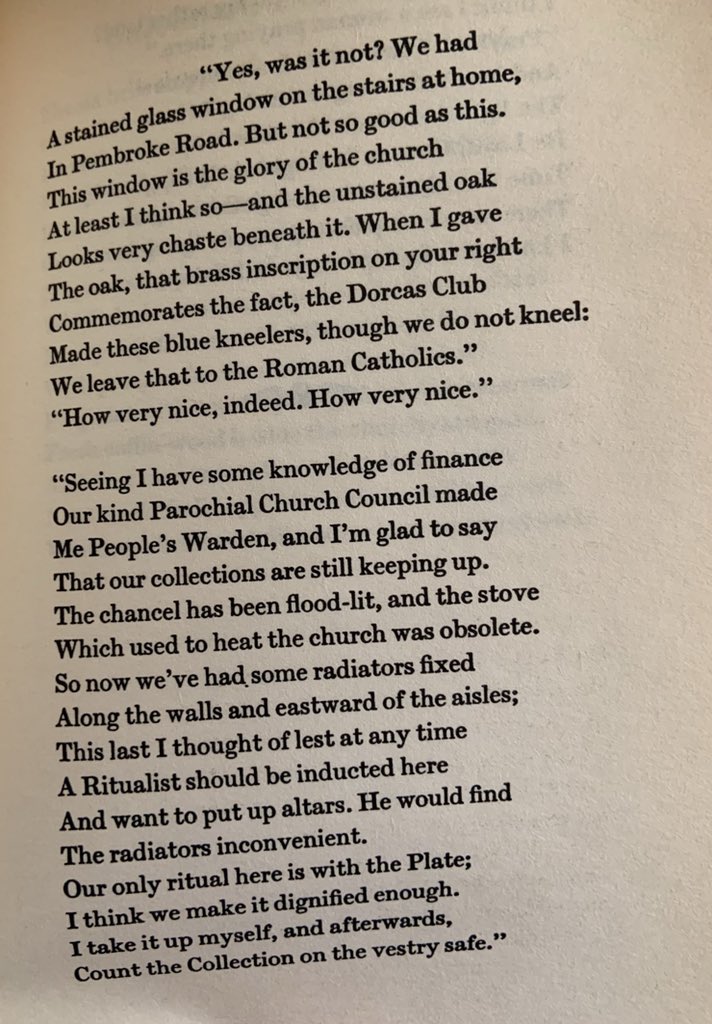
Donors who give in memory are more likely to include gifts in their will to support the cause so it is important to engage with the whole family.
Short stories and comics
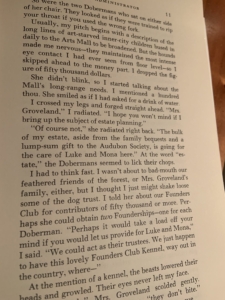
8. Jack Schmidt Arts Administrator
‘It was one of those sweltering days toward the end of the fiscal year when Minneapolis smells of melting asphalt and foundation money is as tight as a rusted nut’
How’s this for a (philanthropic) first line?
Jack turns into an Arts Administrator (fundraising consultant) when private detective work dries up because ‘What your arts organizations need is a guy who can ask people for large amounts without blushing and twisting his hankies’
He secures a range of grants for various arts causes …but struggles to get core costs funded (plus ca change)
Your fat cats will millions to build an arts center, but nobody wants to donate to pay the light bill because you can’t put a plaque on it. They’ll pay for Chippewa junk sculpture but who wants to endow janitors“
He even makes a legacy pitch – although the dogs that the donor adores look at him suspiciously …
9. Batman
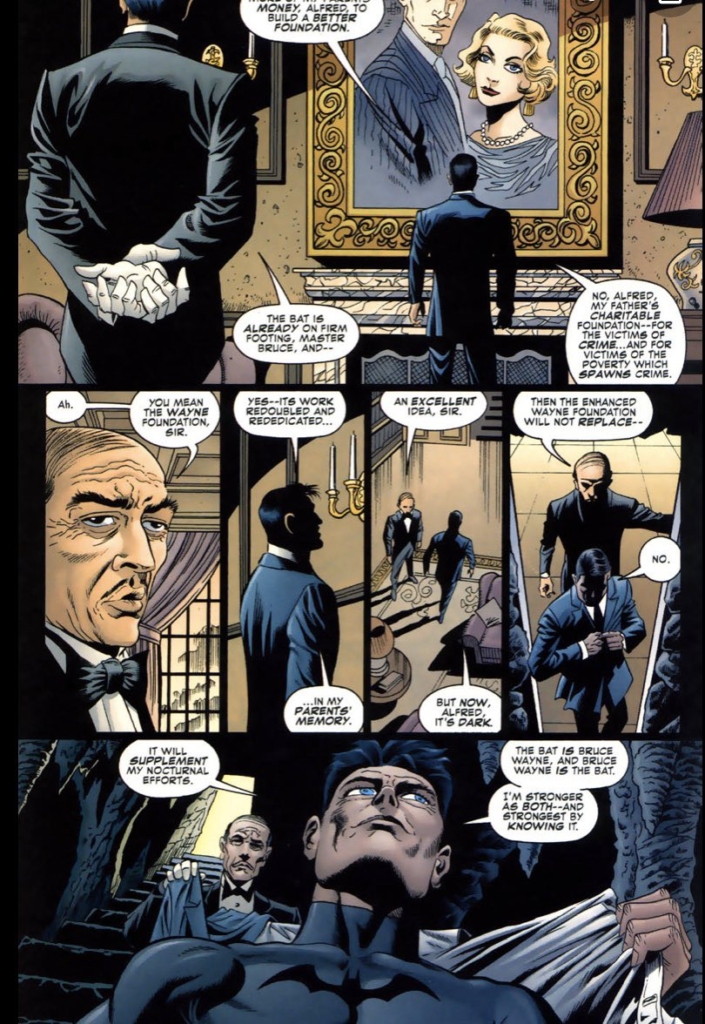
Batman’s mission to fight crime and injustice comes from a desire to honour the legacy of his parents. Sometimes in life gifts reflect others who have been influential in our lives.
So look out for legacy giving in all forms of literature … and remember
- Encourage your supporters to talk to their family about their wishes
- In memory givers make great potential legators
- In life giving and connections drive legacy pledgers
- Think about the various ways people can
- Encourage legacy pledgers to speak to a legal professional to ensure that the conditions of the will can be enacted correctly.