• Link to X
  • Link to Instagram
  • Link to LinkedIn
Marina Jones
  • My Thoughts
  • What I’m Reading
  • About Me
  • Contact Me
  • Home Page
  • Click to open the search input field Click to open the search input field Search
  • Menu Menu

Tag Archive for: behaviouralscience

Lessons on how to raise money for a theatre from the National Theatre archives

March 22, 2026/in Thoughts/by admin

In five acts (with prologue and an epilogue)

The campaign for a National Theatre for England began in 1848 and often aligned with the desire for a national monument for Shakespeare, however, it was not until 1949 that an Act of Parliament established the theatre. For over hundred years various schemes and fundraisers tried to raise enough public support and funds to make it a reality 

Prologue

“We few, we happy few, we band of brothers”

Henry V

Have a fan base. To get your charity and your project going you need a group of committed talented people (think of the infamous Margaret Mead quote). This is what the National Theatre had. A group refreshed over the decades that it took to secure the site(s) and build the theatre.

First you need the believers.  From there you can build your tribe of supporters and champions. 

Act One

“We’ll hear a play tomorrow.”

Hamlet

Use the art that people love to connect with your fundraising.  

How?

Get the playwright of the day to write a fundraising propaganda play promoting your cause. That’s what George Bernard Shaw did in 1910 – a one act play called ‘The Dark Lady of the Sonnets’ which was put on to raise funds for the campaign. In the play, William Shakespeare asks Elizabeth I to create a national theatre

“But the boon I crave is that you do endow a great playhouse, or, if I may make bold to coin a scholarly name for it, a National Theatre, for the better instruction and gracing of your Majesty’s subjects.”


Elizabeth I says ..
“there be a thousand things to be done in this London of mine before your poetry can have its penny from the general purse”


[plus ca change!]

but she goes on to speak to future generations pleading:
“that if I could speak across the ages to our descendants, I should heartily recommend them to fulfil your wish”
(full play text here – https://lnkd.in/ecz2DgxG)

How can you use the art to get your donors giving and closer?  

We pay more attention to things that are salient (relevant) to us. Connecting your charity with how it resonates with your supporters, their passions, interests and knowledge makes it stand out for them. They feel connected and ‘seen’ by your charity and it brings their identity and yours closer together and generates more income. 

Act Two

“All things are ready if our minds be so.”

Henry V 

To be able to fundraise you need to be organised.

Scene 1: Have a good CRM

You need to know what is pledged, asked for and paid. Before complex computer systems this entry shows how they were tracking what was paid (and where) and pledged as well as the notes function to record other information. 

A sample from the CRM in the 1930s showing what was promised, paid and whether they had the promise card.
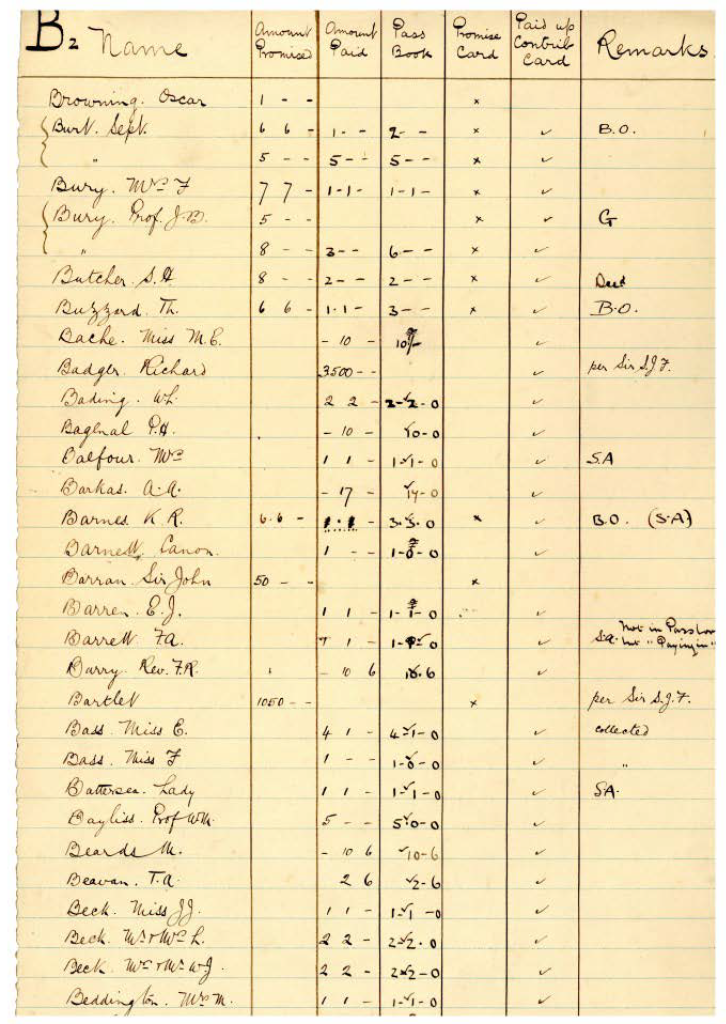
From the National Theatre archives


 Scene 2: Wait for the right time to make an ask – and trust your fundraisers to know when that is

There is a letter in the archives to Oliver Lyttelton in 1947 (after whom the Lyttelton theatre is named) about a donation that they are all waiting for. Lord Esher says that the intermediary has told him:

‘He has repeatedly told me that at the right psychological moment he is quite sure the donor will come across in a big way’

Fundraisers know when the right time in the fundraising journey to make the big ask. Asking too soon can get a no, or even, a small ‘go away’ gift. Lord Esher who is writing to Oliver Lyttelton expresses his impatience with this approach but trust your fundraiser to know when the time is right to make the best ask of each donor. 

Act Three

“Is the chair empty?” 

Richard III 

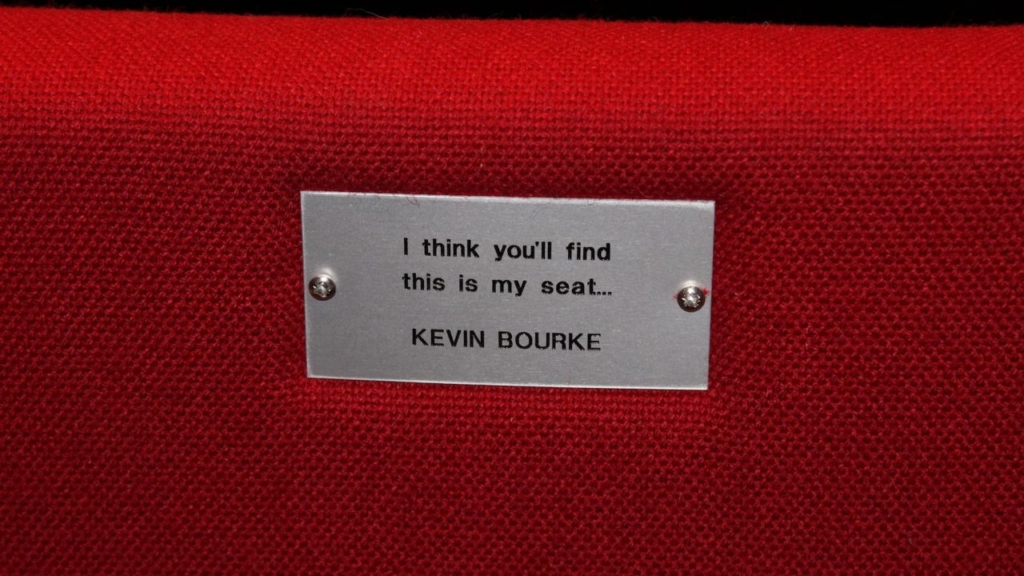
A default often used in theatre is to run a ‘name a seat’ campaign. The committee began this decades before the theatre opened with a campaign to endow seats for £100 in the 1930s. Seats could be named for yourself, your city, or for a favourite and famous actor or even a virtue. 

‘buying the right to dedicate one seat either in the name of a person, a society, a township or in the name of some historic act, ambition or ideal, in exchange for £100”

Dame Sybil Thorndike

All the records of those that named seats were lost in the war following a bombing raid during World War Two, and in the 1950s they had to advertise for their lost donors (read more about how to find your lost donors https://marinajones.uk/lostdonors/)

People love having their name on seats, and often go and visit their seat every time they go to the theatre.

Why?

Naming seats is about converting a transaction into identity and permanence.

The endowment effect (named by Richard Thaler) suggests we place higher value on things once they are ‘ours’. Our name on a seat asserts a psychological ownership – it moves from a seat in the theatre to my seat. Our identity is extended into the seat – and it becomes a social and visible symbol that I belong here, I am part of the fabric of this place. It demonstrates a commitment to the organisation. It provides social reinforcement of your identity as a kind and generous person. 

How can you recognise your donors and reinforce their generosity and kindness?

Act Four

Scene One

“Lord, what fools these mortals be!”  

A Midsummer Night’s Dream 

We never know what the future holds and what new products come on the market that may help or hinder our fundraising. Is it cryptocurrency, NFTs or crowdfunding? 

In 1954, the author of the newly published ‘Guide to Trusts and Foundations’ wrote to the Secretary of the Committee suggesting they purchase a copy to aid their fundraising. The reply:

“at the moment we are not contemplating any trusts or foundations for funds”

How times have changed. 

Scene Two

“I have had a most rare vision. I had a dream, past the wit of man to say what dream it was…”

A Midsummer Night’s Dream 

Financial security and endowments that support the long term investment remain a dream for most… 

In 1923 the brochure raising funds states:

“a theatre should be owned by the nation and placed, by some form of endowment, above the necessity of constant and immediate profit making’

The financial plan involved £100,000 for the site, £150,000 for the building and an ambitious £250,000 for this endowment. 
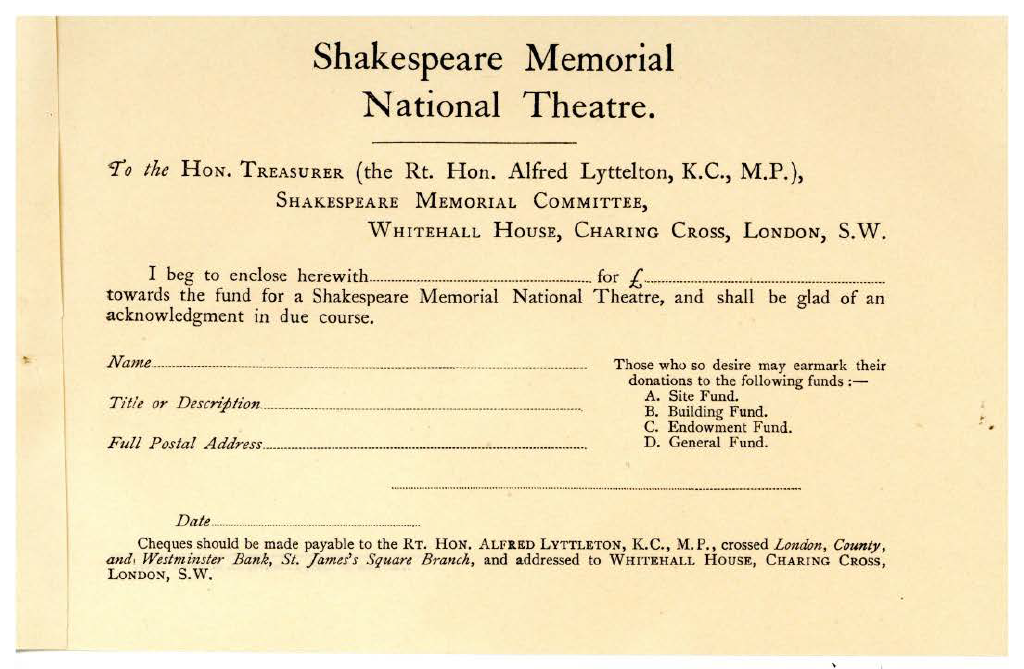
From the National Theatre archive

I have known several capital campaigns that begin with the dream of endowment, a dream that never materialises. 

Keep dreaming big. 

Act Five 

“Love sought is good, but given unsought is better.” 

Twelfth Night 

You have fans everywhere – and you can get unexpected gifts. Throughout the campaign there were generous and often unexpected gifts. Theatre groups disbanded sent in remainder of their funds

A group of school children saw an article about the proposed theatre in 1946 and sent it £2 as the proceeds of their amateur play after seeing an article in a magazine.

Who are your fans? And how do they know what you are doing and that you need funds?

Epilogue

“Will it please you to see the Epilogue or to hear a Bergomask dance between  two of our company?”

A Midsummer Night’s Dream

Like a Shakespeare play we finish with a dance – and this time a ball – proving not much has changed. George VI coronation ball was a fancy dress and a procession of theatre from Greek tragedy through medieval and Shakespeare to modern day with a setting of ‘A Midsummer Night’s Dream’. And like the 2026 a gala and star-studded celebrity affair. 
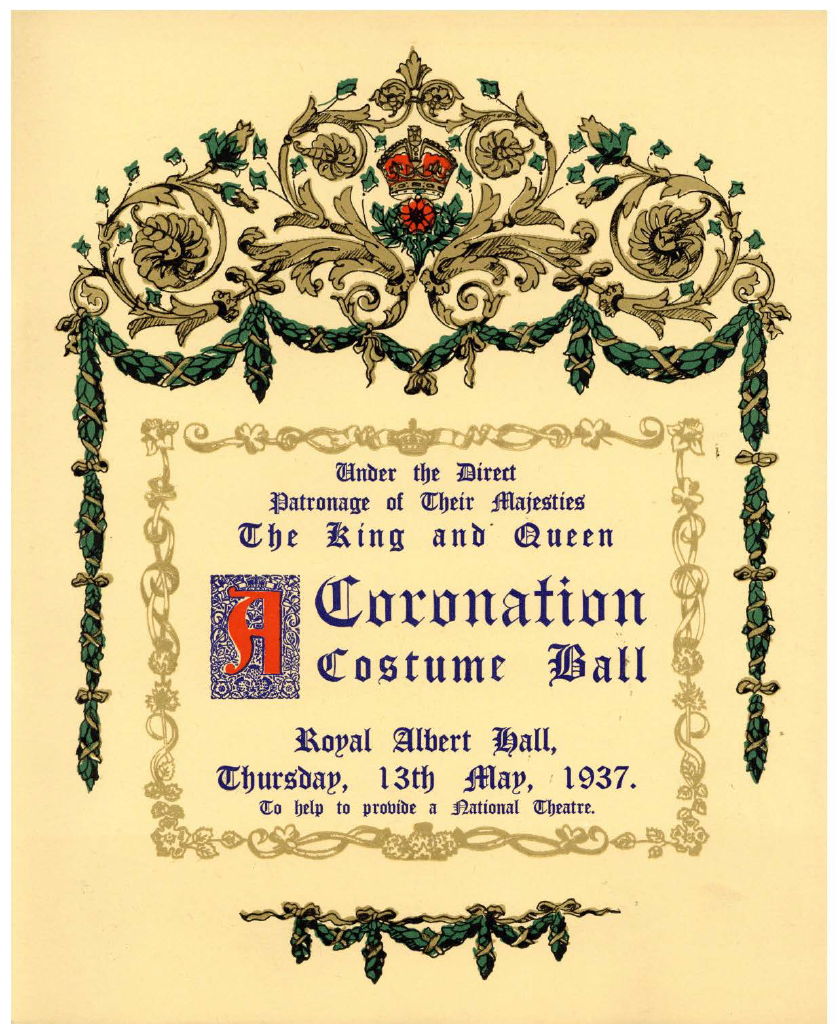
From the National Theatre archive

Events fundraising and celebrity connections continues to be a foundational way to raise funds.

So what does that mean for fundraisers today

  • Build a core group of committed champions first.
  • Fundraising is strongest when it aligns with what audiences already love – when it is emotional, relevant and compelling
  • Create ways to build identity and connection – make the donors part of the fabric of the organisation 
  • Make it easy for anyone to feel part of the story
  • The operational side also needs to work – as well as the inspiration.
  • Fundraisers manage pace, patience, and psychology.

It’s never just about money – it’s about building a movement people want to belong to.
https://marinajones.uk/wp-content/uploads/2026/02/IMG_1887-scaled.jpeg 1920 2560 admin https://marinajones.uk/wp-content/uploads/2022/12/f2b903e010104f5aa61ea1821a685913.png admin2026-03-22 19:46:332026-03-25 11:42:45Lessons on how to raise money for a theatre from the National Theatre archives

10 Fundraising Lessons from the Suffragettes

March 2, 2026/in Thoughts/by admin

1. Show Don’t Tell

As fundraisers and communicators it is more powerful to show than to tell – to show through actions, words, images and experiences the stories we want to share. 

Chekhov said:

“Don’t tell me the moon is shining. Show me the glint of light on broken glass.”

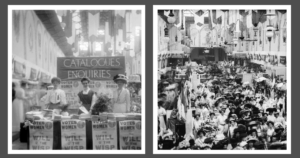
Humans are hard wired to notice what other humans are doing and we process it quicker. In 1909, the British Suffragettes ran a two week Women’s Exhibition which took show don’t tell to new levels. They had an immersive exhibit. But not just any exhibit – a jail cell. So before VR/AR headsets they created an interactive and immersive experience. They had a replica of a jail cell clearly demonstrating the where women were held after being arrested and on hunger strike. A suffragette who had been imprisoned in one of these cells led tours at the Exhibit. 

Demonstrating the importance of show don’t tell!

2. Make Giving Fun

Gamification has become a popular way to raise funds with brand partnership between charities and online platforms and gamers running charity campaigns, but games for charity are nothing new.

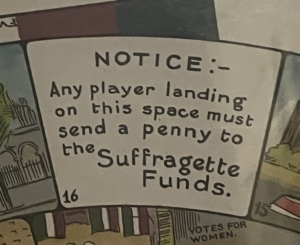
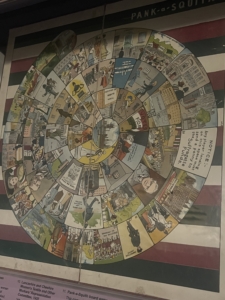
This board game from the 1910s with a board game called Pank-a-squith used to raise funds and awareness of the Suffragettes and their cause 

It had one space on the board dedicated to raising funds.

“Any player landing on this space must send a penny to the Suffragette funds”

3. Diversity your income

Don’t rely on just one source of income or even just fundraised income. Diversity your income streams. You can earn money too by selling merchandise.

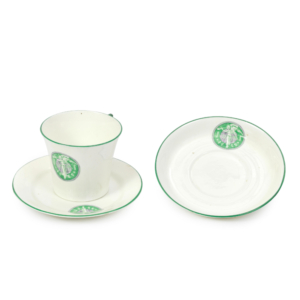
The suffragettes sold this crockery set. Charity merch plays a very important role in helping supporters cement their identity as part of your supporter tribe.Yes, the motive for the purchase may be blurred and they buy the item because it is pretty or practical but is also personal – a personal allyship with the cause. Like wearing a football shirt, a university scarf or a t-shirt with your favourite band on it – it is showing affinity and identity. Collecting and using the item reinforces their connection with your charity and a memory associated with it – perhaps with each use of the cup, the bag, the gin they are getting a microdose of dopamine (the happy chemical) and being reminded of the warm glow of giving to your charity. For your supporter having your merchandise is a way of them signalling they are someone that cares about preserving art or fighting for justice – and literally have the t-shirt, bracelet or crockery to prove it. 

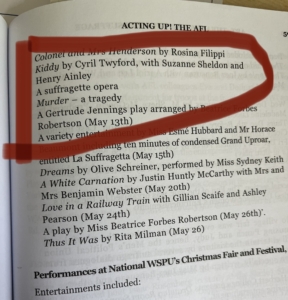
4. Write an Opera

Events fundraising has been a constant throughout fundraising history. Entertain and raise funds.

5. Money talks – how do you use your power

Supporter of women’s rights to vote Mary Elizabeth Garrett used her considerable wealth to advance her agenda. Named ‘coercive philanthropy’ by historian Margaret Rossiter, Garrett funded the medical school at John Hopkins University on the condition that it allowed women students and that she shaped the curriculum. It took many years and negotiation and was she was concerned about them honouring it as the grant agreement read:

“That in the event of any violation of any of the aforesaid stipulations the said sum of $306,977 shall revert to me, or such person or persons, institution or institutions, as I by testament or otherwise may hereafter appoint.”  Part of the grant agreement

Mary Elizabeth Garrett’s gift ultimately founded the Johns Hopkins Medical School. Her conditions did more than secure funding, it cemented women’s equal place within the institution and established rigorous standards for both the curriculum and the quality of medical training. Although her method might raise red flags today, her insistence and use of financial leverage forced the hand of the university to accept the gift on her terms.

In hindsight, the results of her intervention are an example of using power for the public good. The long-term benefits to women’s education, professional equality and the modernization of medical training have been substantial and enduring. While her methods may be ethically uncomfortable, the outcomes have been profoundly positive.

6. Where you make the ask matters

Preparing and choosing where to make the ask is an important consideration for the fundraiser. Where are your potential donors going to be most receptive, have time to listen and engage and understand why you need the funds and what they will be used for.

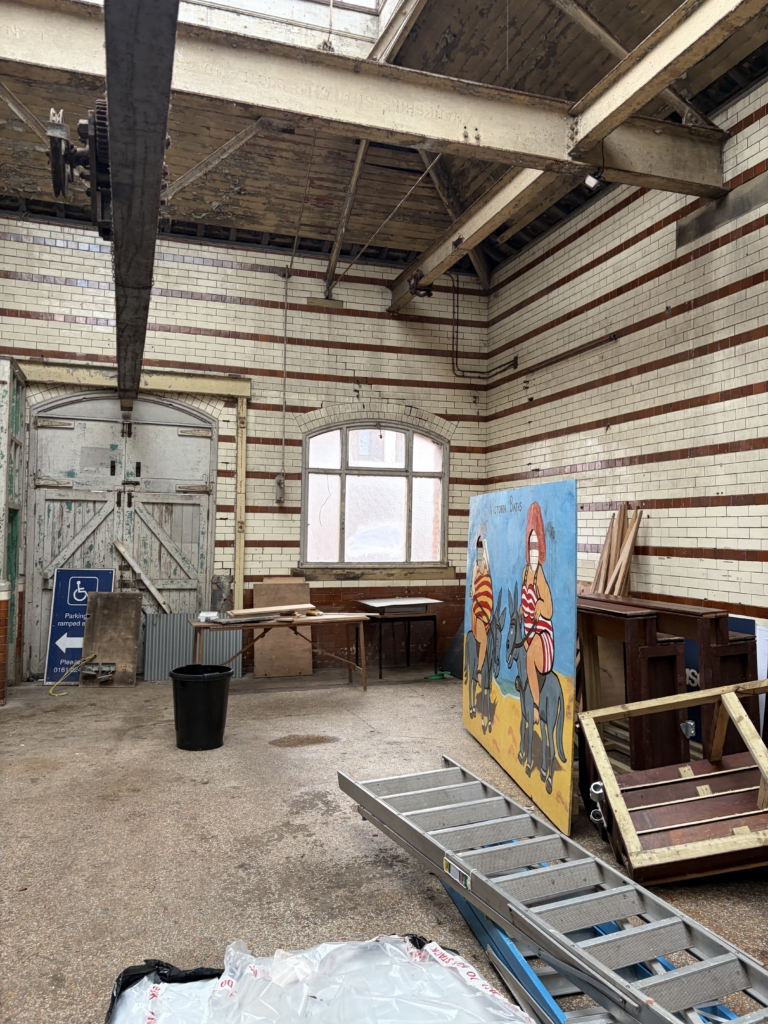
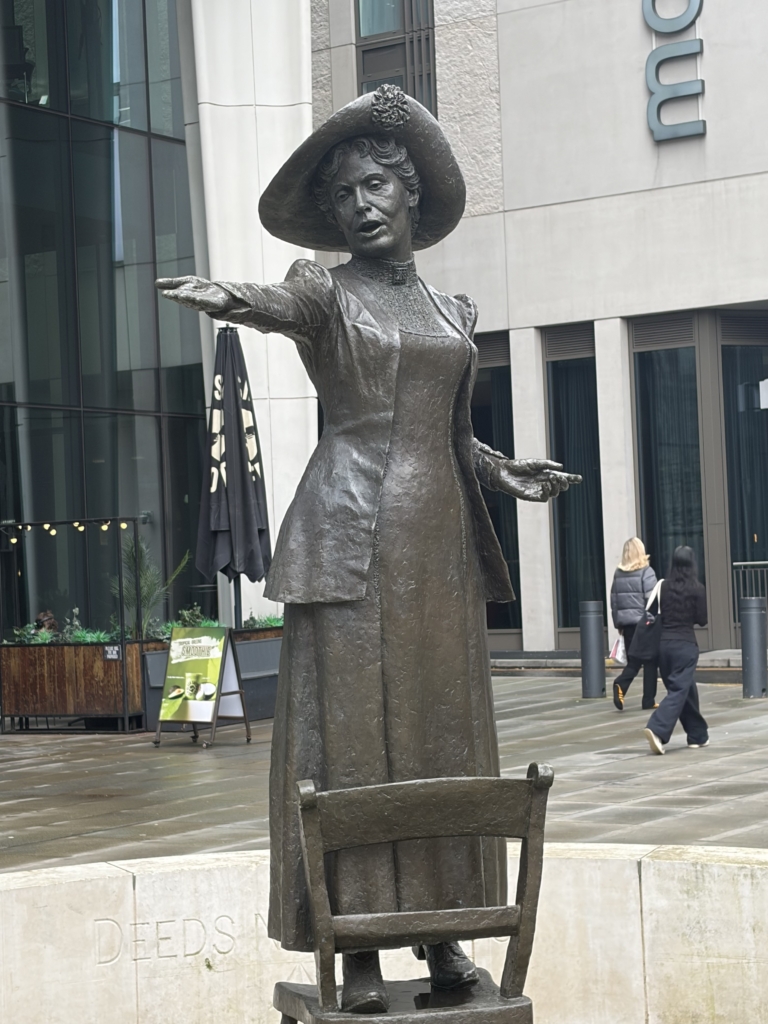
Victoria Baths in Manchester, founded in 1906, was a public baths. They had a laundry to wash the towels used in the baths but in order to earn more money they used it as a laundry where people could pay to come to do their washing. This was a segregated – female only space. It was a space used by Emmeline Pankhurst to champion the cause, to educate and explain about the fight for vote.

Think about where you can make the case without being disturbed.

7. Legacies often save the day

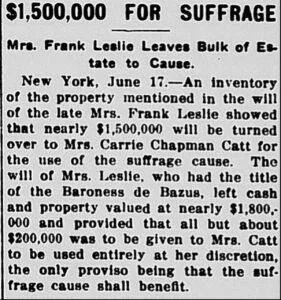
In the 1850s and the 1860s two legacies (one from Francis Jordan and one from Charles F Hovey) helped advance the cause when it has stalled. Mrs Frank Leslie left all her estate to Carrie Chapman Catt for the suffrage movement and that large and unrestricted gift is credited for helping the cause in the US.


A common theme in fundraising when all looks bleak and legacy suddenly comes in and saves the day/balances the books!

8. Dreams do come true!

Anonymous donors who pay salaries

On the wish list for fundraisers and realised by Pauline Shaw who gave anonymously from the 1880s and more than was asked for to support salaries.

9. Fundraising is emotional and hard work

“more than half my spiritual, intellectual and physical strength has been expended in the anxiety of the getting the money to pay for the Herculean work that has to be done in our movement“

Susan B Anthony

Plus ca change.

10. Name it & Publicity matters

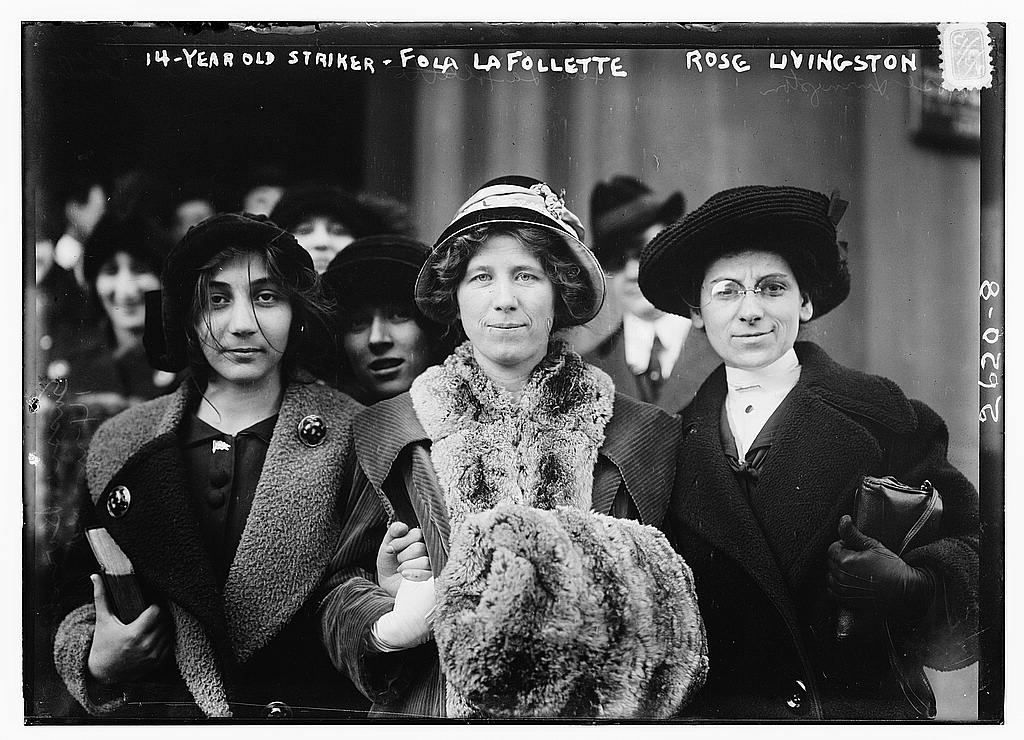
Once something has a name it becomes more concrete in our brains (known as the Sapir-Whorf hypothesis or linguistic relativity). In New York, in 1909 wealth donors supported the Shirtwaist Strike (female garment workers) – the presence of wealthy women not ordinary campaigners on the strike attracted more press attention. They were named in the press as the Mink Brigade. Having a name (Mink Brigade) shapes our understanding and perception.

The tactic of getting well known people or influencers to be involved in campaigns is not a new thing.

“a society women in a street corner soap box is worth reporting in the papers”

Louisine Honemeyer allowed herself to be arrested more publicity

Mary Simpson Sperry to Phoebe Hearst

“We need financial aid for this campaign but far more than that we need the public utterance of women beloved and respected … your influence, dear Mrs Hearst will be on untold assistance to us”

And the right amount of flattery!

And a word of caution … don’t treat donors like an ATM

“I feel as if I were nothing but a money machine”

Margaret Dreir Robbins

So said Margaret Dreir Robbins in 1921 we need to be careful not to take the wealth and willingness of our donors and not to treat them like a cash machine! Even over 100 years ago a danger for fundraisers.

The history of suffrage fundraising.

Fundraising is seen perhaps an adjunct, a means to an end, and not as worthy of study in itself. What can be gleaned about the fundraising history is told through asides in the history of suffrage and other movements.

The focus so far has been on the historical change and not the fundraising.

When the histories of these movement are written, because histories is written by the victors, tend to focus on the social change and ignore the role that money played in social change.

Joan Marie Johnson argues that histories of the women’s suffrage movement marginalise the role of wealth and tend to lead with the grass roots activist. She argues that the movement resented the wealthy women’s influence and when writing memoirs their involvement has been downplayed and most historians have used their narratives to shape the wider history.

More research is needed into how the Suffrage movement was funded and how they raised funds.

Renowned British social historian Frank Prochaska argues that the sophisticated organisation of female-led charity collections in the early 19th century paved the way for the suffrage movement, giving women the skills and legitimacy to act charitably outside of the house. These skills placed the movement in a stronger place and led to change in the law quicker.

https://marinajones.uk/wp-content/uploads/2026/02/Mink.jpeg 740 1024 admin https://marinajones.uk/wp-content/uploads/2022/12/f2b903e010104f5aa61ea1821a685913.png admin2026-03-02 13:06:202026-03-02 13:06:2010 Fundraising Lessons from the Suffragettes

Why did five million people wear the same bracelet?

January 27, 2026/in Thoughts, What I'm Reading/by admin

Wear What You Feel

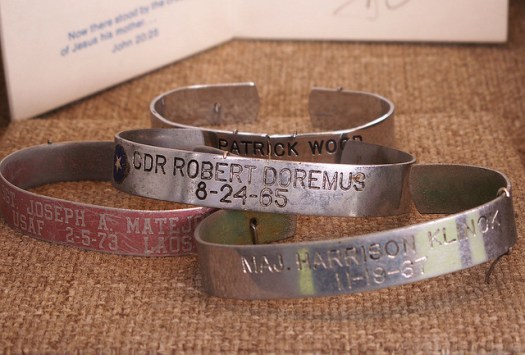
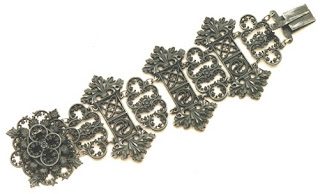
In the early 1970s, millions of Americans wore thin aluminium bracelets engraved with the name of a man they had never met.

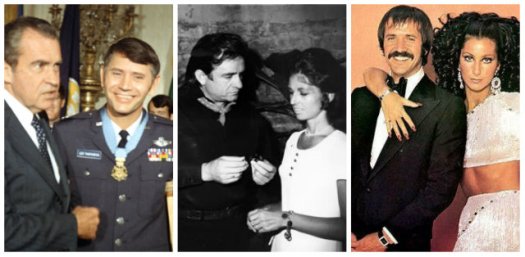
They wore them in classrooms, on television, on red carpets and at kitchen tables. Johnny Cash wore one. Sonny and Cher wore them. John Wayne wore one. So did Princess Grace of Monaco. So did students who could barely afford the $2.50 donation that came with it.

Each bracelet carried the name and date of capture of a single prisoner of war or missing serviceman in Vietnam. You wore the bracelet until the man named on it returned, or until the truth of his fate was known.

The bracelets worked because they exploited something deeply human: a personal connection. It connected you with one individual, one missing serviceman – they became yours. This is called the identifiable victim effect the tendency to feel greater empathy and act more decisively when a single, specific person is identified, rather than an anonymous group. The POW/MIA bracelets replaced a collective of anonymous prisoners with one named individual.

Development of the idea …

Congressman Bob Dornan wore a bracelet made from scrap aluminium, given to him by a Montagnard tribesman in the Vietnamese highlands in 1966. It came with the plea – ‘do not take it off until my people are free‘.

Bob did not take it off. He wore it every day. Every time his arm hit a wall the bracelet clinked, every time he saw it, every time it got caught in his sleeve – he was reminded of the suffering and why he was wearing it.

The story of Bob Dornan’s bracelet inspired Carol Bates and other students involved in Voices in Vital America (VIVA) to do something to raise awareness of the prisoners of war in the Vietnam war. The first batch of bracelets was intended for students, priced to match the cost of a cinema ticket.

Visibility as commitment

Behavioural economics tells us that public commitments change behaviour. Once we signal who we are, and especially when we do that visibly with an outward sign, like a bracelet or badge, we want to stay consistent to that identity. The bracelet didn’t just express alignment, it showed and embodied commitment.

What started as a kitchen table enterprise caught the imagination.

Demand jumped from hundreds a week, to tens of thousands. Nearly five million were eventually sold raising over $7m.

This is the behavioural hinge –  once support becomes visible, it stops being individual and starts being social.

Wearing the bracelet did three things at once.

  • It personalised an abstract war.
  • It signalled allegiance to others.
  • And it made non-participation noticeable.

When objects become norms

The POW/MIA bracelets didn’t just raise money. They changed the atmosphere.

The bracelet turned support into a default behaviour. If everyone else was wearing one, not wearing one became a decision.

It was not just a fundraiser. It became social norming made tangible.

This is the same dynamic we use as charities with badges, donor walls, name plaques, digital badges and public thank yous. Visibility creates legitimacy. Legitimacy creates momentum.

The difference is that the bracelet didn’t say I donated.
It said I’m part of this.

Wearing as giving

Psychologists call this social proof. Fundraisers call it recognition. Donors experience it as belonging.

We know from decades of research that people give more, and more often, when generosity is visible. Donation boxes that show visible gifts drive more donations – the social proof of others donating reassures us that this is the normal thing to do and encourages more gifts, more belonging. Public donor lists can increase participation by crowding in support (although be careful not to crowd it out). Badges, ribbons and pins turn our private values and identities into shared social norms.

But the bracelet did something more sophisticated. It fused identity, sacrifice and time.

You didn’t just buy a bracelet. You lived with it. Every day reminded of your soldier, your prisoner of war, your connection and your commitment.

From bracelets to badges

This logic has repeated itself across centuries. The bracelet was not a new way to belong and to embody commitment and identity.

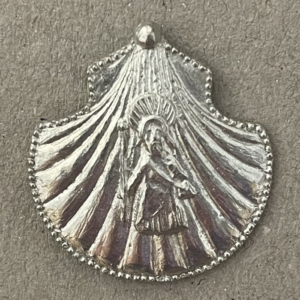
Medieval pilgrims wore badges showing the shrine they had visited. These could be bought as souvenirs to demonstrate your identity as a pilgrim, to show you had been on pilgrimage (and helped also raise additional funds). You wore them on your cloak or hat, put them in your prayer book or could nail them up at home. They showed to the world that they had been on pilgrimage and what tribe they belonged to. Each shrine had its own badges so you could collect them from various shrines demonstrating your piety and connection. 
In 1813, Princess Marianne of Prussia used the power of social norming (and a bit of royal celebrity messenger) to appeal to Prussian aristocrats to give their gold jewellery for the Prussian cause against Napoleon. This proved a popular way to fundraise and the gold items were exchanged for iron jewellery emblazoned with ‘Gold gab fur Eisen’ (‘I gave gold for iron’). It became the social norm to wear these iron rings and broaches, and gold was considered unpatriotic. 

Our brains have evolved to feel social rejection in the same way that we feel real pain – as our primitive selves needed to be with the group to get food and shelter – that is why doing what is normal for the group is so important. What we know now about how our brains work helps us to understand what is happening inside our brains and why social norming and embodied commitment are such a powerful drivers of behaviour. 

Why we want the badge or the sticker everyone else has got.

We want to do what people like us are doing. 

We want to belong to the tribe. 

From tote bags to pin badges, from poppies to daffodils and forget-me-nots – charities continue to give supporters the chance to demonstrate their belonging and identity as a supporter. To belong to that supporter tribe. Each turns the body into a message, and the donor into a carrier.

Wear what you feel

Objects work when they carry emotional weight. When they ask something of the wearer. When they make values visible without making them performative.

The most powerful fundraising symbols don’t reward generosity — they enrol it.

They say:
If you care, wear it.
If you wear it, live up to it.
If enough of us do, it becomes normal.

And once something is normal, it no longer needs to shout. It just needs to be seen.

References:

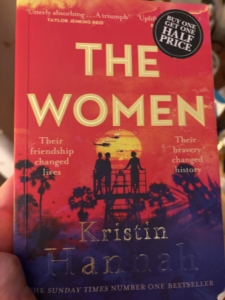
I found out about these bracelets by reading ‘The Women’ by Kristin Hannah – which tells the powerful story of American female nurses working in Vietnam, friendship and the aftermath of the war.

 https://reneebeck.com/2013/11/11/did-you-sport-a-vietnam-war-pow-bracelet-70s-ladies/

https://issuu.com/coronadomagazine/docs/aa_-_comag_05-23/s/24254205

https://www.krcu.org/show/telling-history/2024-08-26/telling-history-pow-mia-bracelets

Palm Springs Museum’s POW-MIA Bracelets Draw Attention to the Cause

https://www.pow-miafamilies.org/powmia-bracelet#:~:text=In%20Vital%20America,chairmen

https://marinajones.uk/wp-content/uploads/2026/01/image-4.jpeg 355 525 admin https://marinajones.uk/wp-content/uploads/2022/12/f2b903e010104f5aa61ea1821a685913.png admin2026-01-27 19:52:292026-01-30 20:33:34Why did five million people wear the same bracelet?

Read the will Mark Antony!

November 10, 2025/in Thoughts/by admin

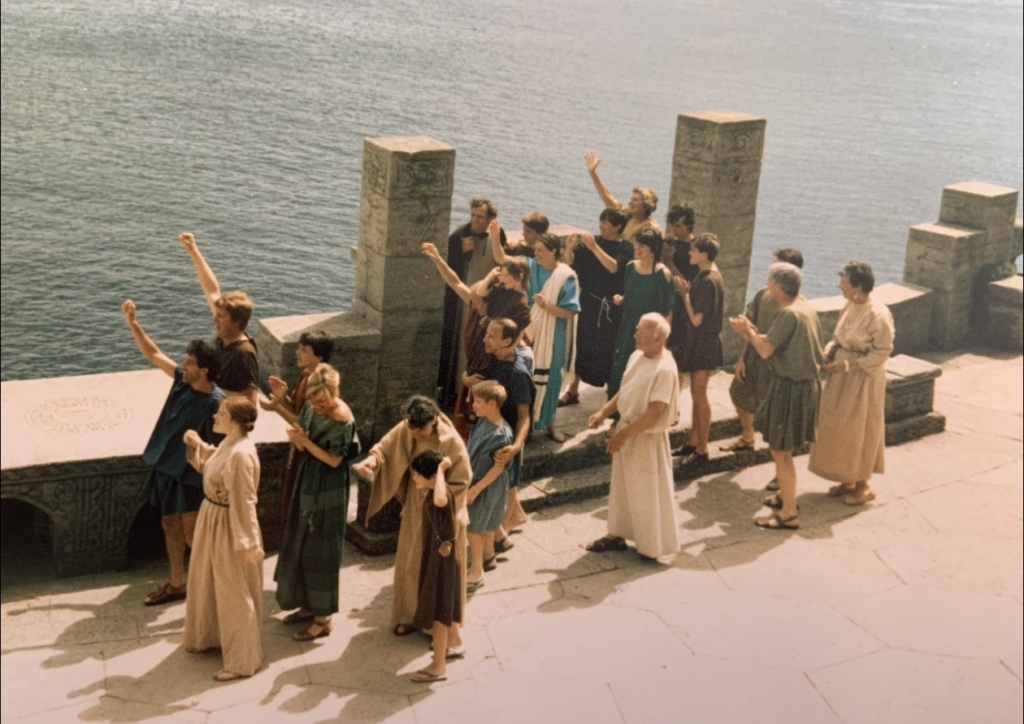
Here I am aged 6 at the Minack Theatre in Cornwall in a production of Juluis Caesar. Can you spot me? This production was directed by my father, and also in the picture is my mother, sister and grandfather.

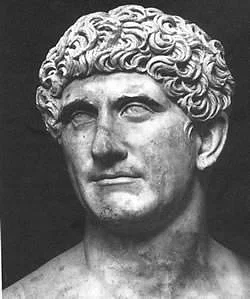
This is taken from Act Three of Julius Caesar just after Caesar has been assassinated by the conspirators. Mark Antony has just finished the famous “Friends, Romans, countrymen, lend me your ears” speech, and the crowd are shouting to hear Caesar’s will. Mark Antony was not one of the conspirators who assassinated Caesar, and in the space of this one scene through the power of speech he changes the angry mob from thinking Caesar was a tyrant, to a champion of Rome and the people. The speech itself is a masterclass in persuasive oratory. 

At this point the crowd are yelling  “We’ll hear the will. Read it, Mark Antony” and “The will, the will! We will hear Caesar’s will” (notice the deliberate repetition of ‘will’ when ‘shall’ would make more grammatical sense).

So what was in Caesar’s will, how did Romans make legacy gifts, and how could you be as persuasive as Mark Antony in your fundraising?

Let’s pick three devices used by Mark Antony to persuade the crowd:

Framing 

“I come to bury Caesar, not to praise him.”

Framing is the context or lens which people use to understand a message. Just as a picture frame changes how a painting is perceived, the “frame” we use alters how our audience sees the facts.

For example, an operation with a 90% survival rate sounds far more positive than one with a 10% mortality rate, even though the facts are identical.

By Mark Antony saying he has come “to bury, not to praise,” Antony appears neutral, framing his speech as respectful compliance with Brutus and the conspirators. This disarms Brutus, and the crowd’s defences.

He also reframes “ambition” which is a negative quality when Brutus uses it. Brutus and the conspirators claim that Caesar’s ambition to be emperor was cause for the assassination. Mark Antony contrasts Brutus’ claims of “ambition” with Caesar’s refusal of the crown and his generosity to the city.

In fundraising, the frame that we put around a problem can help a donor understand the issue, and drive action. So instead of “2 million starving children need help today”, we can frame the problem as “Help Ifran have a meal today” (this links into the identifiable victim heuristic where we are more likely to help one named person rather than countless millions. Our brains cannot compute the big numbers or the scale of such a large problem – but, by the frame helps adds focus and by using the lens of how we can help one child (Ifran) we can see a tangible and real impact of our gift.) 

Repetition 

“Yet Brutus says he was ambitious;
And Brutus is an honourable man.”

Repetition breeds familiarity and our brains often equate familiarity with truth. This is known as the mere-exposure effect. Antony deliberately repeats Brutus’ assertion that Caesar was ambitious, until it sounds hollow and insincere. By overusing it, he drains it of its original power and turns it back on its speaker.

Mark Antony calls Brutus “an honourable man” not once, not twice, but eight times.

In fundraising, we often debate how many times to repeat an ask — but repetition works. Despite how carefully you have crafted your appeal your donor will skim it (see the work of Siegfried Vögele). So although it might feel repetitious to you (or to someone else in the organisation reading it) knowing that your donor is skimming your material makes repetition powerful and effective. 

Mark Antony

Curiosity 

“I found it in his closet. ’Tis his will.”

At first Mark Antony refuses to read the will. This incites the curiosity of the crowd:

“Have patience, gentle friends. I must not read it.
 It is not meet you know how Caesar loved you.
 You are not wood, you are not stones, but men.
 And, being men, hearing the will of Caesar,
 It will inflame you; it will make you mad.”

This leverages the curiosity effect our innate drive to seek information simply because we want to know what we don’t. Curiosity triggers dopamine release, increasing engagement, memory, and motivation.

In fundraising curiosity can be in the teasers or questions you ask in your appeals and communications 

“How just £1 saved 20 people in Ethiopia from certain death?”

Mark Antony’s rhetoric also feeds into reactance. When we are told that we cannot, or should not, have something it feels like our agency and autonomy is being taken away, and we rebel against it and want to do the opposite. So, by Mark Antony telling the crowd that they cannot hear the will makes them want to know what is in the will even more. 

When asking for donations we need to be careful not to incite reactance in our donors making them feel that they do not have agency in the decision. A meta data study by Roger Dooley that looked at 22,000 pieces of data showed that by giving donor’s permission not to give, or not to give now by adding the phrase ‘but you are free to choose’ increased donations x2.

What does Caesar’s will tell us about Roman wills?

“Here is the will, and under Caesar’s seal:
 To every Roman citizen he gives,
 To every several man, seventy-five drachmas.”

The will reveals that Caesar left each Roman citizen 75 drachmas. Caesar also left his private orchards and gardens to the city to enjoy. 

“Moreover, he hath left you all his walks,
 His private arbors, and new-planted orchards,
 On this side Tiber. He hath left them you,
 And to your heirs forever—common pleasures
 To walk abroad and recreate yourselves.
 Here was a Caesar! When comes such another”

Although Shakespeare is known for his fabrication of historical events for political propaganda, Mark Antony is really reported to have read Caesar’s will and the contents described are accurate in the play. However, in real life, Mark Antony read it in private, but the contents were made public.

Roman wills, like wills today, were socially and culturally prescribed. The norms that we see today to gift to immediate family (prescribed through legitimate portions in some countries) date back from Roman customs. Wills were important documents for securing succession and naming official heirs.  

Charitable works for the public good, like leaving the land to the city or building theatres or libraries, was a key virtue in Roman society so there was a cultural norm to make gifts like this it was a way in which powerful men (and a few women) demonstrated their civic virtue. 

It was also common practice that wills gave freedom to your faithful slaves 

Some other Roman legacy examples:

As with many parts of the history of fundraising and philanthropy, we rely on what survived to catch glimpses of the past and what and how fundraising and charitable giving was carried out. Inscriptions on tombs can give us clues to how philanthropy was enacted when the papyri have long since disintegrated. There are a few notable examples of legacy giving – like Caesar’s – that reflect in life commitments.

Menodora

Menodora’s tomb

In Turkey a tomb was recently discovered with an inscription which tells of Menodora, a woman in the town of Sillyon who donated over  300,000 denarii to a children’s foundation and building public monuments (via Why Philanthropy Matters newsletter)

https://www.turkiyetoday.com/culture/roman-era-philanthropist-menodoras-tomb-discovered-in-antalyas-sillyon-3207766

Pliny

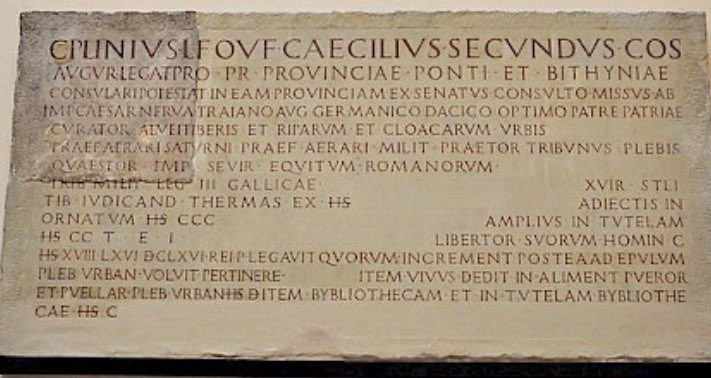
Pliny the Younger, prolific first century letter writer, lawyer, author, magistrate and sometime philanthropist, is a notable legacy donor. Pliny’s will details his bequests for the public good including gifts to the public baths and their upkeep (we like a legacy bequest that comes with maintenance costs.) In his will, he also supported Freemen of the city which included spend on an annual dinner. In his life he had been a major contributor to the library and his will does not include another gift to the library but notes his life time gifts which included 100,000 sesterii for the upkeep of the library.

To read more about legacies and history

  • “Let’s choose executors and talk of wills.”  – this quote from Shakespeare’s Richard II is quoted on a Salvation Army legacy brochure from 90 years https://marinajones.uk/legacy90/

  • Shakespeare or Dante – what Dante can tell you about legacy fundraising https://marinajones.uk/dante/

  • Legacy fundraising Middle Ages style https://marinajones.uk/legacy-fundraising-middle-ages-style/

  • We have a tendency to think of wills as private documents, especially in British culture.  Philanthropist and entrepreneur Madam CJ Walker was aware it is a public document and will be read and scrutinised https://marinajones.uk/legacylessons/
https://marinajones.uk/wp-content/uploads/2025/11/IMG_0318.jpeg 891 1260 admin https://marinajones.uk/wp-content/uploads/2022/12/f2b903e010104f5aa61ea1821a685913.png admin2025-11-10 19:53:012025-11-10 19:53:12Read the will Mark Antony!

Extraordinary How Potent Cheap Music is  – sensory priming

October 19, 2025/0 Comments/in Thoughts/by admin

Our brains are wired to emotionally respond to music which is why certain songs have a power to transport us physically and emotionally to a moment – a university bar, a crush, a city, a holiday, a road trip, childhood, someone we love. Familiar music, especially music with vocals, causes a psychological response (increased heart rate & blood pressure) – music is wired to our memory.

Sounds can prime our moods and emotions. Research has shown that listening to ‘Hakuna Matata’ from The Lion King primed a good mood and people were more generous.

Working in opera I often ask audiences to remember a particular musical moment, or their favourite moments in communications.

Sound is one of the most powerful senses we have, but one often under used in fundraising. 

Listening to music can give you thrills and produces endorphins and activates the brains reward circuits. 

“Music does a lot of things for a lot of people. It’s transporting, for sure. It can take you right back, years back, to the very moment certain things happened in your life. It’s uplifting, it’s encouraging, it’s strengthening.”

Aretha Franklin

The power and embodiment of music can be seen in this former ballet dancer with Alzheimer’s hearing Swan Lake and recreating the steps

Mood music 

The cues music can give us are subliminal nudges, that can impact our mood, but also our behaviour, how fast and what we eat, and what we buy.

Music with a faster tempo makes us eat faster, and people tend to spend more money and eat slower when jazz or classical music is played. Think about the ambient background music you might have in a restaurant – fast and pop for somewhere that wants to turn tables, and more mellow and chilled for a restaurant that wants to encourage you to spend longer, spend more and enjoy the experience. (Although music can also be used as a deterrent, a Welsh branch of MacDonalds plays classical music after 17.00 to deter anti social behaviour)

This real life experiment in an East Midlands supermarket shows how the background music has more impact that we might think it would

  • When French music was played 75% bought French wine
  • When German music was played 73% bought German wine

When asked about their choice of wine, and whether the music had impacted their choice, only one of those surveyed noted the impact. (North, A. C., Hargreaves, D. J., & McKendrick, J. (1999))

What does your brand sound like?

Brands use sounds, known as sonic branding, to help us readily recognise them:-

MacDonalds has ‘I’m lovin’ it’ https://www.youtube.com/watch?v=tfhlEP8LT4k and Intel has the ping https://www.youtube.com/watch?v=-ihRPi4wcBY

Coca Cola used this image and the slogan ‘try not to hear this’ to evoke the sound of the fizz of the bubbles (there were also adverts showing a detailed close up of the ring pull being pulled back, and a bottle opener opening a bottle). The advert invites us to hear the remembered sound and trick our brains to almost hear it.

What does your charity brand sound like?

The RNIB has recently released  a sonic identity https://www.rnib.org.uk/about-us/sonic-logo/

But what has it got to do with fundraising?

We know sound (and taste/smell – think Proust and the madeleines) are some of the most powerful senses but unless you have the budget for a TV ad (or create a ‘scratch’n’sniff appeal) they can be underused in fundraising appeals (in direct mail or adverts.)

We know that we and our supporters receive information in many ways – that the words are only part of it, and that the real and imagined images we use have an impact – as does the weight of the paper, the design of the piece, the feel of appeal in the hand, the order we present information (touching something soft primes us to be kinder). We know that appealing to many of the donor’s senses can make our appeals more vivid and effective. So, we might appeal to donors to remember a sound (children crying) or imagine a future sound (children laughing), but we largely rely on the words and the visual of the design of the pack – letter, the lift letter, response mechanism, the call to action.

For someone working in opera and fundraising, the sounds created and remembered are key – the emotions they stir in audiences from the dopamine of anticipating what it will feel like to hear that music again, to the oxytocin of the emotional engagement with the story – music is so important. And not just the music, but the whole holistic and acoustic experience of the performance, of being together, with an audience, inside a theatre.  The hubbub in the bars before hand, the orchestra tuning up as you take your seats, the silent anticipation with the audience holding its breath before the curtain rises and the applause at the end.

How can we integrate soundscapes into an appeal?

  • How can we create appeals that bring more of the sound world – real, remembered or future created by the donor’s action into our appeals?
  • How can technology help us integrate and create an immersive sound world?
  • How could we use sound to provide a richer and deeper connection with our donors? To their memory? To their identity?
  • What segments of donors will this soundscape be most effective with?

https://marinajones.uk/wp-content/uploads/2024/01/heaer.png 94 178 admin https://marinajones.uk/wp-content/uploads/2022/12/f2b903e010104f5aa61ea1821a685913.png admin2025-10-19 20:36:282025-10-19 20:36:29Extraordinary How Potent Cheap Music is  – sensory priming

What can the bins of Bristol show us about how decision science is used to change people’s behaviour, and how does that apply to your fundraising?

August 30, 2025/in Thoughts/by admin

When trying to change people’s behaviour there are some key questions to ask …Do they have the 

  • Physical, skills and stamina to be capable of the action? and psychological capability to do the behaviour
  • Physical and social opportunity to do the behaviour?
  • automatic or reflective motivation to do the behaviour?

((based on the COM-B model designed UCL, Centre for Behaviour Change by Susan Michie, Maartje M van Stralen, and Robert West) 

So when trying to reduce littering on the street and encourage bin use … which of these did Bristol address?

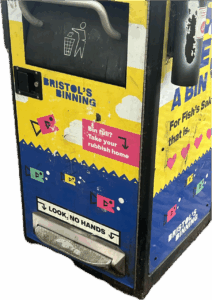
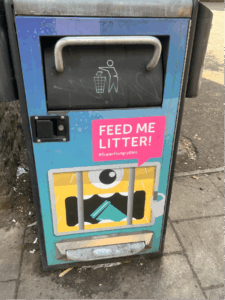
  • Physical opportunity – simply add more bins and make them more obvious. This is what Bristol did just adding more bins to give people more opportunity to use them. And not just plain black bins but bright colours so they stand out more. Our eyes are drawn to bright colours.
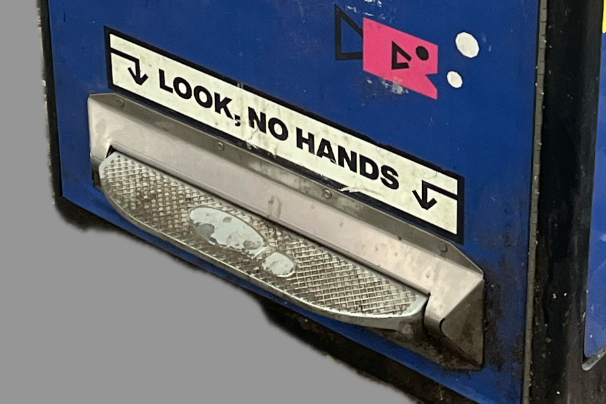
  • Physical capability– look no hands – often people don’t want to touch dirty rubbish in bins – the hands-free option of using your feet helps make it easier to use. 

When designing fundraising appeals don’t neglect how physically easy it is for your donor to complete the action – from the size of the font, to the colour of the text and the background, to the reply form – can they read it? and physically write (comfortably and easily) in the boxes provided? As we get older our eyes sight, even with glasses, can decline – think about the audience for the appeal and their age and what they need to make it easy to read and respond.

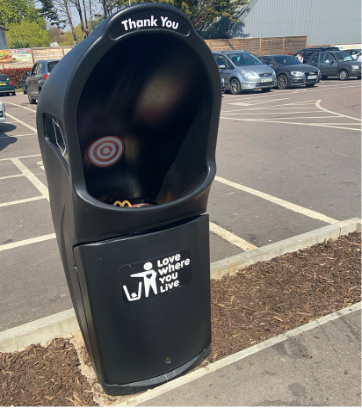
(Another non Bristol example here from MacDonalds – to encourage more people to put the rubbish in the bin and make it fun – they have added a target to the bin giving you something to aim at and make it easier for you to know what to do) 

  • Feed the monster – makes it fun and salient – our attention is drawn to novelty.  Our primitive brains are also drawn to eyes and faces. Our brains have not evolved that much in 200,000 years and we still automatic scan faces trying to work out if it is friend or foe and we process eyes and emotions in eyes quicker. Big friendly monster eyes attract our attention. It is more fun and novel to ‘feed’ a monster that put rubbish in a bin.  
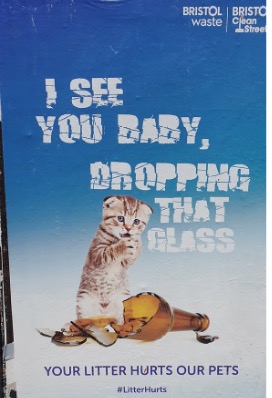
  • Psychological Motivation – Instead of lots of statistics about the volume of litter and what it was doing to the environment and the city they focussed in on the negative impact on pets.

(There are over 27m pets in the UK and British people spend more on their pets than dating, and many care more about their pet’s welfare than other humans in their life)

By creating this frame of the issue – they made it personal to animals and to the negative impact on people’s beloved pets. This is framing  – instead of focussing on the whole issue frames it around something that people care about. This framing also adds emotional dimension. Talking about the damage and harm to pets focuses on one tangible negative aspect of littering. 

In fundraising we often try to add to much detail our case for support – we want to detail the geo-political situation, the scale of the programme but by focussing attention on a more human, or in this case feline story, by creating an emotional frame, focusses in on one aspect, we can grab more attention and create more emotional impact. 

With this emotional framing we also see the power of faces again, and the power of cute. We have an innate tendency to look at faces and the emotion of the eyes – and want to protect and look after those smaller and more defenceless than us. This kitten and the puppy are looking up at the adult size viewer with pleading eyes. It is part of a primal instinct – our primitive unevolved brains are hard wired to pay immediate attention to our surroundings and assess everything as a potential friend or foe. In the microseconds, it takes our brains to assess whether that fluffy kitten or puppy is a threat or not, quickly and subconsciously we decide it is not a threat, and positive emotions are then triggered which makes us pay more attention, and promote careful or caring behaviours.

Interactions with animals, such as dogs and cats, can also cause a biochemical reactions producing our happy chemicals (Dopamine, Oxytocin, Serotonin and Endorphins). Perhaps the strongest chemical release with animals will be a rise in oxytocin – oxytocin is one of the four feel good hormones often called the ‘love’ or ‘hug drug’. It promotes social bonding and increases empathy. It can be triggered by eye contact – between a mother and baby, between lovers – or even when looking at a beloved pet, or a random kitten or dog on a bin. Eye contact matters. The bigger the eyes the bigger the hit of the oxytocin.

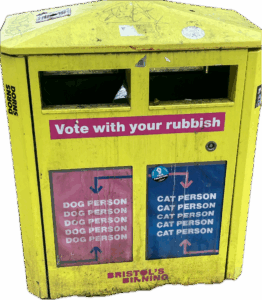
Bristol bins have also added  gamification –using game like techniques in a non-gaming setting can make the experience more rewarding. Offering the choice between being a cat person or dog person when putting rubbish in the bin gives the litter depositor the choice to identify as cat person or a dog person, it makes the act of putting the litter into the actual bin more salient as it is a vote about who they care about. 

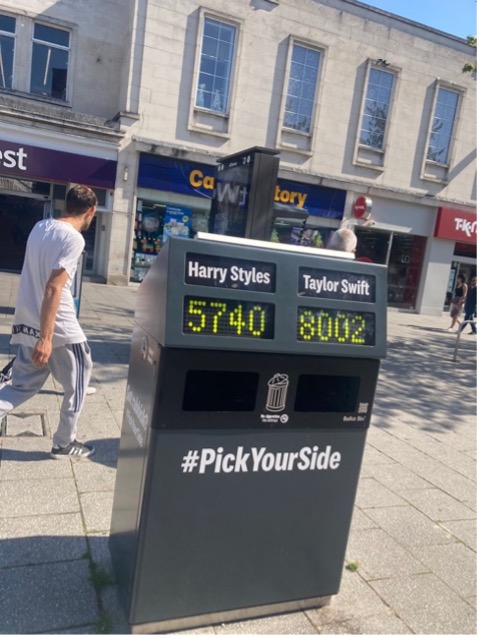
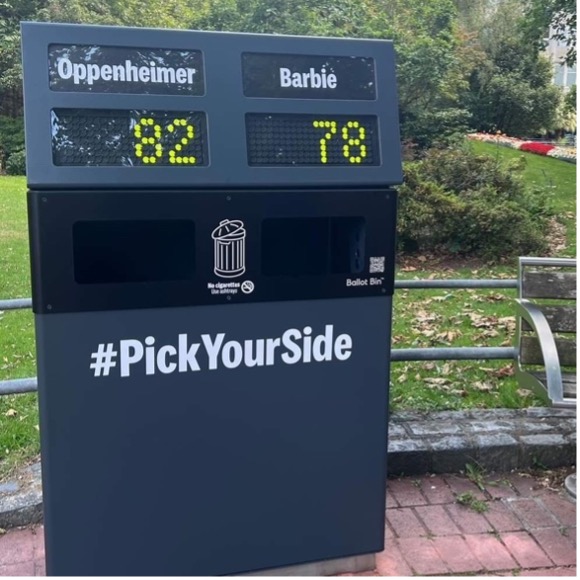
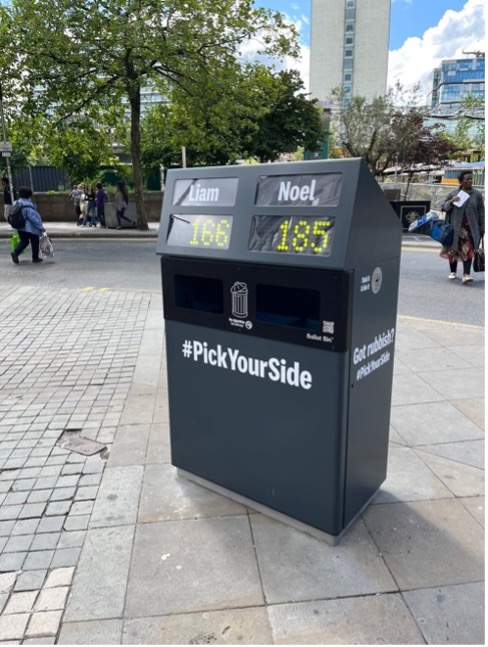
Manchester has taken this to the next level with counters to record the results using multiple ‘controversial’ issues with a score counter – Barbie vs Oppenheimer, Noel vs Liam and Harry Styles vs Taylor Swift are just some examples #PickYourSide 

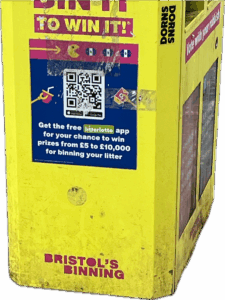
With both the Manchester and Bristol campaigns a hashtag was created #PickYourSide and #LitterHurts to try and create a social sharing and social norm around these actions. 

And you can enter a competition to win prizes to adding a further incentive to dispose of your waste. 

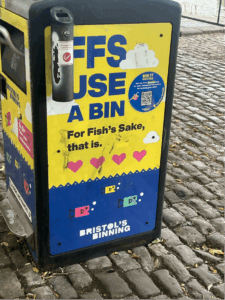
The campaign also uses puns on the lyrics to songs from the early 2000s – with  Puns don’t kill puppies wrappers do (from Goldie Looking Chain’s Guns Don’t Kill Rappers Do and I see you baby dropping that glass (from Groove Armada ft Gram’Ma Funk) – both upbeat songs. This plays into a number of heuristics – the familiarity effect / mere exposure effect – just by repeated exposure to things we like them more and they take less mental energy to process.

It also plays into the Keats Heuristic is sometimes known as the rhyme as the reason heuristic  – our brains believe things to be more true if they rhyme (think of the old adage – an apple a day keeps the doctor away which is more believable than To avoid doctor’s visits ingest one apple every 24 hours). Also British people like puns and that makes it novel, unusual and salient and therefore more memorable (and start hearing the words on the bin to the tune of the song without trying) 

(Although the choice of song might speak to a particular demographic who remember it, or the age of the creative team behind it! I am not sure it is targeted at the demographic of most likely litter bugs)

Our lazy brains are always looking for shortcuts and patterns and what is familiar. Using the abbreviation FFS means our brain finds the shortcut for this acronym and fills in what it ought to say. Like the lyrics above it works on familiarity.

And does it work? For eight years Bristol has topped the charts in recycling statistics – so yes.

And if they can put that much effort into where you put your rubbish, imagine what more you can do to make it easier for your donors to make a gift.

So what can you apply to fundraising?

  • Frame the problem – connect with something that people deeply care about
  • Think about the use of faces and eyes on the people (or animals) involved in the campaign
  • Make it fluent – not all campaigns can (or should) have a rhyming slogan, or rewritten pop lyrics, but the phrases should scan and be simple.
  • Make it easy for people to physically take the action you want them to take – whether that is put rubbish in the bin or fill in a form – think about your audience and their needs. 
  • Make it fun – can you add a gamification angle – people love quizzes and giving their opinion. I have tested this with a giving campaign voting on favourite ice cream flavours as people donate.  
  • How could you add incentives?
  • Make it emotional
  • Link to their identity 
  • Make it visually appealing
https://marinajones.uk/wp-content/uploads/2025/08/pups.png 473 721 admin https://marinajones.uk/wp-content/uploads/2022/12/f2b903e010104f5aa61ea1821a685913.png admin2025-08-30 20:33:012025-08-31 12:33:02What can the bins of Bristol show us about how decision science is used to change people’s behaviour, and how does that apply to your fundraising?

How much do you weigh? How much do you give to charity?

July 28, 2025/in Thoughts/by admin

Rather personal questions.

What about a more socially acceptable one….

What are you doing for your birthday this year?

And what if we combine them?

Are you going to be publicly weighed and then donate the equivalent of your weight in grain or gold to charity?

What?

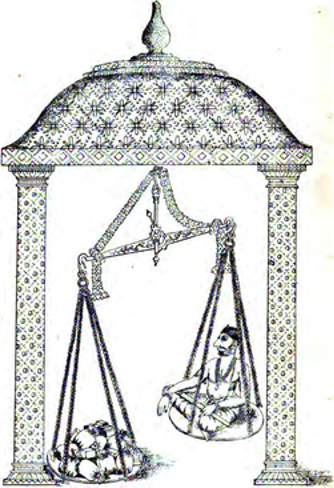
There is an ancient Hindu ritual from the first century where individuals were weighed and made a charitable donation equivalent to their weight in grain or gold – this is known as tulabhara and often people did it on their birthdays. 

There was a custom to weigh the king on his solar and lunar birthdays in precious stones (and in diamonds for a diamond jubilee) and the jewels sold and monies given to charity.

You can see the ceremony from 1946 on this newsreel https://www.youtube.com/watch?v=IEkdZlWCd4I&t=116s 

We see it in sixth century in Europe in the writings of Gregory of Tours which also records the tradition of weighing a donor for gifts (known as ponderito). This is also done as a thank offering for recovering from being sick.

A few historic birthday fundraisers 

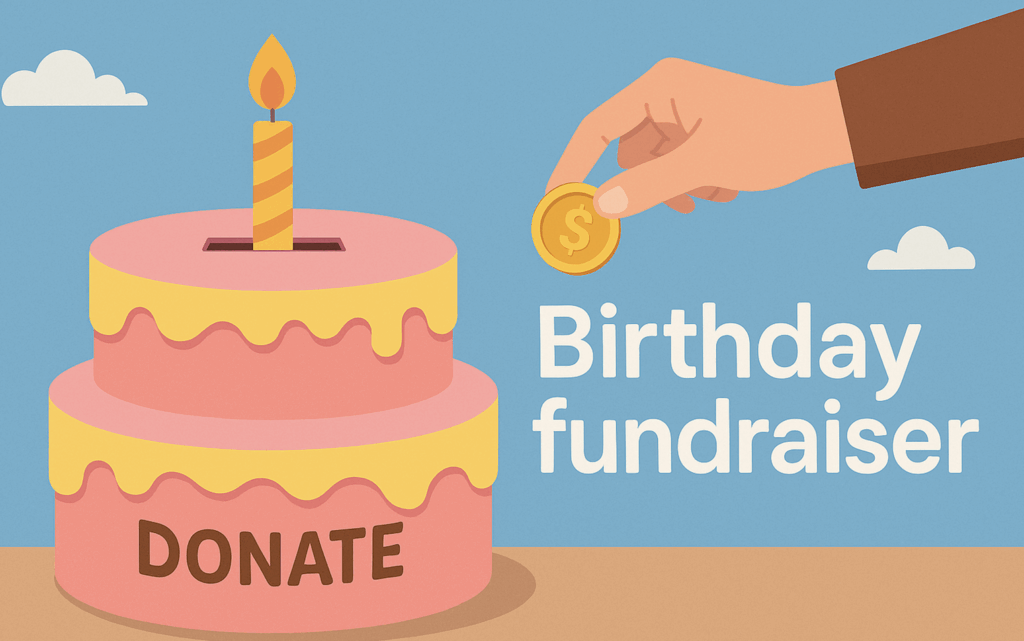
Since Facebook introduced the birthday fundraiser in 2017 other social media platforms have followed suit, but here are a few other historical birthday fundraisers.

Charities tend to focus on their birthday and anniversary campaigns rather than the birthday of the donor, or anniversary of their giving.

Some historic birthday fundraising examples include:  

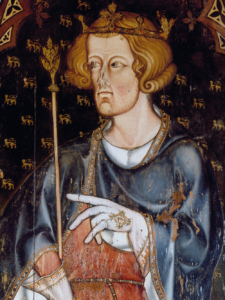
  • Edward I on his son’s fourteenth birthday fed fourteen hundred paupers, and when his son was seventeen, gave alms to seventeen hundred people  

Edward 1
  • Edward III on his 50th birthday fifty poor men get shoes to celebrate 
  • It was not just in life that birthdays were celebrated, you could specify an act of charity to occur annually on your birthday like a dole of bread to the poor, which is what Elizabeth Nickus did in her will in nineteenth century Bristol. 

The Happy Birthday League

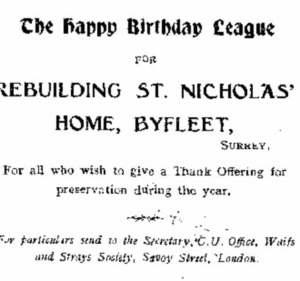
Celebrating your birthday with a philanthropic gift was a Children’s Union giving circle called the Happy Birthday League. It was raising funds for the rebuilding of St Nicholas’ Home begun in 1904. 

The League involved signing a form (to show your commitment) and donating 1 shilling on your birthday “as a thank-offering for your preservation during the year that has past.”

Each issue of the monthly magazine ‘Brothers and Sisters’ listed new members and the total members to date – demonstrating both the momentum of the campaign, and that it was as social norm for your peers to join. Listing celebrity patrons such as Dowager Countess and other titled people gives status to the membership as well.

You are never too young to start giving – the campaign encouraged you to sign up a baby before their first birthday. 

You were also encouraged to those that were dead – “People are and also sending offerings with tender thoughts of those who are at rest.“

With birthday cards you send to friends you were encouraged to send a leaflet inviting them to join as well – a strong peer to peer ask!

Within six months they had over 7,000 members. 

What might be going on in a donor’s brain here?

Part of this is because there are just numbers that mean something to us, and our identity – and our birthday is one key personal date, and our weight another personal part of our identity.

How can donors help construct personal stories about the gifts they give?

Sometimes as charities by not giving donor’s choice we can cause reactance – when we react against being told what to do.

So when we are talking about us, and our charity, and our anniversary we disengage our donor, and they start to ask ‘so what?’ Sometimes the list of giving options does not give us the option we want – the options are too small and not meaningful enough, or too big and beyond our capacity. 

When we give our donor autonomy and empower them to make a choice they can make gifts that are more personally meaningful to them. 

However, how this choice is presented is important. We need to provide a structure. If it is too open an offer – such as ‘pay what you feel‘ we might nudge the brain into a system two space and ask ‘how do I feel about this? and what value does that mean I should give? And by pausing to ask these questions we have no frame of reference, and increased cognitive load can stop us making any gift.

The frame of the question is important here.

  • How could you give your donor’s more autonomy and choice about how they make a gift and how much? 
  • How can you invite them to make gifts that mean more to them? How can you provide a useful frame?
  • How can you use important dates to your supporters to become giving opportunities?
  • How can you make it about them, not you the charity.
  • How can you get your supporters to be ambassadors for you? they are already super fans, and can act as great ambassadors with their networks to find others to support you.
https://marinajones.uk/wp-content/uploads/2025/07/Picture-11-e1753730425211.jpg 676 904 admin https://marinajones.uk/wp-content/uploads/2022/12/f2b903e010104f5aa61ea1821a685913.png admin2025-07-28 20:21:002025-07-28 20:21:00How much do you weigh? How much do you give to charity?

Don’t be the charity that gets pruned

January 27, 2025/in Thoughts/by admin

You have heard of natural selection? And the survival of the fittest?

What about ‘socioemotional selection’?

Have you ever done it?

What does it mean?

When time is unlimited we follow knowledge based goals, but when time is limited – as you near the end of a job, college, university, or your life – emotional goals become more important. This impacts on who you want to spend that limited time with, and which relationships you hold onto. 
So, as you near the end of a degree, you are not so interested in meeting and spending time with first years, and want to enjoy the final moments with those you have been with for the last three years. Or as you finish a job that you have had for many years, you want to spend time with those closest to you rather than meeting lots of new people. 
Think back to when you have been in this situation – did you start to select like this? Focus on those nearest and dearest?

That is socioemotional selectivity. A theory proposed and tested by social scientists Laura T Cartesen, Derek M Issacowitz and Susan T Charles.

It links to behavioural economics Kahmenan and Tvesky’s prospect theory where we weigh up the potential losses or gains of any decision we make. 

When time is open ended then new relationships hold more potential for gains – but when time is limited then there is no such gain and we focus on the known gains from the known relationships.

And it is important to recognise it in ourselves, and also in our donors. 

And knowing more about it can help you think about fundraising?

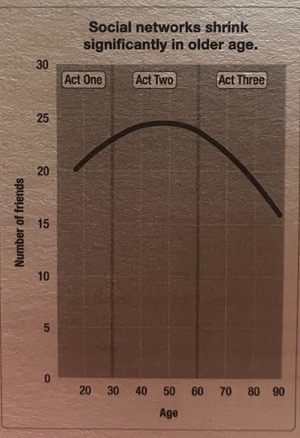
There is a commonly held myth about older people. That as they get older there social networks shrink as their friends die off.

From ‘When’ by Daniel H Pink

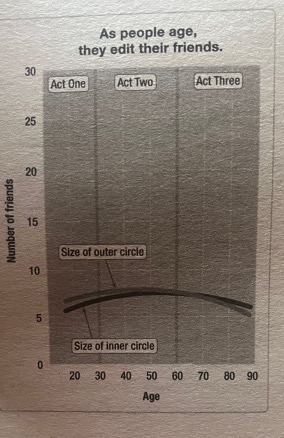
However, more focussed studies of social networks in older people show a more nuanced pattern. When mapped in more detail to show those social networks divided into the inner friendship group and the outer friendship group – the inner circle remains pretty constant throughout our life cycle in terms of size of network. It is the outer circle that starts to shrink. When time is limited we prioritise those that we have a closer relationship with. 

From ‘When’ by Daniel H Pink

This is an active elimination of the outer circle.

A pruning of relationships.

“When time is constrained and limited, as it is at act three [final act], we attune to the now. We pursue different goals – emotional satisfaction, an appreciation for life, a sense of meaning”

‘When’ by Daniel H Pink

So when the end if near, and its time to face the final curtain. We don’t want lots of new transitory relationships or acquaintances  – we want the ones that mean something

“We edit relationships. We omit needless people. We choose to spend our remaining years with networks that are small, tight and populated with those that satisfy our higher needs”

‘When’ by Daniel H Pink

Are older or younger people more able to remember emotional material?

The older you are the more emotional recall you have.

‘older people recall more than younger people about their thoughts and feelings’

Laura T Cartesen, Derek M Issacowitz and Susan T Charles

When older people took part in a memory paradigm test – a test involving reading a two page summary of a novel and then recalling the information. Older people recalled more of the emotional material than the non-emotional material (so younger people remembered more facts and less feelings.) So remember to keep communicating the emotions to your older supporters. The more emotional = the more memorable. 

Time to prune?

So back to socioemotional selection – this findings struck a chord with me as I have seen donors and supporters do it – in life, and with final gifts in legacies. 

We had a very lovely donor in her 80s who was philanthropically very active supporting a number of charities that were important to her – cultural, civil rights, medical. As she became older, and her 90th birthday was approaching, there was a conscious and active pruning of the causes that she could support. She did not have the time, or the energy (even though she was out at the theatre several times a week!) to continue to support all of the charities she had done. She made choices about who retained her support – these were connected to her enjoyment, her profession, and how those in the fundraising teams made her feel. As we can see, when time is limited, we focus on the relationships that mean the most. 

There was also a practical element in this pruning –as a great theatre lover and as she was aging, her mobility decreased and she could only attend venues where a taxi could take her to the main entrance and the lack of access provided by some venues made attendance impossible. This stopped her going to some places that she had been going all her life (and performed in) and consequently stopped her giving. Not all these things are in your control, but they are important, and how older supporters might perceive or experience your services from physical access to fonts matters. 

Socioemotional selection is also important when it comes to legacy giving. Being in the will is important, but being in the last and final will is crucial. Often charities have been told that they are in the will, and they may have been. But data shows a real gap between those that thought they are in the will, and those that get a gift – Legacy Foresight sighting 50% of gifts pledged in will are never realised (2019). One reason is socioemotional selection and this pruning stage. On average people write three wills in their lifetime, the final one being aged 80+. At this stage, with time being limited, the charities that are still meaningful, that have made an impact, that have stayed in touch, that are stewarding, that they still engage with and that there is a sense of relationship are more likely to make the final cut. That is why continued stewardship of your supporters is so crucial.

A historic bad example of failing to maintain the relationship from New York

Super fans, super loyal but also need super care

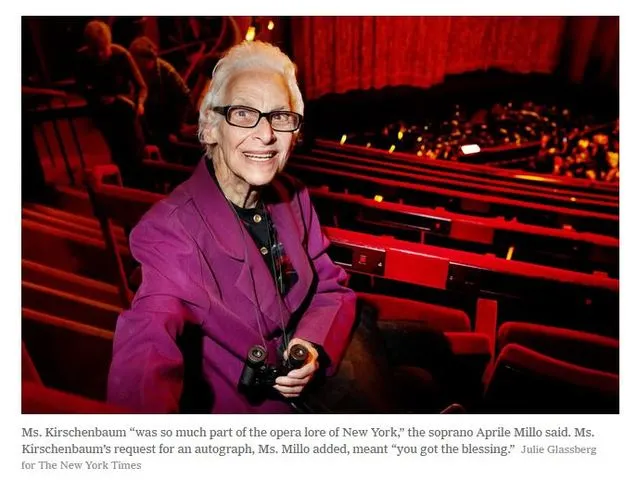
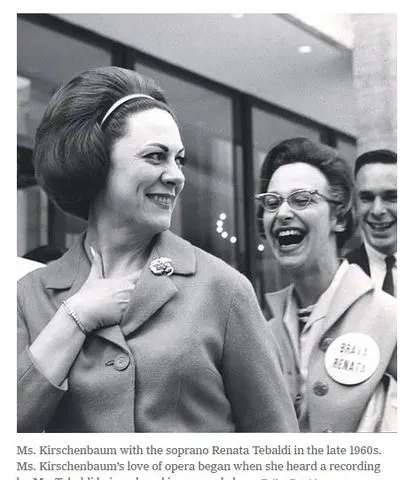
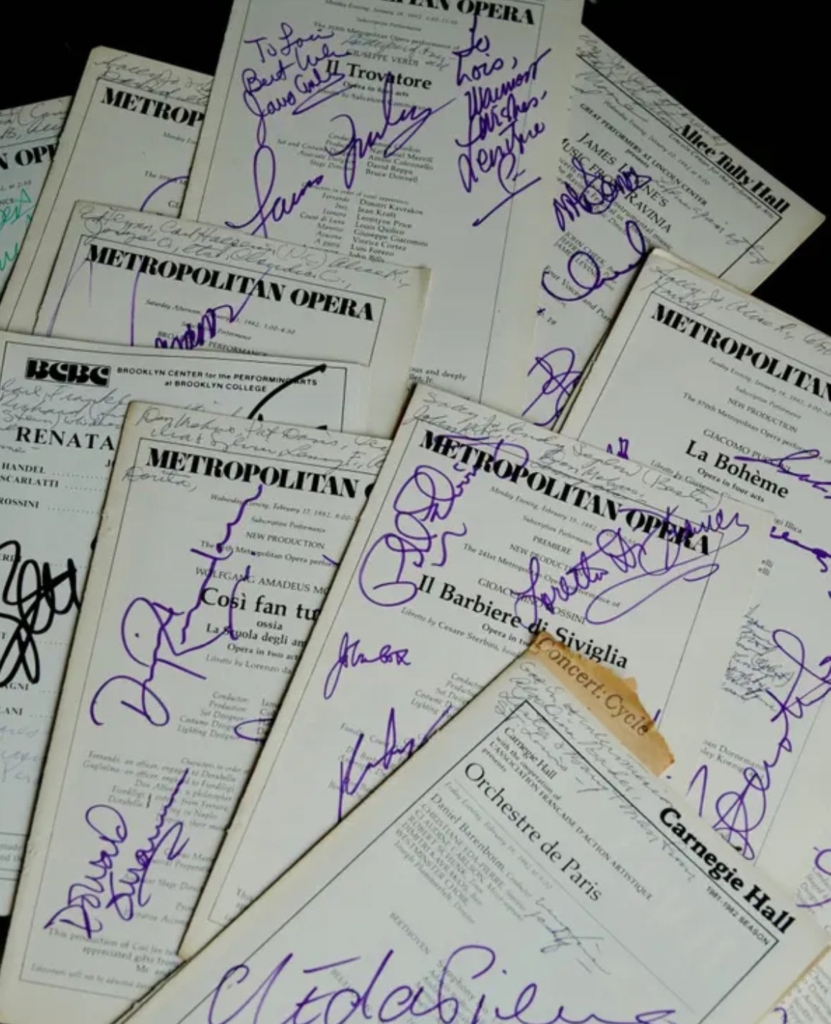
Since the 1950s Lois Kirschenbaum attended nearly every performance and always hung around stage door to get her programme or ticket signed. She was an opera super fan, although the data collected would not have shown her up as a potential major legacy giver. Lois Kirschenbaum bought standing places. She was legally blind and watched the opera through big binoculars. She lived in a rent controlled apartment, worked for a charity and caught the bus to the opera. However the lived frugally and left $4m to 18 charities giving $1.7m to the arts but not to the Met Opera because of a decision 30 yrs ago not to let her backstage to continue to gather the signatures she loved. Often legacy pledgers are not big donors in their lifetime but their gifts reflect a lifetime of connection.

And an important reminder that those who have already made a commitment to you with a gift in their will, have made a mental adjustment of how they see you, that you are already a more meaningful and more deeply help connection as they start to give more in their lifetime. Including that bequest has drawn you closer to them but even then you can fall out in this pruning stage

Thinking about your supporters, would you survive a socioemotional selection cut?

How can how you look after your donors and the connections that you make mean that yours is the charity that they stay supporting – in life and in death?

https://marinajones.uk/wp-content/uploads/2025/01/pruning-garden-1521648761.jpg 1060 2121 admin https://marinajones.uk/wp-content/uploads/2022/12/f2b903e010104f5aa61ea1821a685913.png admin2025-01-27 08:54:252025-08-03 15:32:25Don’t be the charity that gets pruned

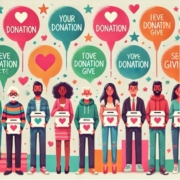
Every donation tells a story

January 9, 2025/in Thoughts/by admin

Every donation tells a story

At church we have just got a new set of hymn books and a member of the congregation donated the funds for them. She wanted to share why. 

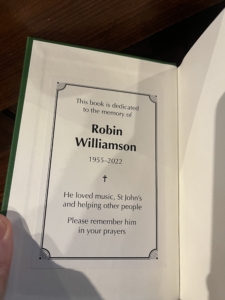
She had chosen to donate in memory of her late husband and spoke so beautifully about the reasons – because he had loved music, and for many years played viola in the local orchestra. He had also loved Ralph Vaughan Williams (who worked on compiling the first English Hymnal). He had been a dedicated worshiper at the church, and member of the PCC. An opportunity and a need arose, new hymn books needed to be purchased; so she explained that she had made the gift to purchase the hymn books in his memory. 

As fundraisers too often we focus on the story we tell to secure the gift, and not the story that the donor has to share about their why.

This why can have many different aspects, including

Why now
Why this
Why in this way
Why this much
Why you

(to repurpose some of the 9 nos of fundraising as 5 why’s…)

Every donation tells a story – it reflects different parts of someone’s life and the connections they have – to beliefs, to music, to favourite things, to memories, to people, to their professional life, to your charity, to the specific fundraiser. Just knowing that it was ‘in memory of’ is not the same as hearing the story, and the multiple reasons, connections and layers as to why this gift was made – to this, at this time and why it was meaningful and important. 

Every donation tells a story – how can we encourage donors to share that story?

There are many ways we do this as fundraisers:-

  • Many charity runs allow you to personalise your running bib to say who you are running for and why ‘For mum’, or ‘For David’ or ‘To fight cancer’.
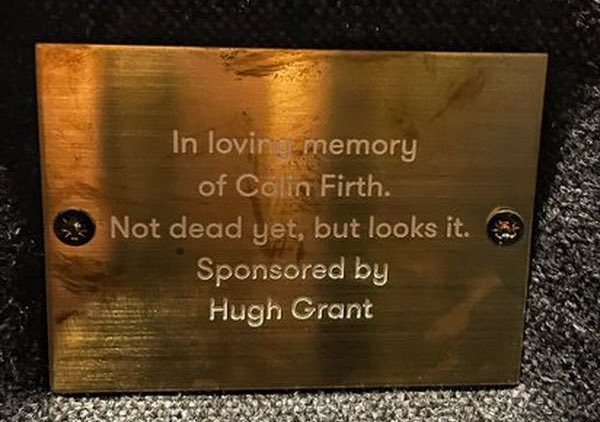
  • Seat dedications in a theatre can do the same – and tell some amazing and personal stories including a seat dedicated to an opera loving cat or a volunteer who had dedicated decades to a theatre or a chance for a bit of fun.
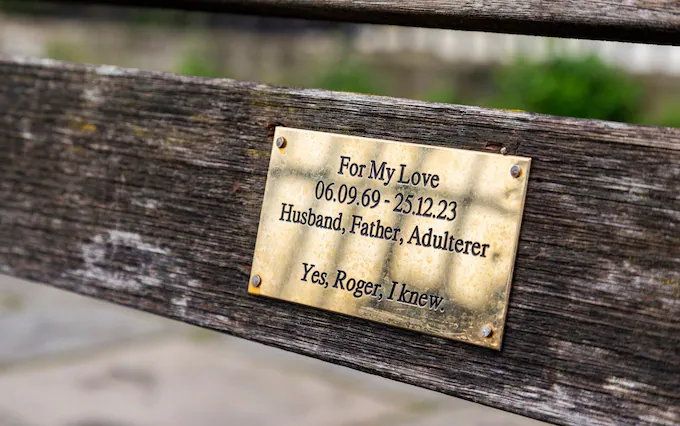
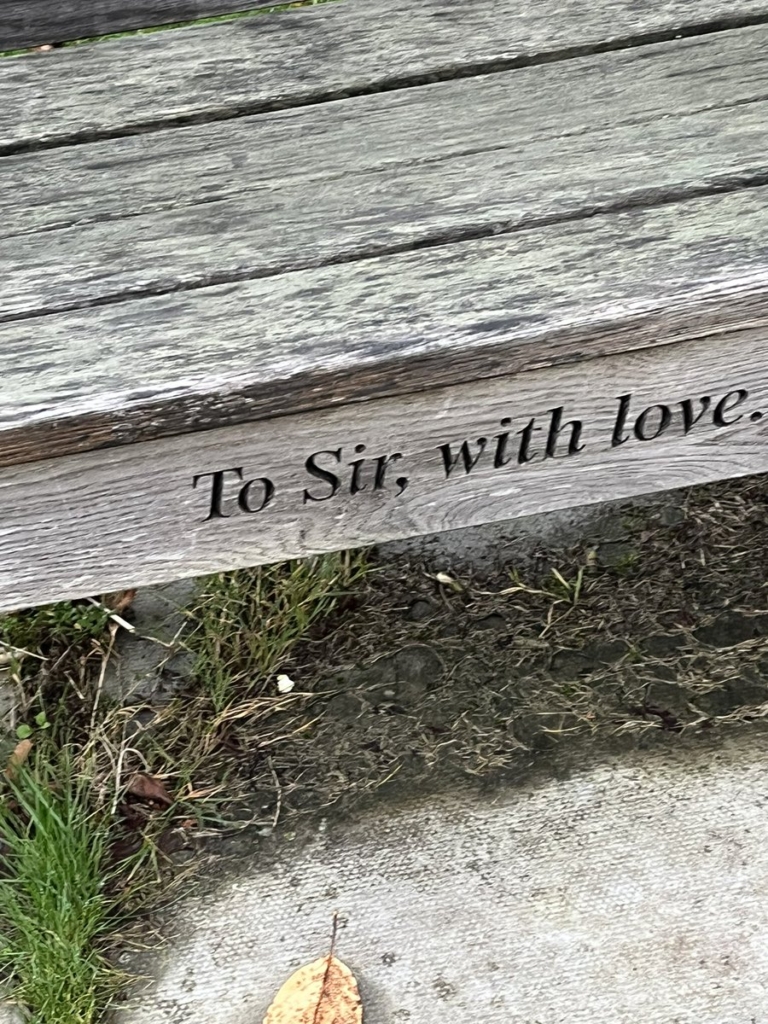
  • Memorial benches, can do the same as well.  Sometimes they add a flavour of the character or hint at a further stories.

However the limited character count of these often limits the donor being able to tell the full story of their why. 

So allowing that story to be told fully in the donor’s words can create greater connection, and there is evidence that it increases donation and conversion rates.

  • In legacy materials, adding in the option which allows someone to tell you why they are leaving a gift in their will gives you the loveliest stories. Even without a formal invitation to tell their why, I have found that legacy pledges can be accompanied by letters that detail their history with your charity and their favourite memories. 

  • I remember one example, how a couple met at the theatre through joint friends, seeing Fonteyn and Nureyev ‘I was hooked in more ways than one, in the group was a beautiful lass in a green dress’. Five years later they were married and enjoyed a lifetime as members going to the ballet together. The letter detailed a life time of memories together, of sitting in the cheap seats, to being able to sit in the stalls, and how social groups were formed around attending.  She had died and this legacy gift reflected their shared passion, but the letter also shared the oddness and mixed emotions of returning to the theatre without her to see the latest production of Swan Lake which they had first seen together with Fonteyn and Nureyev. 

  • During the pandemic, we added an option with online donations asking people the reason that people were making the gift now. This produced some extraordinarily powerful reasons and stories. We categorised the common themes of these messages to create five different social norms. We then, with permission, used this feedback from supporters for to further support the campaign. There were five common reasons that came out – creating five ‘people like you’ norms to encourage further gifts.


Yes these (with permission) form amazing testimonies that may encourage other donors to give as we did for the pandemic ones. But it also makes the very act of giving more personal and more powerful for your supporters.

Why is that?

Daniel Kahneman in Thinking Fast and Slow talks about the two selves – the experiencing self and the remembering self.

The experiencing self is the one answering the direct question of the experience right now, and the remembering self that answers the questions ‘how was it, on the whole?’. The remembering self is the “one that keeps score and governs what we learn from living” – so it the remembering self that catalogues and keeps the memory and how we remember an experience is stronger than the actual experience itself. 

Inviting, encouraging and providing the opportunity for supporters to be able to share their why and build their story is therefore really important. By articulating their story – either through telling you, or writing it down – you are cementing it as part of their story, their narrative, their identity and their memory. It becomes embedded as a memory.

“Memories are all we get to keep from our experience of living, and the only perspective that we can adopt is as think about our lives is therefore that of the remembering self”

Daniel Kahneman

By a supporter sharing their story it becomes part of their remembering self 

Fundraisers are told to be storytellers and create stories in which the donor can be the hero, and their gift is making that transformation. As Daniel Kahneman says:

“we all care intensely for the narrative on our own life, and very much want it to be a good story, with a decent hero”

But sometimes we miss out the chance for them to share their story and their why in a meaningful and nuanced way. 

And sometimes that story might be mundane 

  • Because I was asked
  • Because I wanted to help
  • Because I like Eileen and she asked me 
  • Because I am doing a fundraiser next year and I want people to support my cause
  • Because I can 
  • Because I wanted to say thank you 

But sometimes it can be very rich and very personal.

How can you find out your donors whys?

  • Why this
  • Why now
  • Why in this way
  • Why this much
  • Why you

And by giving them both the opportunity to give and the opportunity to share their story we are making the giving process and connection much deeper. 

Every donation tells a story … what’s yours?

And how can you help your supporters to tell you their why?

The new hym books at church dedicated in memory of Robin Williamson

https://marinajones.uk/wp-content/uploads/2024/12/every.jpg 604 604 admin https://marinajones.uk/wp-content/uploads/2022/12/f2b903e010104f5aa61ea1821a685913.png admin2025-01-09 09:24:012025-01-09 15:22:29Every donation tells a story

Christmas money is different to other money…?

December 24, 2024/in Thoughts/by admin

Money is money, right?

Except when it’s not

When we get Christmas money, or birthday money, that’s different money, right?

We set that money aside physically or mentally – it is not something we would spend on buying the milk, or the everyday. We frame it differently.

£20 Christmas money can still buy the loaf of bread, but we have reserved it our minds for a treat.

We constantly assign the money we have in our bank accounts to different pots – based on its origin, or intended use.

This is called ‘mental accounting’ and first described by economist Richard Thaler. 

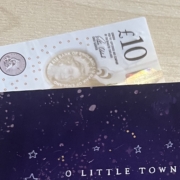
Technically money is fungible – that means it is interchangeable – any £10 note is the same as any other £10 notes but we don’t treat it as such.

Here are a few examples of it in literature to show how we think about money in different ways and how the source of money taints the gift. 

In the Bible Judas receives thirty silver coins for the betrayal of Jesus in the Garden of Gethsemane. After his crucifixion he returns the money to the chief priests but they do not want it because 

“The chief priests picked up the coins and said, “It is against the law to put this into the treasury, since it is blood money.” 7 So they decided to use the money to buy the potter’s field as a burial place for foreigners. 8 That is why it has been called the Field of Blood to this day. 

Matthew 27 

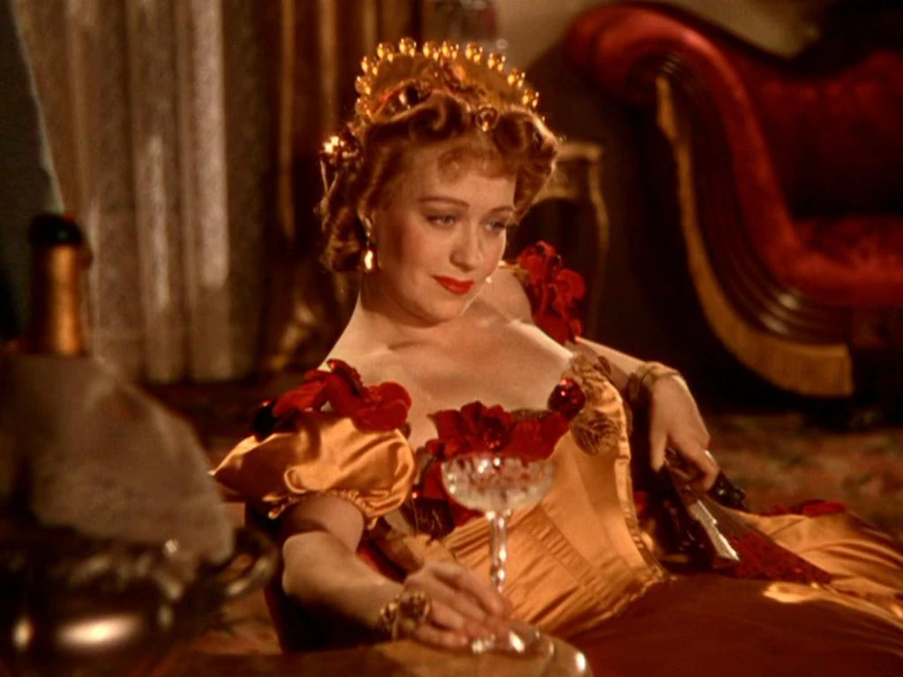
In Margaret Mitchell’s Gone With the Wind – Belle Watling the brothel owner wants to make her contribution towards the war effort but it is has been refused because of her profession and how she earned it. She goes to Melly Hamilton at night and in secret to hand the money over secretly saying  ‘It’s good money even if it’s mine.’ 

In East Lynne by Ellen Wood, Mr Carlyle receives damages in his divorce from the man who runs off with his wife. He does not keep the money and it goes straight to the county hospital.

The source of those gifts makes the money unacceptable or problematic to accept. 

But we all do this to an extent with our own money – with allocations for holiday, entertainment, charity or hobbies. We think about our money like this.

And this also applies to how we think about giving money to charity – we have a charitable allocation (formal or informal) in our mental accounts.

Even within the charity (mental) account we can allocate to different causes that reflect different areas of change for good we want to see in the world. These allocations might link to different parts of our story and identifies – as fighters for justice, as searchers for a cure, or lovers of art. We also may have the sunk cost of a monthly payment to a charity we love. That money is already spent and assigned in our mental charity account, so when the emergency appeal or match campaign lands we can assign that need to a different part of our mental charitable account.

As this legacy pledger articulates:

“So we gave some money to Oxfam for international development. Then he said ‘human rights is what I want’ … and then so I thought OK we’ve got international development, we’ve got human rights, great I can leave something to culture. And this was the one where I’d had the most pleasure by then over the years” ​

The language you use when asking supporters to help you change the world for the better can help them mentally assign it to different parts of their (charity) budgets. If we think about this when writing inspiring appeals then we can tap into different mental accounts and make it easier for people to give, and give more.

There are also other mental accounts that the money could come from – does the gala ticket come from the ‘charity’ mental account? or the leisure/entertainment one? Does the raffle ticket come from charity or ‘spare change’ or gambling or indulgence?

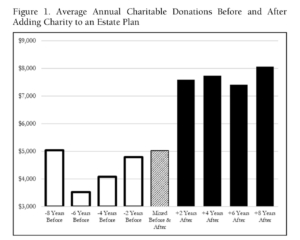
A fact that I love is that after adding a gift in their will, donors give more in their lifetime to that charity – by 77%! It is as if you have moved mental accounts once this commitment has been made, and are being treated as a member of the family (fundraisers can be reluctant to ask for legacy gifts fearing it will impact in year gifts but the reverse is true)

The Emerging Potential of Longitudinal Empirical Research in Estate Planning: Examples from Charitable Bequests 
Russell N. James III*


Think about the ways that you can make your charitable asks meet these different mental accounting pots.

https://marinajones.uk/wp-content/uploads/2024/12/IMG_3662-1.jpeg 1114 1144 admin https://marinajones.uk/wp-content/uploads/2022/12/f2b903e010104f5aa61ea1821a685913.png admin2024-12-24 13:00:382024-12-29 15:39:20Christmas money is different to other money…?
Page 2 of 6‹1234›»
Tweets by meenamtj
All content © Marina Jones 2023
  • Link to X
  • Link to Instagram
  • Link to LinkedIn
Scroll to top Scroll to top Scroll to top

This site uses cookies. By continuing to browse the site, you are agreeing to our use of cookies.

Accept settingsHide notification onlySettings

Cookie and Privacy Settings


How we use cookies

We may request cookies to be set on your device. We use cookies to let us know when you visit our websites, how you interact with us, to enrich your user experience, and to customize your relationship with our website.

Click on the different category headings to find out more. You can also change some of your preferences. Note that blocking some types of cookies may impact your experience on our websites and the services we are able to offer.

Essential Website Cookies

These cookies are strictly necessary to provide you with services available through our website and to use some of its features.

Because these cookies are strictly necessary to deliver the website, refusing them will have impact how our site functions. You always can block or delete cookies by changing your browser settings and force blocking all cookies on this website. But this will always prompt you to accept/refuse cookies when revisiting our site.

We fully respect if you want to refuse cookies but to avoid asking you again and again kindly allow us to store a cookie for that. You are free to opt out any time or opt in for other cookies to get a better experience. If you refuse cookies we will remove all set cookies in our domain.

We provide you with a list of stored cookies on your computer in our domain so you can check what we stored. Due to security reasons we are not able to show or modify cookies from other domains. You can check these in your browser security settings.

Google Analytics Cookies

These cookies collect information that is used either in aggregate form to help us understand how our website is being used or how effective our marketing campaigns are, or to help us customize our website and application for you in order to enhance your experience.

If you do not want that we track your visit to our site you can disable tracking in your browser here:

Other external services

We also use different external services like Google Webfonts, Google Maps, and external Video providers. Since these providers may collect personal data like your IP address we allow you to block them here. Please be aware that this might heavily reduce the functionality and appearance of our site. Changes will take effect once you reload the page.

Google Webfont Settings:

Google Map Settings:

Google reCaptcha Settings:

Vimeo and Youtube video embeds:

Other cookies

The following cookies are also needed - You can choose if you want to allow them:

Privacy Policy

You can read about our cookies and privacy settings in detail on our Privacy Policy Page.

Privacy Policy
Accept settingsHide notification only