How (not to) look after your legacy pledgers
Until your legacy pledger dies they can always change their mind and take you out of their will. So stewarding and ensuring the connection remains strong and salient is vital.
Many charities have legacy giving circles with newsletter, events and Christmas cards keeping donors in touch with the work of the charity and seeing where their eventual legacy might have impact, and saying thank you during their lifetime.
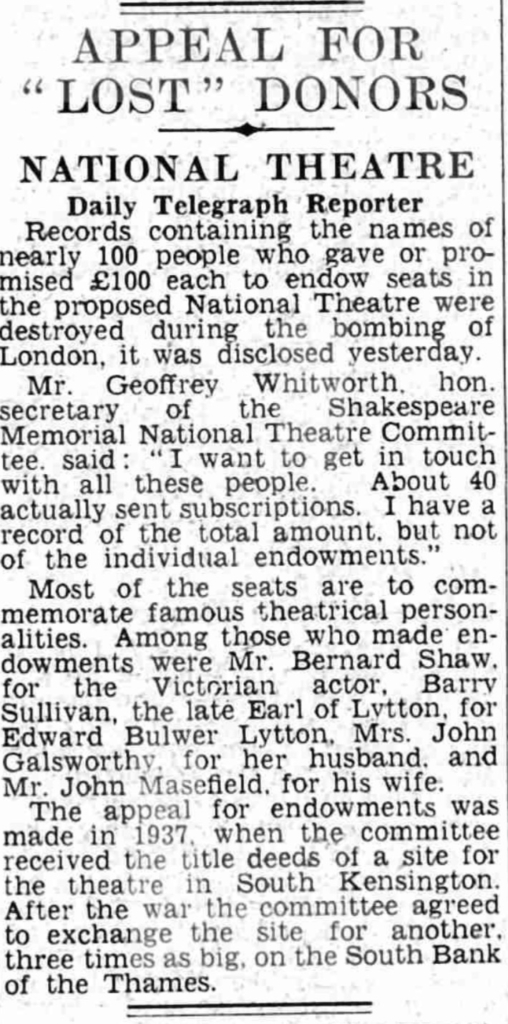
When time is unlimited we follow knowledge based goals, but when time is limited – as you near the end of a job, college, university, or your life – emotional goals become more important. This impacts on who you want to spend that limited time with, and which relationships you hold onto. That is socioemotional selectivity. A theory proposed and tested by social scientists Laura T Cartesen, Derek M Issacowitz and Susan T Charles. Often charities have been told that they are in the will, and they may have been. But data shows a real gap between those that thought they are in the will, and those that get a gift – Legacy Foresight sighting 50% of gifts pledged in will are never realised (2019).
Without careful stewardship and engagement, you could risk a pledger removing you from their will. Being in the will is great, but being in the final will is crucial. On average, people make a final will in their mid 80s and what matters then and who has that emotional connection is crucial. If there is a sense of relationship are more likely to make the final cut. That is why continued stewardship of your supporters is so crucial.
A few historic legacy stories that demonstrate the importance of caring for potential legacy pledgers.
Super fans, super loyal but also need super care
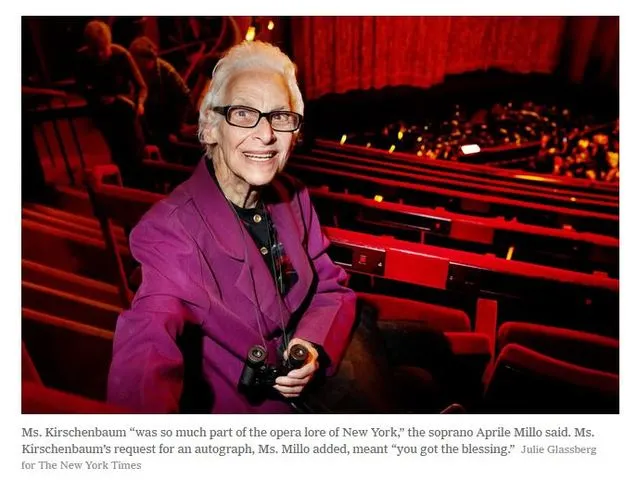
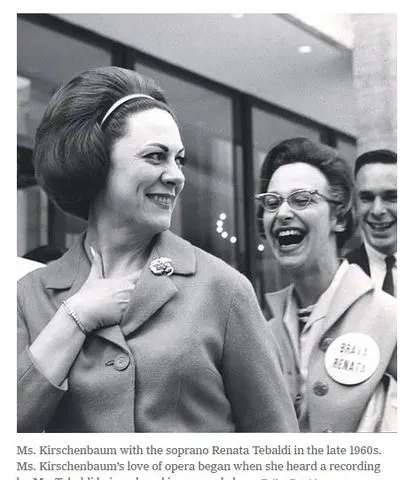
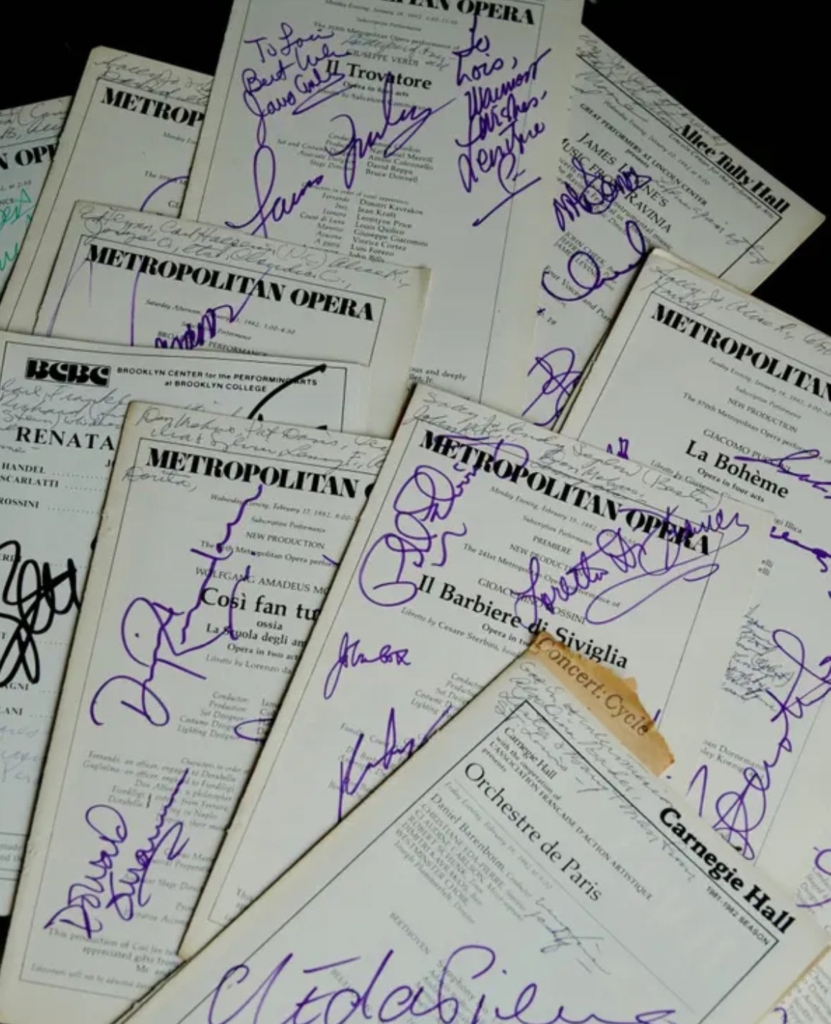
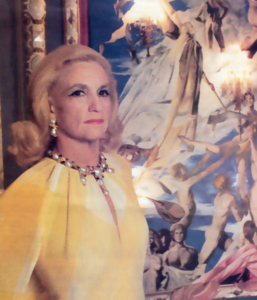
Since the 1950s Lois Kirschenbaum attended nearly every performance at the Metropolitan Opera in New York, and hung around stage door to get her programme or ticket signed. She was an opera super fan, although the data collected might not have singled her out as a legacy prospect. Lois Kirschenbaum bought standing places (typically in an opera house at the very top and back of the auditorium and cheaper – sometimes known as listening seats). She was legally blind and watched the opera through big binoculars. She lived in a rent controlled apartment, worked for a charity and caught the bus to the opera.
When she died she left $4m to 18 charities giving $1.7m to the arts but none to the Met Opera.
Why not? When she went so frequently and clearly loved it.
Because of a decision 30 years before her death to stop letting her go backstage to gather the signatures she loved. This was enough, despite years of continued engagement after that, to remove the opera from her final will.
Stewarding for the long term gain vs genuine engagement
In contrast to upsetting a long standing super fan, the Metropolitan Art Museum kept accepting items from Olive Sage in the hope and expectation of a substantial legacy (after being made a widow by the death of notoriously stingy Russell Sage). As a former teacher she was a great in life philanthropist and wanted to donate items not just cash to the museum. In the last twelve years of her life she gave away over $45m. When the museum’s curators tried to reject items that they did not want in the collection, for instance a teapot, they were told:-
‘I have not attempted to pass judgment upon the teapot. It may or may not be sometimehing we care for, but I clearly wanted to accept any gift from Mrs Sage”
This policy of accepting donated items resulted in a $1m+ legacy gift when she died in 1918.
However, many items that had been accepted in life from Mrs Sage’s collection were returned to the family after her death. As they did not really want them – they wanted to keep her sweet for a legacy.
For charities that accept items it is important to have a collecting policy and clear guidance about what items you accept and why, and also that they come with the funds to care, preserve and exhibit them. It is disingenuous to accept gifts in life that you have no interest in owning – just in the hope of a substantial legacy.
So how might you steward legacy pledgers
Don’t forget about them – keep stewarding them and keep them engaged in your work
- Create a legacy circle (only 44% of arts and cultural charities had one in a recent benchmark)
- Give it a name to connect with your mission and cause area
- Send regular newsletters about the impact of legacy gifts to continue to remind them of the importance of their future gift
- Run events where they can see first hand the work of the charity and receive a thank you in their life time and enjoy meeting other like minded donors who have that shared connection with the charity’s mission
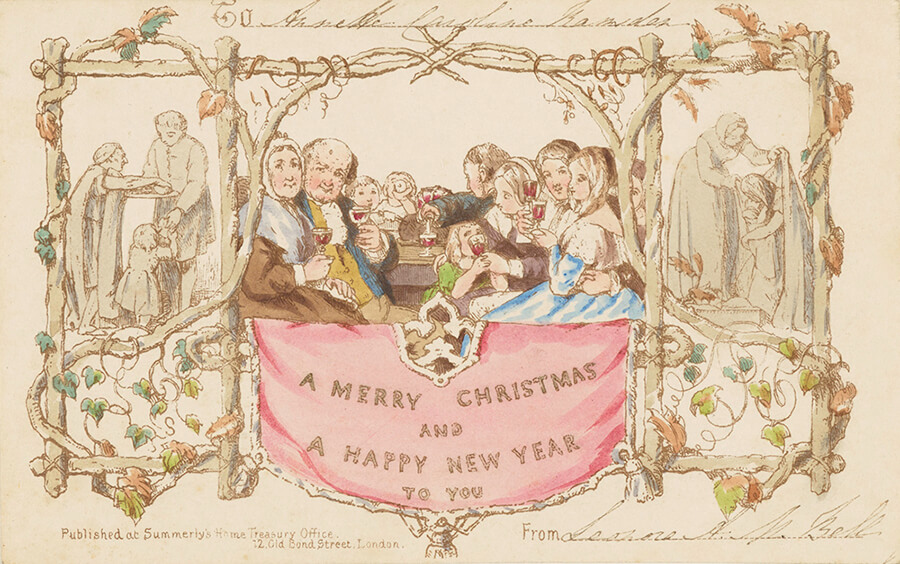
- Send Christmas cards
- Make sure that the legacy pledgers are included in key news and information moments
- Remember some are non online – and prefer a letter or a phonecall
- Say thank you
- Think about crediting (are legacy pledgers credited as pledgers or just when they donate?)
- Think about how they can share their history with your charity – what might they know about previous work, campaigns, staff that could be great to share with other supporters
- Ask them to share why they have pledged a legacy with you and whether you can share that in a magazine or newsletter and their inspiration could encourage others to remember the charity as well.
- Ask them to speak at an event with other supporters about why they have chosen to leave a gift
Often if longstanding donors stop giving they may fall off your segmentation list and you stop engaging or asking them to support. They do not meet the recency or frequency criteria that have been set. However, the length of engagement should not be ignored. It may be limited mobility or limited capital that prevents them giving now, but you are in the will and want to remain so. So do not forget about them.